16 High Protein Bariatric Recipes from Whole Foods
High protein bariatric recipes are where this section does its most opinionated cooking, and the opinion is this: whole food does the job better than powder does, most meals of the week. Eggs, Greek yogurt, cottage cheese, ricotta, chicken, fish and beans carry the sixteen recipes below, every card stating its protein per serving from USDA data, and the powder question gets answered honestly at the bottom of the page rather than pretended away. What you will not find is a daily target; that number is your program’s to set, and the cards exist so the arithmetic you bring to that conversation is real.
This page is the protein bench of our bariatric diet recipes collection. Textures are labeled inline, because protein-first and gentle are not opposites here; they are the same design brief.
Eggs and Dairy, the Daily Bench
Egg bites, cottage cheese set. Smooth texture. The blended cottage cheese method from our diabetic crustless vegetable quiche, portioned by the muffin tin. Blending the cottage cheese fully smooth is what makes these custard; thirty seconds, no shortcuts.
Soft scrambled eggs with ricotta. Soft texture. A spoon of ricotta folded in at the end raises the protein and drops the temperature, finishing the eggs gently off the heat. Low and slow is non-negotiable; browned scramble is rubber scramble.
Whipped cottage cheese two ways. Smooth texture. Blended savory with herbs as a dip for soft vegetables, or sweet with a measured half cup of berries. The blender is the whole trick: the curds are the usual objection to cottage cheese, and blending removes them.
Greek yogurt bowl, protein-forward build. Soft texture. Full fat or low fat as your fridge prefers, a spoon of nut butter, measured fruit. Assembly food that outlifts most cooked breakfasts.
Ricotta bake. Smooth to soft texture. Ricotta, egg and parmesan in ramekins, water-bathed at 325F until barely set. The water bath keeps every bite as tender as the center.
Cottage cheese egg salad. Soft texture. Chopped soft-boiled eggs folded with whipped cottage cheese instead of mayonnaise, chives over. Boil the eggs to jammy, about eight minutes, not to chalk.
Chicken and Turkey
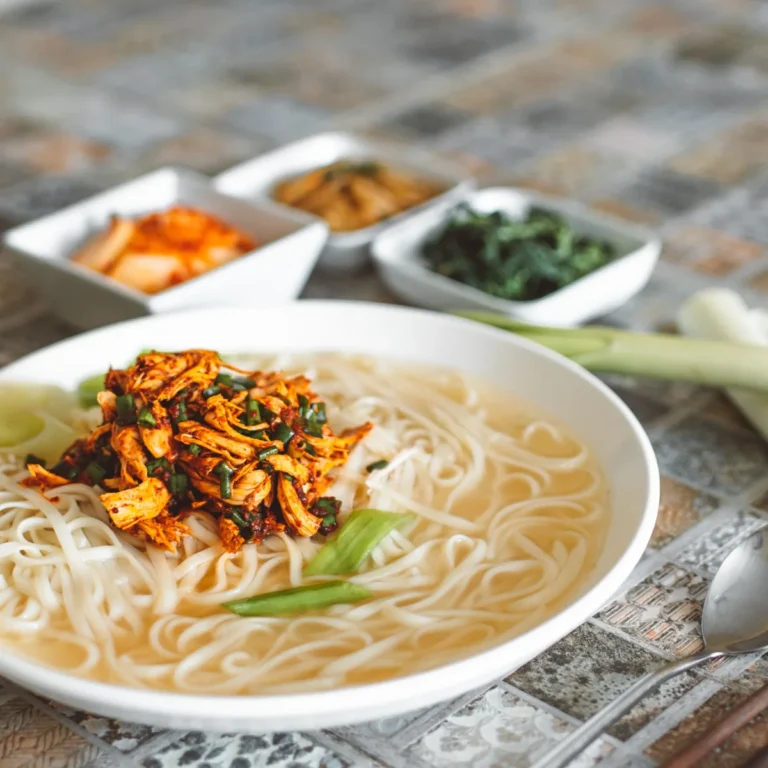
Salsa chicken. Soft texture. The two-ingredient slow cooker method at diabetic salsa chicken, shredded into its own liquid. The highest ratio of banked protein to effort this site publishes.
Lemon poached chicken breast. Soft texture. Water at a lazy shimmer, never a boil, pulled at 160F, rested. Poached breast stays tender in the fridge for days, which makes it the meal prep spine of this page.
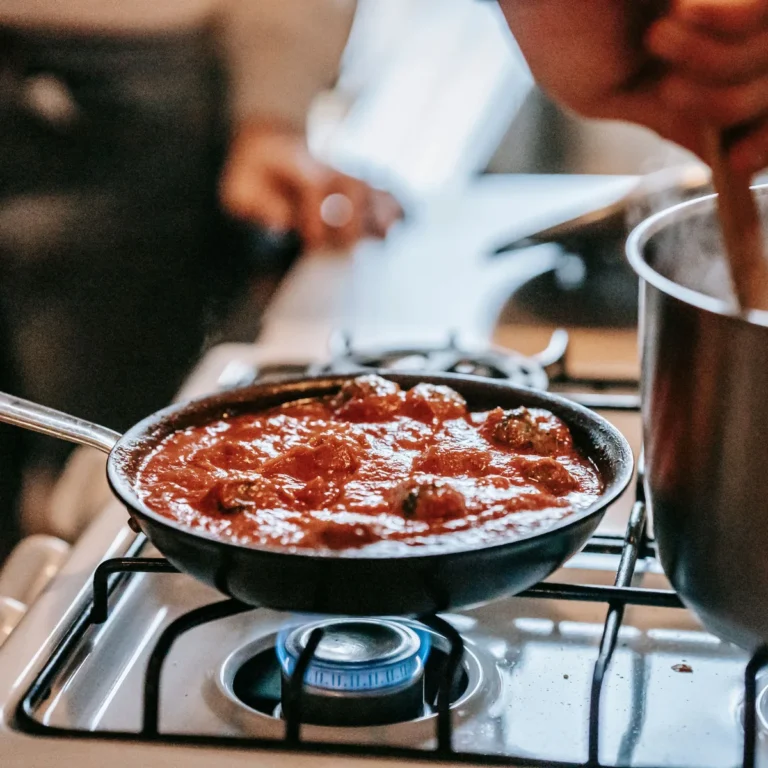
Turkey meatballs, zucchini build. Soft texture. Grated squeezed zucchini worked through the mix keeps them tender at 165F, and ten extra minutes simmered in tomato sauce softens them a grade further.
Chicken and white bean stew. Soft texture. Thigh meat and counted white beans simmered until both yield. Two proteins layered in one bowl, and it freezes in single portions without complaint.
Fish and Seafood
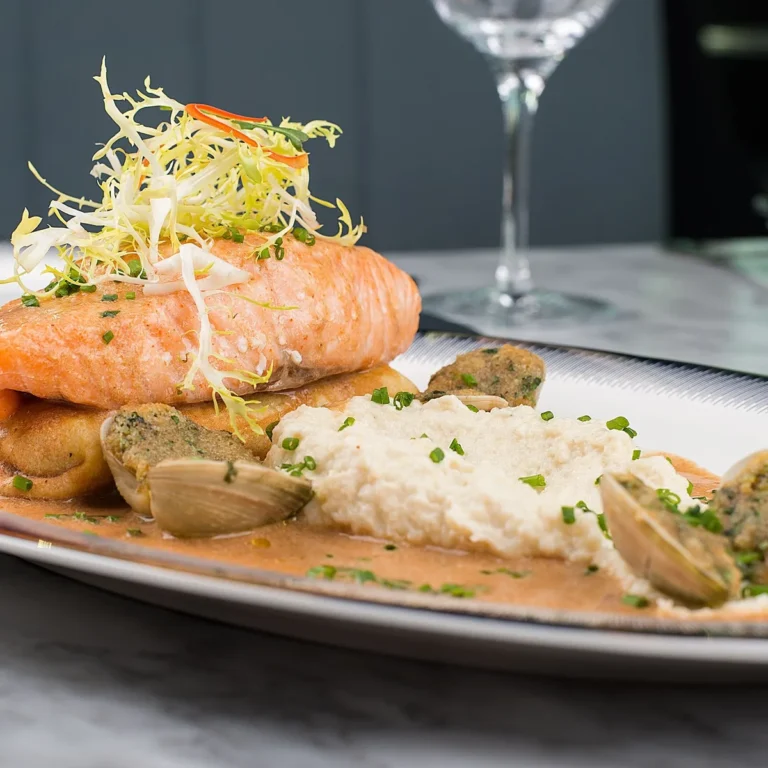
Baked salmon, pulled early. Regular texture, naturally tender. The rule from diabetic baked salmon green beans: out of the oven while the center still looks slightly translucent, about 125F, finished by its own heat. Salmon overcooked is the fastest way to waste the best protein in the case.
Poached cod in tomato sauce. Soft texture. Cod simmered its final eight minutes directly in a soft pepper and tomato sauce. Fish poached in sauce cannot dry; this is the most forgiving fish recipe we know how to write.
Tuna and white bean salad. Soft texture. Tuna, counted white beans, lemon, olive oil, parsley. No heat, real protein, and the beans make it a meal instead of a snack.
Shrimp, ninety second rule. Regular texture. Seared ninety seconds a side to an opaque C shape, per the full method at diabetic shrimp recipes. Shrimp is protein at sprint speed; the C-to-O window is the whole skill.
Beans and the Plant Bench
Red lentil puree with lemon. Smooth texture. The diabetic red lentil soup blended fully and strained. Lentils bring protein and body in the same spoon, which is why they anchor the smooth category’s savory end.
White bean and tomato stew. Soft texture. Beans simmered with garlic and oregano until creamy, a parmesan rind in the pot if you have one. The cheapest protein on this page, and it does not taste like a compromise.
The Powder Paragraphs, Kept Honest
Protein powder has a place in real post-surgical kitchens, and this section’s policy on it is stated plainly on the bariatric recipes pillar: powder recipes publish full cards with no nutrition numbers, because powders vary so much by brand, in protein and in carbohydrate per scoop, that any single figure we printed would be wrong for most readers’ actual tubs. The note under each of those cards says exactly that and points you to your own label.
What this page adds is the ratio: powder builds are a minority here by design. The whole-food recipes above carry full USDA-calculated cards, better texture, and better eating, and they are the base this section builds on. When a powder recipe earns its place, cold blends and set puddings mostly, it will say what it is and never pretend to numbers it cannot verify.
The Quiet Doubling: Two Proteins per Plate
The move that raises this page’s numbers without raising its volume is pairing proteins inside one dish, and half the recipes above already do it if you look. The ricotta scramble is eggs plus dairy. The cottage cheese egg salad is dairy plus eggs from the other direction. The chicken and white bean stew layers poultry over legumes, the tuna and white bean salad does the same with fish, and the egg bites ride on blended cottage cheese from the start. The technique point is that the second protein almost always enters as texture rather than as more food: ricotta folds in as creaminess, beans blend in as body, cottage cheese disappears into custard. Nothing on the plate gets bigger; the card’s protein line does. When you build your own dishes, the pairing shortlist is short and reliable: eggs with any dairy, poultry with any legume, fish with beans or yogurt-based sauces. The one pairing that underdelivers is meat on meat, which raises toughness faster than it raises anything else. And the arithmetic stays honest the way it always does here: both proteins appear on the card at their real values, because the quiet doubling is a cooking technique, not an accounting trick.
The Full Recipes, With Cards
Every build named on this page has a complete recipe with its own USDA-calculated card, protein stated per serving: bariatric egg bites, bariatric blended chicken soup, bariatric poached cod in tomato sauce, bariatric turkey meatballs, bariatric ricotta custard cups, bariatric whipped cottage cheese and bariatric braised tofu with edamame, which is the plant entry and carries the best protein-to-carbohydrate ratio in the collection. The three powder builds, bariatric protein shake, bariatric protein pudding and bariatric protein baked oats, publish full method cards with no nutrition numbers, for the reason stated above.
How the Numbers Work
Every whole-food card carries nutrition calculated ingredient by ingredient from USDA FoodData Central, protein stated per serving, sources archived, per our editorial policy. The number this page will never print is a daily protein target, because that is a clinical figure your program sets for you personally. Cards are inputs to that conversation, not replacements for it; the resources at asmbs.org and your own team own the plan.
FAQ
How much protein should I eat per day? Your surgical program sets that number, and this page deliberately does not. What we publish is accurate per-serving protein on every whole-food card, so the plan your team gives you runs on honest inputs.
Is whole food really better than powder? For most meals, yes: better texture, better satisfaction, and numbers we can actually verify against USDA. Powder wins specific jobs, cold and blended mostly, and the policy above keeps it honest when it appears.
Which recipes here are gentlest in texture? The smooth-labeled entries: egg bites, whipped cottage cheese, ricotta bake, red lentil puree. Whether a texture fits your current guidance is your team’s call; the labels describe the food, they do not clear it.
What is the best protein for meal prep? Poached chicken and salsa chicken tie: both hold four days refrigerated in their liquid and freeze flat in portions. The egg bites own breakfast for the same reason.
Where should a beginner start? Whipped cottage cheese, tonight, five minutes. It teaches the blender habit that half this page depends on, and it makes the case for the ingredient this section leans on hardest.
Where to Go Next
The full texture-grouped collection is at bariatric diet recipes, the low-effort bench at easy bariatric recipes, and the section’s rules and roadmap at the bariatric recipes pillar. A worked, no-cook single from this bench is bariatric cottage cheese salad.
More recipes to try
Written by Frank Thomson, Skillet & Spoon editorial. Every nutrition figure on this site is calculated ingredient by ingredient from the USDA FoodData Central database, never estimated and never rounded to look better. We do not publish net-carb figures or use non-nutritive sweeteners. How we develop and source recipes is set out in our editorial policy.