14 Bariatric Chicken Recipes That Stay Genuinely Moist
Bariatric chicken recipes have one enemy and everyone who has eaten around surgery knows its name: dry. Chicken is this section’s workhorse protein, cheap, lean and endlessly flexible, and it is also the protein most likely to arrive at the table as sawdust, because the habits that dry it out are the default habits of American home cooking. This page replaces them. Fourteen recipes, every one built on a moisture technique, poaching, braising, shredding into liquid, gentle ovens, textures labeled from smooth through regular so the food matches whatever your team has you cooking toward.
This is the chicken bench of our bariatric diet recipes collection; the section’s rules live at the bariatric recipes pillar.
The Two Numbers and the One Habit
Breast is done at 165F and starts drying immediately past it, so it leaves the heat at 160F and coasts up during a five minute rest. Thighs are a different animal: tolerable at 165F, genuinely silky at 175F where the connective tissue lets go, and far more forgiving of error in between. The habit that outranks both numbers is the thermometer itself, ten dollars, through the side of the meat. In a section where dry chicken is the recurring villain, the thermometer is not equipment, it is policy.
Smooth and Shredded
Blended chicken soup. Smooth texture. Poached thighs blended into their own strained broth with soft-cooked onion, per the blender rules at bariatric puree recipes. Thigh blends rich; breast blends pasty; the choice is the recipe.
Salsa chicken. Soft texture. The two-ingredient method at diabetic salsa chicken: four hours on low, shredded in the pot, rested ten minutes in its liquid until the shreds go glossy. The four hour timer is the whole recipe; hold it there, because past that the braising liquid cooks away and the shreds have nothing left to reabsorb.
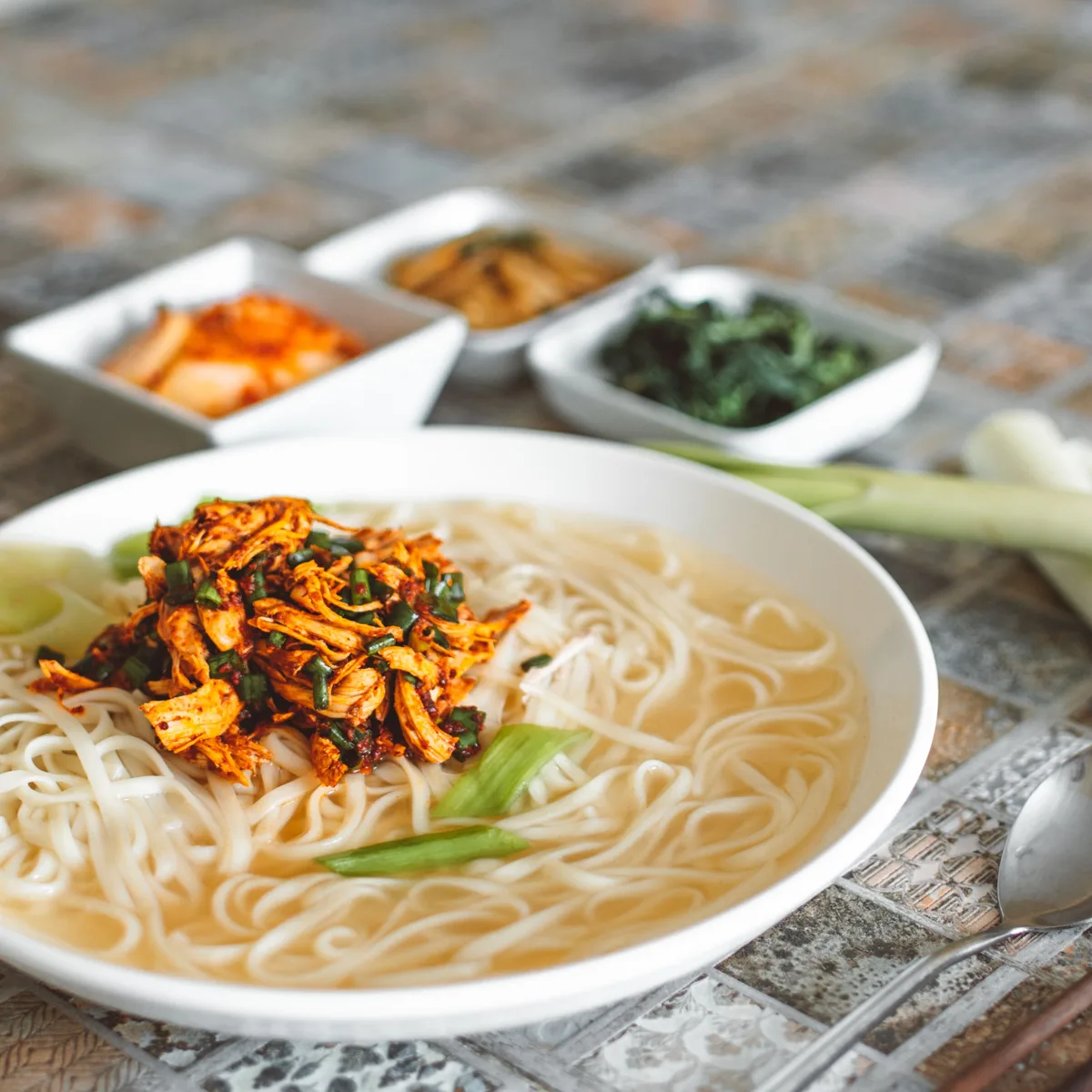
Plain poached and shredded chicken. Soft texture. Salted water at a lazy shimmer, breasts pulled at 160F, shredded back into a ladle of the poaching liquid. Deliberately blank on purpose: this is the week’s base for salads, soups and small bowls.
Chicken salad, soft build. Soft texture. That poached chicken chopped fine and folded with Greek yogurt, a little Dijon and minced celery. The knife does the texture work; mince, do not chunk.
Braised and Sauced
Mustard yogurt chicken thighs. Soft texture. Thighs braised gently in stock, Dijon and Greek yogurt stirred in off the heat, where it enriches instead of splitting. The off-the-heat rule is the recipe’s entire risk, so it is written twice.
Chicken tinga-style, gentle build. Soft texture. Shredded chicken folded into a blended tomato and mild chipotle sauce, labeled honestly as our gentled adaptation of the Mexican original. Start with half a chipotle; blended heat grows as it sits.
Chicken and white bean stew. Soft texture. Thighs and counted white beans simmered until both yield completely. Two proteins, one pot, freezes in single portions without complaint.
Slow cooker chicken and vegetable soup. Soft texture. Thighs cooked low until they shred themselves, carrots and celery fully tender. Blend half the pot and one vessel serves two textures, this section’s favorite arithmetic.
Chicken cacciatore, soft version. Soft texture. Thighs braised long with mushrooms, peppers and tomato until fork-yielding. Dry-sear the mushrooms first until they squeak; wet mushrooms dilute every braise they enter.
Oven and Skillet, Regular Texture
Baked chicken meatballs. Ground chicken with grated squeezed zucchini, baked to 165F, then simmered ten minutes in tomato sauce, which softens them a full grade and doubles as the serving sauce.
Sheet pan thighs with charred cabbage. Thighs to 175F center-pan, cabbage wedges charring at the edges. Thighs forgive the sheet pan’s imprecision in a way breast never will.
Lemon poached chicken breast, warm. The poaching method served as dinner: shimmer, 160F, rest, sliced against the grain with the lemony liquid spooned over. Against the grain matters; with the grain chews stringy at any temperature.
Skillet chicken in tomato pepper sauce. Cutlets seared briefly, then finished by simmering in a soft pepper and tomato sauce. The simmer finish un-dries what the sear risked, which is the pattern this whole page keeps repeating.
Chicken and ricotta bake. Thin cutlets under a ricotta and parmesan layer, baked covered so the top stays soft. Covered is the point: the trapped steam keeps the ricotta soft instead of setting it into a browned crust, the anti-gratin move.
Storage, Reheating and the Fork-Press Check
Chicken’s dryness risk doubles in the fridge, so the storage rules are strict. Everything shredded or poached stores in its liquid, always; the liquid is the difference between day-three silk and day-three string. Reheat covered and gentle with a spoonful of that liquid, never naked on full microwave power. And before anything reaches the table twice, run the fork test from our bariatric soft food recipes page: press with the side of a fork, and if it resists, five more gentle covered minutes. Frozen, everything here banks flat in portions for three months, labeled with name and date, because the freezer that saves you is the one you can read.
Four Directions for the Plain Poached Base
The deliberately blank poached chicken above is a base, and bases deserve a flavor bench, so here are four directions worth keeping, each two minutes of work per portion. Yogurt dill: Greek yogurt, lemon, minced dill and a little garlic, folded through cold shreds for the gentlest chicken salad this page knows. Tomato cumin: a ladle of tomato sauce warmed with bloomed cumin, shreds folded in and warmed through covered, which eats like a stew that took an afternoon. Lemon parsley: warm shreds tossed with olive oil, lemon juice off the heat, chopped parsley and a pinch of salt, the brightest of the four and the best beside soft vegetables. And the mild tinga direction: the gentled chipotle tomato sauce from the braise section, applied by the spoonful to a single portion rather than committed to a whole pot. The pattern to steal is the ratio of effort: one gentle poaching session, then flavor decided portion by portion at serving time, which means one Sunday pot eats four different ways without a single reheat drying anything out. Every sauce lands on the card at its true values where it appears, and the acid-off-the-heat rule holds in all four directions.
How the Numbers Work
Recipe cards in this section carry nutrition calculated ingredient by ingredient from USDA FoodData Central, protein stated per serving, sources archived, per our editorial policy. Portions and daily targets stay with your program and the resources at asmbs.org; the cards keep the arithmetic honest for that conversation.
FAQ
Breast or thigh for this section? Thigh, most of the time, and unapologetically: more moisture, more forgiveness, better blending, better braising. Breast earns its place poached and rested, where its leanness stops being a liability.
Why does my chicken always come out dry? High dry heat plus no thermometer plus no rest, in some combination. Every recipe above replaces at least one of those habits, and the poached-and-rested method replaces all three at once.
Which of these work for the softest textures? The blended soup outright, and the salsa chicken, poached shreds and chicken salad sit at the gentle end of soft. Whether any of them fits your current guidance is your team’s call; labels describe, they never clear.
Can I use rotisserie chicken? For the shredded and salad builds, yes, with two notes: store-bought birds run salty and sweet-rubbed, so taste before seasoning, and the card numbers reference our poached version, not a seasoned bird.
What should I cook first? The plain poached chicken, because it banks the week: chicken salad Monday, soup Wednesday, small warm bowls in between, all from one gentle pot.
Where to Go Next
The soft-texture technique file is at bariatric soft food recipes, the whole-food protein bench at high protein bariatric recipes, and the section starts at the bariatric recipes pillar. A fully worked single from this bench, with the USDA card, is bariatric blended chicken soup.
Written by Frank Thomson, Skillet & Spoon editorial. Every nutrition figure on this site is calculated ingredient by ingredient from the USDA FoodData Central database, never estimated and never rounded to look better. We do not publish net-carb figures or use non-nutritive sweeteners. How we develop and source recipes is set out in our editorial policy.