Bariatric Blended Chicken Soup, Silky Not Gritty
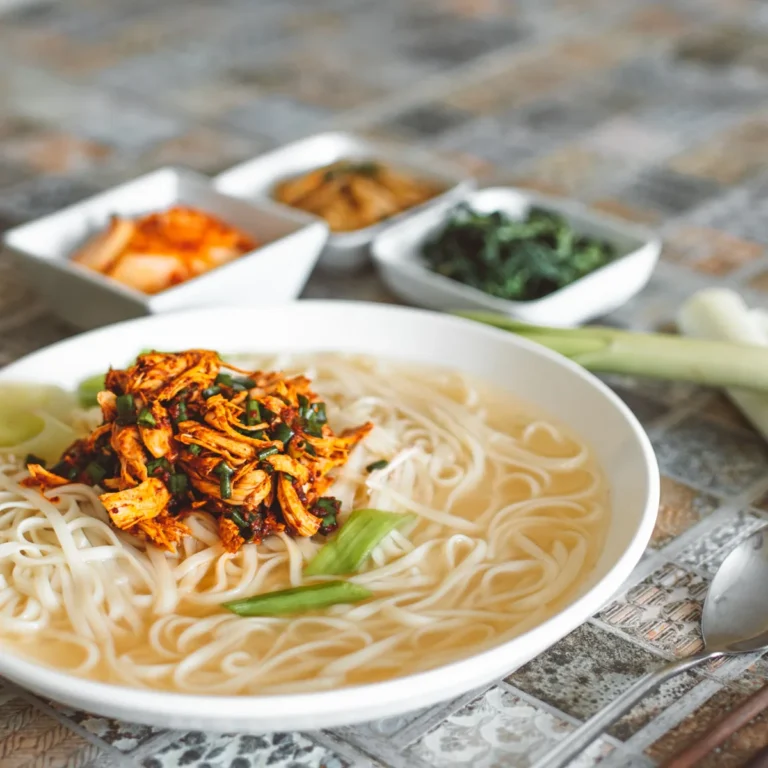
Bariatric blended chicken soup is the reference recipe for this section’s smooth category, and it exists to prove a point: blended food is a soup course, not a punishment, when the technique is right. The pot below runs on thigh meat rather than breast, blends ninety seconds past what looks finished, and gets seasoned at the end rather than the start. Those three decisions separate silky from gritty, and the card carries the USDA-calculated numbers with protein stated per serving.

Ingredients
Method
- Soften the onion and carrots in the oil over medium heat, about 8 minutes, until the onion turns translucent and the carrot edges give.
- Add the garlic for 30 seconds, then the chicken thighs, broth and salt.
- Bring to a bare simmer, never a boil, and cook covered 30 minutes until the thighs shred at a fork.
- {‘Blend in batches while hot’: “fill the jar no more than halfway, remove the lid’s center cap, and cover the gap with a folded towel. Blend each batch a full 90 seconds past when it looks smooth.”}
- Pass the blended soup through a fine mesh strainer, pushing with a spatula, for the silkiest result.
- Taste and season now, not before. Blending mutes salt, so the pot needs its final adjustment here.
Why This Recipe Works
- Thigh meat blends rich where breast blends pasty. Dark meat carries enough fat and collagen to emulsify into the broth; blended breast turns chalky no matter how long the blades run.
- Blade time substitutes for blade quality. Ninety seconds past looks-smooth closes most of the gap between an expensive blender and an ordinary one, and the strainer closes the rest.
- Seasoning after blending is not optional. Blades mute salt and acid reliably, so a pot seasoned before the jar arrives at the table tasting flat regardless of how much went in.
Ingredient Notes
The chicken. Boneless skinless thighs, and this is the one recipe in the silo where the cut is genuinely non-negotiable. Breast blends pasty and slightly grainy, and more blending does not fix it: the muscle is lean and low in connective tissue, so once its fibres are shortened by the heat there is neither fat nor gelatin in the pot to carry them into a smooth suspension. Thigh has both, which is also why it stays tender across a wide simmer window where breast has a narrow one.
The vegetables. Carrots and onion, chopped roughly because they are going into a blender anyway. Their job is body and background sweetness rather than presence, which is why nothing here needs knife work worth the name.
The broth. Six cups, and using real broth rather than water is what separates this pot from a diluted one. The card counts USDA’s ready-to-serve entry; homemade broth from a previous roast is better and its numbers will differ slightly.
The salt. One teaspoon into the pot, then a real seasoning pass at the end. The first teaspoon seasons the chicken as it cooks; the final pass seasons what the blender flattened.
The Method, In Short
The card carries the steps. The shape is soften, simmer, blend, strain, season. The simmer stays at a bare tremble rather than a rolling boil, because boiled chicken tightens and the whole point of this pot is meat that surrenders into the broth.
The blending stage is where kitchens get hurt, so the safety rule is worth repeating in full: hot liquid in a sealed full jar builds steam pressure and blows the lid off, so fill the jar halfway at most, pull the center cap from the lid, and drape a folded towel over the gap. Every kitchen learns this exactly once and it is better learned here.
The strainer is thirty seconds and it is the difference between smooth and actually silky. Push the blended soup through fine mesh with a spatula and what stays behind is precisely the fiber your tongue would have found.
Storage and the Cube Bank
This pot is the founding deposit in the freezer bank this section runs on. Portion it into ice cube trays, freeze solid, bag the cubes flat, and label with name and date. Two or three cubes warm in a small pan in about two minutes, which turns a single cooking session into weeks of single servings with no bowl eaten four days running out of obligation.
Refrigerated it holds four days. Reheat low with frequent stirring, or at half microwave power in short bursts with stirs between, because blended textures show every hot spot the way clear broths never do. Re-taste for salt and add a squeeze of lemon after reheating; the fridge mutes both, and thirty seconds of adjustment brings a day-three cube back to cooked-today.
Straining and Serving Temperature
Straining is worth the thirty seconds because a blender cannot break everything. Carrot holds insoluble fibre in bundles that shear into short fragments rather than dissolving, so they stay suspended as fine grit no matter how long the motor runs. A mesh catches them, and what stays behind is the difference between smooth and properly smooth.
Serving temperature does seasoning-level work here. Blended food has no texture contrast to fall back on, so a bowl served lukewarm reads flat where the same bowl served hot enough to steam reads full. Serve the savory pots properly hot, never lukewarm, which is where blended food earns the reputation the smooth category is stereotyped for.
FAQ
Which texture is this? Smooth as written, fully blended and strained. Whether smooth is your current assignment is a question for your surgical team; the label describes the food and never clears it.
Can I use chicken breast? You can, and we would not. Blended breast is noticeably pasty against blended thigh, and the cut is the single biggest variable in how this recipe turns out. If breast is what you have, expect a thinner, chalkier pot and lean harder on the strainer.
Do I need a high-end blender? No. Blade time and the strainer close most of the gap, per the equipment reasoning at pureed diet recipes. An immersion blender works too, with one caveat: it plateaus sooner, so strain its output without exception.
My soup tastes flat. What happened? Seasoned before blending rather than after, most likely, or served below steaming. Fix the seasoning order first; seasoning before the blades instead of after is the most common cause of a flat blended soup.
How do I get variety out of one pot? Warm two different cubes together, per the bank logic at bariatric meal prep ideas, or finish individual bowls differently: a yogurt swirl, a few drops of chili oil, fresh herbs. The garnish bar at bariatric soup recipes turns four soups into a dozen bowls.
Where to Go Next
The full blender technique file is at bariatric puree recipes, the rest of the soup bench at bariatric soup recipes, and the section starts at the bariatric recipes pillar.
Written by Frank Thomson, Skillet & Spoon editorial. Every nutrition figure on this site is calculated ingredient by ingredient from the USDA FoodData Central database, never estimated and never rounded to look better. We do not publish net-carb figures or use non-nutritive sweeteners. How we develop and source recipes is set out in our editorial policy.