14 Diabetic Vegetarian Recipes With a Working Backbone
Diabetic vegetarian recipes sit at an intersection most recipe sites handle badly from both directions. The vegetarian sites lean on white pasta, white rice and sweetened sauces; the low carb sites lean on meat. This page builds from the ingredients both camps underuse: eggs, real dairy, beans and lentils counted honestly on every card, nuts, tofu treated with actual technique, and vegetables cooked like they are the point, because here they are.
A word on beans, since they are the honest tension in this intersection. Beans and lentils carry carbohydrates and they carry them alongside fiber and protein, and every card below states those numbers in full from USDA data. This page neither hides legumes nor pretends their arithmetic away; it counts them and lets you and your care team decide their place. That is the same deal the pasta and bread pages run, applied to the vegetarian pantry.
The Protein Bench
Eggs are the fastest tool on the bench and appear here well past breakfast. Greek yogurt, cottage cheese, ricotta and real cheeses bring body and satiety and are counted at true values. Beans and lentils are the pantry’s backbone, canned and rinsed for weeknights, counted always. Tofu and tempeh reward technique and punish its absence, and the technique is below. Nuts and seeds finish plates and thicken sauces. Nothing on this bench is imitation meat; the crumbles and patties of the freezer aisle carry labels this site cannot verify against USDA entries, so they do not get cards, per the same policy that runs everything else here.
Skillets and Stovetop
Shakshuka, 30 minutes. Eggs poached in a pan sauce of tomato, peppers, cumin and paprika. Make wells with a spoon, crack the eggs in, lid on for five minutes: whites set, yolks loose. It works as dinner more often than breakfast.
Black bean tacos with charred corn tortillas, 25 minutes. Seasoned black beans mashed rough, corn tortillas charred directly over the burner flame until spotted, cabbage and lime over. The char is the recipe; a steamed tortilla makes a different, sadder taco. Tortillas and beans both counted plainly.
Paneer and pepper skillet, 25 minutes. Cubed paneer seared until golden, peppers and onion, garam masala, a spoon of yogurt off the heat. Paneer holds its shape under heat like no other cheese; the sear is what separates it from squeak.
Crispy tofu with charred cabbage, 30 minutes. The tofu technique in full: extra-firm, pressed twenty minutes under a plate, torn into rough chunks rather than cubed, tossed in cornstarch by the counted spoon, seared undisturbed. Torn edges crisp where knife cuts stay smooth, and pressing is the difference between crisp and steam.
Zucchini and white bean skillet, 20 minutes. Salted, blotted zucchini seared hard, white beans warmed through with garlic and rosemary, lemon over, parmesan grated at the pan. The page’s fastest full dinner.
Egg fried cauliflower rice, 20 minutes. The dry-toast method from our low carb diabetic chicken recipes page, meatless: cauliflower toasted in a dry pan, eggs scrambled at the edge, scallion, soy, sesame.
Soups and Stews
Red lentil soup with lemon, 40 minutes. Red lentils collapse into a rough puree on their own, with cumin, carrot and a full lemon’s juice at the end. The lemon is not garnish; it is the seasoning that makes the pot taste finished.
Chana masala-style chickpea stew, 45 minutes. Chickpeas simmered in tomato with ginger, garlic and toasted spices, labeled as our weeknight adaptation of the Indian original. Bloom the spices in oil until fragrant before the tomato enters, or the pot tastes flat and raw.
Minestrone, 50 minutes. The chop bin, crushed tomato, white beans, zucchini late, a parmesan rind from hour zero, and a measured handful of whole wheat pasta shells, counted on the card. The rind trick from the pasta pantry works its same quiet magic here.
Mushroom and barley soup, 60 minutes. Dry-seared mushrooms, counted pearl barley, thyme, stock. The mushrooms must brown alone first, in batches, and the barley is stated plainly at its real values; chew and depth are what it buys.
Bowls and Bakes
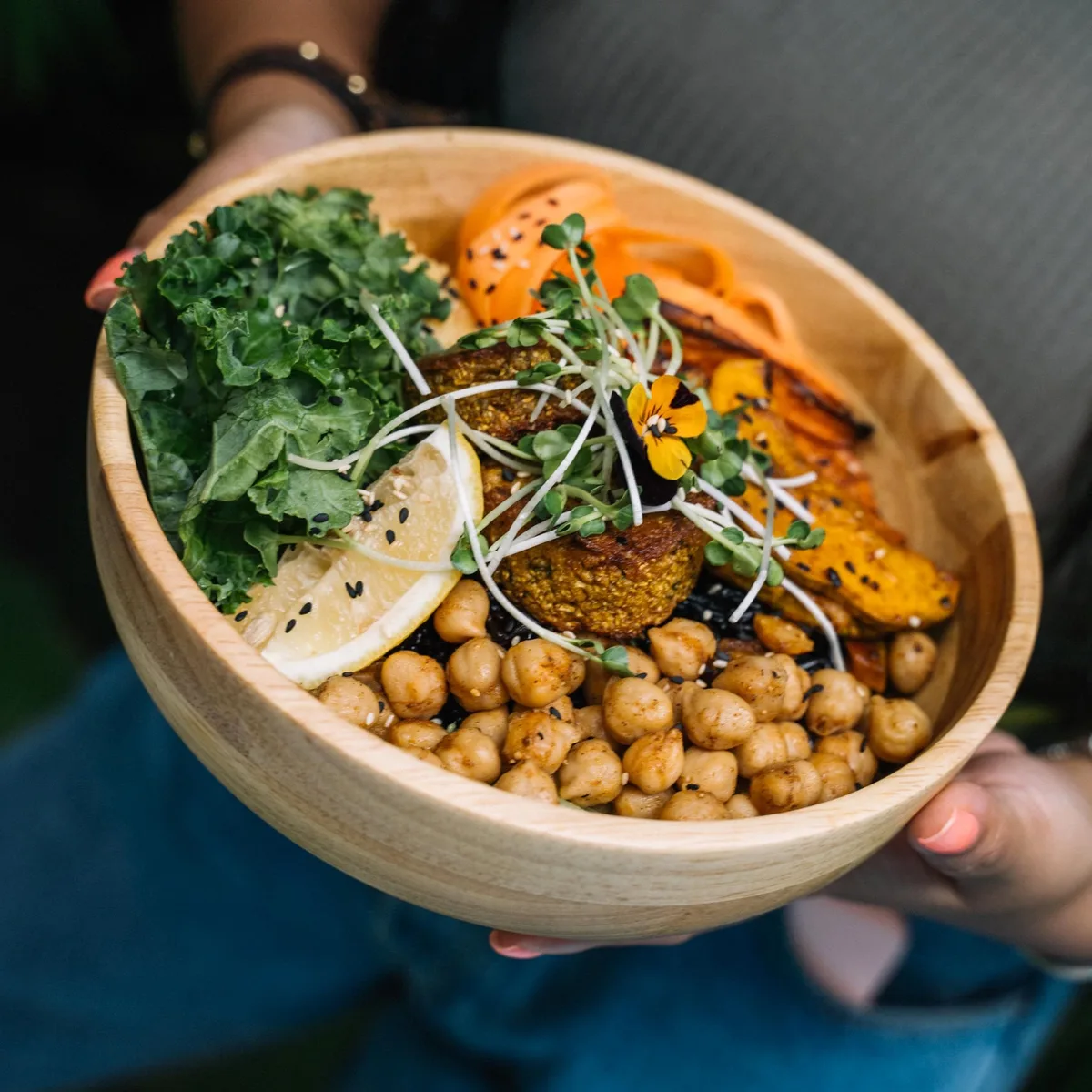
Chickpea salad bowl, 15 minutes. Rinsed chickpeas, cucumber, tomato, red onion, feta, oregano vinaigrette measured by the spoon. No cooking, four days of meal prep holding power, and the dressing rule from the burger page applies: the spoon is stated because the pour is where bowls drift.
Eggplant parmesan, honest build, 75 minutes. Eggplant planks salted thirty minutes, blotted hard, roasted at 425F until collapsing, then layered with marinara, ricotta and mozzarella, no breading. Roasting replaces frying and the salt-and-blot is structural; skipped, the bake floods. The breadless version is labeled as our adaptation, not the classic.
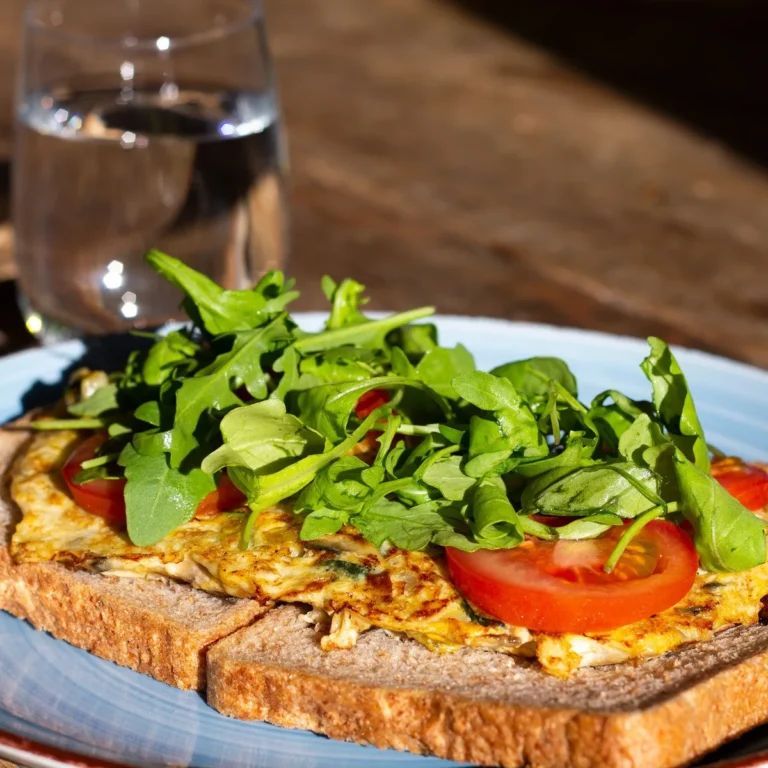
Crustless vegetable quiche, 55 minutes. Eggs, cottage cheese blended smooth, sauteed peppers and spinach squeezed dry, baked at 350F until the center barely jiggles. Cottage cheese outperforms cream here and the card is happy to explain why in numbers.
Stuffed portobello caps, 40 minutes. Roasted gill-up and blotted per the burger page’s rule, filled with spinach, white beans and parmesan, finished under the broiler. The blot is what keeps the filling out of a puddle.
The Spice Shelf That Makes It Work
Meatless cooking leans harder on the spice shelf than any other page in this section, because the savory depth meat brings for free has to be built on purpose. Five jars do most of it here: cumin, smoked paprika, garam masala, dried oregano and chili flakes. The technique matters as much as the list, and it is the same one everywhere it appears: ground spices bloom in hot oil for thirty seconds before liquid enters, until fragrant, never until smoking. Raw spice stirred into a finished pot tastes dusty and thin; the same spoonful bloomed tastes like the dish was planned.
Three more savory levers earn their place. Tomato paste, browned in the pan for a minute before the crushed tomatoes arrive, deepens every red-sauced dish above. The parmesan rind, simmered in any soup, is savory depth at zero marginal cost. And properly browned mushrooms and onions, cooked past pale into real color, are the vegetarian kitchen’s answer to the browning rule that runs the beef page. None of this is exotic; all of it is the difference between meatless food that satisfies and meatless food that explains itself.
How the Numbers Work
Every card counts its complete plate ingredient by ingredient from USDA FoodData Central, source entries archived, per our editorial policy. Total carbohydrates and fiber are stated separately, never as a net figure. Beans, lentils, barley, tortillas and the minestrone’s pasta all appear at their true values, and the imitation-meat aisle stays off the cards because its labels cannot be verified against the database this site calculates from.
Why Tearing and Pressing Beat the Shortcuts
Two techniques on this page reward the extra step for a physical reason you can feel in the pan. Tofu is torn rather than cubed because a ragged face has more surface area than a smooth knife cut, so it grips the cornstarch and crisps where a clean cube stays slick. Pressing comes first because tofu is mostly water held in a loose curd, and water on the surface steams instead of frying, so an unpressed slab cannot crisp until that moisture is gone. The eggplant runs the same logic in reverse: its thirty minute salt draws out the water that would otherwise flood the bake, so the salt is not a delay to skip but the step that lets the dish set instead of weep. These minutes are not saved by skipping them, only relocated to a wetter plate.
FAQ
Is this page fully vegetarian? Yes, lacto-ovo vegetarian throughout: eggs and dairy appear, meat and fish do not. Parmesan buyers who avoid animal rennet should look for cheeses labeled with vegetarian rennet, which the card’s numbers cover identically.
Why no meat substitutes? Because their nutrition labels cannot be verified against the USDA database this site calculates from, and unverifiable numbers do not get published here. Beans, eggs, dairy and tofu carry the protein instead, with arithmetic we can stand behind.
Are beans really fine on a page like this? Beans are food with real numbers, and the cards state them in full, fiber separate, nothing netted. What their numbers mean for your day is exactly the conversation this site keeps referring to you and your care team, on purpose.
What here works for meal prep? The chickpea bowl, both lentil and barley soups, the chana masala and the quiche all hold four days refrigerated. The tofu and the tacos do not store crisp; eat those the night they happen.
Which recipe first? Shakshuka. Thirty minutes, one pan, pantry ingredients, and it recalibrates what eggs-for-dinner means before the rest of the page asks you to take the bench seriously.
Where to Go Next
The technique library these builds borrow from lives at low carb diabetic chicken recipes and diabetic pasta recipes, and the whole section starts from the diabetic recipes pillar.
More recipes to try
Written by Frank Thomson, Skillet & Spoon editorial. Every nutrition figure on this site is calculated ingredient by ingredient from the USDA FoodData Central database, never estimated and never rounded to look better. We do not publish net-carb figures or use non-nutritive sweeteners. How we develop and source recipes is set out in our editorial policy.