22 Mexican Side Dish Recipes That Finish the Plate
Mexican side dish recipes are the difference between “we had tacos” and “we had dinner”. The main dish gets the attention, but the rice, the beans, the charred corn and the pickled onions are what make a plate feel complete, and they are where most home cooks quietly struggle. Mushy rice and bland beans have ruined more taco nights than any protein ever has.
So this list starts with the two sides that anchor every plate, fixes the way they usually go wrong, and then goes wide.
The Rice, Fixed Permanently
Mexican red rice, 35 minutes. The method is the recipe: rinse the rice, dry it, then toast it in oil over medium heat until it smells nutty and turns opaque, a full five to seven minutes, before any liquid enters the pan. Then blended tomato, onion and garlic, broth, lid on, low heat, no stirring, eighteen minutes plus ten off the heat. Toasting is what keeps every grain separate; skipping it is why homemade Mexican rice turns to porridge, exactly as the pillar warns.
Cilantro lime rice, 25 minutes. Plain rice, lime juice and zest, a pile of cilantro folded in with a fork. The zest carries more flavor than the juice; use both.
Arroz verde, 35 minutes. The red rice method with a green blend instead: poblano, cilantro, a little spinach. Same toasting rule, no exceptions.
Beans Three Ways
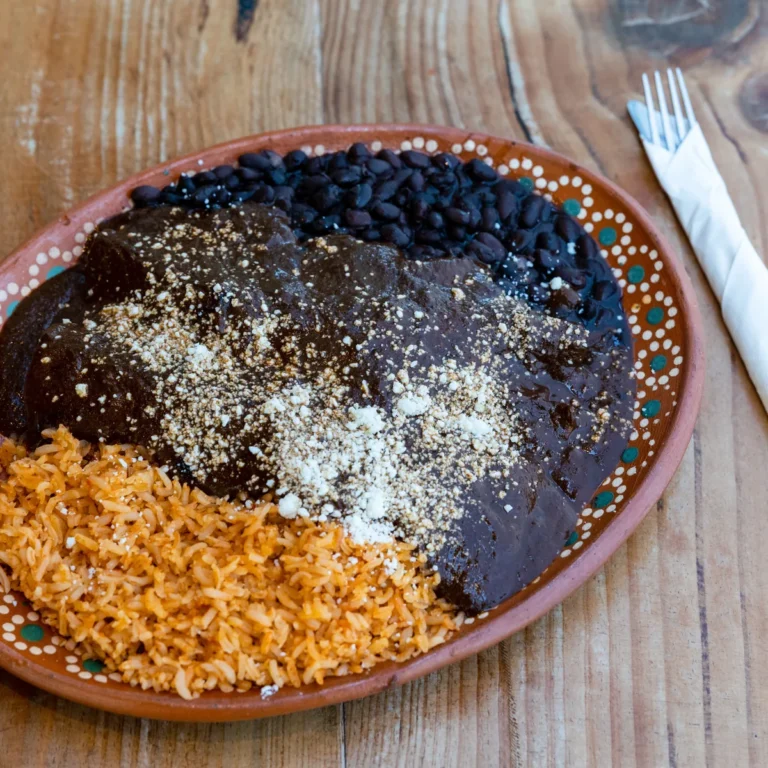
Frijoles de la olla, 2 hours mostly unattended. Dried beans simmered with onion, garlic and salt until creamy, served brothy. The gateway to understanding why people bother with dried beans: the broth alone outclasses anything from a can.
Refried beans, 20 minutes from cooked beans. Cook the aromatics in the fat first, mash the beans into them, then loosen with bean liquid a splash at a time, never water. Canned beans work here; their liquid does too.
Borracho beans, 1 hour from canned. Pintos simmered with bacon, tomato, jalapeno and half a cup of beer. The alcohol cooks off, the depth stays. Full pots of beans in every style live in our mexican black bean recipes collection.
Corn: Elote, Esquites and Beyond
Elote, 20 minutes. Corn on the cob charred dry on a grill or comal, then dressed with mayo, cotija, chili powder and lime. Char first, dress second; dressing a raw-ish cob is the common mistake, and the char is the flavor.
Esquites, 20 minutes. The same flavors off the cob in a cup, which makes them fork-friendly for a table. Toast the kernels hard in a dry skillet until some pop and brown.
Mexican street corn salad, 25 minutes. Esquites scaled up with black beans and avocado, sturdy enough to sit on a buffet for an hour without complaint.
Charred corn with poblano crema, 25 minutes. Blistered kernels folded into roasted poblano and crema. Roasting the poblano before it meets the crema drives off its raw grassy edge, so the crema carries smoke instead.
Vegetables That Earn Their Place
Calabacitas, 20 minutes. Zucchini, corn and tomato with a little cheese melted through, the answer to summer squash surplus. High heat and a crowded-pan warning: cook in two batches or the zucchini steams into mush. The deeper dive is in mexican squash recipes.
Rajas con crema, 25 minutes. Roasted poblano strips in cream. Rich enough to make plain grilled chicken feel like a restaurant plate.
Nopales salad, 20 minutes. Cactus paddles boiled briefly, then dressed with tomato, onion and cilantro. If your grocery stocks jarred nopales, rinse them well and skip the boil.
Roasted chayote, 30 minutes. Wedges at 425F with chili and lime. Mild, cheap, and a fresh face for the vegetable rotation.
Grilled spring onions, 10 minutes. Cebollitas, charred whole beside whatever else the grill holds, finished with lime and salt. The easiest side on this page.
Quick Pickles and Salsas as Sides
Pickled red onions, 10 minutes active. Sliced onion in lime juice and salt turns pink and sharp within an hour, and keeps a month refrigerated. They cut through rich braises and greasy tacos like nothing else; we consider them mandatory next to carnitas.
Escabeche, 30 minutes. Pickled jalapenos with carrots and cauliflower, the taqueria jar recreated. It matures over three days and lasts six weeks.
Guacamole and charred salsa. Both are sides in practice, both are covered properly in the pillar’s building block section, and both belong on any full spread.
Building a Full Plate
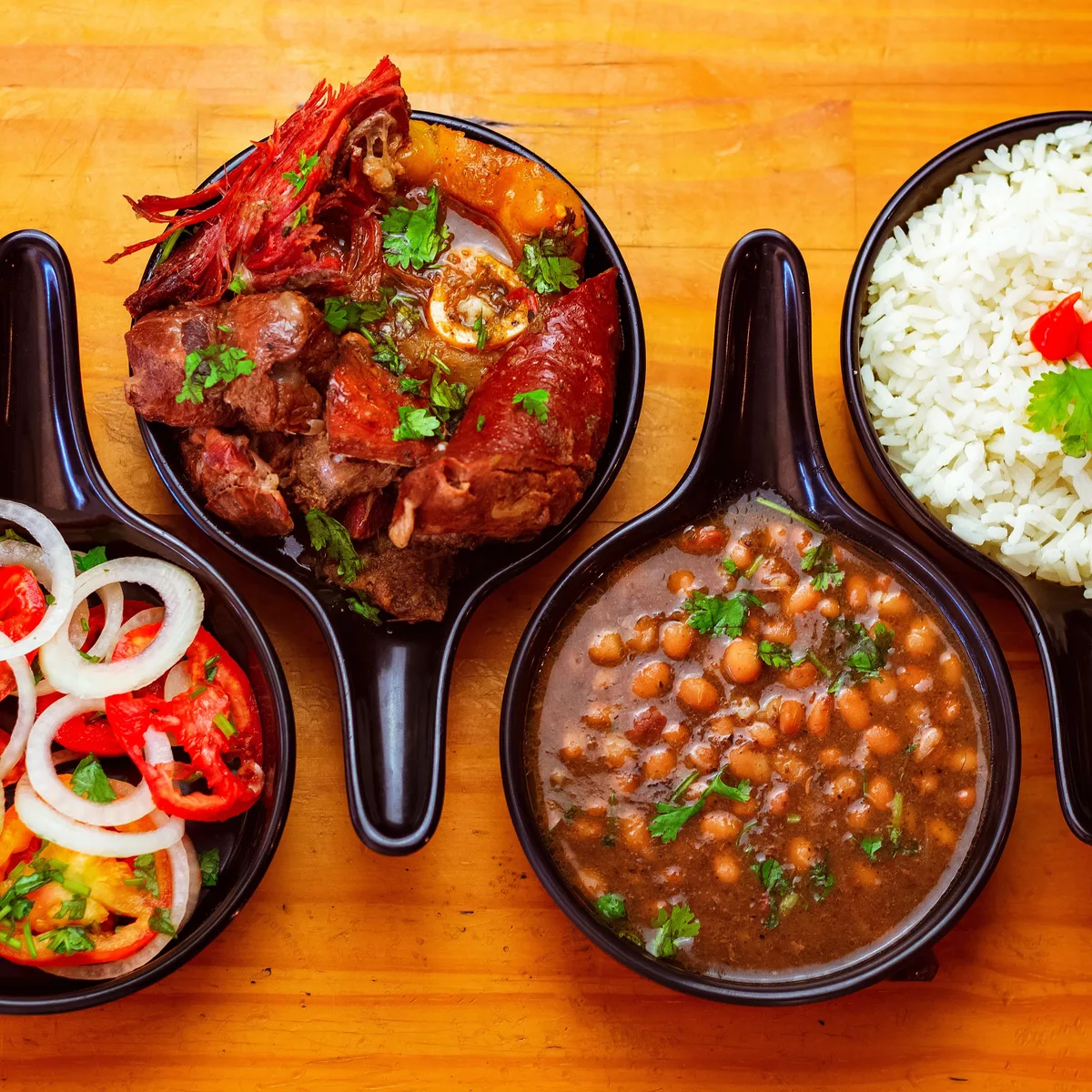
The formula that never misses: one protein, one starch, one vegetable, one sharp thing. Salsa chicken, red rice, calabacitas, pickled onions. Carnitas, refried beans, esquites, escabeche. Grilled steak, cilantro lime rice, rajas, charred salsa. Rotate the columns independently and a month of dinners never repeats. For party scaling, the sides here that hold at room temperature for an hour without degrading are the corn salad, borracho beans, escabeche and pickled onions; build buffets on those four.
Matching Sides to Mains Without Thinking
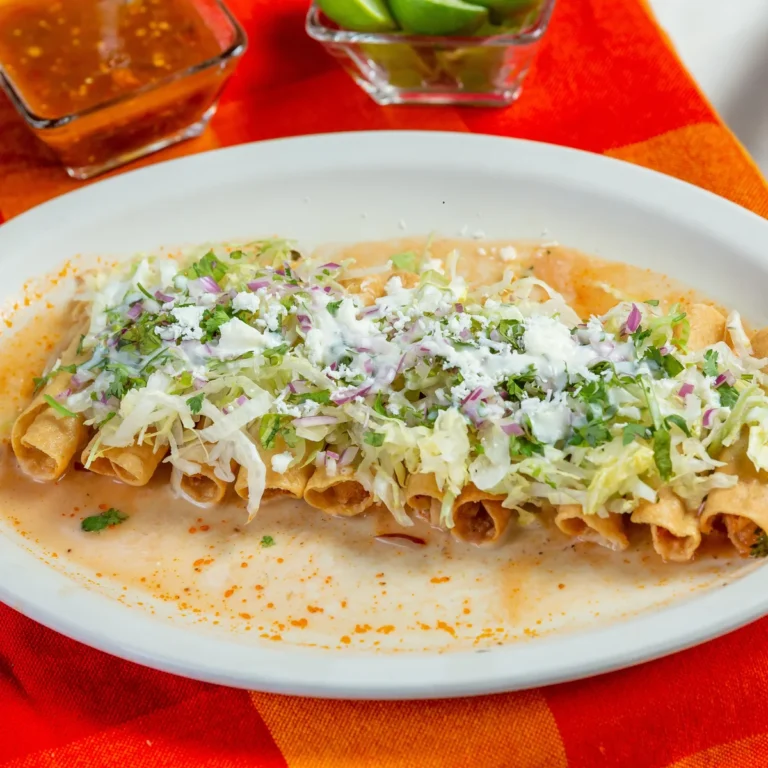
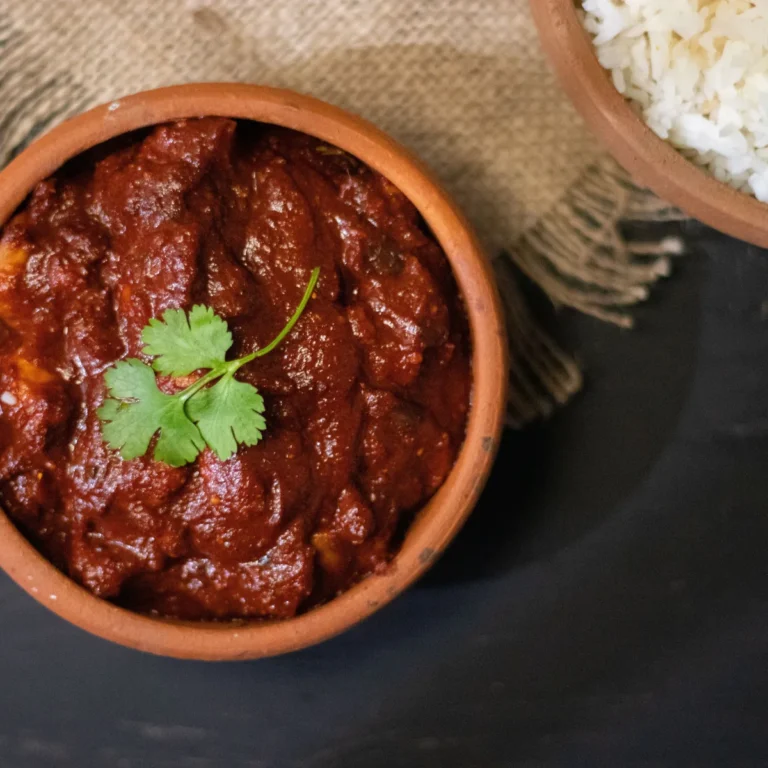
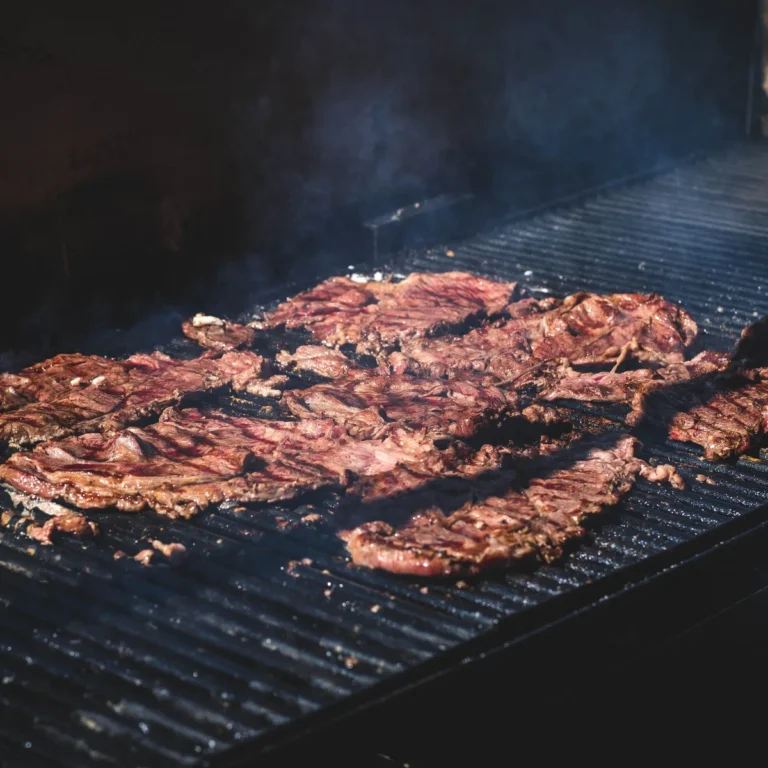
Some pairings simply work, and having them memorized removes a decision from every dinner. Rich braised meats, carnitas, barbacoa, birria, want acid and crunch: pickled onions, escabeche, cabbage. Grilled meats want char echoed back: elote, grilled spring onions, charred salsa. Saucy simmered dishes, tinga, salsa chicken, chile verde, want neutral absorbers: red rice, plain beans, warm tortillas. Fried things, flautas, taquitos, milanesa, want cool and creamy: crema-dressed slaw, guacamole, rajas.
The inverse rule matters too: never double up on the same weight. Two creamy sides flatten a plate; two acidic ones sharpen it into a pickle festival. One rich, one sharp, one starchy is the triangle that keeps every plate balanced, and it is the quiet reason restaurant combination plates feel complete.
Scaling Sides for a Crowd
Rice doubles cleanly but needs a wider pot, not a taller one; deep rice steams unevenly and the bottom third goes soft. Two batches in two pots beat one giant batch, and rice holds warm, covered, off the heat for forty minutes without harm. Beans scale without limit and actually improve at volume, which is why they anchor every large table. Esquites and the corn salad multiply by simple arithmetic. The pickles were made for scaling: one afternoon fills jars for a month of gatherings. The only side on this page that resists a crowd is rajas con crema, which breaks past a doubling; make two separate batches or choose the poblano crema corn instead.
Why Rice Fails Before the Liquid
Toasting coats each grain in oil and drives off surface moisture, which sets the starch on the outside of the grain so it cannot gelatinize and glue the grains together once liquid enters. Undertoasted rice keeps that exposed surface starch, which swells and settles, and the pooled starch at the bottom of the pot is why the lowest third turns soft first. This is also why the pan is not stirred after the liquid goes in: agitation grinds grains together and releases more surface starch. Rice failure is set at the toast, before the liquid ever enters the pan.
FAQ
What sides go with tacos? The minimum: one starch and one sharp thing. Rice or beans, plus pickled onions or escabeche. Corn in any form if there is a third slot.
Can I make rice and beans ahead? Beans improve for three days and freeze in their liquid for months. Rice keeps three days refrigerated; reheat with a splash of water, covered. Both mean taco night becomes assembly.
What is cotija and what replaces it? A salty, crumbly aged cheese. Feta is the honest substitute; parmesan works in a pinch but reads Italian.
Are these sides vegetarian? Most are or trivially become so: swap bacon out of borracho beans, use oil instead of lard in refried beans. The corn, squash, nopales and pickle sections are vegetarian as written.
How much rice per person? Three quarters of a cup cooked per person alongside other sides; a half cup dry feeds two comfortably once toasted and simmered.
Why does restaurant rice taste better than mine? Chicken broth instead of water, a proper blended tomato base, and the full toast. Home versions usually shortcut all three. Fix the toast first; it is the loudest of the three differences.
Where to Go Next
Black beans deserve the standalone treatment they get in mexican black bean recipes, squash gets its own page at mexican squash recipes, and the mains these sides complete are all collected at easy mexican recipes at home.
More recipes to try
Written by Frank Thomson, Skillet & Spoon editorial. Every nutrition figure on this site is calculated ingredient by ingredient from the USDA FoodData Central database, never estimated and never rounded to look better. We do not publish net-carb figures or use non-nutritive sweeteners. How we develop and source recipes is set out in our editorial policy.