17 Mexican Black Bean Recipes, From Pot to Plate
Mexican black bean recipes divide into two schools: the ones where beans support the plate, and the ones where beans are the plate. Both start from the same place, a well-made pot, and the pot is where most cooks have been lied to. You do not need to soak overnight, you should salt from the start, and the bean broth you have been draining away is the best ingredient in the house.
Let’s fix the pot first, then spend it seventeen ways.
The Pot: Frijoles Negros de la Olla
The method, 2 hours mostly unattended. A pound of dried black beans, rinsed and picked over, into a pot with water two inches above, half an onion, four smashed garlic cloves, a bay leaf and a tablespoon of salt. Simmer gently, partially covered, until creamy inside, ninety minutes to two and a half hours depending on the age of the beans. Top up with hot water if they surface.
Two myths to bury. Soaking: skipping it costs perhaps thirty minutes of simmering and costs you nothing else; fresh-ish dried beans do not need it. Salt toughening beans: salt in the cooking water diffuses into each bean as it absorbs water, seasoning the interior, while salt added only at the end has nowhere to go but the surrounding broth and leaves the bean centers bland. Sodium is not what slows beans from softening, so seasoning the water early costs nothing in texture. Season the water like you mean it.
The broth is non-negotiable. That inky, savory liquid is the base for the soup below, the loosener for refried beans, and the cooking liquid for rice. Never drain it into the sink.
Canned Versus Dried, Honestly
Canned black beans are legitimate for weeknight tacos, quesadillas, molletes and skillet dinners; rinse them only when the recipe needs dry beans, and otherwise use the can liquid as weak broth. Where canned falls short is anywhere the bean itself is the star: the brothy pot, the soup, frijoles puercos. The texture difference is real there, and dried beans cost roughly a third as much per serving. Our rule: canned for assembly, dried for bean-forward dishes, no guilt either way.
Beans as the Side
Refried black beans, 20 minutes. Aromatics in fat first, beans mashed in, bean broth splashed in until they relax. Lard is traditional, oil is fine, bacon fat is excellent.
Black beans a la mexicana, 15 minutes. Whole beans simmered briefly with tomato, onion and jalapeno. Faster than refried, fresher tasting.
Chipotle black beans, 15 minutes. One chipotle and a spoon of adobo into a simmering pot. Smoky depth for nearly zero work; this is the version that upgrades a burrito bowl.
Black bean and corn salad, 20 minutes. With lime, cilantro and charred corn. It holds on a buffet for hours, which earns it a place in the party rotation alongside our other mexican side dish recipes.
Beans as the Meal
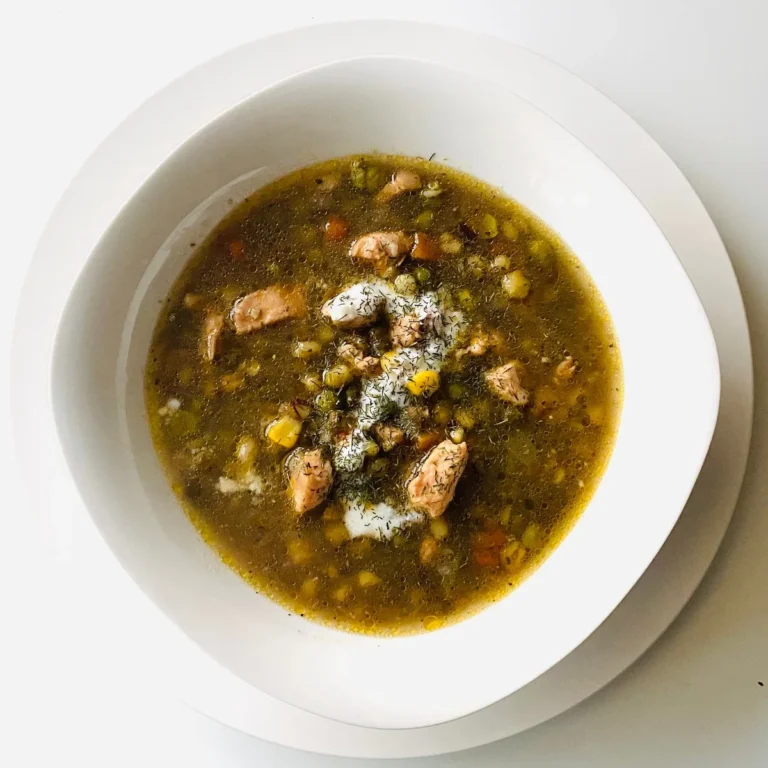
Sopa de frijol negro, 30 minutes from a cooked pot. Blend half the pot with its broth, leave half whole, simmer with cumin and a chipotle. Crema, avocado and tortilla strips on top. This is the recipe that justifies the whole pot ritual.
Molletes with black beans, 15 minutes. Refried black beans on toasted rolls under melted cheese, salsa over. Breakfast, lunch or the dinner nobody planned.
Black bean tacos dorados, 30 minutes. Corn tortillas filled with seasoned refried beans, folded and pan-fried crisp. Cheap, vegetarian, and genuinely craveable with a sharp slaw.
Black bean and sweet potato tacos, 35 minutes. Roast the sweet potato until the edges catch, fold with chipotle beans. A hearty meatless taco from the pillar, expanded here with a lime crema.
Enfrijoladas, 25 minutes. Tortillas dipped in blended black bean sauce, folded, topped with crema and cotija. Enchiladas’ humbler, faster cousin, and a standard Mexican answer to “there is nothing to eat”.
Black bean quesadillas, 15 minutes. Beans and cheese, dry pan, the after-school classic done properly: beans seasoned, cheese against the tortilla, medium heat.
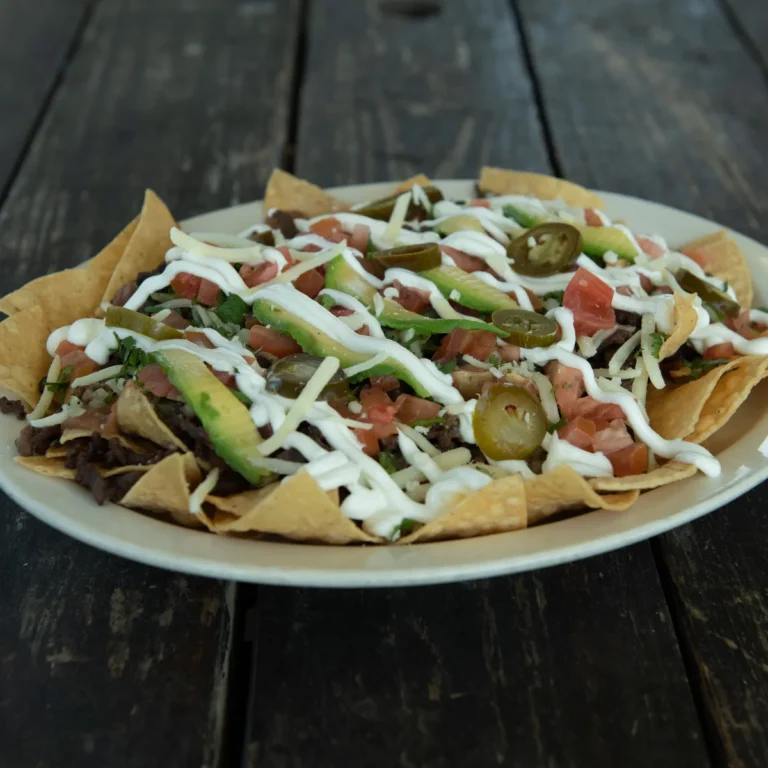
Frijoles puercos, 30 minutes. Refried black beans enriched with chorizo, bacon and cheese. A northern party staple that treats beans like the luxury they secretly are.
Beans in Supporting Roles
Black bean rice, 30 minutes. The toasted-rice method cooked in bean broth with whole beans folded in. One pot, complete protein, no apologies.
Black bean soup with masa dumplings, 45 minutes. The soup above with small masa balls simmered in. Chochoyotes, and worth learning to say.
Breakfast beans, 10 minutes. Yesterday’s beans reheated loose with a fried egg on top and salsa over. The reason the pot never quite makes it to the freezer.
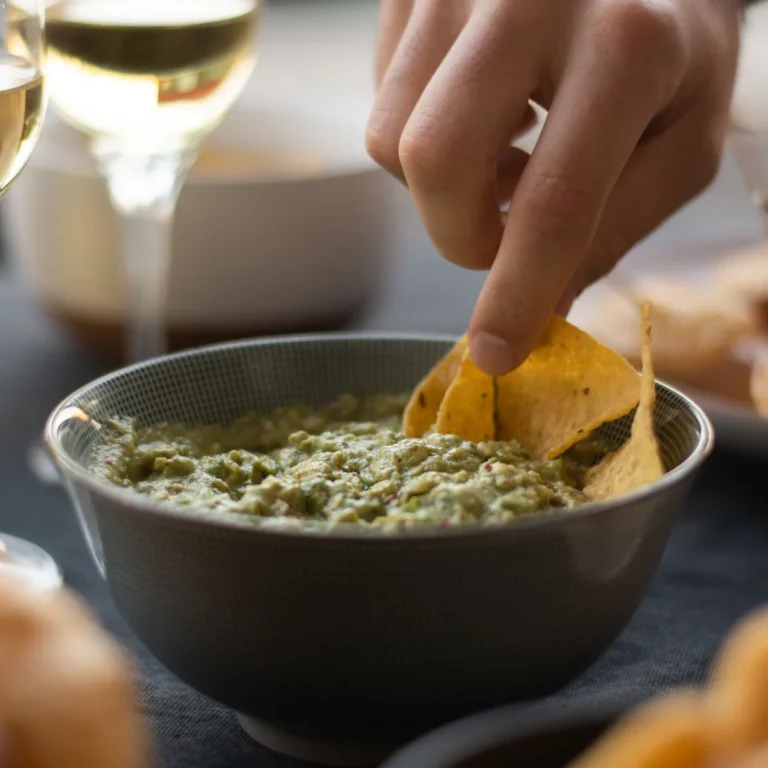
Black bean dip, 10 minutes. Blended beans, lime, cumin and a chipotle, warm or cold with chips. Faster than guacamole and immune to browning.
The Freezer Bank
A pound of dried beans cooks into roughly six cups plus broth, which is more than most households eat before day four. The move is the freezer bank: cool the pot, portion into flat zip bags of two cups of beans with enough broth to cover, and freeze flat. Flat bags thaw in ten minutes under cool water, which makes “we have nothing to eat” a solved problem permanently. A running bank of three or four bags means enfrijoladas, soup or molletes are always closer than delivery.
Label with the date; frozen beans hold quality for three months and remain safe well past that, but the broth flavor fades. And freeze at least one bag of pure broth on its own. It is the vegetarian stock that rice, greens and soups quietly want, and it costs literally nothing.
Seasoning Beans Beyond the Basics
Once the pot is mastered, the aromatics become a dial. Avocado leaf or epazote in the simmer is the traditional southern touch, anise-adjacent and worth seeking out at a Mexican grocery. A charred half onion instead of a raw one deepens the broth noticeably for thirty seconds of extra work. A dried chile, one guajillo or a chipotle, steeped whole in the pot adds warmth without heat commitment, and fishing it out at the end keeps the beans kid-safe. Cumin belongs in the finished dishes, not the pot, where long simmering turns it muddy. The pot stays simple; the dishes downstream carry the personality.
Why Salt From the Start
Salt dissolves in the cooking water and travels into each bean along with the water it absorbs as it hydrates, so the seasoning ends up inside the bean rather than only on its surface. Salt stirred in at the end has nowhere to go but the surrounding broth, which is why an end-salted pot reads as salty liquid around bland centers. Sodium is not what slows beans from softening, so seasoning the water early costs nothing in texture.
FAQ
Do black beans need soaking? No. Soaking saves some simmer time and slightly evens cooking; it is an option, not a requirement. Old beans, over a year in the pantry, benefit most.
Why are my beans still hard after hours? Very old beans, or acid added too early. Tomatoes, lime and vinegar slow bean softening; add them after the beans are tender. If a bag is ancient, pressure cooking rescues it.
How long do cooked beans keep? Four days refrigerated in their broth, three months frozen flat in it. The broth protects texture in both cases; never store cooked beans dry.
Are black beans or pintos more authentic? Both, regionally. Black beans dominate the south of Mexico and the Yucatan; pintos rule the north. Your taco does not check passports.
Can I use the bean broth for anything else? Rice, soups, thinning refried beans, and braising greens. Treat it as free vegetarian stock, because that is what it is.
My canned beans taste metallic. Fixable? Mostly. Simmer them five minutes with a piece of onion, a garlic clove and a pinch of cumin, and the canned edge fades. It will not match the pot, but it stops announcing itself.
Pressure cooker or stovetop for the pot? Both make excellent beans. The pressure cooker finishes unsoaked beans in about forty minutes and wins on weeknights; the stovetop pot gives slightly more control over the final texture and perfumes the house, which counts for something on a Sunday.
Where to Go Next
The rice these beans belong beside, toasted properly, is in mexican side dish recipes, the vegetable dishes that round out a meatless plate are in mexican squash recipes, and the whole collection lives at easy mexican recipes at home.
More recipes to try
Written by Frank Thomson, Skillet & Spoon editorial. Every nutrition figure on this site is calculated ingredient by ingredient from the USDA FoodData Central database, never estimated and never rounded to look better. We do not publish net-carb figures or use non-nutritive sweeteners. How we develop and source recipes is set out in our editorial policy.