18 Mexican Soup Recipes (Pozole, Tortilla, Albondigas)
Mexican soup recipes split into two groups: weeknight soups that are done in half an hour, and weekend soups that simmer for two hours and feed you for three days. Both are on this list, sorted by time.
One rule applies to almost all of them, and skipping it is why homemade versions taste flatter than the restaurant ones.
The Garnishes Are Not Optional
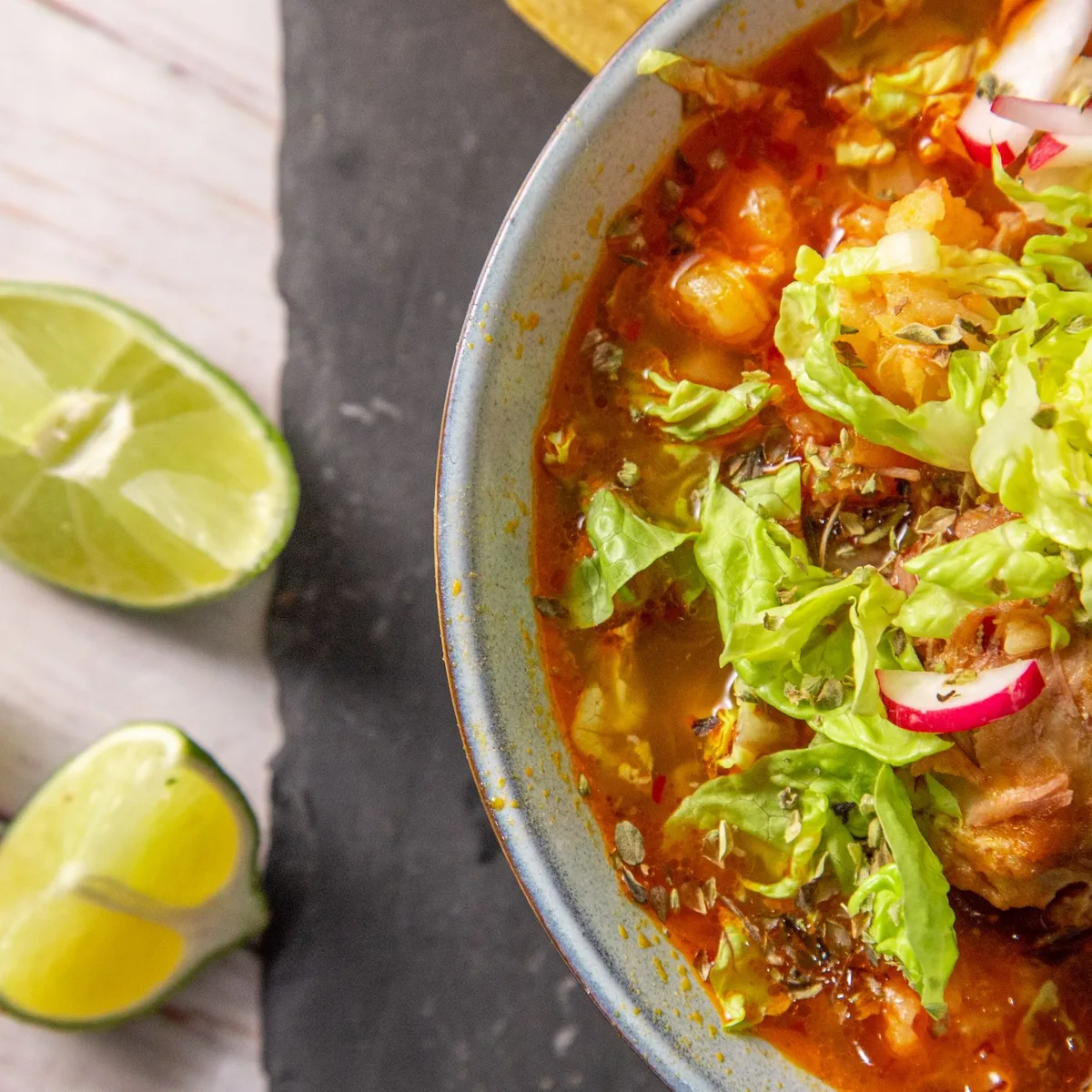
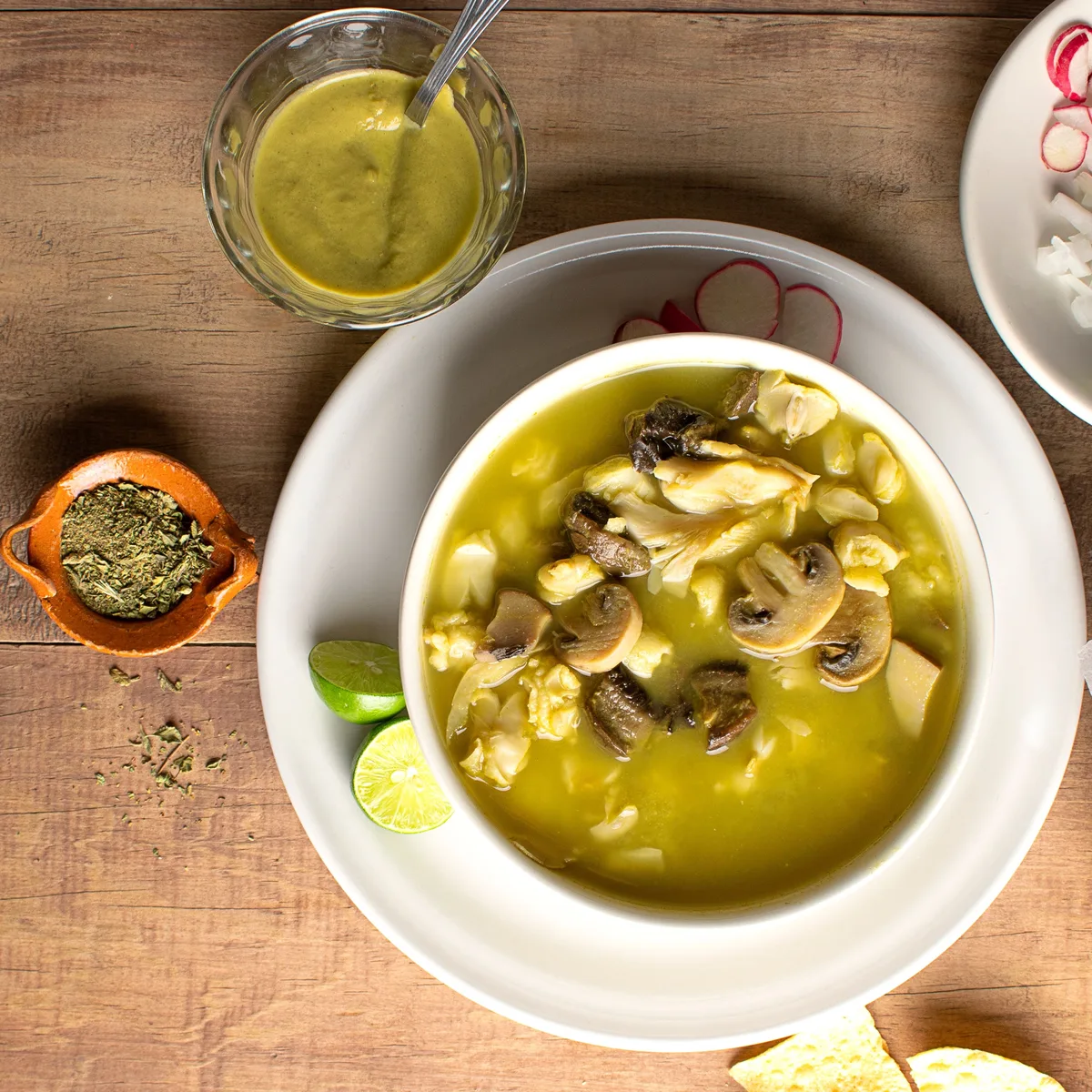
Pozole, menudo, tortilla soup and caldo all arrive at a Mexican table with a plate of raw things beside them: shredded cabbage, sliced radish, diced onion, dried oregano, lime wedges, chopped cilantro, sometimes chili flakes.
These are not decoration. The broth is deep and rounded, and the raw garnishes cut through it with crunch, acid and bitterness. A bowl of pozole without cabbage, radish, oregano and lime tastes heavy and one note. With them it tastes like the dish people drive across town for.
Set them out in bowls and let everyone build their own. It also stretches a pot of soup considerably.
25 to 40 Minutes
Sopa de fideo. Toasted vermicelli in a tomato broth. Fry the dry noodles in oil until they are the colour of peanut butter before liquid goes in, that toasting is the entire flavour. Twenty five minutes, four ingredients, and as kid-friendly as this list gets.
Chicken tortilla soup. Chicken, tomato, chipotle, corn, broth. Fry your own tortilla strips, bagged tortilla chips go soggy within a minute of hitting the broth. Cut day old corn tortillas into strips and fry them for 90 seconds, they stay crisp far longer.
Sopa de tortilla, meatless. Same soup, roasted tomato and chile base, no chicken.
Black bean soup. Blend half of it and leave half chunky. This is the trick for body without cream.
Sopa de lima. Yucatán lime soup with chicken and crisp tortilla. Uses a lot more lime than seems sensible.
Corn and poblano chowder. Roast and peel the poblanos first, the skins never soften in liquid.
Taco soup. Ground beef, beans, corn, tomato, taco seasoning. Twenty five minutes and it makes an enormous pot. See mexican ground beef recipes.
Albondigas. Meatball soup. The rice goes into the meatballs raw and cooks inside them in the broth, which is what keeps them light instead of dense.
1 to 2 Hours
Caldo de pollo. Chicken and vegetable soup with the vegetables in large chunks, served with rice and lime on the side. Skim the foam in the first ten minutes for a clear broth.
Caldo de res. Beef shank and vegetables. Use bone-in shank, the marrow is what makes the broth. Boneless stew beef gives you a thin, sad version.
Sopa de albondigas with chipotle. The meatball soup with smoke added.
Frijoles charros. Bean soup with bacon, chorizo and hot dog, which sounds odd and is genuinely excellent. See mexican black bean recipes.
Chicken pozole verde. Tomatillo based, lighter than the red.
Weekend Projects
Pozole rojo. Pork shoulder and hominy in a broth built from dried guajillo and ancho chiles. Toast the dried chiles briefly, soak them, then blend and strain. Straining matters, the skins never break down and they leave the broth gritty.
Two and a half hours, mostly unattended, and it is the single best thing on this page. It also improves overnight, so make it the day before.
Menudo. Tripe soup, traditionally the Sunday morning dish. Cleaning the tripe properly is the whole job and takes patience.
Birria. Slow braised beef in chile broth, served as a stew or the consommé for dipping quesabirria tacos. Four hours.
Mole de olla. Beef and vegetables in a chile broth with corn on the cob still on the cob.
Pozole blanco. No chile base, the simplest of the three pozoles, garnishes do all the lifting.
Slow Cooker Versions
Pozole, caldo de res, birria, black bean soup and frijoles charros all work in a slow cooker. Two adjustments:
- Cut the liquid by about a quarter, nothing evaporates under a lid
- Add hominy, pasta or rice in the last hour, or they turn to mush
Everything else goes in at the start. See mexican crock pot recipes.
Building a Better Broth Without Buying Anything
- Char the onion and garlic dry in the pan before they go in the pot. Blackened patches, not soft and translucent
- Toast whole cumin and coriander seed for 30 seconds before grinding
- Use bone-in cuts. Chicken thighs with bone, beef shank, pork shoulder. Boneless is faster and always thinner
- Toast dried chiles for 20 seconds a side, no more. Burnt chile is bitter and there is no fixing it
- Salt in stages, not all at the end. Soup that was salted only at the end always needs more salt than one salted in layers
Freezing and Storage
Freeze well: pozole (without the garnishes), black bean soup, taco soup, caldo de res, birria, frijoles charros. Freeze badly: anything with pasta or rice already in it, anything with dairy or avocado, tortilla soup with the strips added.
The fix for the second group: freeze the broth alone and add the pasta, rice, strips or dairy when you reheat.
Most of these keep four days refrigerated. The chile based ones taste better on day two, which is the argument for making a large pot.
Thickness Is a Setting, Not a Fate
Every soup here can run brothy or hearty on demand, and knowing the dials beats hunting for a different recipe. To thicken: blend one cup of the soup’s own vegetables or beans and stir it back, the trick from black bean soup that works everywhere; or simmer uncovered ten minutes; or add a torn tortilla and blend it in, the traditional masa-thickening shortcut for tortilla soup. To lighten: more broth, added late, seasoned before serving. Rice and pasta swell overnight and drink the pot, so cook them separately and add per bowl if leftovers are the plan. The garnish plate covers the rest: crema thickens the spoonful, lime thins the flavor, and everyone at the table tunes their own bowl.
Serving Bowls Like They Are Served in Mexico
The garnish rule at the top of this page has a serving-format corollary: Mexican soups arrive as an event, not a bowl. The pot goes to the table or the counter, the garnish plate beside it, warm tortillas wrapped in a towel, lime wedges everywhere. Guests dress their own bowls, which means the cook stops being a waiter and the last serving tastes as fresh as the first, because nothing wilted in the bowl waiting. For pozole and caldo de res this is the tradition; for weeknight tortilla soup it is simply smarter logistics. One practical addition: put the crema and cheese in small bowls with spoons rather than passing containers, because a soup line moves twice as fast when nobody is scraping a cold tub.
Bread matters too. Bolillo rolls, torn and dipped, are the standard companion for caldo; tostadas spread with crema traditionally ride alongside pozole. Neither costs more than a dollar and both turn a pot of soup into the whole dinner without another pan.
FAQ
What is the most popular Mexican soup? Pozole is the most widely known, usually served at celebrations. Sopa de fideo and caldo de pollo are the everyday ones people actually cook most weeks.
What is hominy? Corn treated with an alkaline solution, which puffs the kernels and changes the flavour. Canned hominy is fine and saves hours. Rinse it before using.
Do I have to use dried chiles? For pozole rojo and birria, yes, the flavour comes from them and chili powder is not a substitute. For the tomato based soups, no.
Why is my broth gritty? You blended the dried chiles and did not strain. The skins never break down. Push the blended chile through a sieve before it goes into the pot.
Can I make these vegetarian? Black bean soup, corn poblano chowder, sopa de fideo and the tortilla soups all work with vegetable broth. Toast the aromatics harder to make up for the missing meat depth.
How long does pozole take? Two and a half to three hours for the pork version, mostly unattended. It is better the next day, so it suits making ahead.
For a fully worked single from this page, with the USDA card, see mexican chicken soup recipes (caldo de pollo). Back to the full collection: easy mexican recipes at home.
Written by Frank Thomson, Skillet & Spoon editorial. Every nutrition figure on this site is calculated ingredient by ingredient from the USDA FoodData Central database, never estimated and never rounded to look better. We do not publish net-carb figures or use non-nutritive sweeteners. How we develop and source recipes is set out in our editorial policy.