Beef Empanadas (Baked, Flaky Pastry)
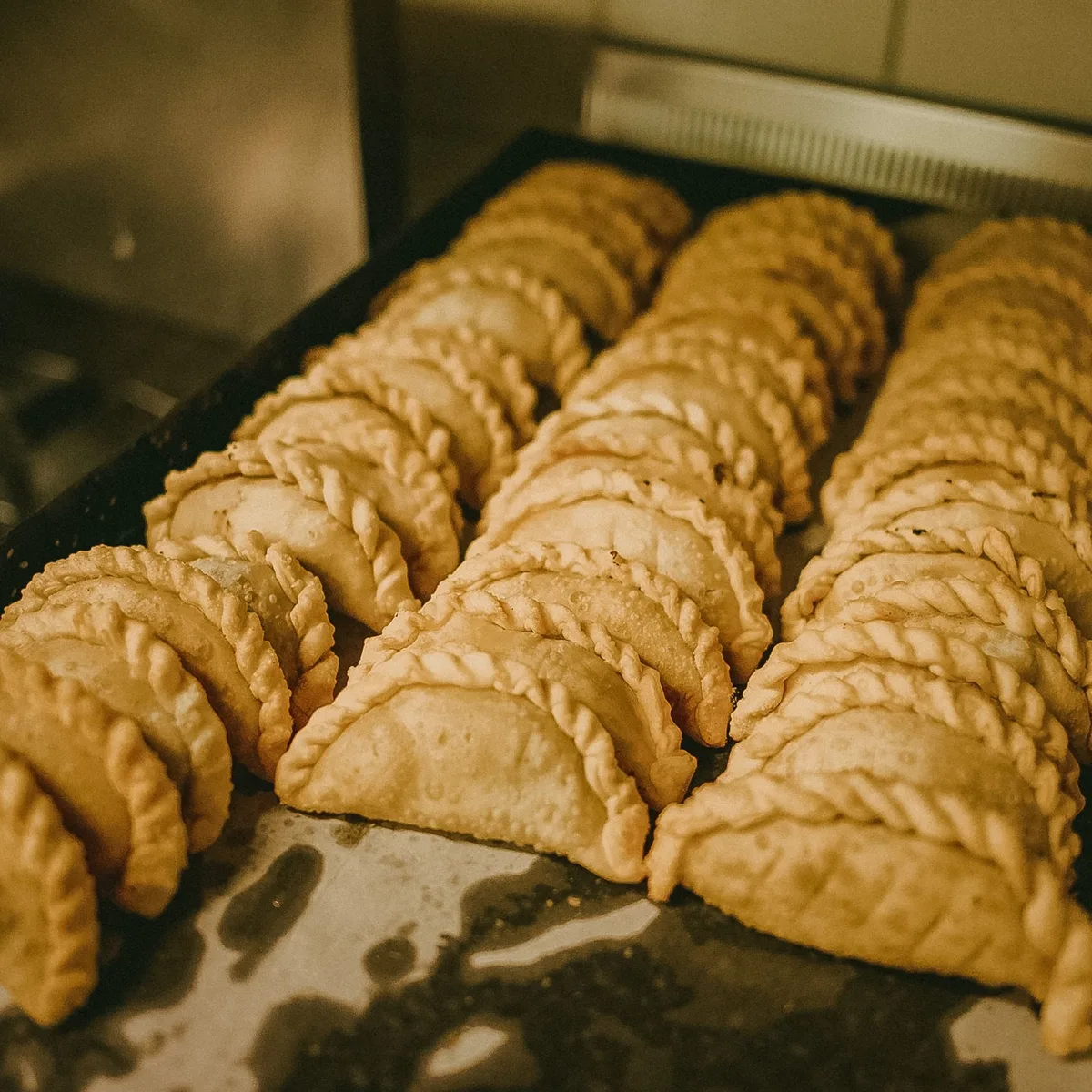
Empanadas are pastry turnovers filled with seasoned meat, crimped shut and baked or fried. They are sold across Latin America and each country has its own shape and filling; this is a Mexican-style baked beef empanada with a picadillo filling. The usual trouble is not the pastry, it is leaking, and every cause of a leak is easy to remove once you know which one you are looking at. The recipe card carries the full method with USDA-calculated numbers; this page covers them.
Ingredients
Method
- For the dough, rub or pulse the cold butter into the flour and 1 teaspoon of the salt until the mixture looks like coarse crumbs with some pea-sized pieces of butter still visible.
- Beat 1 egg into the ice water, add it to the flour, and bring it together into a shaggy dough without kneading. Flatten into a disc, wrap, and chill at least 1 hour.
- For the filling, brown the ground beef hard in a dry pan, then add the onion and diced potato and cook until the potato is tender, about 10 minutes.
- Add the garlic, cumin, paprika and remaining salt, stir 30 seconds, then add the tomato sauce and simmer until the mixture is thick and no loose liquid remains in the pan.
- Spread the filling on a plate and cool it completely, ideally in the fridge. Warm filling melts the butter in the pastry and guarantees leaks.
- Roll the dough thin and cut 5 inch rounds. Put about 2 tablespoons of cold filling on each, keeping the edge clear.
- Brush the edge with water, fold over, press out the air, and crimp firmly with a fork or by folding the rim over on itself.
- Chill the filled empanadas 20 minutes, brush with the beaten second egg, and bake at 400F for 22 to 25 minutes until deep golden.
Why This Recipe Works
- Cold butter in visible pieces is what makes the pastry flaky. Those pieces melt in the oven and the water in them turns to steam, which pushes the dough apart into layers. Butter rubbed in until the mixture is uniform has no pieces left to do that, and the pastry bakes short and crumbly instead of flaky.
- The filling goes in cold, and it has to be dry. Warm filling starts melting the butter before the empanada reaches the oven, which is how you lose the layers. Wet filling boils inside the pastry, and steam finds the weakest point in the seal and opens it. Simmering the filling until no liquid pools in the pan solves the second problem; the fridge solves the first.
- Air is the other thing that bursts them. Trapped air expands in the heat with nowhere to go. Press the filling flat and push the air out toward the open edge before crimping.
Ingredient Notes
The flour and butter. Plain all-purpose flour and real butter, cold from the fridge. Some Mexican and South American recipes use lard or shortening, which give a tender, very short pastry with less flavour. Butter gives layers and taste, and it is what the card counts.
The filling. Picadillo, which is ground beef with onion, potato and warm spices. Diced potato is traditional, stretches the filling and, usefully, absorbs liquid that would otherwise leak. Raisins and green olives are common additions in several regions and are worth trying once before deciding.
The egg wash. One beaten egg brushed over the top, which is what gives the deep golden colour. Skipping it leaves them pale and matte no matter how long they bake.
The size. Five inch rounds with about two tablespoons of filling each. Bigger rounds hold more but are much harder to seal, and an overfilled empanada is a common reason one bursts.
The Method, In Short
Make and chill the dough, cook and cool the filling, roll and cut rounds, fill, seal, chill again, egg wash, bake at 400F. The two chills are not optional and they are where the dish is won.
On sealing. Brush the rim with water, fold, then press from the centre of the curve outward so the air escapes at the edges. Crimp with a fork or fold the rim over on itself in small overlapping folds, which is the traditional repulgue and holds better than a fork.
Baked or Fried
Both are traditional, and the difference is real. Fried empanadas puff and blister, have a crisper, bubblier shell and cook in three or four minutes at around 350F. Baked ones are drier, neater and easier to make in quantity, and they hold better on a party table. The card counts the baked version. If you fry, use a dough made with less butter, because a high-butter pastry leaks fat into the oil and goes greasy.
What to Serve With Them
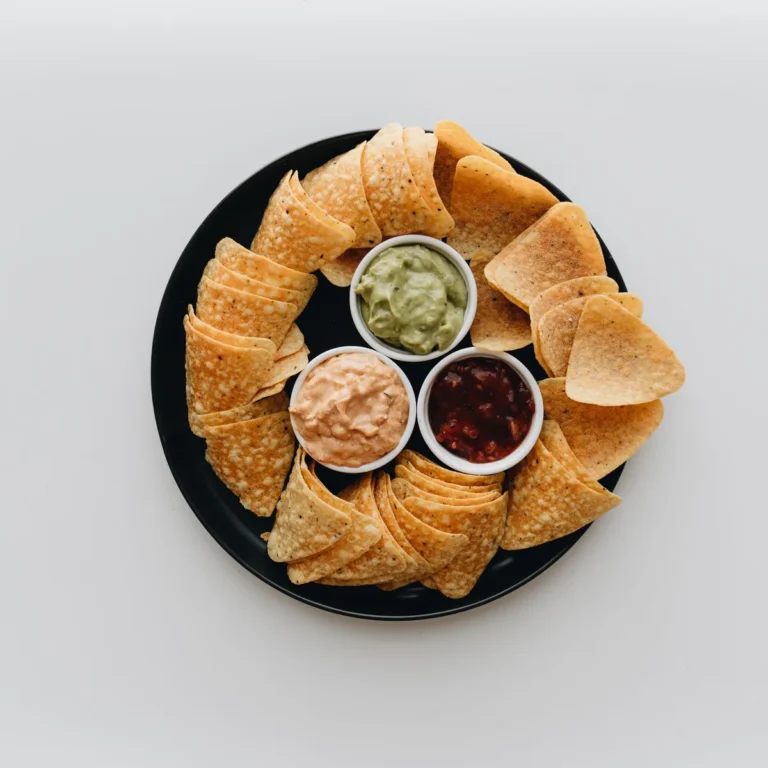
A sharp dip to cut the pastry: salsa verde, pico de gallo or a chile crema. They work as a starter, as party food, or as a meal with a green salad. For feeding a crowd, see Mexican party food and Mexican appetizer recipes.
Make Ahead and Freezing
Empanadas are one of the best freezer items in this cuisine. Freeze them filled and sealed but unbaked, on a tray until solid, then bagged. Bake from frozen at the same temperature, adding about eight minutes, with the egg wash brushed on just before they go in. Baked ones keep three days refrigerated and re-crisp in a hot oven in about eight minutes. Both dough and filling keep two days in the fridge separately, which splits the work across days.
Why They Leak, and What It Tells You
A leak always starts at the seal, and where it starts tells you which mistake you made. A split along the crimp itself usually means filling or grease got onto the rim, so the two edges never actually bonded; keep a clear border when you fill. A burst in the middle of the curve means trapped air or too much filling expanded until the weakest point gave way. A slow seep with no visible split means the filling was too wet to begin with. All three are checkable after the fact on the tray, and each one points at a different fix.
FAQ
Why do my empanadas leak? Either filling or grease reached the rim so it could not seal, air was trapped inside, or the filling was too wet. Keep a clear border, press the air out before crimping, and simmer the filling until no liquid pools in the pan.
Should empanadas be baked or fried? Both are traditional. Frying gives a blistered, crisper shell in a few minutes; baking is neater, drier and easier for a crowd. The card counts the baked version.
Can I freeze empanadas? Yes, and they freeze exceptionally well. Freeze them filled and unbaked on a tray, then bag them. Bake straight from frozen, adding about eight minutes.
What is picadillo? Ground beef cooked with onion, potato and warm spices, sometimes with raisins and olives. It is the classic empanada filling and also a dish in its own right.
Can I use store-bought dough? Yes. Frozen empanada discs are sold in many supermarkets and are a genuine shortcut. Thaw them fully or they crack when you fold them.
Why is my pastry tough? The dough was worked too much. Bring it together until it just holds, then stop; kneading develops gluten, which is what you want in bread and not in pastry.
Where to Go Next
More things to feed a crowd are at Mexican party food and Mexican appetizer recipes, the dip to serve beside them is salsa verde, and the whole library starts at easy Mexican recipes at home.
Written by Frank Thomson, Skillet & Spoon editorial. Every nutrition figure on this site is calculated ingredient by ingredient from the USDA FoodData Central database, never estimated and never rounded to look better. We do not publish net-carb figures or use non-nutritive sweeteners. How we develop and source recipes is set out in our editorial policy.