Salsa Verde (Roasted Tomatillo Salsa)
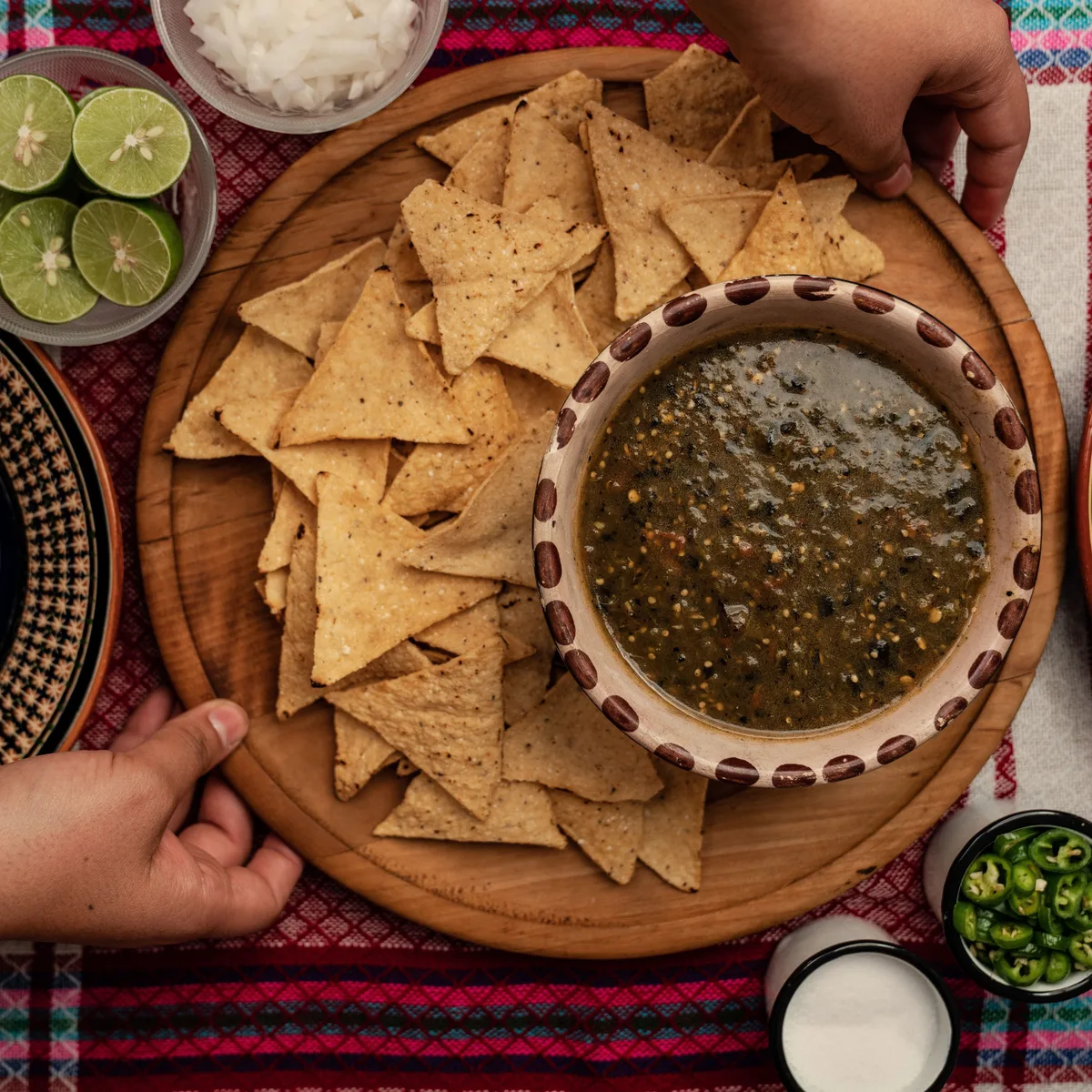
Salsa verde is a green salsa built on tomatillos rather than tomatoes, with chile, onion, garlic, cilantro and lime. The single decision that separates a bright, balanced salsa from a thin sour one is how you cook the tomatillos: roasted under a broiler, not boiled in water. The recipe card carries the full method with USDA-calculated numbers; this page explains what roasting actually changes.
Ingredients
Method
- Husk the tomatillos and rinse them under warm water, rubbing to remove the sticky film the husk leaves behind. That film is bitter, so do not skip the rinse.
- Arrange the tomatillos, serranos, onion and unpeeled garlic on a foil-lined tray and place it about 6 inches under a hot broiler.
- Broil for 5 to 7 minutes, until the tomatillos are blistered and blackened in patches and have slumped. Turn everything over and broil 3 to 5 minutes more. The garlic usually finishes first, so pull it when it softens.
- Let everything cool for a few minutes, then squeeze the garlic out of its skins.
- Put the roasted tomatillos and all their collected juices, the serranos, onion and garlic into a blender with the salt. Pulse to a coarse puree rather than blending smooth, so the salsa keeps some texture.
- Add the cilantro and lime juice and pulse two or three more times, just enough to chop the cilantro through. Blending the cilantro hard turns the salsa a dull olive colour.
- Taste and adjust the salt. Serve at room temperature.
Why This Recipe Works
- Roasting concentrates, boiling dilutes. Tomatillos are roughly ninety percent water and naturally high in citric and malic acid, which is why raw ones taste aggressively tart. Under a broiler the surface water evaporates and the sugars caramelise, so what is left is more concentrated and noticeably sweeter. Boiled in a pan of water, the tomatillos absorb water and leach flavour into a liquid you then throw away, which is why boiled salsa verde so often tastes sour and thin and needs sugar to rescue it.
- The husk residue is bitter and washes off. Tomatillos are wrapped in a papery husk and coated underneath in a sticky, resinous film. That film carries a genuine bitterness. Warm water and a rub with your fingers removes it in seconds, and skipping it is enough to make the whole batch taste harsh.
- Cilantro goes in last and barely gets blended. Cilantro leaves bruise and oxidise when they are sheared repeatedly by blender blades, which dulls both the colour and the fresh aroma. Pulsing it in at the end keeps the salsa green and keeps the herb tasting like itself.
Ingredient Notes
The tomatillos. Choose firm ones that fill their husks, with the husk still tight and pale rather than dried and brown. A tomatillo that rattles loosely in a papery husk has been sitting a long time. Size does not matter much for flavour; small ones are often more tart.
The chiles. Serrano is the default: clean heat, no smoke, and enough of it to register. Jalapeno is milder and slightly sweeter, so use three or four in place of two serranos. Most of the heat is in the seeds and the pale veins, so removing those before roasting gives you chile flavour with much less burn.
The onion and garlic. The onion is roasted here, which takes its raw bite off and leaves sweetness. The garlic is roasted in its skin deliberately: unpeeled cloves steam gently inside their own jackets and turn soft and mellow, while bare cloves under a broiler scorch on the outside in about a minute and go acrid.
The lime. A single tablespoon, added at the end. Roasted tomatillos are already acidic, so the lime is there for brightness and aroma rather than to make the salsa sour. Add it after tasting, not before.
The Method, In Short
Husk and rinse, broil everything on one tray until blistered, cool slightly, peel the garlic, pulse coarse with salt, then pulse in the cilantro and lime. It is a fifteen minute salsa and all of the work is at the beginning.
One detail worth getting right: keep every drop of the juice that collects on the tray. That liquid is concentrated tomatillo, the most flavourful part of the whole operation, and pouring it away leaves you making up the difference with water later.
Texture, and How to Steer It
A blender run continuously gives a smooth, pale, aerated salsa. Short pulses give a coarser, darker, more restaurant-like texture. Neither is wrong, but they suit different jobs: the smooth version coats enchiladas and chilaquiles evenly, while the coarse version is better as a table salsa where you want something to bite into. If you want the traditional texture, a molcajete crushes rather than shears, which is why stone-ground salsa looks and tastes different from blended salsa made of exactly the same things.
What to Serve It With
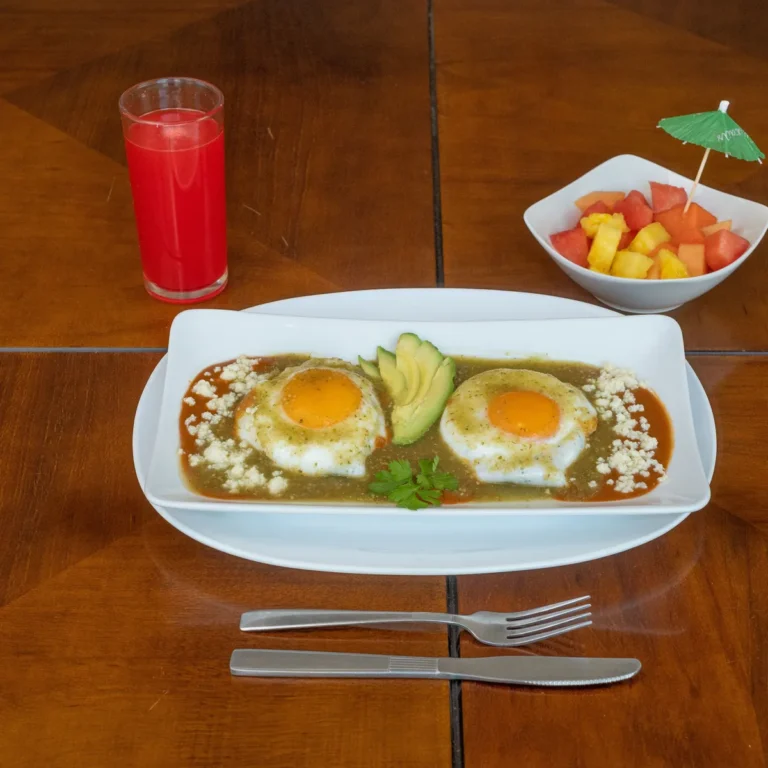
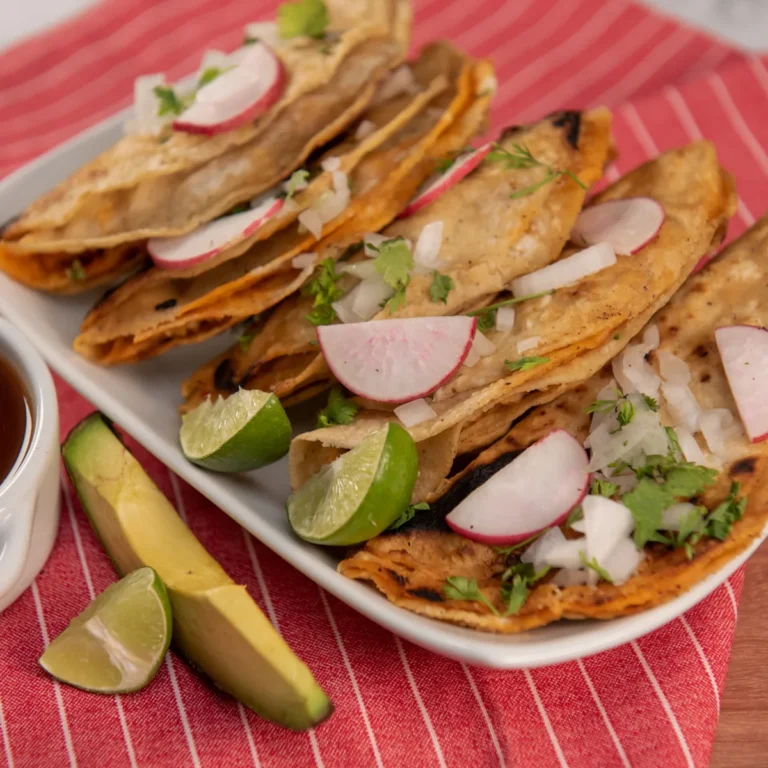
Salsa verde is a workhorse. It goes on tacos and eggs, over grilled meat, into chilaquiles verdes, as the braising liquid for chicken or pork, and as the sauce for green enchiladas. It is also what turns plain Mexican shredded chicken recipes into a filling, since simmering shredded chicken in it for ten minutes lets the meat drink the sauce up. For a table spread, put it beside something red from Mexican dip recipes so there is a contrast in both heat and colour.
Storage and Freezing
Salsa verde keeps a week refrigerated in a sealed jar, and the flavour improves over the first day as the raw edges settle. The colour dulls from bright green toward olive over several days, because the salsa’s own acid slowly converts the green chlorophyll to an olive-brown form; it is not a spoilage sign. It freezes well for three months. The texture loosens slightly on thawing, so stir it back together before serving. Freeze it in small portions, since it is easier to thaw what you need than to break a block apart.
Why It Splits, and How to Fix It
Left standing, salsa verde often separates into a thicker layer on the bottom and a watery layer on top. This is not spoilage. Tomatillo pulp is a suspension of solid particles in a lot of water, and with nothing to hold them, gravity slowly pulls the solids down. It is entirely reversible: stir it, and it comes back together. If you want it to stay integrated in a jar on the table, blend it a little smoother, which makes the particles small enough to stay suspended longer.
FAQ
Should I boil or roast the tomatillos? Roast them. Boiling adds water and leaches flavour into liquid you discard, which is the usual cause of a thin, sour salsa. Broiling drives water off and caramelises the sugars, so the result is sweeter and more concentrated without adding anything.
Why is my salsa verde bitter? Most often the sticky film under the husk was not rinsed off, or the garlic was broiled unpeeled for too long and scorched. Rinse the tomatillos in warm water until they no longer feel tacky, and pull the garlic as soon as it softens.
How do I make salsa verde less spicy? Seed and devein the chiles before roasting; that is where most of the capsaicin sits. Swapping serrano for jalapeno drops the heat further. You can also add one chile, blend, taste, and add the second only if you want it.
Can I use canned tomatillos? Yes, though they are already cooked and packed in liquid, so drain them well and broil them briefly to get some colour. The result is milder and flatter than fresh roasted, and you will want a little more lime.
Why did my salsa turn a dull olive colour? Over-blending the cilantro, or simply time. Pulse the cilantro in at the very end. Some dulling over a few days in the fridge is normal, as the acid slowly shifts the chlorophyll toward olive, and it does not affect the taste much.
Is salsa verde the same as green enchilada sauce? They are closely related. Green enchilada sauce is usually a thinner, smoother, more cooked version, often with broth added so it coats and bakes well. This salsa blended smooth and loosened with a little broth does the job.
Where to Go Next
The red counterpart and the rest of the table salsas are in Mexican dip recipes, the salsa-simmered fillings are in Mexican chicken recipes, and the whole library starts at easy Mexican recipes at home.
Written by Frank Thomson, Skillet & Spoon editorial. Every nutrition figure on this site is calculated ingredient by ingredient from the USDA FoodData Central database, never estimated and never rounded to look better. We do not publish net-carb figures or use non-nutritive sweeteners. How we develop and source recipes is set out in our editorial policy.