Pictures of Mexican Food With Names: A Visual Menu Guide
Pictures of Mexican food with names solve a real problem: standing at a menu, a taqueria counter or a potluck table, recognizing something delicious and not knowing what it is called or what is inside it. This page is the field guide, dish by dish, each with its name, a plain-English description, a pronunciation nudge where the name trips people, and a link to the recipe when we cook it on this site.
Every dish photo on this page follows its name in the gallery; if you arrived from a search, scroll to the section that matches what you saw.
Tacos and Handheld Things
Tacos al pastor (ahl pas-TOR). Reddish marinated pork, often with a small pineapple piece, on small corn tortillas with onion and cilantro. The red comes from achiote and chiles.
Carne asada tacos. Grilled beef, chopped, on corn tortillas. Usually served with lime and a green or red salsa.
Carnitas (car-NEE-tas). Pork cooked until it shreds, with crispy browned edges. In tacos or by the pound. Our method lives in mexican pork recipes.
Birria tacos / quesabirria (BEER-ree-ah). Deep red, often griddle-crisped tacos of chile-braised beef, served with a cup of dark broth for dipping. If the photo shows a dipped taco dripping red, it is this.
Flautas / taquitos. Tortillas rolled tight around filling and fried into crisp tubes, usually under crema and cheese. Flautas are longer, taquitos smaller; families argue the boundary.
Quesadilla. Folded tortilla with melted cheese, griddled. If it is fried and football-shaped with masa dough, it is the Mexico City market version.
Torta. A Mexican sandwich on a soft, crusty roll: beans, meat, avocado, often pressed. If the photo shows a sandwich, it is a torta.
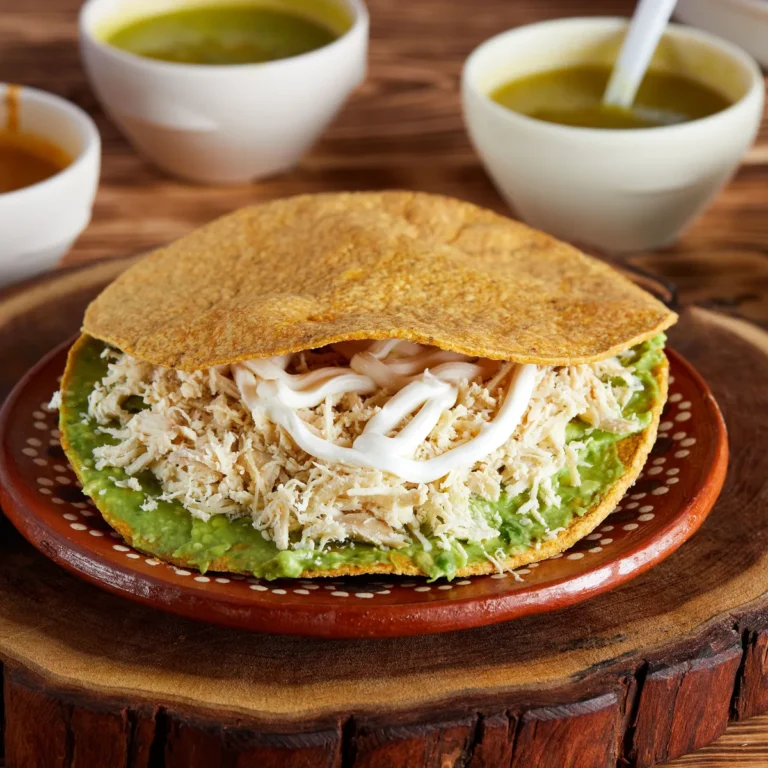
Tostada. A flat, crisp tortilla piled with beans, meat or seafood and toppings. The one that shatters when you bite it.
Gordita / sope / huarache. Thick masa bases: the gordita is split like a pocket, the sope is a small pinched-edge round, the huarache is sandal-shaped and long. All griddled, all topped or stuffed.
Tamal (tah-MAHL; plural tamales). Steamed masa wrapped in a corn husk or banana leaf. The photo giveaway is the wrapper; you unwrap it, you do not eat the husk.
Bowls, Soups and Plates
Pozole (po-SO-leh). Big-kernel hominy soup, red, green or clear, served with a plate of cabbage, radish, lime and oregano. The giant white kernels identify it instantly. The recipe is in mexican soup recipes.
Menudo. Red tripe soup, weekend-morning famous. Similar red broth to pozole; the ruffled pieces are the tell.
Caldo de res. Clear beef soup crowded with big vegetable pieces: corn on the cob rounds, potato, squash.
Birria (stew form). The braise before it became tacos: dark red, tender meat, served in its broth.
Chilaquiles (chee-lah-KEE-les). Tortilla chips simmered in red or green salsa, topped with crema, cheese and often a fried egg. Breakfast. If the chips look saucy, it is this, not nachos.
Enchiladas. Rolled tortillas under sauce and cheese, baked or not. Red sauce, green sauce or mole; the roll shape under sauce is the identifier.
Chiles rellenos. A whole large pale-green chile, stuffed, in golden egg batter, often in thin tomato broth.
Mole (MO-leh). Meat, usually chicken, under a thick dark-brown or brick-red sauce. If the sauce looks like it took days, it may have.
Cochinita pibil. Bright orange-red shredded pork, often on banana leaf, always near pickled magenta onions. The color combination is unmistakable.
Antojitos, Sides and Street Food
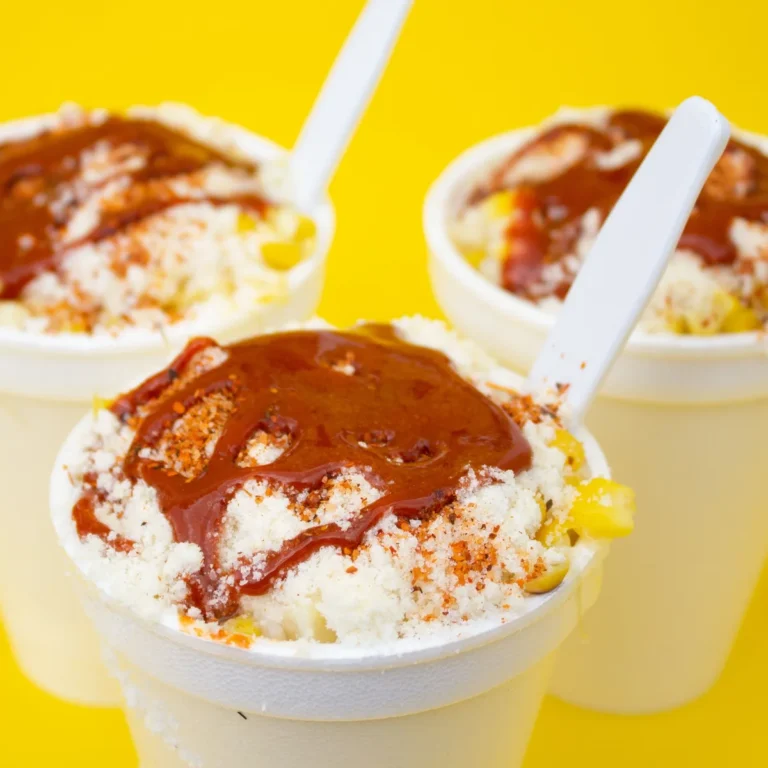
Elote / esquites. Corn on the cob dressed in mayo, cheese and chile, or the same thing off the cob in a cup with a spoon.
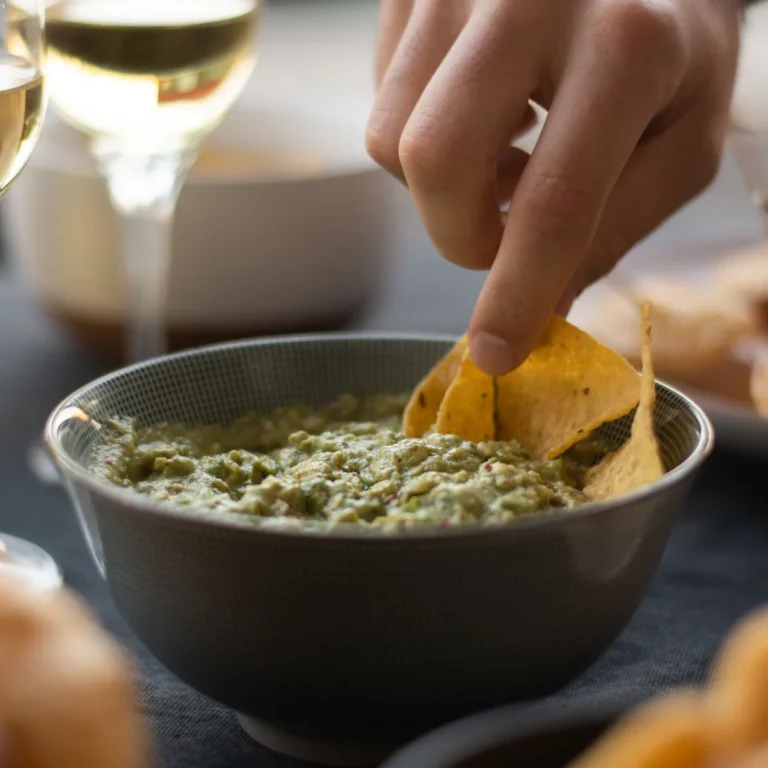
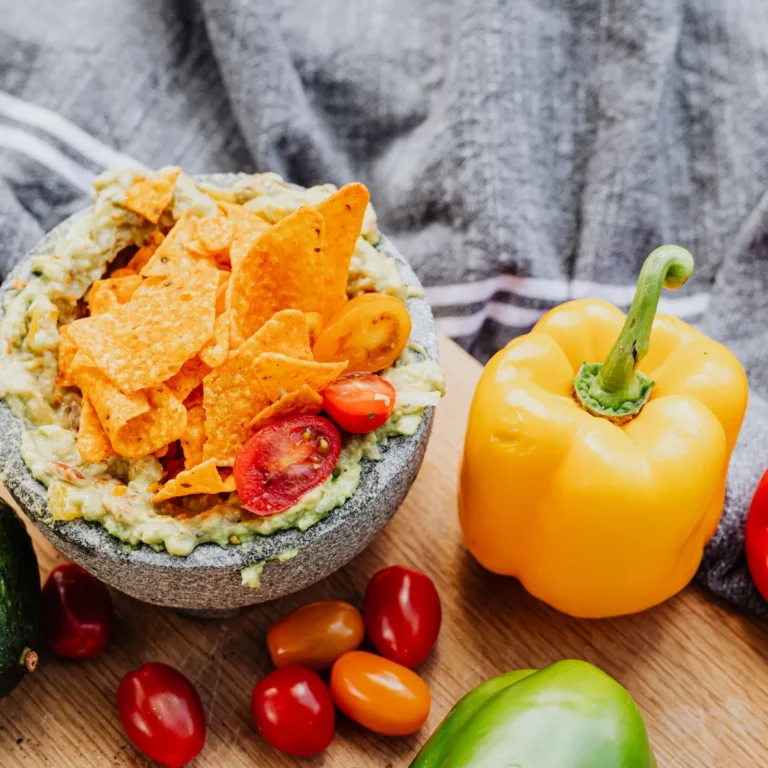
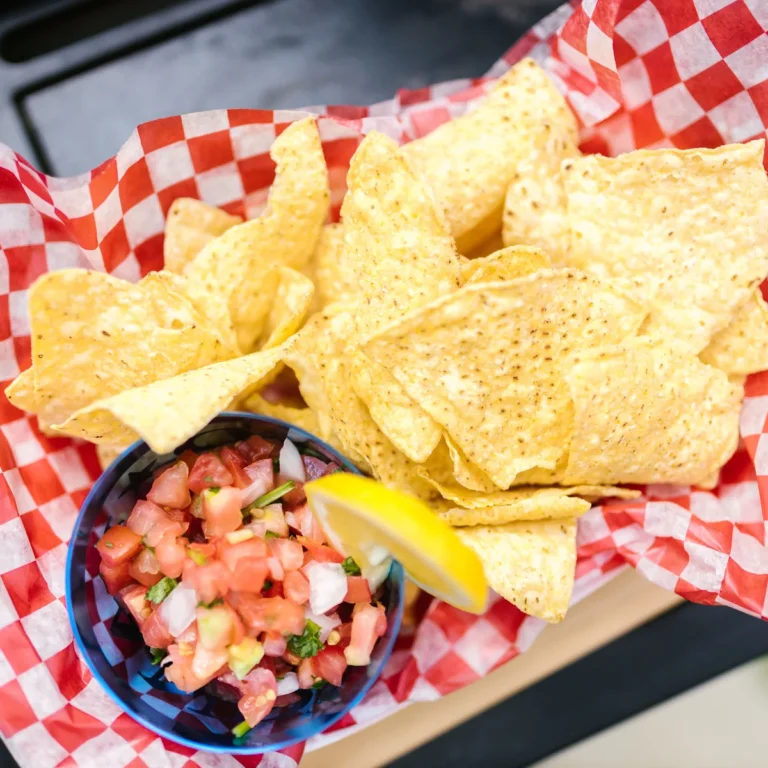
Guacamole and totopos. You know guacamole; totopos are the proper name for the fried tortilla chips beside it.
Frijoles refritos / de la olla. The smooth mashed beans versus the brothy whole ones. Both answer to “beans” and deserve better.
Nopales (no-PAH-les). Cactus paddles, grilled whole or chopped into salads. Green, flat, faintly tart.
Queso fundido. A skillet of melted cheese, often with crumbled red chorizo, eaten with tortillas by the fastest hands at the table.
Sopa de fideo. Thin noodles in tomato broth, the lunch of every Mexican childhood.
Sweets and Drinks
Churros. Ridged fried dough sticks in cinnamon sugar, sometimes filled. Flan: amber-topped caramel custard. Tres leches: white sponge cake soaked in three milks. Concha: the seashell-patterned sweet bread. Paletas: fruit ice pops, often with visible fruit pieces. Arroz con leche: rice pudding with cinnamon.
Horchata (or-CHAH-tah). Milky-white rice-cinnamon drink over ice. Agua de jamaica (ha-MY-kah): the ruby-red hibiscus one. Champurrado: thick, warm chocolate-masa drink, tamale season’s companion.
How to Use This Guide at a Real Counter
Order by name plus one question. Naming the dish gets you respect; the question, “roja o verde?”, red or green salsa, gets you the right heat. If the menu is a wall of names without pictures, the words themselves carry clues: anything “dorado” is fried golden, “en salsa” means simmered in sauce, “a la diabla” means genuinely spicy, “con todo” means with all the toppings, and “para llevar” means to go. When truly lost, point politely and ask “que es esto?”; every counter in the hemisphere would rather explain than watch you order wrong. And if you photograph your plate to identify later, get the salsa in the frame; half of identification is the sauce color.
Reading a Plate Like a Local
Beyond names, a few visual literacy rules decode almost any Mexican plate on sight. Tortilla size signals origin: palm-sized corn tortillas, doubled up, mean street-style; large flour tortillas point borderlands and burrito territory. Garnish color tells the heat story: a plate arriving with raw white onion, cilantro and lime expects you to season it yourself, while anything pre-drenched in red was seasoned for you, decisively. Crema drizzled in white zigzags plus crumbled pale cheese marks the antojito family: flautas, tostadas, enchiladas, sopes. A side of charro or black beans plus rice announces a comida plate, the full sit-down lunch, rather than a snack.
The wrapper rules save the most embarrassment: corn husks and banana leaves are packaging, unwrapped before eating; the paper under tacos stays on the tray; and the roasted chile riding whole on the plate is a garnish-slash-dare, not a vegetable side. None of this is gatekeeping, and no counter expects perfection. But a diner who reads the plate orders faster, wastes less and enjoys more, which is the entire reason this guide exists.
How Salsa Color Is Used in This Guide
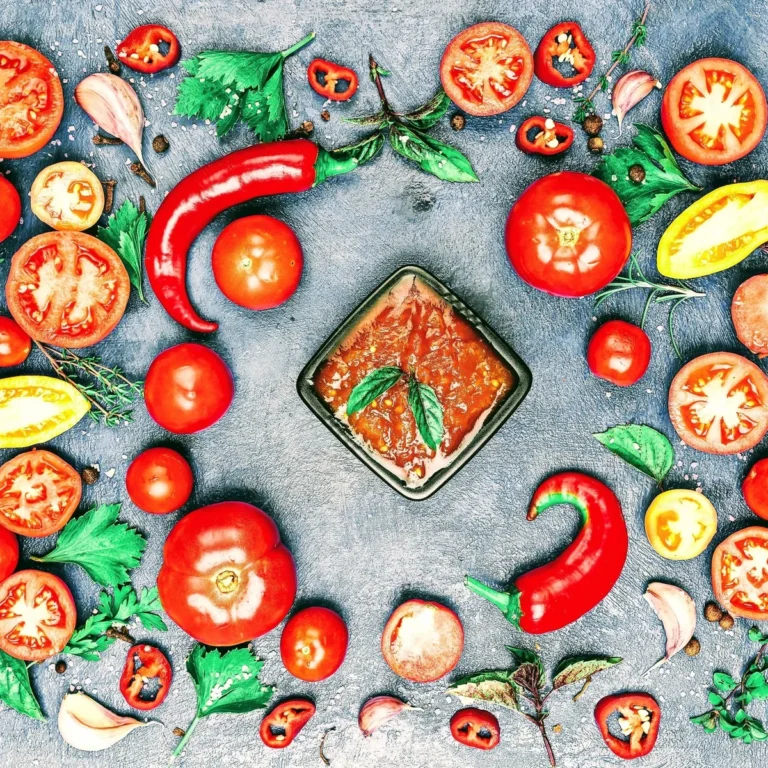
Every entry above notes the salsa color on purpose. Color is the one thing readable across a counter, and it maps closely to what is in the bowl: red usually means dried chiles or tomato, green means tomatillo, a brown dark enough to look black means chiles toasted almost to burning, and a pale orange nearly always means something creamy has been blended through. Naming the color tells you roughly what is coming before you can taste it, which is the entire job of a field guide.
FAQ
What Mexican dish should I try first if I only know tacos? From this list: chilaquiles for breakfast, pozole for a cold day, cochinita pibil anywhere it appears. All three are gateway dishes with instant payoff.
How do I know how spicy a dish will be? Ask “pica mucho?” (does it bite?). Rule of thumb from the guide: diabla and anything with visible red chile oil bites; pozole, caldo and most antojitos let you add your own heat from the salsas.
Why do so many dishes look similar in photos? Because the masa family shares one dough and the braise family shares red chile sauce. The shape and the garnish are the identifiers, which is exactly what the entries above call out.
Can I cook these from this page? This page identifies; the site cooks. Start at easy mexican recipes at home and follow the links above into each dish family, or the famous-dish context in famous mexican food.
What is the difference between nachos and chilaquiles? Nachos are chips under cold-ish toppings, invented for the borderlands snack table. Chilaquiles are chips simmered briefly in hot salsa until the edges soften, eaten with a fork for breakfast. Sauce and softness are the line.
More recipes to try
Written by Frank Thomson, Skillet & Spoon editorial. Every nutrition figure on this site is calculated ingredient by ingredient from the USDA FoodData Central database, never estimated and never rounded to look better. We do not publish net-carb figures or use non-nutritive sweeteners. How we develop and source recipes is set out in our editorial policy.