Mexico Traditional Food: 18 Dishes Older Than the Hype
Mexico traditional food starts three thousand years before the taco truck, with corn transformed by an invention that still runs the cuisine: nixtamalization, the lime treatment that turns dried corn into masa. Understand that corn, beans, chiles, squash and tomatoes formed the original pantry, and every traditional dish below stops being exotic and starts being logical.
This page is the traditions tour: what the old dishes are, what makes them traditional rather than merely old, and where a home kitchen can participate honestly. Its companion piece, famous mexican food, covers fame; this one covers roots.
The Masa Family: Corn in Every Form
Tortillas, handmade. The daily bread of the entire tradition. Masa harina, water, salt, a press and a hot comal; the first batch humbles everyone and the fifth batch converts them. Store-bought exists for weeknights; the tradition is the press.
Tamales. Festival food by design: masa beaten with fat, filled, wrapped in husks or banana leaves, steamed in crowds. Every family line has its filling and its ratio, and the assembly line IS the tradition as much as the food.
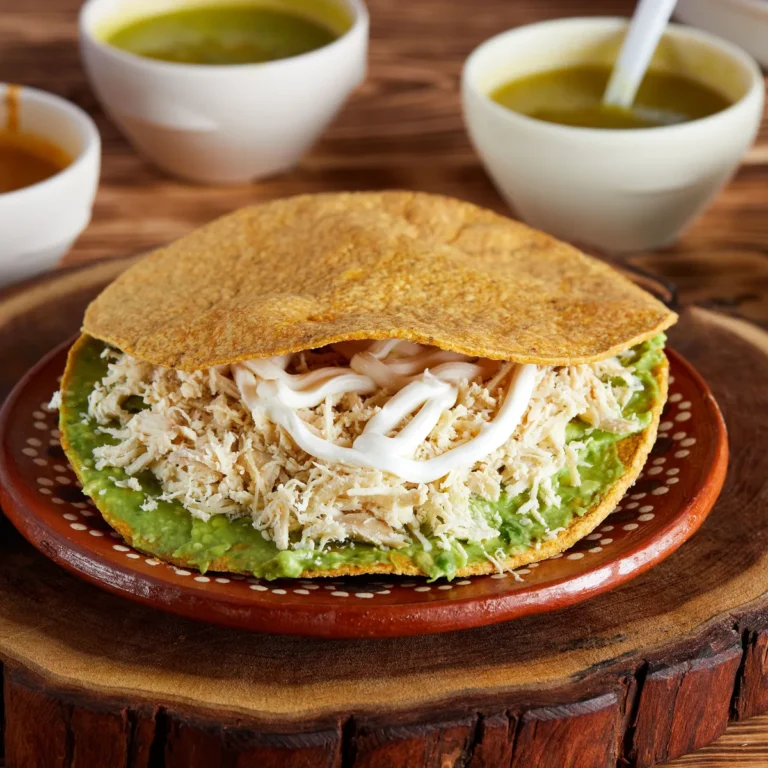
Sopes, huaraches and tlacoyos. The thick-masa cousins: pinched-edge rounds, sandal-shaped ovals, bean-stuffed pointed pockets, each griddled and topped. Street antiquity, home-feasible, and the best use of a first masa batch after tortillas.
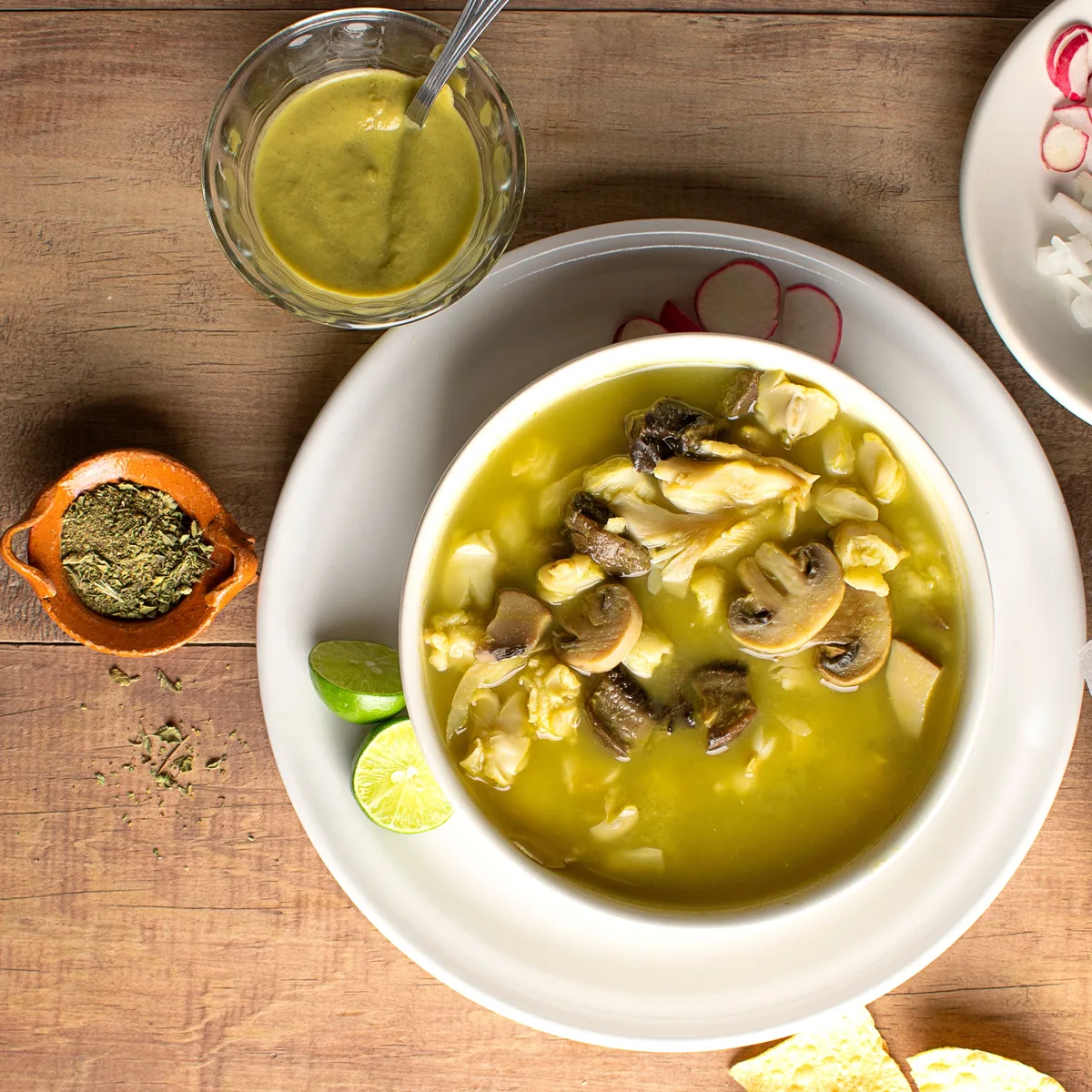
Pozole. Hominy, the nixtamal corn itself, in celebration soup form. Pre-Hispanic in origin, colonial in its pork, regional in its colors. The garnish plate of cabbage, radish, oregano and lime is not decoration; it is the dish’s second half.
Atole and champurrado. Masa drinks, warm and thickened, plain or chocolate. Breakfast tradition beside tamales, and the oldest comfort drink on the continent.
The Sauce Lineages
Mole poblano and its family. The famous one is Puebla’s, but mole is a category: negro and coloradito in Oaxaca, verde with pepitas, manchamanteles with fruit. Tradition here means lineage, recipes argued across generations. The home path: make a simple pepita-based verde from scratch once, respect the jarred paste for what it is, and taste a real one at every opportunity.
Pipian. The pumpkin-seed sauce, older than contact, nutty and brick-red or green. Simpler than the great moles and the best entry point into the sauce tradition at home.
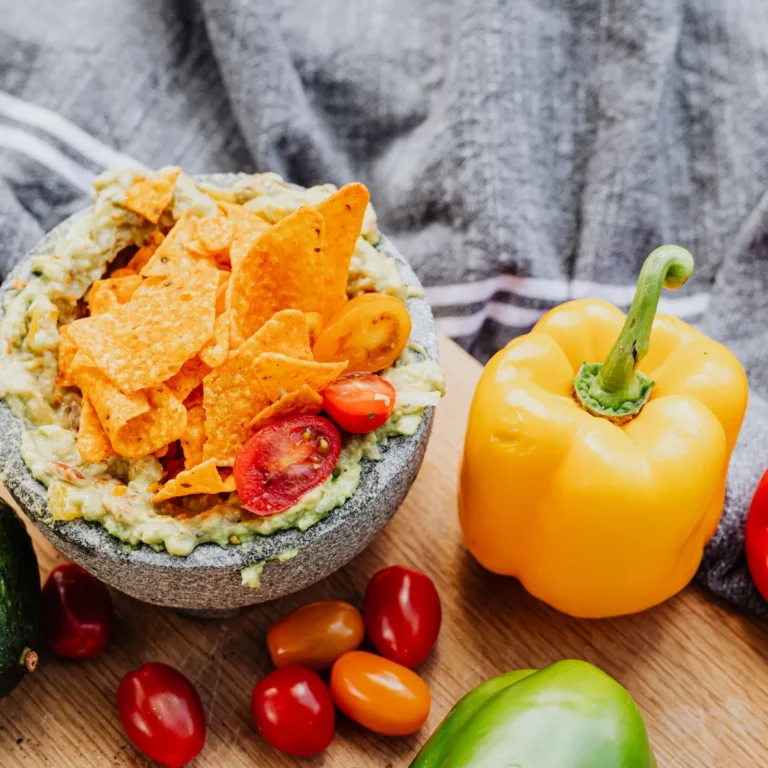
Salsa de molcajete. Salsa ground in the volcanic stone mortar. The tool predates pottery wheels, and the coarse, bruised-not-blended texture it produces is genuinely different. A blender pulsed gently is the honest shortcut.
Adobo. Chile paste as preservation and flavor at once, the ancestor of every marinade on this site.
Fire, Pits and Patience
Barbacoa. The original: whole animals in agave-lined earth pits, weekend-market food to this day. The home oven version is a respectful translation, per mexican beef recipes, and calling the difference by its name is part of the respect.
Cochinita pibil. Yucatan’s pit tradition: achiote, sour orange, banana leaves. The oven honors it surprisingly well because the banana leaf, available frozen at Latin groceries, carries most of the aroma.
Carnitas in copper. Michoacan cooks pork in its own lard in copper cazos at scale. Home translation: the braise-then-broil, always.
Mixiotes. Meat steamed in maguey parchment with adobo, a central-Mexico tradition surviving in weekend cooking. Parchment paper substitutes; the bundle is the point.
The Daily Traditions
Frijoles de la olla. Beans simmered with onion and epazote, eaten brothy with tortillas. The most eaten traditional dish in the country, bar nothing. Our pot doctrine in mexican black bean recipes is this dish with footnotes.
Chilaquiles. Yesterday’s tortillas resurrected in salsa: thrift as breakfast, tradition as leftovers policy.
Caldo de res and caldo de pollo. The market soups, a whole meal in a bowl with lime and tortillas. Sunday food across every region.
Nopales. The cactus paddle, eaten since before agriculture had a name: grilled, scrambled with eggs, in salads. Tart, abundant and unkillable in any climate that hosts it.
Aguas frescas. Jamaica, horchata, tamarindo: fruit, flowers and grains stretched with water and sugar. The traditional answer to a hot afternoon, and the pitcher tradition every party page on this site borrows.
Tradition at a Home Stove: The Honest Contract
Cooking traditional food from another culture well is a contract with three clauses. Learn the technique as taught: nixtamal corn is not cornmeal, molcajete texture is not puree, barbacoa is not pot roast with cumin. Name your substitutions: parchment for maguey, oven for pit, paste for scratch mole, said plainly, exactly as our recipe pages do. And skip the costume: no invented abuelas, no fake origin stories, just food cooked carefully and credited accurately, per the editorial rules this site publishes openly. The tradition survives contact with your kitchen just fine; what it does not need is fiction.
The Traditional Pantry, Translated to Your Store
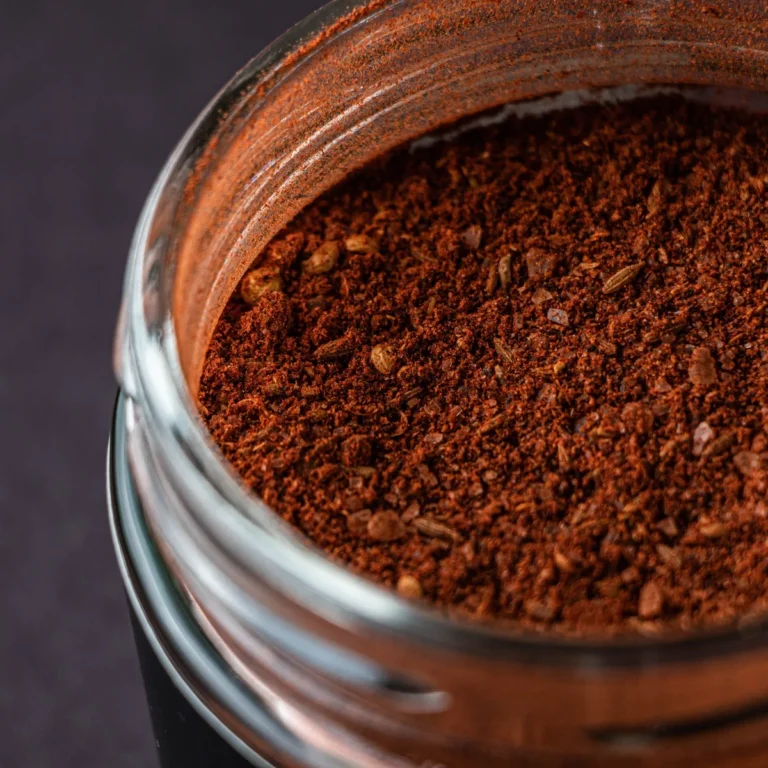
Participating in these traditions requires about a dozen items, all of them stocked by any Latin grocery and most of them by ordinary supermarkets now. Masa harina, the nixtamal flour, anchors the corn family; buy the plain white bag, not the instant-with-seasoning one. Dried guajillo and ancho chiles cover the sauce lineages; arbol adds heat when wanted. Mexican oregano, which is a different plant from Mediterranean oregano with a citrusy edge, earns its own jar. Epazote, dried if fresh is scarce, belongs in the bean pot. Piloncillo cones sweeten cafe de olla and champurrado; dark brown sugar substitutes at a small honesty cost. Achiote paste, banana leaves in the freezer case, hominy in cans, tamarind pods, and hibiscus flowers round out the festival shelf.
Two purchases upgrade everything: a tortilla press, cast iron and under twenty dollars, and a molcajete if the counter has room, though a gently-pulsed blender stands in without shame. None of this pantry expires quickly, which is the traditional pantry’s whole design: it was built by cooks preserving a harvest, and it still behaves that way in a modern cupboard. Assemble it once and every dish above moves from aspiration to Tuesday option.
Masa Harina and the Home Tortilla
Masa harina is nixtamalized corn that has already been cooked with lime, ground and dried, so adding water rehydrates it back into real masa rather than into cornmeal batter. That is why it presses and cooks like fresh dough: the nixtamal chemistry happened before the bag was sealed, not in your kitchen. Two variables decide a tortilla. The press flattens the ball evenly without tearing a dough that has no gluten to hold it together, and the comal has to run hot enough that steam forms inside the round and puffs the layers apart. Corn freshness matters less than either, because the flavor-forming step is the lime cook rather than the milling date. The entry fee to the tradition is a cast-iron press, under twenty dollars, and a first batch spent learning where that heat sits.
FAQ
What is the most traditional Mexican food? Corn, by every measure: tortillas, tamales, pozole and atole are the direct line to the pre-Hispanic kitchen. Beans simmered in a pot ride alongside.
What is nixtamalization and why does it matter? Cooking dried corn with lime (the mineral, not the fruit) loosens hulls, unlocks nutrition and creates masa’s flavor and bind. It is the single most important technique in the hemisphere’s food history.
Are tacos traditional? The format, tortilla around filling, is ancient. Specific taco styles range from centuries old to invented last decade. Both facts are fine.
What traditional dishes can a beginner actually make? Frijoles de la olla, chilaquiles, nopales with eggs, aguas frescas and press-your-own tortillas. All five are daily traditions rather than festival projects, all five forgive first attempts, and together they teach the pot, the comal and the pitcher, which are the three stations the rest of the tradition runs on.
Where does Tex-Mex fit? It is the borderlands’ own tradition, a real cuisine with its own history, and a different thing from interior traditions. This site labels which is which everywhere, per easy mexican recipes at home.
Why does traditional food use so few ingredients? Because technique carried the load: nixtamalization, charring, toasting, grinding and slow fire each transform plain ingredients profoundly. The short pantry is not poverty of options; it is confidence in method, and it is why these dishes translate to any kitchen willing to learn the moves.
Is it disrespectful to modify traditional recipes? Adapting to your market and stove is what every generation of Mexican cooks has done; the disrespect is misrepresenting the result. Substitute openly, credit the source tradition, and skip inventing heritage that is not yours. Cook the food; do not wear the costume.
More recipes to try
Written by Frank Thomson, Skillet & Spoon editorial. Every nutrition figure on this site is calculated ingredient by ingredient from the USDA FoodData Central database, never estimated and never rounded to look better. We do not publish net-carb figures or use non-nutritive sweeteners. How we develop and source recipes is set out in our editorial policy.