Spicy Mexican Food: A Heat Map of 18 Dishes and Chiles
Spicy Mexican food is widely misunderstood in both directions. The cuisine is not uniformly hot: most traditional dishes run warm, with heat offered at the table through salsas rather than baked into every pot. And when it is hot, the heat is architectural: specific chiles chosen for specific jobs, layered against acid, fat and sweetness so the fire has somewhere to live.
This page is the heat map: the chiles and what each one actually does, the dishes ranked honestly from warm to fierce, and the control panel for tuning any of them to your table.
The Chile Cabinet, Ranked by Job
Flavor-first, mild: Ancho (dried poblano, raisiny), guajillo (bright, tangy) and pasilla carry the great sauces with barely more heat than paprika. If a dish tastes deep and red without burning, these built it.
The middle managers: Jalapeno, fresh or pickled, and chipotle, which is the same pepper smoked and dried, deliver noticeable warmth that most palates ride comfortably. One chipotle in adobo seasons an entire pot, the single most useful heat unit in the pantry.
Serrano: The salsa workhorse, hotter than jalapeno, clean and grassy. Charred into salsa roja or minced raw into pico, it is the authentic sting of the taqueria table.
Chile de arbol: The small red heat missile of table salsas and camarones a la diabla. Flavor is peppery and direct; the job is fire.
Habanero: The Yucatan’s pride: fruity, floral and genuinely hot. Respected regionally, deployed in salsas and pickled onions rather than stirred carelessly into pots.
The rule that unlocks all of them: heat lives in the seeds and veins of fresh chiles and in the adobo of canned chipotles. Remove the first, measure the second, and every chile becomes adjustable.
The Dishes, Warm to Fierce
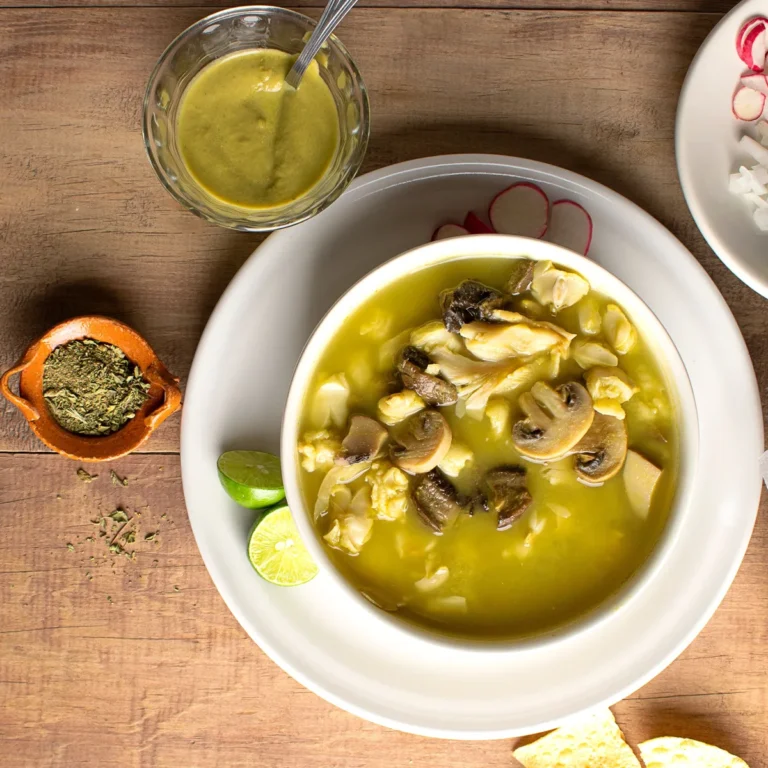
Warm, flavorful, family-safe: Enchiladas rojas, chile colorado, pozole rojo and most moles are chile-dense but heat-light; the ancho-guajillo backbone is about depth. This tier is where the “Mexican food is all spicy” myth dies.
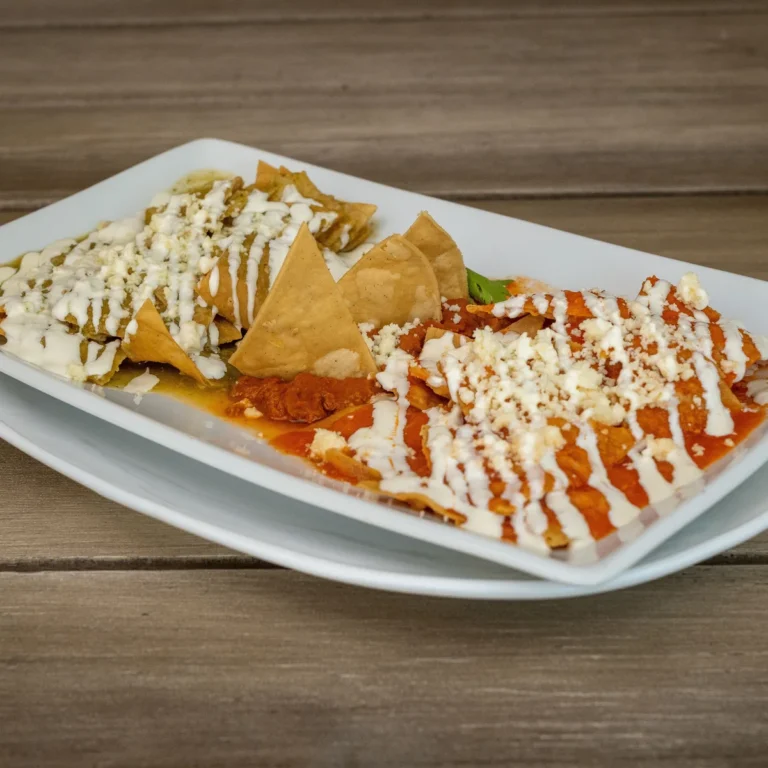
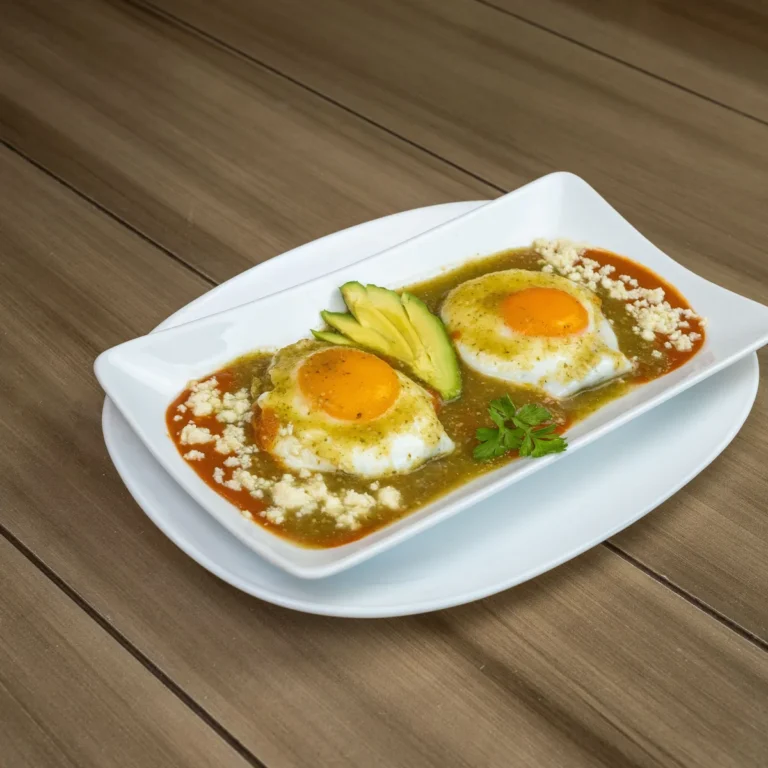
Comfortably warm: Chicken tinga, chilaquiles in either salsa, birria as usually made, and rajas con crema. One or two steps of heat, cushioned by tomato, crema or broth.
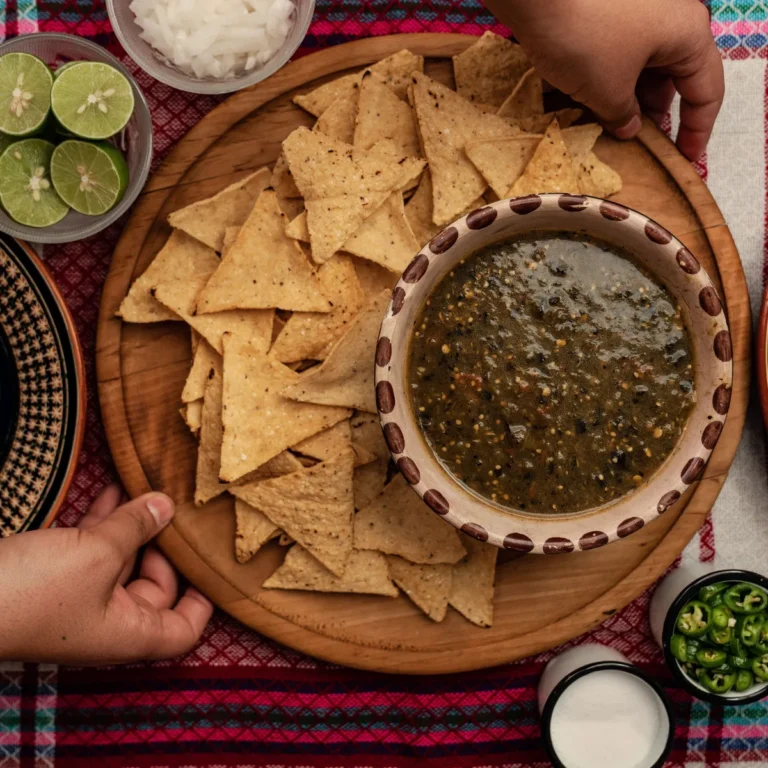
Assertive: Salsa verde with full serranos, aguachile, tacos al pastor from a good spit, chipotle-heavy barbacoa. The heat is present and purposeful; rice, beans and crema on the plate exist partly as diplomacy.
Fierce and proud: Camarones a la diabla built on arbol, per mexican shrimp recipes; salsa macha spooned with intent; anything habanero from the Yucatan playbook; torta ahogada drowned in its arbol broth. This tier warns you on the menu and means it.
The Control Panel: Tuning Heat in Your Kitchen
Dialing down without dumbing down. Seed and de-vein fresh chiles and most of the fire leaves while the flavor stays. Swap arbol count for guajillo bulk in any red sauce and depth survives the retreat. In chipotle dishes, use the pepper and skip the extra adobo spoon. And never fight heat with water; fat and acid are the negotiators, which is why crema and lime live on every table.
Dialing up with intent. Add heat late, not early: a minced serrano or a spoon of salsa macha at the end keeps the fire bright instead of stewed dull. Toast arbols briefly before blending and they wake up fully. Infuse instead of committing: a whole habanero simmered in the pot and removed leaves perfume and warmth without ambush.
The rescue protocols. Over-chilied pot: dilute with more base, add a squeeze of lime and a spoon of crema, and serve over rice; all three moves bend the same dish back toward the table. Burning mouth: dairy, rice or bread, never water, which spreads capsaicin like gossip. Burning hands: oil first to dissolve, then soap; capsaicin ignores water there too. Wear gloves for habaneros and remember the eyes-contact-lens rule the hard way only once.
Salsa Macha, the Heat Worth Learning
One preparation earns its own section: salsa macha, the Veracruz oil-based salsa of fried arbols, garlic, peanuts and sesame. It is not a dip; it is a condiment infrastructure, spooned over eggs, tacos, beans, even esquites, delivering crunch, smoke and controlled fire in one move. A jar takes twenty minutes, keeps a month at room temperature, and converts mild home cooking into adjustable-heat cooking permanently: every diner tunes their own plate, which is exactly how Mexican tables have always solved the mixed-tolerance problem.
Building Tolerance Without Suffering
Heat tolerance is trainable, and the training is pleasant if it is gradual. The ladder that works: start with chipotle-crema dishes, where smoke reads as heat with a cushion; move to fresh jalapeno salsas with seeds removed; then serrano salsas seeded, then whole; then arbol table salsas a few drops at a time. Each rung takes a couple of weeks of regular eating before the next feels inviting rather than punishing. Capsaicin receptors genuinely down-regulate with exposure, which is why the same taqueria salsa that once felt like an ambush eventually reads as seasoning.
Two training rules keep it enjoyable. Always climb with food you already love, because motivation does the adapting, not willpower; and always keep the cushion on the plate, rice, beans, crema, so a misjudged bite is a moment rather than a meal-ender. There is no prize for rushing, and the fierce tier of this page will still be there in a month, tasting better than it would tonight.
Heat and the Rest of the Plate
The reason Mexican heat works where hot-sauce-on-everything fails is that the cuisine builds the plate as a system. Fire wants fat: crema, avocado, cheese and rich braised meats absorb and round capsaicin, which is why diabla shrimp ride with rice and why habanero salsas sit beside cochinita’s fat. Fire wants acid: lime and pickled things reset the palate between waves, making heat episodic instead of cumulative. Fire wants starch: tortillas, rice and beans are the neutral floor that lets a fierce salsa be a choice per bite rather than a sentence. Compose plates with all three cushions and even the fierce tier becomes hospitality rather than hazing, which is precisely how it functions at tables across Mexico.
Seeding Versus Charring: Two Different Knobs
Seeding and charring change a chile sauce along different axes, and knowing which does what removes the guesswork. Capsaicin concentrates in the seeds and the white interior veins, so seeding and de-veining a serrano strips out most of the heat while leaving the flavor compounds in the flesh intact. Charring works differently: it develops bitter, smoky compounds that the palate registers as intensity, so a well-charred sauce can read as hotter than its actual capsaicin load. Seeding is therefore a precision tool for the heat itself, charring is a loudness knob for perceived intensity, and a cook who understands both can tune a sauce without guessing what the table will experience.
FAQ
Is Mexican food supposed to be spicy? It is supposed to be adjustable. Pots run warm; heat arrives at the table in salsas, where each eater sets their own level. Restaurants that bake fire into everything are making a choice, not preserving one.
What is the hottest common chile in Mexican cooking? Habanero by a wide margin among the everyday cabinet, with arbol as the workaday hot standard. Anything hotter is specialty territory.
How do I cook spicy food for a mixed-tolerance table? Cook the pot mild, then arm the table: a fierce salsa, salsa macha, pickled serranos, each labeled so nobody ambushes themselves. Opt-in heat has been the cuisine’s answer for centuries, it beats cooking two dinners, and it quietly turns every meal into the tolerance ladder from the section above for whoever wants to climb it.
Why does my chile sauce taste bitter instead of hot? Scorched chiles during toasting, or unstrained skins, and occasionally too many seeds ground into the blend. Toast to fragrant and never to smoking, sieve every dried-chile sauce without exception, and start over rather than doctoring a scorched batch; the chiles cost pennies and the bitterness never leaves.
Which dishes should a heat-lover cook first from this site? Camarones a la diabla, salsa verde at full serrano strength, and a salsa macha jar for everything else. Then work through mexican dinner recipes with the dial in hand. The full collection is at easy mexican recipes at home.
More recipes to try
Written by Frank Thomson, Skillet & Spoon editorial. Every nutrition figure on this site is calculated ingredient by ingredient from the USDA FoodData Central database, never estimated and never rounded to look better. We do not publish net-carb figures or use non-nutritive sweeteners. How we develop and source recipes is set out in our editorial policy.