Bariatric Soft Food List: Which Foods Are Actually Soft
A bariatric soft food list search usually arrives with the same frustration: your surgical program said to eat soft, moist foods, and the grocery store labels nothing that way. This page translates that texture instruction into named foods you can put in a cart, sorted by what actually yields to a fork. It describes texture only. Whether a soft texture is right for you, and how long you stay there, is your surgical team’s decision, not a cooking site’s.
What “Soft Food” Means
Soft is a texture category, not a clearance. A food earns the label when it breaks apart under light fork pressure with no sawing, and when it carries or holds enough moisture that it does not turn dry and stiff in the pan. Those are the two things you are testing for at the counter: does it give way, and is it moist.
That is a cooking description, and it is all a cooking site can honestly give you. It is not permission to eat any of these today. When soft food starts and how long the stage runs differ between programs on purpose, so the schedule belongs to your team and to asmbs.org, never to a recipe page.
Soft, Moist Proteins
Protein is the headline of this silo, and the trick at soft textures is keeping it moist, because a dry protein stiffens and the fibers start to fight the fork.
| Protein | Why it is soft | Prep note |
|---|---|---|
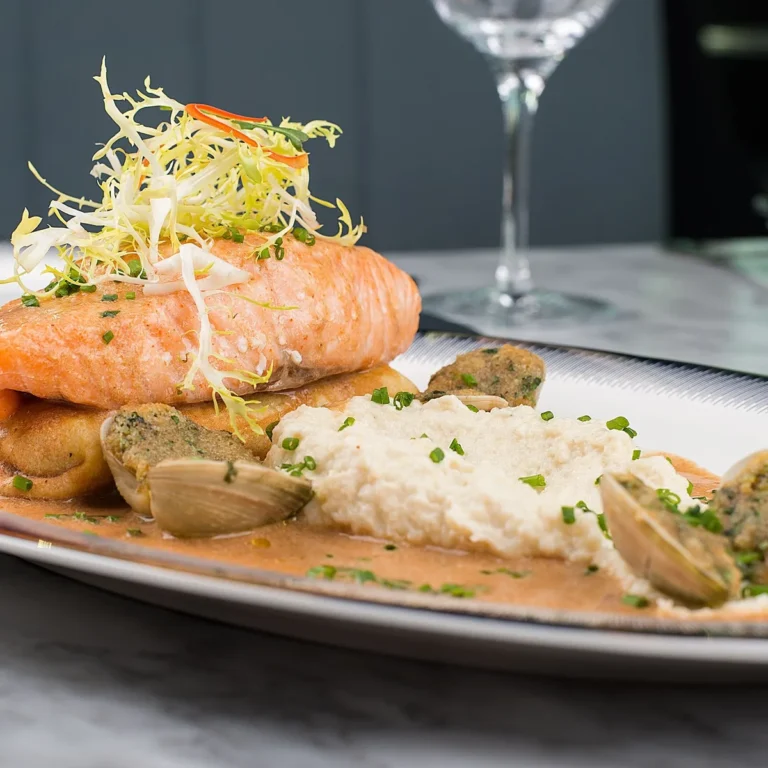
| Flaked white fish (cod, tilapia) | breaks into moist flakes under a light fork; it stays tender until about two minutes past opaque, then the proteins tighten and dry | poach or bake in liquid and pull it the moment it flakes |
| Canned chicken or tuna | already pressure-cooked soft in the can, with no fibers left to saw | fold into yogurt or ricotta so it stays moist |
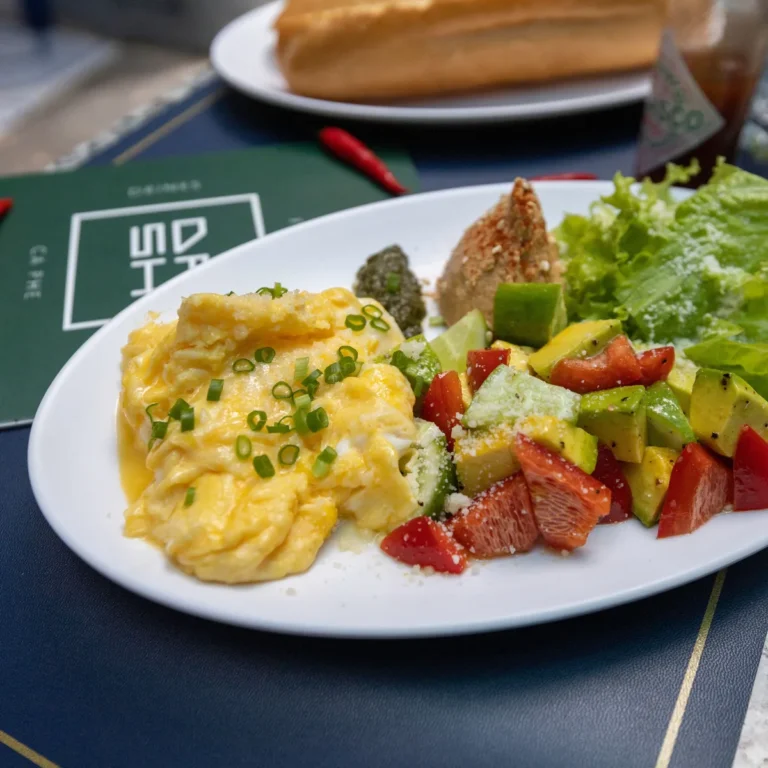
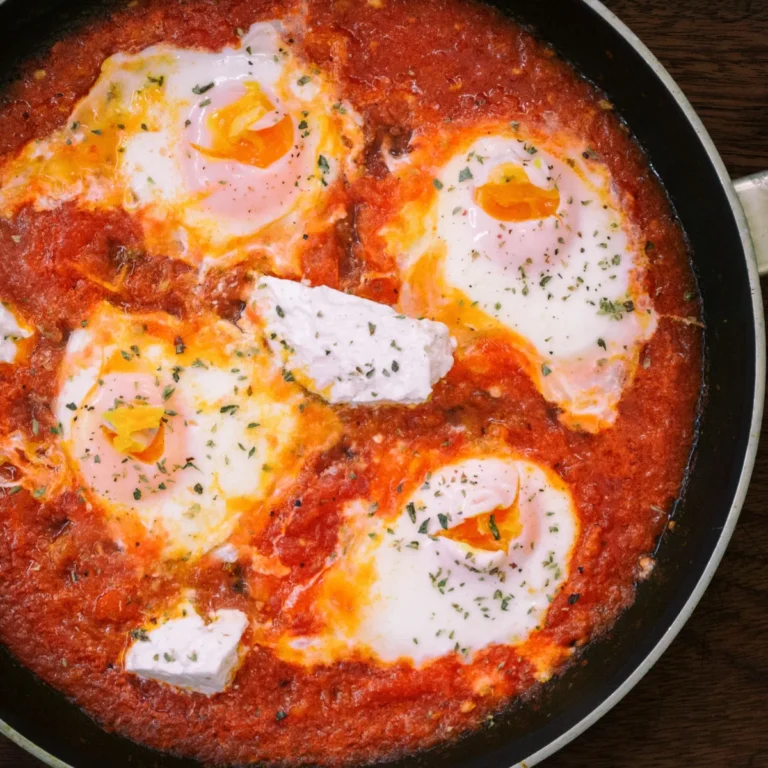
| Soft-scrambled eggs | the curds stay tender only over low heat; high heat squeezes the water out and turns them rubbery | cook slow and pull them while still glossy |
| Ground meat in sauce | simmering in liquid keeps the protein from drying and stiffening | keep it swimming in sauce, never browned dry |
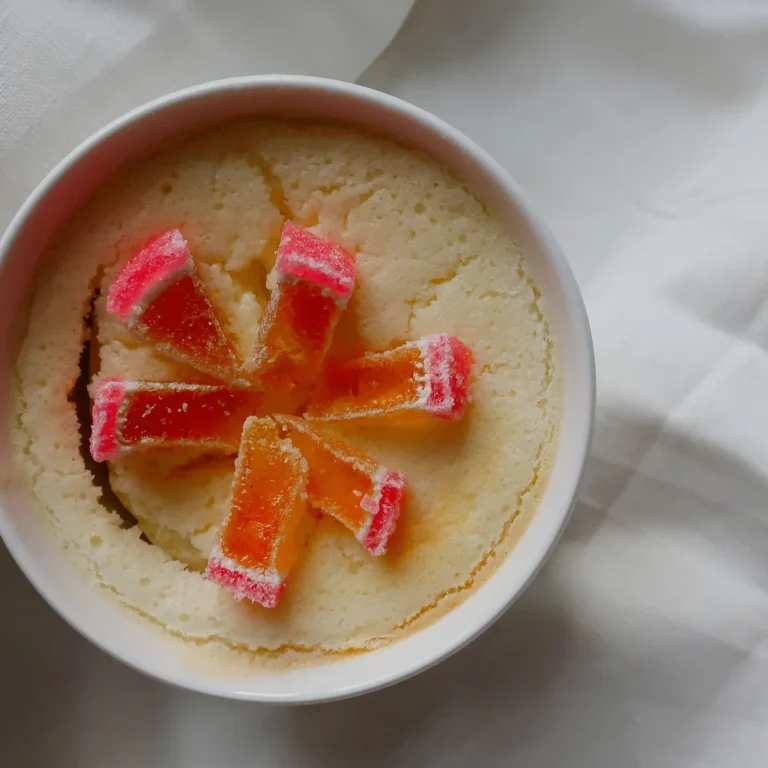
| Ricotta | small, moist curds with no chew | bake into custards or fold cold into other foods |
| Soft or silken tofu | a set custard texture that breaks with a spoon | warm it gently in broth or a sauce |
For dishes built on these, our soft food recipes for bariatric surgery collection puts the moisture technique into full method form.
Soft Cheeses
Soft cheeses are soft because they hold water and their structure is loose. The firmer and drier a cheese is, the more it chews, and aged blocks are the opposite of what this texture wants.
| Cheese | Why it is soft |
|---|---|
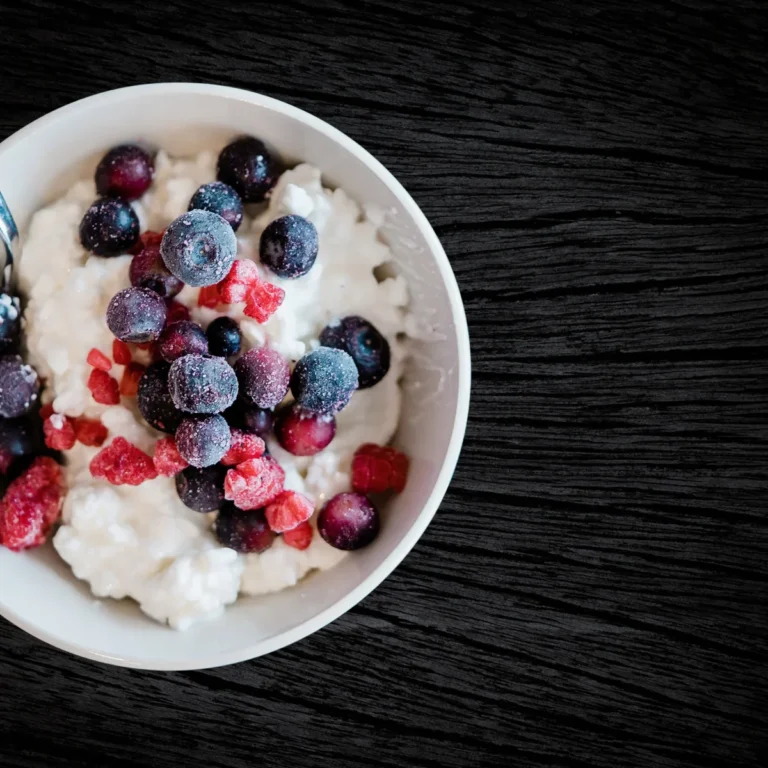
| Cottage cheese | loose, moist curds you can blend smooth if they feel grainy |
| Ricotta | fine curds and high moisture |
| Fresh mozzarella | milk-soft, unlike the drier low-moisture block |
| Cream cheese and mascarpone | spreadable, with no structure to chew |
Soft and Cooked Vegetables
Raw vegetables are firm by design. Cooking is what moves them into this list, and the target is well past crisp-tender: cook until the cell walls break down and a fork slides in without pressure. Strings, skins and seeds are the parts that resist, so they come off first.
| Vegetable | Why it is soft | Prep note |
|---|---|---|
| Carrots, simmered | the cell walls break down with long wet heat until a fork slides straight in | cook past crisp-tender, into fully soft |
| Cauliflower | florets collapse when simmered and blend silky | steam or simmer, then mash or blend |
| Zucchini, peeled and seeded | the skin holds strings and the seeds resist, but the flesh cooks down soft | peel, scrape the seeds, then cook it down |
| Cabbage, braised | it loses its squeak and turns translucent as the fibers soften | braise long and low |
| Mashed potato or sweet potato | the starch cells swell soft with heat | mash with liquid so there are no firm lumps |
Soft Fruits
Fruit softens two ways: it ripens, or it gets cooked. Both break down the cell walls that make a raw apple crunch.
| Fruit | Why it is soft | Prep note |
|---|---|---|
| Ripe, freckled banana | as it ripens the starch turns to sugar and the cell walls soften, so it mashes with a fork | mash or slice thin |
| Canned peaches or pears | heat-processed soft inside the can | drain and choose the ones packed in juice |
| Applesauce | already cooked and pureed | eat as is |
| Cooked apple or pear | heat breaks the cell walls into a soft, spoonable texture | simmer with a splash of water and cinnamon |
Foods to Approach Carefully at This Texture
None of this is a forbidden list, which is your program’s to write. It is a texture warning: these fight the fork, so they sit awkwardly in a soft stage.
Stringy vegetables like celery and asparagus stalks run long fibers that resist a fork. Skins, seeds and membranes on corn, peas and citrus segments are tough coats that do not break down with normal chewing. Doughy bread and soft tortillas gum into a paste. Steak, dry chicken breast and deli meat carry fibers that need real sawing. Dry, crumbly textures like plain rice scatter and are hard to keep moist.
How to Make Foods Softer
Most firm foods can be walked into this category with technique, and the moisture rule runs through all of it.
Braise it: long, low, wet heat is what breaks tough fibers down. Sauce it: a liquid coat keeps proteins from drying out and stiffening as they sit. Mash and thin: fork-mash a cooked food, then loosen it with broth, milk or plain yogurt until it moves easily. Peel, seed and de-string before cooking, so the parts that resist a fork never make it to the plate. For fully smooth results, our bariatric puree recipes take the same foods a step further.
FAQ
Is deli meat a soft food? By texture, no. Cured slices are dense and their fibers resist a fork, so they chew rather than break apart, which is the opposite of what this list is built on.
Are canned vegetables soft enough? Canned vegetables are heat-processed soft in the can, so their texture usually fits. Whether they fit your stage is still your program’s call.
How soft is soft enough? Use the fork test. If the food mashes or flakes under light pressure with no sawing, and it is moist rather than dry, it reads as soft.
Can I eat bread on soft foods? Soft bread is a texture trap: it feels soft in the hand but packs into a gummy, pasty ball, so it belongs in the approach-carefully group above.
Does soft food mean I am cleared to eat it? No. Texture is a cooking category, not a clearance. Confirm what and when with your surgical team and with asmbs.org.
Where to Go Next
Use this list as a translation key, then cook from it: the full method versions live in our soft food recipes for bariatric surgery, and the section’s rules and protein policy sit on the bariatric recipes pillar. Your program’s own list always wins over this page.
Written by Frank Thomson, Skillet & Spoon editorial. Every nutrition figure on this site is calculated ingredient by ingredient from the USDA FoodData Central database, never estimated and never rounded to look better. We do not publish net-carb figures or use non-nutritive sweeteners. How we develop and source recipes is set out in our editorial policy.