Bariatric Moist Chicken: 12 Recipes That Stay Tender
The problem with bariatric moist chicken is almost never the chicken, it is the cooking: dry, hard meat is what fails at the table, and the same chicken braised in a sauce goes down easily. The fix is a moisture vehicle, a sauce, gravy or braise that travels with the meat instead of a dry piece on a bare plate. Every recipe below is built around one.
Use this page by technique, not by dish name. Each section names the method that keeps chicken tender, then points to a recipe that uses it. Learn the method and you can cook far past this list.
Why Chicken Feels Dry or Hard After Surgery
Lean chicken tightens as it cooks, and once it passes done it turns firm and stringy, which is the texture that feels hard to get down. This is a description of the food, not a clearance to eat it: whether any texture suits you now is your surgical team’s call, guided by resources at asmbs.org. The cook’s job is narrow and useful, making the chicken itself soft and moist so texture is never the obstacle.
The Fix: a Moisture Vehicle
A moisture vehicle is any liquid the chicken cooks in and carries to the plate: a tomato sauce, a gravy, a braise, a pot of poaching liquid. It keeps the surface from drying, and when the meat is shredded back into it, the torn fibers draw some of that liquid back. Grilled and roasted chicken sit on a dry plate; sauced chicken arrives wet, and wet is the whole point.
Poach at a Shimmer
Lemon poached chicken breast. Salted water held at a lazy shimmer, the breast pulled at 160F and rested. A rolling boil contracts the muscle fibers and squeezes the water out, which is the exact mechanism that makes boiled breast rubbery, and the shimmer sidesteps it.
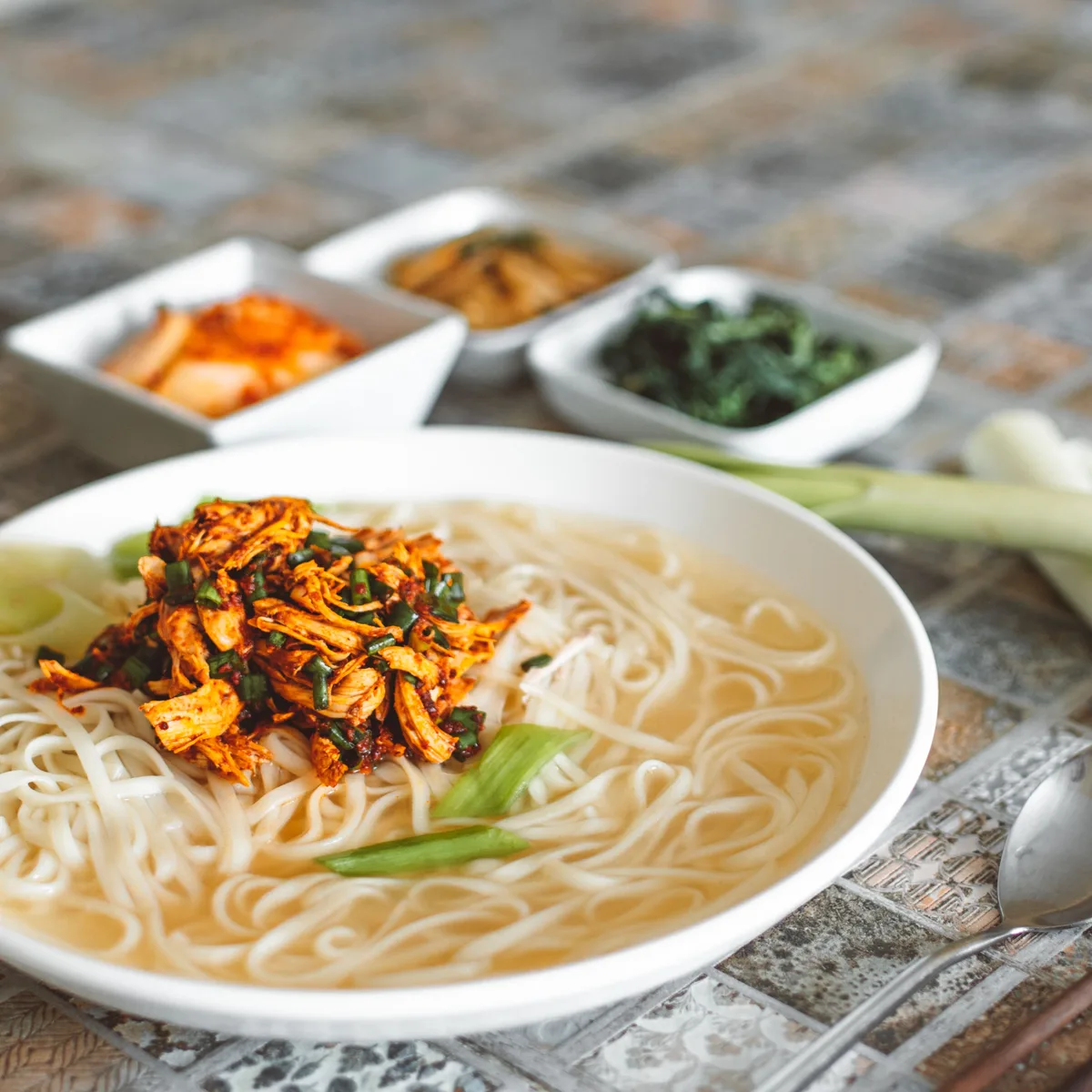
Plain poached and shredded base. The same method left unseasoned, shredded into a ladle of its own poaching liquid and kept as the week’s base for bowls and salads. Breast is done at 160F and coasts up to 165F during a five minute rest, so it leaves the heat early and finishes by carryover.
Braise Thighs in Sauce
Marinara and mushroom braised thighs. Thighs simmered gently in tomato sauce with mushrooms until fork-yielding. Thighs carry collagen and fat that keep them tender across a far wider window than breast, so they forgive an extra few minutes in the pot where breast would seize.
Chicken cacciatore, soft version. Thighs braised long with peppers and tomato until they yield to a fork. Dry-sear the mushrooms until they squeak before they go in, because wet mushrooms release their water and dilute the braise around them.
Shred Into the Liquid
Salsa chicken. Chicken cooked low in a jar of salsa, then shredded in the pot and rested in its liquid until the shreds turn glossy, full method at diabetic salsa chicken. Shredding into the liquid works because torn fibers expose far more surface to reabsorb moisture than a whole breast ever can.
Shredded taco chicken. The same shred-in-liquid move with cumin and mild chili stirred into the cooking liquid. Keep the meat in that liquid right up to serving, because drained shredded chicken firms and dries within minutes on the plate.
Finish in a Sauce
Skillet chicken in tomato pepper sauce. Cutlets seared briefly, then finished by simmering in a soft pepper and tomato sauce. The sauce simmer rehydrates the surface that the sear dried out, which is why a sauce-finished cutlet beats a bare pan-fried one.
Chicken in gravy. Gently cooked chicken served under a stock-based gravy that keeps every slice coated. Slice against the grain, because with-the-grain slices chew stringy at any temperature, sauce or no sauce.
The Slow Cooker
Slow cooker chicken and vegetable soup. Thighs cooked low until they shred themselves, the vegetables fully yielding. Long moist heat at a low temperature melts thigh collagen into gelatin, which coats the meat and reads as silk rather than string.
Blended chicken soup. Poached thighs blended smooth into their own broth for the softest texture on the page. Thigh blends rich and creamy where lean breast blends pasty, so the cut you choose is the recipe.
Not Just Chicken: Salmon and Cod
Chicken is not the only moist protein, and two fish are easier than any of it. Salmon and cod stay naturally moist because their flesh holds fat and water in short, delicate fibers that need very little heat to be done.
Salmon pulled at the first flake. Out of the oven while the center still looks slightly glassy, then finished by its own heat on the plate. Opaque all the way through in the oven means dry by the time it reaches the table.
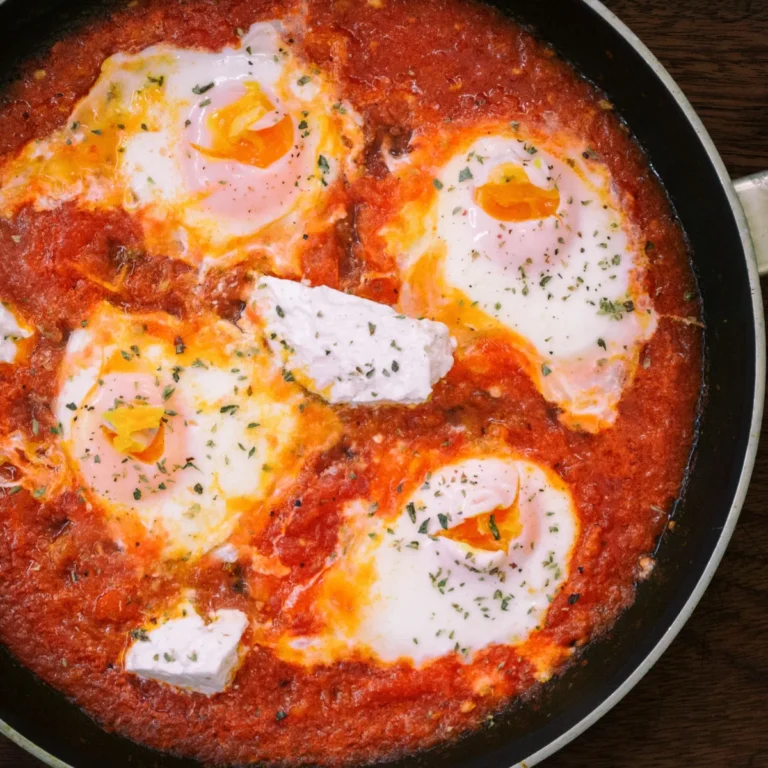
Poached cod in tomato sauce. Cod that simmers its last few minutes in the sauce itself, which makes drying it out nearly impossible, method at bariatric poached cod in tomato sauce. It is the most forgiving recipe on this page.
How the Protein Numbers Work
Every recipe above that carries a recipe card states its protein per serving from USDA FoodData Central, so the figure is honest for the conversation you have with your team. The whole-food chicken and fish builds are the strongest assets here. Where a recipe leans on protein powder, such as bariatric protein shake, it publishes a full method with no nutrition numbers at all by design, because powders vary too much by brand for any single figure to be right for most people. For more of the same whole-food approach, see high protein bariatric recipes.
FAQ
How do I cook bariatric moist chicken that stays tender? Cook it in a liquid and keep it there until serving. Poach at a shimmer, braise thighs in sauce, or shred the meat back into its cooking liquid, and each keeps water in the meat instead of driving it out. Pull breast at 160F and let carryover finish it on a short rest.
Why does my chicken always come out dry? Usually high dry heat, no thermometer and no rest, all at once. Boiling and hard roasting contract the fibers and wring the water out, while a shimmer, a sauce and a five minute rest reverse all three habits.
Is breast or thigh better here? Thigh, most of the time. Its collagen and fat keep it tender across a wider cooking window, and it blends and braises better, while breast earns its place poached and rested where its leanness stops being a liability.
Does a texture label mean a food is cleared for me? No. A label describes how soft or moist a food is, nothing more. What fits your current guidance is your surgical team’s decision, with patient resources at asmbs.org.
Can I use rotisserie chicken? Yes for the shredded and sauced builds, with one note: taste before you season, because store birds run salty, and warm the shreds through in your sauce so they pick up moisture again.
Where to Go Next
The pattern under every recipe here is the same: pick a moisture vehicle first, then the chicken, and let the two cook together. Learn one method from this bariatric moist chicken collection and the rest follow, from salsa chicken to braised thighs to a pot of blended soup. The full section, with textures labeled from smooth to regular, starts at the bariatric recipes pillar, and the wider chicken bench sits at bariatric chicken recipes and bariatric soft food recipes.
Written by Frank Thomson, Skillet & Spoon editorial. Every nutrition figure on this site is calculated ingredient by ingredient from the USDA FoodData Central database, never estimated and never rounded to look better. We do not publish net-carb figures or use non-nutritive sweeteners. How we develop and source recipes is set out in our editorial policy.