How to Soften Corn Tortillas So They Don’t Crack
To soften corn tortillas, add heat and a little moisture: warm each one about 30 seconds a side on a dry comal, steam a stack wrapped in a damp towel, or pass them through a thin film of hot oil. Cold tortillas snap because the masa stiffens as it cools. Heat, with a touch of steam, makes it flexible again.
That single idea covers every method below. Pick the one that matches the dish you are building, because a taco needs a different tortilla than an enchilada, and the enchilada trick is the one that saves your dinner from going soggy.
Why Corn Tortillas Crack
A corn tortilla is nixtamalized corn and water, with no gluten to give it stretch. When it comes off the press or out of the bag warm, the gelatinized starch in the masa is soft and pliable. As it cools, that starch retrogrades, meaning the loosened starch molecules recrystallize into a tighter, more rigid structure. That is the stiffness you feel, and it is why a cold tortilla folds into a clean split instead of a curve.
Reheating reverses the process. Warmth plus a small amount of water re-gelatinizes the surface starch and restores the flexibility the tortilla had when it was fresh. You can check this in your own kitchen: a tortilla straight from a cold fridge cracks at the first bend, and the same tortilla after 20 seconds of heat rolls without a mark. The colder and staler the tortilla, the more retrograded starch there is to soften, which is why day-old refrigerated tortillas need more heat than fresh ones off the shelf.
This is also why the microwave alone is the worst tool for the job. Microwaving drives the water inside the tortilla to steam and pushes it out into the air, so an uncovered tortilla comes out hot but drier and more brittle than it started. A dry comal or a covered method adds or holds surface moisture instead of stripping it, which is the difference between pliable and papery.
Method 1: Light-Fry in Oil
The fastest way to make a tortilla bend is to run it through hot oil. Heat about a quarter inch of neutral oil to roughly 350F, then lay each tortilla in for 5 to 10 seconds a side, just until it goes limp and starts to bubble but well before it stiffens into a crisp shell. Drain on paper towel and keep the stack covered so residual heat carries through.
That short dip does more than warm the tortilla, and this is the part most cooks miss. The oil partially fries and seals the surface starch, so the tortilla turns slightly water-repellent. That oil-set surface is a sauce barrier: it slows how fast the tortilla drinks in liquid, which is exactly what you want for anything that sits in sauce. The trade-off is grease and a few extra minutes, so this method earns its place mainly when sauce resistance matters.
Method 2: Steam in a Towel (No Frying)
If you want to soften corn tortillas without frying, steam is the answer, and it needs nothing but a clean kitchen towel. Dampen the towel lightly, wrap a stack of five or six tortillas in it, and heat the bundle: about 30 to 45 seconds in the microwave, or a few minutes in a 300F oven. Leave them wrapped for a minute after heating so the steam keeps working.
The mechanism is simple physics. The water in the towel turns to steam, and that steam penetrates the outer layer of masa and re-hydrates the retrograded starch, restoring the flex that cooling took away. Wrapping traps the steam against the tortillas instead of letting it escape, which is the whole reason the towel matters. This gives you soft, foldable tortillas with no oil and no added grease, ideal for tacos and quesadillas where you do not want a fried surface.
A steamer basket over simmering water does the same thing if you would rather not use a towel. Stand the stack in the basket, cover, and give it two to three minutes. The rule is the same across every no-fry route: moisture plus gentle heat, then a rest under cover.
One caution with steam: do not overdo it. Soak the towel instead of dampening it, or steam past a couple of minutes, and the tortillas take on so much water they turn slack and start to fall apart in the hand. The masa can only re-hydrate so far before the structure that holds it together softens too, so aim for pliable and stop there.
Method 3: Comal or Oven
The comal, a flat dry griddle, is the traditional route and it costs nothing but attention. Heat it to medium-high, lay a tortilla straight on the dry surface, and give it about 30 seconds a side. You want the tortilla to warm through and pick up a few toasted freckles, not to dry out and stiffen, so keep them moving to a covered stack or a clean towel the moment they are hot.
The dry heat works because it warms the masa fast enough to soften the starch before much water escapes, and the tortilla carries its own internal moisture into that reaction. A cast-iron skillet stands in perfectly for a comal. The one habit that ruins this method is leaving a tortilla on the heat too long: past about a minute the surface dries out and you cross from pliable into crisp.
For a crowd, the oven does the comal’s job in bulk. Wrap tortillas in stacks of eight to ten in foil, sealing the packet so it holds steam, and warm at 350F for about 15 minutes. The foil is doing the same job as the damp towel, keeping moisture in so the tortillas soften rather than dry.
Which Method to Use
Each method trades pliability, grease, and sauce resistance differently, so match the tool to the dish. Here is the quick comparison.
| Method | Pliability | Grease | Sauce resistance | Best for |
|---|---|---|---|---|
| Light-fry in oil | High | Yes | High, seals the surface | Enchiladas, anything saucy |
| Towel or basket steam | High | None | Low | Tacos, quesadillas, no-fry cooking |
| Comal or dry skillet | Medium to high | None | Low | Tacos, a few at a time, char flavor |
| Oven in foil | Medium | None | Low | Warming a big stack for a crowd |
Read the table by the dish first. If the tortilla is going to sit in sauce and bake, the light-fry barrier is worth the grease. If it is going straight to the plate, steam or the comal keeps it clean and soft.
How to Soften Corn Tortillas for Enchiladas
Enchiladas are the hardest case, because the tortilla has to bend around a filling and then survive a bath of sauce in the oven without turning to paste. This is where knowing how to soften corn tortillas for enchiladas pays off, and the fix is a combination, not a single step. Soften first, then defend against the sauce.
The classic restaurant move is the light-fry from Method 1, followed by a quick dip in warm enchilada sauce before filling. The brief fry sets the oil barrier, and the warm-sauce dip both softens the tortilla the rest of the way and flavors it, so it rolls tight and holds. Warm sauce, not cold: cold sauce chills the tortilla back toward brittle and undoes the softening you just did. For the baked-dish version of this idea, see our Mexican casserole recipes, where layering skips the rolling entirely.
Two more details decide whether an enchilada holds. Reach for sturdier tortillas, the thicker yellow-corn style, because more masa means more structure to flex around a filling before it tears. And if a rolled enchilada wants to spring open, pin the seam with a toothpick: masa has no elastic gluten network to hold a fold shut, so nothing keeps the seam closed until the sauce and heat set it in the oven. Pull the picks before serving.
Why Homemade Corn Tortillas Split
If you press your own and they crack at the edges before they ever hit a pan, the masa is the problem, not your reheating. The most common cause is hydration. Masa harina needs time to absorb its water, and a dough used straight after mixing still has dry pockets where the flour has not fully taken up moisture, and those dry spots crack under the press.
Give the dough a rest. After mixing, cover the masa and let it sit for 20 to 30 minutes so the water works fully into the starch, then check the texture: it should feel like soft play dough and hold a pressed edge without crumbling. If a pinched piece cracks at the rim, work in water a teaspoon at a time until it does not.
Under-kneading leaves the same weakness. The masa needs enough working to distribute moisture evenly and build a cohesive dough, so knead until it is smooth and uniform rather than patchy. Press between two sheets of plastic or a cut zip bag so the thin round releases cleanly, since a tortilla that tears coming off the press was going to split at the table too.
Cooking temperature matters just as much as the dough. A press-fresh tortilla goes onto a hot comal, around medium-high, and cooks in short stages: a short first side, a flip, then a longer second side that often puffs as steam builds inside. A comal that runs too cool dries the tortilla out slowly instead of setting it fast, and a slow-cooked tortilla loses its interior moisture and turns leathery and crack-prone. Get the griddle properly hot before the first one goes down.
FAQ
How do I soften corn tortillas so they don’t crack? Warm them with heat and a little moisture. A dry comal for 30 seconds a side, a damp-towel steam, or a quick light-fry all re-soften the masa. Keep the warmed stack covered so they do not cool and stiffen before you use them.
How do you soften corn tortillas without frying? Wrap a stack of five or six in a lightly damp kitchen towel and heat 30 to 45 seconds in the microwave, or a few minutes in a 300F oven, then leave them wrapped a minute. The trapped steam re-hydrates the masa and makes them foldable with no oil.
How do you keep corn tortillas from breaking when you roll them? Never roll them cold. Soften with heat first, use sturdier thick tortillas, and for enchiladas dip them in warm sauce and pin the seam with a toothpick until baking sets it. Masa has no gluten, so a cold, dry tortilla will always crack when rolled.
Why do corn tortillas crack when rolled? Because the starch in the masa retrogrades and stiffens as the tortilla cools, and there is no gluten to give it stretch. A cold tortilla has a rigid starch structure that folds into a split. Heat and moisture reverse it and restore the bend.
Can I soften corn tortillas in the microwave? Yes, but wrap them in a damp towel first. Microwaving a bare tortilla drives its water out as steam and leaves it more brittle, while the damp towel adds moisture instead of removing it. Heat the wrapped stack in short bursts and rest it covered.
Which corn tortillas are best for enchiladas? Thicker, sturdier yellow-corn tortillas hold up best, because more masa gives more structure to roll around a filling and sit in sauce without tearing. Whichever you use, soften and set a sauce barrier by light-frying before you fill and roll.
The Short Version
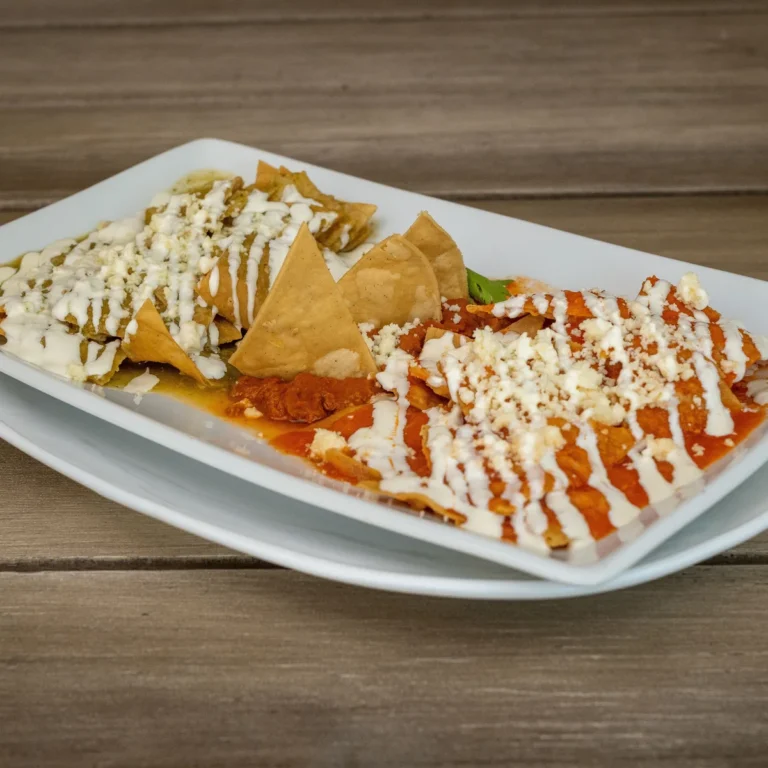
Cracking is a temperature problem, not a bad-tortilla problem. Cold masa is stiff, warm masa is pliable, and every method here is just a way to add heat and hold a little moisture: light-fry for a sauce barrier, towel-steam for a clean no-fry finish, comal or oven for everyday warming. Learn to soften corn tortillas the right way for the dish in front of you and the splits stop. For more of the dishes these tortillas end up in, from chilaquiles to tacos, browse our Mexican breakfast recipes and the full easy Mexican recipes at home collection.
Written by Frank Thomson, Skillet & Spoon editorial. Every nutrition figure on this site is calculated ingredient by ingredient from the USDA FoodData Central database, never estimated and never rounded to look better. We do not publish net-carb figures or use non-nutritive sweeteners. How we develop and source recipes is set out in our editorial policy.