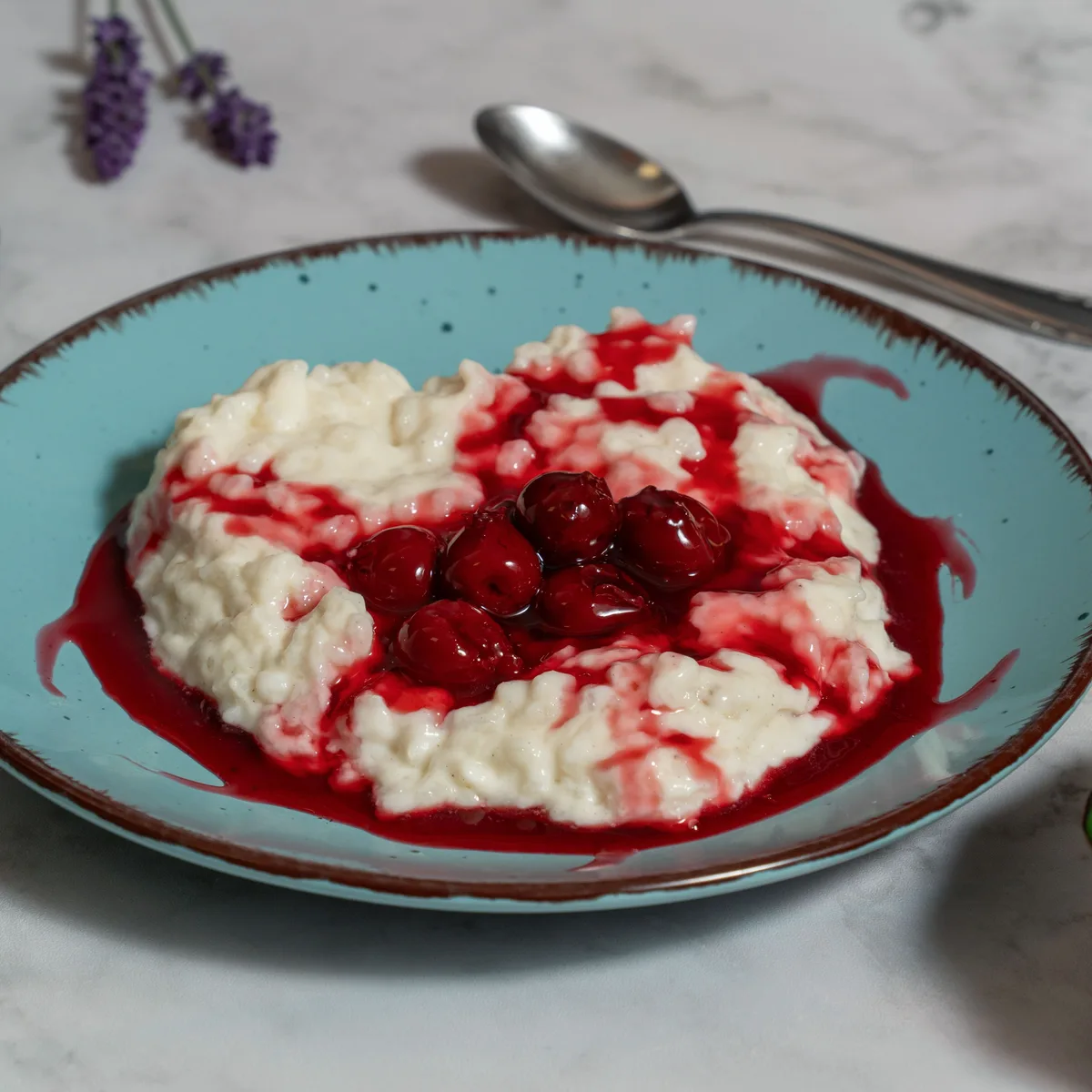
Arroz con Leche (Mexican Rice Pudding)
Arroz con leche is rice simmered in milk until the starch it releases turns the whole pot creamy, sweetened and scented with cinnamon. It is dessert, breakfast and street food across Mexico and Spain, and the only decision that really matters is when to stop cooking it. Pull it off the heat looking right and it sets into paste by the time it reaches the table. The recipe card carries the full method with USDA-calculated numbers, and this page explains that and the rest.
Ingredients
Method
- Rinse the rice only briefly, or not at all. The surface starch you would wash away is what thickens the pudding.
- Simmer the rice with the water and salt in a heavy pan, uncovered, 10 to 12 minutes, until the water is absorbed and the grains are swollen but still firm.
- Add the whole milk and the cinnamon. Bring to a bare simmer and cook 25 to 30 minutes, stirring every few minutes and scraping the bottom.
- Stir more often toward the end, when it starts to thicken, because that is when it catches and scorches.
- Add the condensed milk and the raisins and cook 5 minutes more, stirring constantly.
- Take it off the heat while it still looks loose and pourable, like thin cream. It thickens substantially as it cools.
- Stir in the vanilla. Serve warm, or chill and loosen with a splash of milk before serving cold. Dust with cinnamon.
Where It Comes From
Rice pudding exists almost everywhere rice does, and arroz con leche arrived in Mexico from Spain, which had it from Moorish cooking. The Mexican version is distinguished by canned milk, usually sweetened condensed and sometimes evaporated, and by cinnamon as the dominant aroma, often with raisins. It is sold warm in cups from carts, served cold at home from the fridge, and eaten at any time of day. This is the condensed milk version.
Why This Recipe Works
- The rice thickens the pudding, nothing else does. Simmering rice in liquid releases amylose and amylopectin from the grain surface into the milk, and those starch molecules are what give the pudding body. That is why the rice is barely rinsed, why a starchy medium or long grain works, and why no flour or cornstarch belongs anywhere near it.
- Starting in water, finishing in milk, is a timing trick. Rice swells faster in water than in milk, because milk’s fat and protein coat the grains and slow absorption. Ten minutes in water gets the grain most of the way there, then the milk phase is about flavour and thickening rather than waiting for the rice to soften, which keeps total cooking time down and reduces the risk of scorching.
- It must look too loose when you stop. Starch keeps absorbing liquid as the pudding cools, so a pot that looks perfect on the stove will be stiff and pasty at room temperature. Taking it off while it still pours like thin cream is the single most useful thing to know about this dish.
Ingredient Notes
The rice. Plain long grain white rice is standard and is what the card counts. Medium grain or arborio gives a creamier, thicker result because they carry more starch. Avoid parboiled or converted rice, which has been processed specifically so the grains stay separate and release less starch, the opposite of what is wanted here. Brown rice does not work without a much longer cook and the texture stays chewy.
The cinnamon. A real Mexican preparation uses two sticks of canela, the soft Ceylon cinnamon, simmered in the milk and fished out at the end, which gives a rounder flavour than ground. The card counts ground cinnamon, because USDA has no separate entry for a stick that is removed before eating. If you use sticks, the card’s figure still covers everything else.
The milks. Whole milk for the body of it and sweetened condensed for sweetness and richness. The condensed milk goes in late, because its sugar raises the risk of scorching if it sits on the bottom of a hot pan for half an hour. Brands of canned milk differ in sweetness, so taste before you decide it needs anything more.
The raisins. Traditional and optional. Added in the last five minutes they plump without dissolving; added at the start they disintegrate.
The Method, In Short
Simmer the rice in water, add milk and cinnamon, cook gently with regular stirring, add condensed milk at the end, stop while it looks loose. About 45 minutes, most of it at a low simmer.
On stirring. Stir every few minutes early on and almost constantly for the last ten. Stirring does two jobs: it keeps the starch moving so the bottom does not catch, and it abrades the grains slightly, releasing more starch into the milk. A heavy-bottomed pan matters for the same reason, since thin pans create hot spots that scorch before the rest of the pot is ready.
Warm or Cold
Both are correct. Warm from the pot it is looser and the cinnamon is more aromatic. Cold from the fridge it is thick, dense and sliceable in the bowl, which is why it is usually loosened with a splash of milk and stirred before serving. If you plan to serve it cold, stop cooking even earlier than you think, because the chill will thicken it further than room temperature does.
What to Serve With It
It stands alone, dusted with cinnamon. A spoon of cajeta or dulce de leche on top makes it richer, and fresh fruit cuts it. It belongs on a table beside flan and churros, and alongside a cup of coffee or horchata, with which it shares both rice and cinnamon. For more sweets, see Mexican dessert recipes.
Storage
Arroz con leche keeps four days refrigerated in a covered container and it will set firm, which is normal. Loosen it with a few tablespoons of milk stirred in, warm or cold, and it comes back to the right consistency. It does not freeze: the starch network that makes it creamy breaks down when ice crystals form in it, and the thawed pudding is grainy with liquid separating out. Make a smaller pot rather than freezing the extra.
Why It Scorches, and Why It Turns to Paste
These are the two failures and they share a cause, which is heat. Scorching happens at the bottom of the pan, where starch settles and sticks, and once it catches the burnt flavour goes through the whole pot and cannot be stirred out. Low heat, a heavy pan and frequent scraping along the base prevent it; if you smell it starting, pour the pudding into a clean pan immediately without scraping the bottom, and you may save it. Paste is the other end: too long on the stove, or stopping at the consistency you actually want, which guarantees it overshoots as it cools. Both failures happen in the last ten minutes, which is exactly when it needs the most attention.
FAQ
What rice is best for arroz con leche? Plain long grain or medium grain white rice. Short grain and arborio give a creamier result. Avoid parboiled or converted rice, which is processed to release less starch.
Why is my rice pudding not creamy? Either the rice was rinsed too thoroughly, so the surface starch went down the drain, or it was not stirred enough. The creaminess comes from starch released by the grains, not from added thickeners.
Should I serve it warm or cold? Both are traditional. Warm it is looser and more aromatic; cold it is dense and usually loosened with a splash of milk before serving.
Can I use a cinnamon stick instead of ground? Yes, and it is the more traditional choice. Simmer two sticks in the milk and remove them before serving. The card counts ground cinnamon because the stick is not eaten.
Why did mine turn stiff and pasty? It cooked too long, or it was taken off at the consistency you wanted to serve. Starch keeps absorbing as it cools, so stop while it still pours like thin cream.
Can I make it dairy free? Evaporated coconut or oat milks will thicken with the rice, though the flavour changes considerably and sweetened condensed coconut milk is needed to match the sweetness. It is a different dessert, honestly labelled.
Where to Go Next
The other canonical Mexican desserts are flan and churros, the drink that shares its rice and cinnamon is horchata, and there is more at Mexican dessert recipes. The whole library starts at easy Mexican recipes at home.
Written by Frank Thomson, Skillet & Spoon editorial. Every nutrition figure on this site is calculated ingredient by ingredient from the USDA FoodData Central database, never estimated and never rounded to look better. We do not publish net-carb figures or use non-nutritive sweeteners. How we develop and source recipes is set out in our editorial policy.