Horchata (Mexican Rice and Cinnamon Drink)
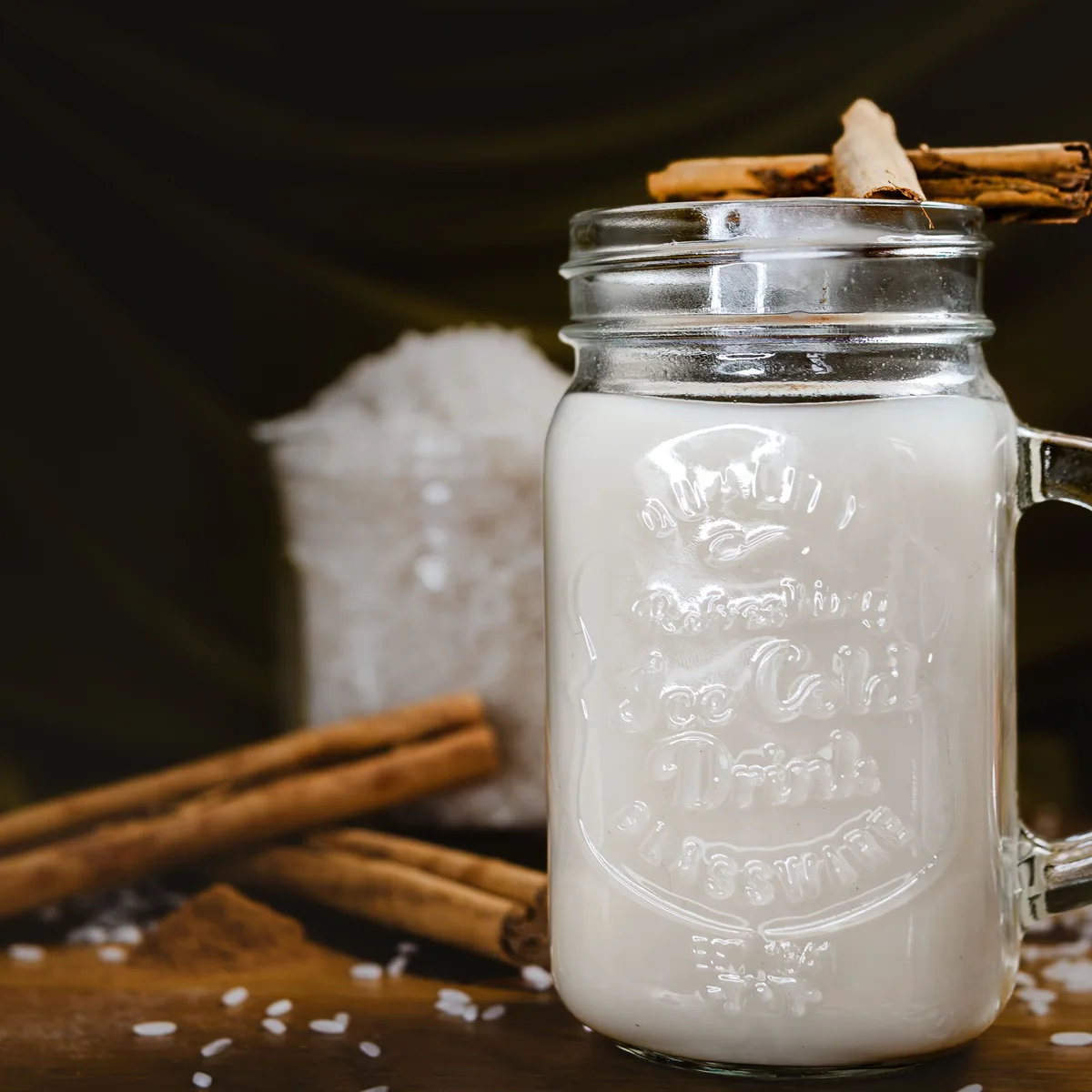
Horchata is the pale, cinnamon-scented rice drink served alongside tacos across Mexico, and it is made without cooking anything: raw rice soaks, gets blended, and is strained. Gritty, thin or bland horchata almost always comes from rushing one of those three steps. The recipe card carries the full method with USDA-calculated numbers; this page explains what the soak actually does and how to get it smooth.
Ingredients
Method
- Rinse the rice once, then put it in a bowl with the cinnamon and 3 cups of the water.
- Cover and leave it at room temperature for at least 4 hours, or overnight in the fridge. The grains should swell and turn chalky white.
- Tip the rice, cinnamon and all of the soaking water into a blender and blend on high for a full 2 minutes, until the mixture is a smooth, milky slurry with no grit you can feel between your fingers.
- Add the remaining 2 cups of water and blend again briefly.
- Strain through a fine mesh sieve lined with cheesecloth or a clean thin kitchen towel, pressing and squeezing to get the liquid through. Discard the solids.
- Whisk in the whole milk, sweetened condensed milk and vanilla. Taste and adjust.
- Chill thoroughly and serve over plenty of ice, stirring before each pour since it settles.
What Horchata Is, and Which One This Is
Horchata is a family of drinks rather than one recipe. The Spanish original, horchata de chufa, is made from tiger nuts. The Mexican version, the one served in taquerias across the United States, is made from rice and cinnamon, often with milk and sometimes with almonds. This page makes the Mexican rice version and says so, rather than presenting it as the only horchata there is.
Why This Recipe Works
- Soaking softens the grain so the blender can break it down. Raw rice is hard, dry starch. Hours in water let it absorb moisture and swell, which makes the grains soft enough to shatter into fine particles under the blades. Blended dry or after a short soak, the rice stays in coarse pieces and the drink is gritty no matter how long you strain it.
- The cinnamon soaks with the rice, not after. Cinnamon’s aromatic compounds dissolve slowly into water, so it needs the same hours the rice does. Stirred in at the end it tastes dusty and sits on the tongue rather than running through the drink.
- The soaking water is the drink. During the soak, starch and cinnamon flavour leach into the water. Draining it away and blending with fresh water throws out most of what you waited for.
Ingredient Notes
The rice. Plain long-grain white rice, raw. Not cooked, not parboiled, not rinsed more than once, because each rinse washes away the surface starch that gives horchata its body. Jasmine or basmati work but carry their own aroma, which competes with the cinnamon.
The cinnamon. Ground cinnamon is what the card counts and is the practical choice. True Mexican canela, which is Ceylon cinnamon, is softer and more floral than the harder cassia sold as cinnamon in most American supermarkets; if you use sticks, break up two or three and soak them with the rice.
The dairy. This version uses whole milk for body and sweetened condensed milk for sweetness, which is the common Mexican home approach. Condensed milk is where most of the sugar and carbohydrate sits, so the note under the card says to check your own can. For a dairy-free version, leave both out, use an extra cup of water and sweeten with sugar or a little honey to taste.
What the card counts. Horchata is strained, and the rice pulp left in the cloth is thrown away, so a glass carries less of the rice than the ingredient list suggests. USDA has no entry for strained horchata, and putting a retention figure on it would mean estimating, which this site does not do. So the card counts every gram that goes into the blender, including the rice you discard. Read the numbers as the ceiling rather than the exact glass; the real pour is lower, particularly in carbohydrate and fibre.
The strainer. A fine mesh sieve alone leaves a slightly chalky drink. Line it with cheesecloth or a thin kitchen towel and the texture changes completely. This is the single cheapest upgrade in the recipe.
The Method, In Short
Soak the rice and cinnamon in some of the water for hours, blend it all to a smooth slurry, add the rest of the water, strain it through cloth, then whisk in the milk, condensed milk and vanilla. Chill and serve over ice.
Blend for a full two minutes, not thirty seconds. The test is physical rather than visual: rub a drop between finger and thumb, and when you cannot feel individual particles the rice has broken down enough.
Why It Separates in the Glass
Horchata settles, and that is normal rather than a fault. What is suspended in the liquid is very fine rice particles, not dissolved sugar, and particles that are denser than water sink over time. Nothing is holding them up, so within twenty minutes there is a pale layer at the bottom and thinner liquid above. Stirring brings it straight back. Two things slow it down: a longer blend, which makes the particles smaller and therefore slower to fall, and the milk, whose fat and protein thicken the liquid slightly. This is checkable in the jug: pour a glass right after stirring and another from the same jug half an hour later without stirring, and the second one is noticeably thinner.
What to Serve It With
Horchata is a cooling drink built to sit beside heat. It is the standard partner for anything chile-heavy, because the fat and sugar in it genuinely take the burn down while water does not: capsaicin dissolves in fat, not in water. Serve it alongside birria tacos, pozole or anything from spicy Mexican food. It also drinks well with sweets, particularly tres leches cake, though both are sweet, so that is a dessert-on-dessert choice.
Storage
Horchata keeps four days in a covered jug in the fridge and separates every time it stands, so stir or shake before pouring. It does not freeze as a drink, though it makes very good ice pops and it can be frozen into cubes and used instead of ice so the glass does not dilute as it melts. Make it the day before you need it; it is better cold and fully rested than fresh and barely chilled.
FAQ
Do I cook the rice for horchata? No. The rice is used raw and soaked in water for hours until the grains swell and soften, then blended and strained. Cooking it makes a starchy, gluey drink.
Why is my horchata gritty? The rice was not soaked long enough or not blended long enough. Give it at least four hours and blend a full two minutes, then strain through cloth rather than a bare sieve.
How long should the rice soak? Four hours at minimum, overnight is better. The grains should look chalky and crush easily between your fingers before you blend.
Is horchata dairy free? The traditional Mexican version can be made either way. Leave out the milk and condensed milk, add an extra cup of water, and sweeten to taste for a dairy-free drink.
Why does it separate in the glass? The drink is fine rice particles suspended in water, and they settle under gravity. Stir before each pour. A longer blend makes finer particles that settle more slowly.
What is the difference between Mexican and Spanish horchata? Mexican horchata is made from rice and cinnamon. Spanish horchata de chufa is made from tiger nuts and tastes nothing like it.
Where to Go Next
Drink it alongside birria tacos or pozole, finish with tres leches cake, and find the whole library at easy Mexican recipes at home.
Written by Frank Thomson, Skillet & Spoon editorial. Every nutrition figure on this site is calculated ingredient by ingredient from the USDA FoodData Central database, never estimated and never rounded to look better. We do not publish net-carb figures or use non-nutritive sweeteners. How we develop and source recipes is set out in our editorial policy.