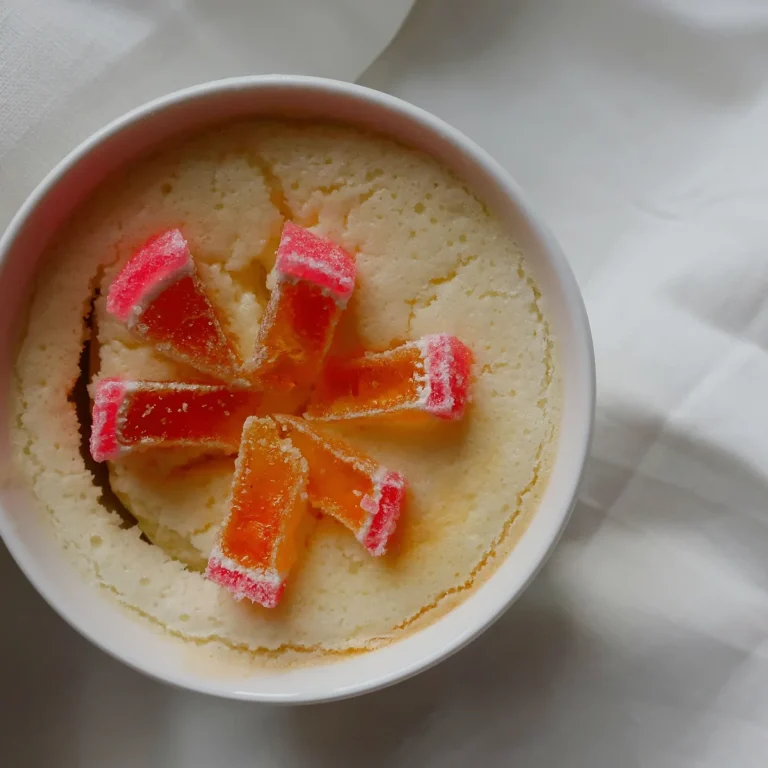
Bariatric Ricotta Custard Cups, Water Bath Set
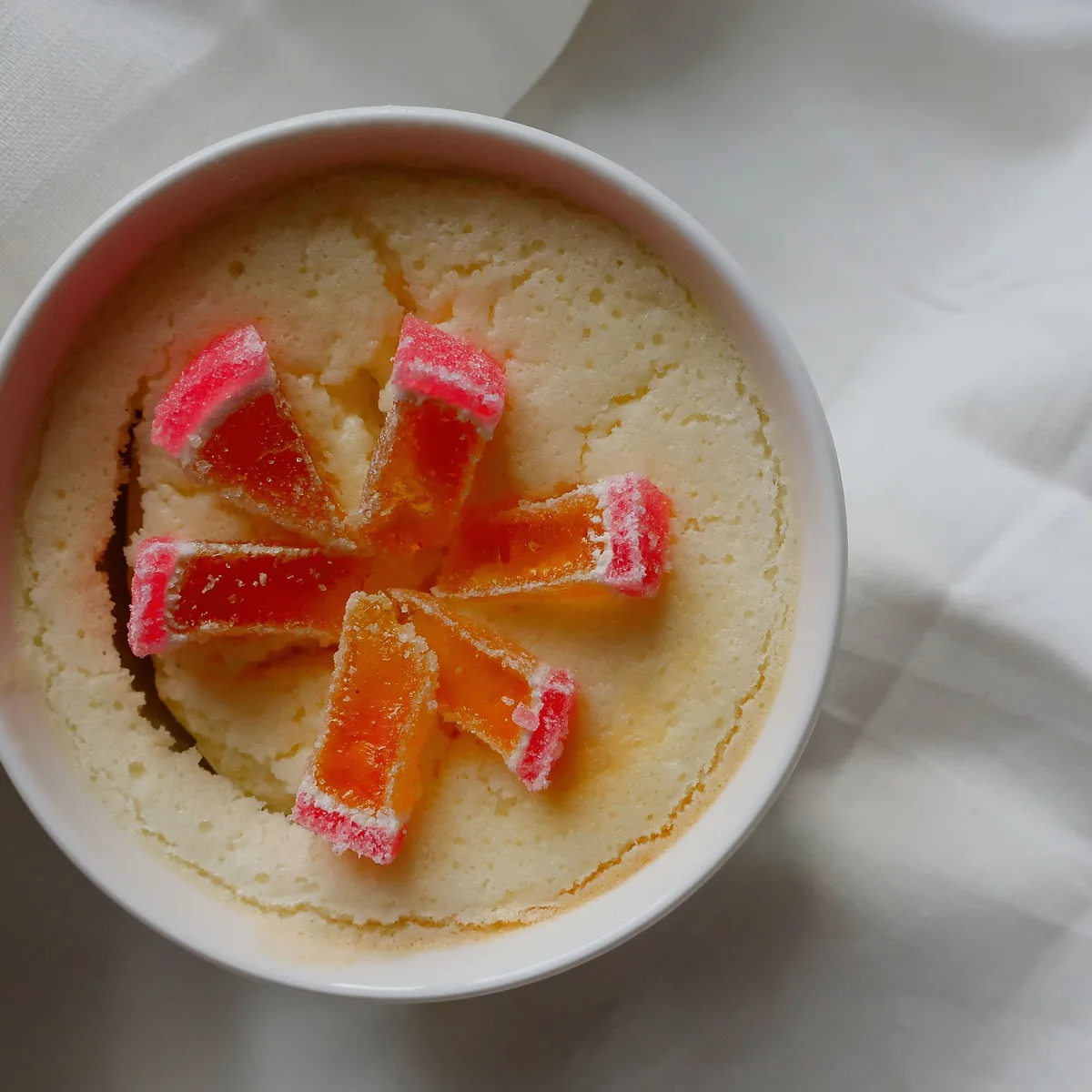
Bariatric ricotta custard cups are the gentlest protein this section bakes, and they exist because of one piece of physics: dairy and egg set beautifully at low, even heat and curdle at high, direct heat. A water bath supplies the first and prevents the second, which is why these come out silky at the edges instead of grainy and weeping. Four ramekins, four ingredients, and the card carries USDA-calculated numbers with protein stated per serving.
Ingredients
Method
- Heat the oven to 325F and put a kettle on. Butter or oil four small ramekins.
- Blend the ricotta, eggs, parmesan and salt for 30 seconds, until completely smooth. Ricotta stirred by hand stays slightly grainy in the finished custard.
- Divide between the ramekins and set them in a deep baking dish.
- Pour boiling water into the dish until it reaches halfway up the ramekins, taking care not to splash any into the custard.
- Bake 30 to 35 minutes, until the edges are set and the centers still wobble slightly when nudged. They finish setting as they cool.
- Lift the ramekins out of the water and cool at least 10 minutes before eating warm, or chill and eat cold.
Why This Recipe Works
- The water bath moderates the oven. Water cannot exceed its boiling point, so the ramekins sit in a stable, gentle environment and the edges set at the same pace as the centers rather than racing ahead and curdling.
- Blending is what makes it custard. Ricotta is grainy by nature; thirty seconds in a blender turns it into a smooth base that bakes like a proper set custard rather than a baked cheese.
- It works savory or sweet from the same base. Parmesan and salt as written, or the sweet direction below, both from one method and one bake time.
Ingredient Notes
The ricotta. Whole milk, fifteen ounces, and the card counts it honestly. It carries most of this recipe’s carbohydrate as lactose, which surprises people who think of cheese as carb-free; there is no packaged variability to disclose here, since plain ricotta is a standardized product, but the number is on the card and it is real. Part-skim works with a slightly looser set; recount if you swap.
The eggs. Three, and they are the entire structure. Fewer and the cups will not hold; more and the texture turns rubbery and eggy rather than creamy.
The parmesan. Two ounces, grated, doing the seasoning work and adding enough salt that the added quarter teaspoon is all this needs. Grate it from a block if you can; pre-grated tubs carry anti-caking starch that shows up as a faint chalkiness in a custard this smooth.
For the sweet direction. Swap the parmesan for a teaspoon of vanilla and a half teaspoon of cinnamon, and serve with a measured half cup of berries over the top. The card’s numbers change, so recount; the sweetness comes from the fruit, per this site’s standing policy against non-nutritive sweeteners explained at our editorial policy.
The Method, In Short
The card carries the steps and the water bath is the only part that needs care. Set the filled ramekins in a deep dish, then pour boiling water around them until it comes halfway up their sides. Pour against the side of the dish rather than over the ramekins, because a splash of water into one cup ruins that custard and cannot be corrected.
The doneness signal is a wobble, not a firm set. Nudge the dish gently at thirty minutes: the edges should be set and the centers should still move slightly as one piece, like a panna cotta rather than a liquid. Baked until the centers are firm, they come out of the oven already past their texture and tighten further as they cool.
Lift the ramekins out of the hot water as soon as they come out of the oven. Left sitting in it, they keep cooking for another ten minutes.
Storage and Serving
Refrigerated, they hold four days covered, and cold custard cups set firmer straight from the fridge as the egg proteins tighten further at low temperature. They do not freeze, which is the one storage limitation in this recipe: dairy custards separate on thawing and come back watery.
For serving warm later, ten seconds at half microwave power is plenty. Longer than that and the custard tightens and can weep, which is the same curdling problem the water bath was there to prevent, arriving late.
Why the Water Bath and the Blender Matter
Without a water bath, a metal or ceramic ramekin heats directly to oven temperature, and the dairy and egg touching that hot wall race past their set point. The edges curdle and brown while the insulated center is still underset, which is uneven, outside-in cooking. A water bath caps the surrounding temperature at the boiling point of water, so heat reaches the custard gently and the edges set at the same pace as the center rather than ahead of it.
Blending does the other half. Ricotta is built from curds, so it is grainy by structure, not by accident. Thirty seconds in a blender shears those curds apart into a smooth suspension that bakes into a uniform custard, while ricotta left intact bakes into set cheese with the grain still readable on the tongue. In a food this smooth, any residual grain is the loudest thing in it, so the blend is the line between baked ricotta and ricotta custard.
FAQ
Which texture are these? Smooth as written, given the blended base and gentle set. Whether smooth is your current assignment is your surgical team’s call; the label describes the food and never clears it.
Why does a cheese recipe have carbohydrates on the card? Lactose. Dairy carries real sugar and this site counts it rather than rounding it away, which is why ricotta is the declared carb driver on this recipe. Honest numbers beat flattering ones everywhere, including here.
Can I make one big dish instead of ramekins? Yes, in a small baking dish with the same water bath, about 45 minutes. The ramekins portion themselves, which is why this silo prefers them, but the physics are identical.
My custard has water pooling on top. What happened? Overbaked, almost certainly, or reheated too aggressively. Both push the dairy past its set point and squeeze water out. Pull at the wobble, and reheat at half power for seconds rather than a minute.
Sweet or savory first? Savory, because the parmesan version needs nothing else and proves the method. Then the vanilla and cinnamon version with berries, which is the closest thing to dessert in our bariatric dessert recipes collection that still eats like real protein.
Where to Go Next
The rest of the protein bench is at high protein bariatric recipes, the dessert direction at bariatric dessert recipes, and the section starts at the bariatric recipes pillar.
Written by Frank Thomson, Skillet & Spoon editorial. Every nutrition figure on this site is calculated ingredient by ingredient from the USDA FoodData Central database, never estimated and never rounded to look better. We do not publish net-carb figures or use non-nutritive sweeteners. How we develop and source recipes is set out in our editorial policy.