
The Bariatric Food List We Cook From, By Texture
Bariatric food list searches usually want a rulebook, allowed on one side and forbidden on the other, and this page begins by declining that format for the same reason the rest of this section declines timelines: allowed and forbidden are clinical words, written by programs for individual charts, and they differ between programs on purpose. What a cooking site can honestly publish is its own pantry: the ingredients this section’s recipes actually run on, organized by the texture and protein logic the whole silo uses, with the cooking reason each one earns its shelf space. Read it as a shopping companion to your program’s list, never as a replacement for it.
The Protein Shelf, Cold
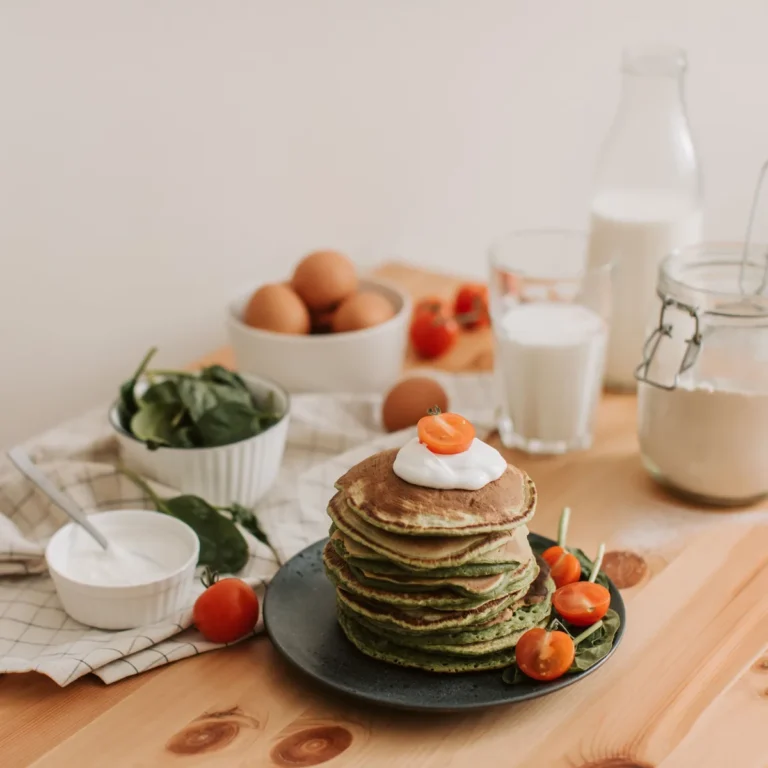
The refrigerated backbone, in rough order of how often our recipes reach for it. Eggs, the silo’s most versatile protein, gentle in every preparation this section teaches. Cottage cheese, whose blended form powers the egg bites, the whips and half the smooth category. Greek yogurt, doing triple duty as protein, sauce base and the enrichment that goes into purees off the heat. Ricotta, the softness specialist, from custard cups to the baked chicken. Chicken thighs for braises, blends and the slow cooker, chicken breast for poaching. Ground turkey for the tender lid-and-low skillets and meatballs. White fish and salmon, the fastest soft proteins in the kitchen. And canned tuna, the no-stove tier’s anchor. Every one appears in the recipes at bariatric diet recipes with its technique attached.
The Pantry, Dry and Canned
Red lentils, the pantry’s best protein-and-body deal at smooth textures. White beans and black beans, counted plainly wherever they appear, the cheapest tender protein this site knows. Canned crushed tomatoes and tomato sauce, the braise and simmer backbone, worth one label glance for added sugar per the arithmetic habit this site teaches everywhere. Broth, or the habit of making it from the poaching pot. Chia seeds for the set puddings. Rolled oats, unsweetened cocoa, real honey and maple syrup in small counted roles, and the spice shelf that does the heavy lifting: cumin, smoked paprika, oregano, cinnamon, garlic and onion powder, with the bloom-in-fat rule making all of them louder than their quantities.
Produce That Earns Its Week
The vegetables this section actually cooks, chosen for how they behave at gentle textures. Cabbage, cheap and transformative charred or braised soft. Zucchini, the moisture donor in meatballs and the lasagna’s noodle stand-in after its salt-and-drain. Cauliflower, riced dry-toasted or blended silky. Carrots and onions, the soup bench’s foundation. Green beans for slow braising past the squeak. Spinach, frozen and squeezed dry, the egg bake’s workhorse. Bell peppers for the shakshuka direction. On the fruit side: bananas at two ripenesses, fresh for whips and freckled chunks banked in the freezer, berries fresh and frozen, apples and pears for the warm soft desserts, lemons and limes as the finishing acid the whole silo runs on.
The Freezer, as Infrastructure
Half this list’s value is what it becomes in the freezer, so the freezer section is habits rather than items. Banked cubes of every smooth build, bagged flat and labeled. Shredded chicken flat in its liquid. Single portions of chili, stew and soup. Frozen vegetables kept honest for their real jobs, spinach for bakes, peas for the five minute soup, riced cauliflower for the days fresh ran out. Banana chunks for the dessert bench. The labeling doctrine from bariatric meal prep ideas applies to every bag: name and date, always, because the bank you can read is the bank that gets used.
What This List Deliberately Leaves Out
Three absences, each on purpose. No allowed-and-forbidden columns, because those words belong to your program’s list and to the resources at asmbs.org, not to a shopping page. No non-nutritive sweeteners, per the site-wide policy explained at our editorial policy: we publish only numbers the USDA database can verify, so our sweetness comes from fruit, cocoa and small counted spoonfuls of the real thing. And no protein powder recommendations by name, because powders vary too much by brand for a generic list to serve you; the section’s powder policy lives on the bariatric recipes pillar, and your own tub’s label is the only list that counts there.
Three Label Glances Worth the Habit
The list above assumes plain versions of everything, and three label checks keep it that way, each learned the hard way somewhere on this site. Canned tomato products get the added-sugar glance: crushed tomatoes and sauce vary by brand more than the produce they came from, and a few carry sugar the recipe never asked for; the ingredient line settles it in five seconds. Frozen shrimp gets the soaking-agent check from our seafood pages: bags listing only shrimp and salt sear honestly, while sodium tripolyphosphate plumps the count with water that ends up in your hot pan. And pork marked “enhanced” arrives pre-injected with salt solution, which changes both the seasoning math and the arithmetic; plain pork keeps both in your hands. The pattern across all three is the same one that runs this site’s nutrition policy: the generic USDA entry describes the plain version of a food, and the closer your cart stays to plain, the truer every card’s numbers are for the food actually in your kitchen. Five extra label-seconds a week is the entire cost of that accuracy.
How the Numbers Work
Everything above appears in recipe cards calculated ingredient by ingredient from USDA FoodData Central, protein stated per serving, sources archived. The list stocks a kitchen; what any of it means for your plate and your schedule is your program’s side of the division of labor this whole section runs on.
FAQ
Is this list of foods safe for me right now? This page cannot know, and it is built so it never pretends to. It describes what our recipes are made from; your program’s list, written for your chart, decides what enters your kitchen this week.
Why is there no foods-to-avoid section? Because avoidance guidance is clinical, individual and program-specific, exactly the territory this section stays out of. The absence is the design, not an oversight.
Can I print this? The page prints cleanly as a shopping companion, and a purpose-built printable collection for this silo is planned on the roadmap at the bariatric recipes pillar.
What single item upgrades the kitchen most? The label habit rather than any ingredient: a marker by the freezer bags. Second place is the lemon bowl on the counter, because the finishing-acid rule improves everything else on this list.
Fresh or frozen for the vegetables here? Frozen for the workhorses, fresh for the finishers. Frozen spinach, peas and riced cauliflower are blanched and frozen close to harvest, which locks their water and texture in a predictable state, so they behave the same every time in a bake or a soup. Fresh earns its place where raw texture or brightness is the point, a finishing herb or a squeeze of citrus. Buying frozen for the jobs that get cooked down wastes less and keeps the numbers on the card steady, since a stable ingredient is a stable count.
Where to Go Next
The recipes this list feeds live at bariatric diet recipes, the prep system at bariatric meal prep ideas, and the section’s rules at the bariatric recipes pillar.
Written by Frank Thomson, Skillet & Spoon editorial. Every nutrition figure on this site is calculated ingredient by ingredient from the USDA FoodData Central database, never estimated and never rounded to look better. We do not publish net-carb figures or use non-nutritive sweeteners. How we develop and source recipes is set out in our editorial policy.