Bariatric Protein Pudding, Thick Without Anything Odd
Bariatric protein pudding is the powder recipe that actually earns its place, because thick, cold and spoonable is a job powder does well and whole food does differently. This version is built on Greek yogurt rather than water or milk alone, so most of what makes it satisfying is real food, and it needs no gums, no thickeners and no sweeteners this site cannot verify. It carries no nutrition panel, and the note under the card explains why: powders differ too much between brands for any number we published to be true of your tub.
Ingredients
Method
- Whisk the cocoa powder into the almond milk first, until there are no dry lumps at all. Cocoa added dry to yogurt never fully disperses and leaves bitter pockets.
- Add the yogurt and vanilla and whisk smooth.
- Add the protein powder last and whisk hard for a full minute. It will look too thick at first and then loosen as the powder hydrates; resist adding more liquid during this stage.
- If it is still stiffer than pudding after a minute, add almond milk a teaspoon at a time. Most batches need nothing.
- Chill at least 30 minutes. It thickens substantially as it rests, which is the difference between this and a thick yogurt bowl.
Why This Recipe Works
- Yogurt is the body, powder is the reinforcement. Starting from Greek yogurt means the texture is already pudding-adjacent before anything is added, so the powder is adjusting a good base rather than trying to create one.
- Cocoa dispersed in liquid first never goes bitter. Cocoa powder is stubbornly hydrophobic and dumped dry into yogurt it forms pockets that taste sharp; sixty seconds of whisking it into a little almond milk solves it permanently.
- The chill does the thickening. Straight from the bowl it is loose and slightly grainy; thirty cold minutes let the powder finish hydrating and the whole thing sets to a spoon-standing thickness.
Ingredient Notes
The yogurt. Plain Greek, full fat or low fat as your fridge prefers. Full fat makes a richer, silkier pudding and low fat sets firmer. Regular yogurt does not work here; it lacks the strained thickness this recipe is leaning on and produces a drink rather than a pudding.
The powder. Your usual brand, chocolate or vanilla. This site names no brands, compares none and never pins a branded database entry, because we cannot verify what is in your tub and will not pretend otherwise. Powders also differ in how much liquid they absorb, which is why the recipe adds liquid at the end by the teaspoon rather than committing up front.
The cocoa. Unsweetened, one tablespoon, and it is doing more work than it looks. Cocoa adds the depth that makes this taste like dessert rather than like flavored yogurt, and it is the reason a vanilla powder works as well as a chocolate one here.
The sweetness. There is none added, on purpose and per site policy explained at our editorial policy. Most powders arrive sweetened already, which is usually plenty against the yogurt’s tartness. If yours does not and the pudding tastes flat, a measured teaspoon of honey or half a mashed ripe banana are the two honest routes, both real food.
The Method, In Short
The card carries the steps. The order matters twice: cocoa into liquid before anything else, and powder in last after the base is smooth. Both rules exist because dry powders disperse into thin liquid and clump in thick ones, so each gets introduced when the mixture is at its most forgiving.
The one minute of hard whisking after the powder goes in is the stage people abandon early. The mixture stiffens dramatically at first, which looks like a mistake and is actually the powder pulling water in, and then it loosens as hydration completes. Adding liquid during the stiff phase is how batches end up thin, because the extra liquid has nowhere to go once the powder finishes.
Serving and Storage
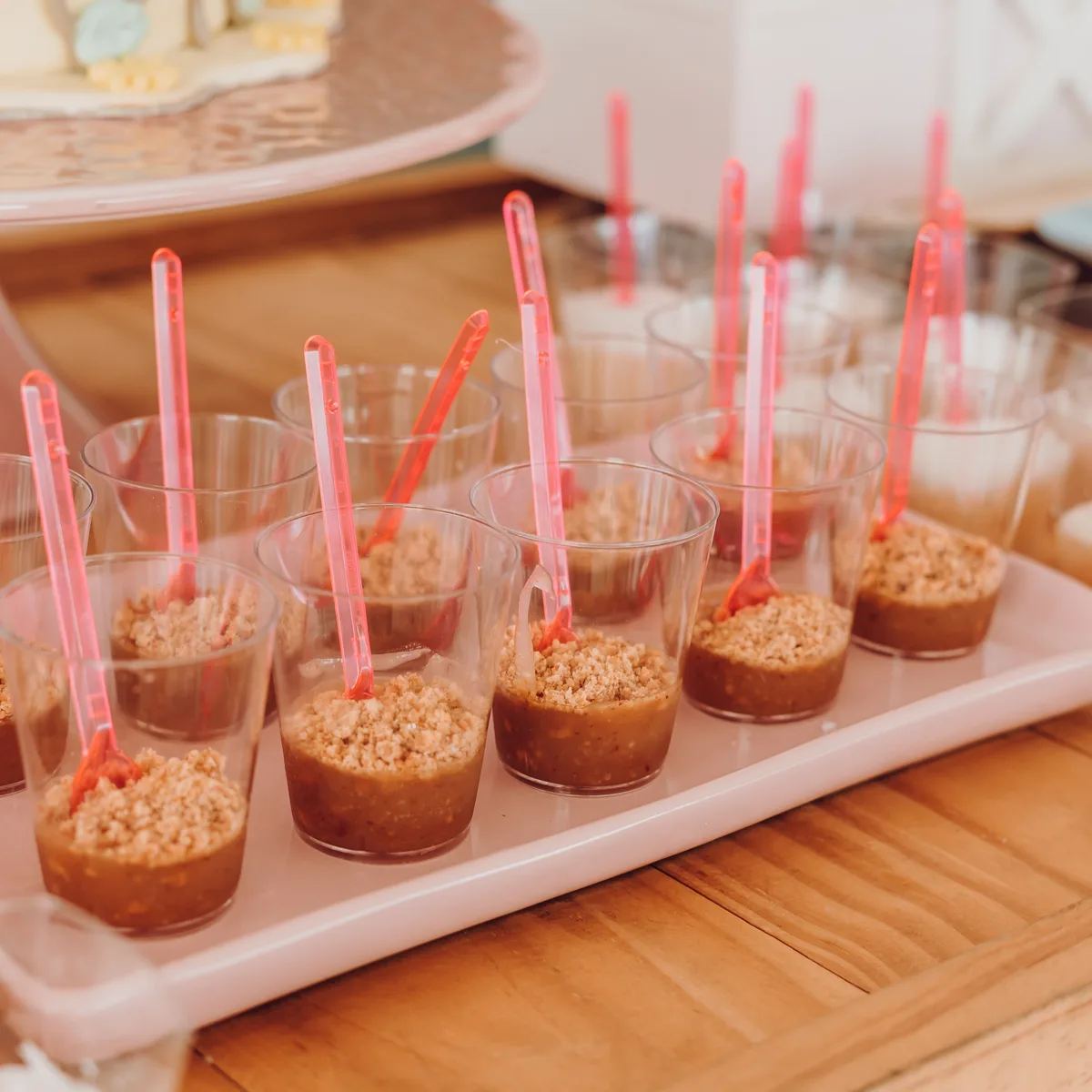
Straight from the fridge with nothing on it, or with a measured half cup of berries, a spoon of nut butter swirled through, or a few shavings of dark chocolate. It is dessert, breakfast or a cold spoonful whenever, and it does not need to be any of those things specifically.
Refrigerated it holds three days covered and thickens a little further each day, so a splash of almond milk stirred in on day three brings it back. It does not freeze into anything good, coming back grainy and separated. This is fridge food, made in five minutes twice a week rather than banked.
Why the Order and the Chill Matter
Cocoa powder is hydrophobic: its particles are coated in cocoa fat that resists water. Dropped dry into an already thick yogurt base, the particles clump, and the outer surface of each clump wets while the inside stays dry, sealing bitter pockets that later whisking cannot open because the lumps have already set around dry cocoa. Dispersing the cocoa into a little thin almond milk first lets each particle hydrate while the liquid is still loose enough to move around it, so it goes in evenly with no pockets to leave behind. Sixty seconds and one extra bowl is the whole cost of doing it in that order.
The chill is where the thickness comes from, for the same hydration reason. Straight from the bowl the powder has not finished absorbing water, so the mixture reads loose and slightly grainy. Cold time lets the powder finish hydrating and swelling, which is what sets it to a spoon-standing thickness. Nothing is added during the rest; the change is hydration completing on its own, and the recipe is genuinely not finished until it has sat.
FAQ
Why does this recipe have no nutrition numbers? Because protein powders vary substantially by brand in both protein and carbohydrate per scoop, and this site publishes only figures it can verify against the USDA database. Publishing one number for a variable ingredient would be wrong for most readers. The note under the card says exactly this; your own label completes the math.
Can I make it without protein powder? Yes, and it becomes a different and fully countable recipe: yogurt, cocoa, vanilla and a little honey or mashed banana, which is the chocolate whip in our bariatric dessert recipes collection with a full USDA card. If you want numbers, that is the version to make.
Mine came out grainy. What went wrong? Either it was eaten before it chilled, or the powder was not whisked long enough. Give it the full minute and the full thirty minutes; graininess in this recipe is almost always impatience rather than ingredients.
Is this a dessert or a breakfast? Both, honestly. It is cold, thick and protein-led, and nothing about it is more appropriate at one hour than another. What role it plays in your day is a question for your program.
How thick should it actually be? A spoon should stand for a second before falling. Thicker than that and a teaspoon of almond milk fixes it; thinner and it needs more time in the cold rather than more powder.
Where to Go Next
The powder policy in full is on the bariatric recipes pillar, the countable dessert versions at bariatric dessert recipes, and the whole-food protein bench at high protein bariatric recipes.
Nutrition note: protein powders vary substantially by brand, in both protein and carbohydrate per scoop, so we do not publish values that would be wrong for most readers. Check the label on the tub in your own kitchen.
Written by Frank Thomson, Skillet & Spoon editorial. Every nutrition figure on this site is calculated ingredient by ingredient from the USDA FoodData Central database, never estimated and never rounded to look better. We do not publish net-carb figures or use non-nutritive sweeteners. How we develop and source recipes is set out in our editorial policy.