Bariatric Cottage Cheese Salad, High Protein
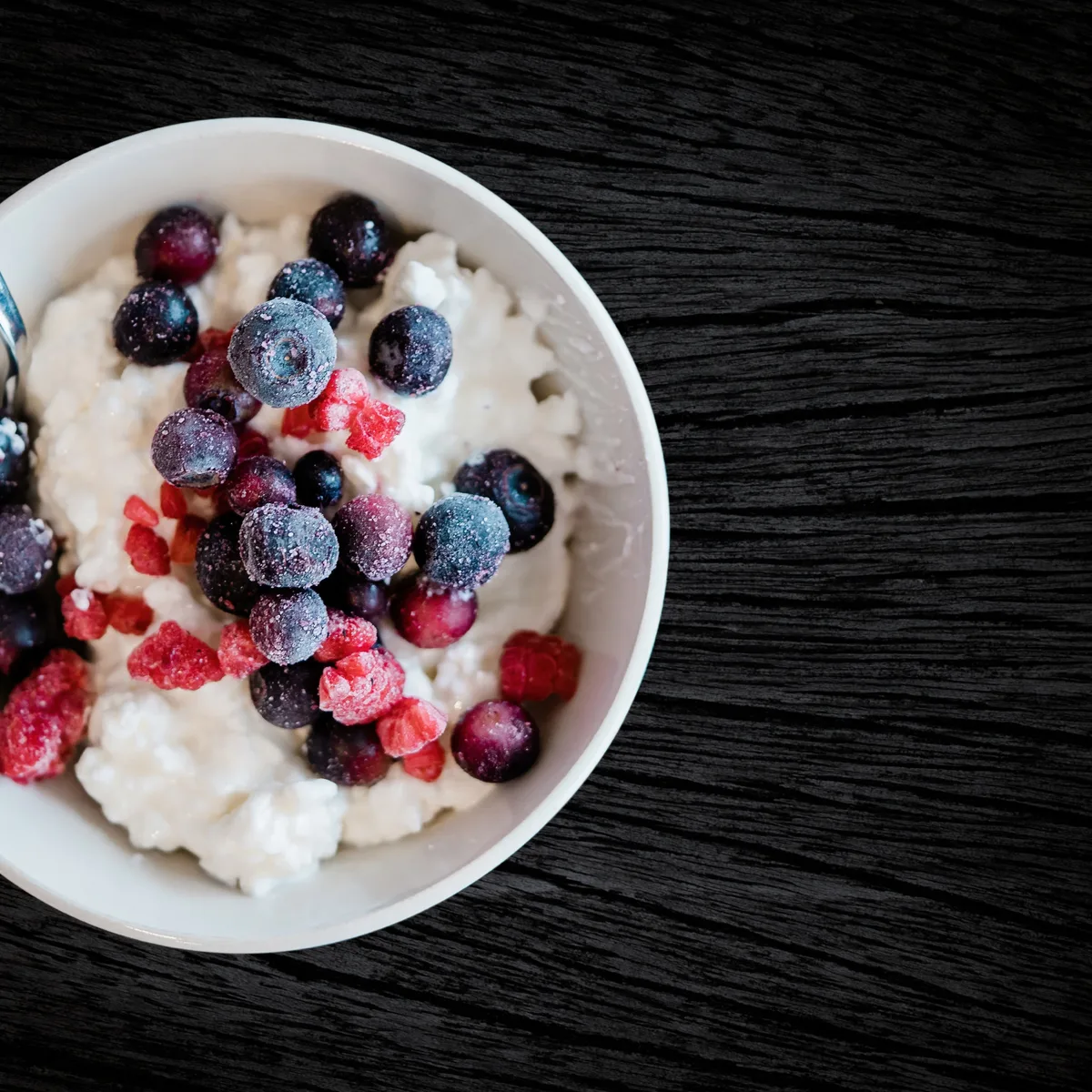
Bariatric cottage cheese salad turns one of the highest-protein, lowest-effort ingredients in the fridge into a soft, no-cook bowl that eats like a treat: creamy cottage cheese folded with sweet grapes, crisp celery and a few toasted pecans. There is no cooking, it comes together in ten minutes, and the card states the protein per serving from USDA data so the headline number is never guessed. The recipe is right below, and the how and why follow it.
Ingredients
Method
- Stir the cottage cheese, Greek yogurt, lemon juice, salt and pepper together in a bowl until the dressing coats the curds evenly.
- Fold in the halved grapes, diced celery and sliced green onion.
- Fold in most of the chopped pecans, holding a small handful back.
- Scatter the reserved pecans over the top. Serve straight away, or chill 30 minutes to let the flavours settle and the celery firm up in the cold.
Why This Recipe Works
- Cottage cheese carries the protein with no cooking at all. Two cups across four servings put nearly sixteen grams of protein in each bowl, and because it is already soft and spoonable, it needs nothing done to it but seasoning and mix-ins.
- Greek yogurt and lemon turn curds into a dressing. A little plain Greek yogurt and a squeeze of lemon loosen the cottage cheese into something that coats every grape and stick of celery, which is what makes it read as a salad rather than a tub of cheese.
- The mix-ins do sweet, crunch and savoury in three ingredients. Grapes bring the sweetness with no added sugar, celery brings the crunch, and a small handful of pecans brings toasty fat, so the bowl has contrast without anything processed.
Ingredient Notes
Cottage cheese. The whole point and the protein source. Small or large curd both work; small curd blends into a smoother salad, large curd keeps more texture. Full fat is creamiest, low fat trims the calories, and the card counts the standard creamed entry, so recount if your tub differs.
Greek yogurt. A third of a cup, plain, doing the job of a creamy dressing without mayonnaise. It adds a little more protein and a clean tang. Plain only, since flavoured yogurts carry added sugar.
Grapes. Red seedless, halved so they fold through evenly and you get a little in each bite. They are the only sweetener here, and their sugar is counted on the card. Halving matters, since whole grapes roll off the spoon and burst all at once.
Celery and green onion. The savoury, crunchy counterweight to the sweet grapes. Dice the celery small so it distributes, and slice the green onion thin for a mild onion note that keeps the bowl from tasting like dessert.
Pecans. A quarter cup, chopped, for toasty fat and crunch. Toasting them in a dry pan for a couple of minutes deepens the flavour if you have the time, but raw works. Walnuts or almonds swap in directly; recount the card if you change the nut.
The Method, In Short
The card carries the steps and there is almost nothing to them: season the cottage cheese into a dressing first, then fold in the mix-ins so nothing gets crushed. Doing it in that order matters more than it sounds, because if the grapes and celery go in before the cottage cheese is loosened, you end up overmixing to spread the seasoning and the curds break down to paste. Dress first, fold once, and the salad stays distinct. A short chill firms the celery and lets the flavours settle, but it is good straight from the bowl.
Texture and Serving
As written this is a soft salad with gentle crunch from the celery and pecans. Where a smoother texture is what you are cooking toward, leave out the pecans and celery and fold the grapes through small-curd cottage cheese for a soft, spoonable bowl, or blend the base smooth before adding just the grapes. The label on the card describes the food as a cooking texture; which texture is right for you is your surgical team’s call, not a recipe page’s.
It works as a small meal on its own, as a protein-led side beside something warm, or spooned onto cucumber rounds. A bowl keeps two to three days covered in the fridge, though the celery softens and the grapes weep a little after the first day, so it eats best fresh.
Why Cottage Cheese Reads Creamy Once It Is Dressed
Cottage cheese on its own is curds sitting in a thin, watery whey, which is why straight from the tub it can taste bland and look loose. Stirring in a little Greek yogurt and an acid like lemon does two things at once: the yogurt adds a thick, low-water dairy that clings to the curds, and the acid and salt sharpen the flavour so the mild curds stop tasting flat. The result is a base that coats instead of pooling, which is what makes the whole thing eat like a dressed salad rather than cheese with fruit dropped on top. It is checkable in your own bowl: taste a spoon of plain cottage cheese, then taste it again after the yogurt, lemon and salt go in, and the difference in how it coats the spoon is obvious.
FAQ
How much protein is in a serving? Just under sixteen grams per serving, calculated ingredient by ingredient from USDA data and stated on the card. The cottage cheese carries almost all of it.
Is this a soft texture? As written it is a soft salad with a little crunch from celery and pecans. Left plain, small-curd cottage cheese folded with just the grapes is softer still. Which texture suits you is your surgical team’s call; the card describes the food, it does not clear it.
Can I make it savoury instead of sweet? Yes. Drop the grapes and pecans and fold in diced cucumber, tomato and a little dill for a savoury version. The protein stays the same; recount the card for the new mix-ins.
Why did mine turn watery? Cottage cheese sheds whey over time, especially once salted, so a salad made far ahead can pool. Dress it closer to eating, or pour off any whey and give it a quick stir before serving.
Can I use a lactose-free cottage cheese? Yes, lactose-free cottage cheese behaves the same in this salad. Check the label and recount the card if the protein per serving differs from the standard entry.
Where to Go Next
More cottage cheese and no-cook protein ideas sit on the high protein bariatric recipes page and the assembly-style meals at easy bariatric recipes. The section starts at the bariatric recipes pillar.
Written by Frank Thomson, Skillet & Spoon editorial. Every nutrition figure on this site is calculated ingredient by ingredient from the USDA FoodData Central database, never estimated and never rounded to look better. We do not publish net-carb figures or use non-nutritive sweeteners. How we develop and source recipes is set out in our editorial policy.