Tamales (Pork, Red Chile, Steamed in Husks)
Tamales are masa spread on a soaked corn husk, filled, folded and steamed until the dough sets into something soft and light. They take an afternoon, which is why they are a group project in Mexican kitchens, and almost all of the difficulty sits in the masa rather than the filling. Two checks decide the texture, and both take seconds: how long you beat the fat, and whether a pinch of the dough floats. The recipe card carries the full method with USDA-calculated numbers, and this page explains both.
Ingredients
Method
- Simmer the pork with the onion, 2 garlic cloves and 1 teaspoon of the salt in water to cover, 2 hours, until it shreds under a fork. Keep the cooking liquid.
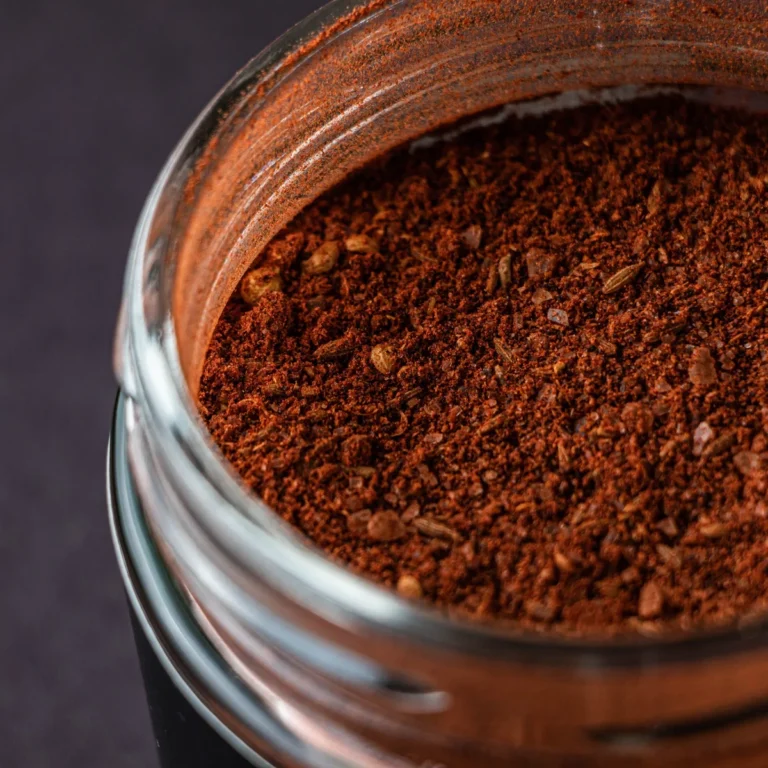
- Toast the ancho and guajillo chiles in a dry pan 20 to 30 seconds a side, until they smell sweet and go pliable. Do not let them darken or they turn bitter.
- Soak the toasted chiles in hot water 20 minutes, then blend with the remaining garlic, the cumin and 1 cup of the pork liquid until completely smooth.
- Shred the pork, stir in the chile sauce, and simmer 10 minutes until thick with no loose liquid. Cool completely.
- Soak 30 corn husks in hot water until pliable, about 30 minutes, then drain and pat them dry.
- For the masa, beat the lard with the baking powder and remaining salt for 3 to 5 minutes, until it is pale, light and visibly fluffy.
- Add the masa harina alternately with the warm broth, beating continuously, until the dough is the texture of thick frosting and spreads without crumbling.
- {‘Test it’: ‘drop half a teaspoon of masa into a cup of cold water. If it floats, it is aerated enough. If it sinks, beat 2 minutes more and test again.’}
- Spread about 3 tablespoons of masa across the wide half of each dry husk in a rectangle, leaving the narrow end bare. Spoon filling down the centre.
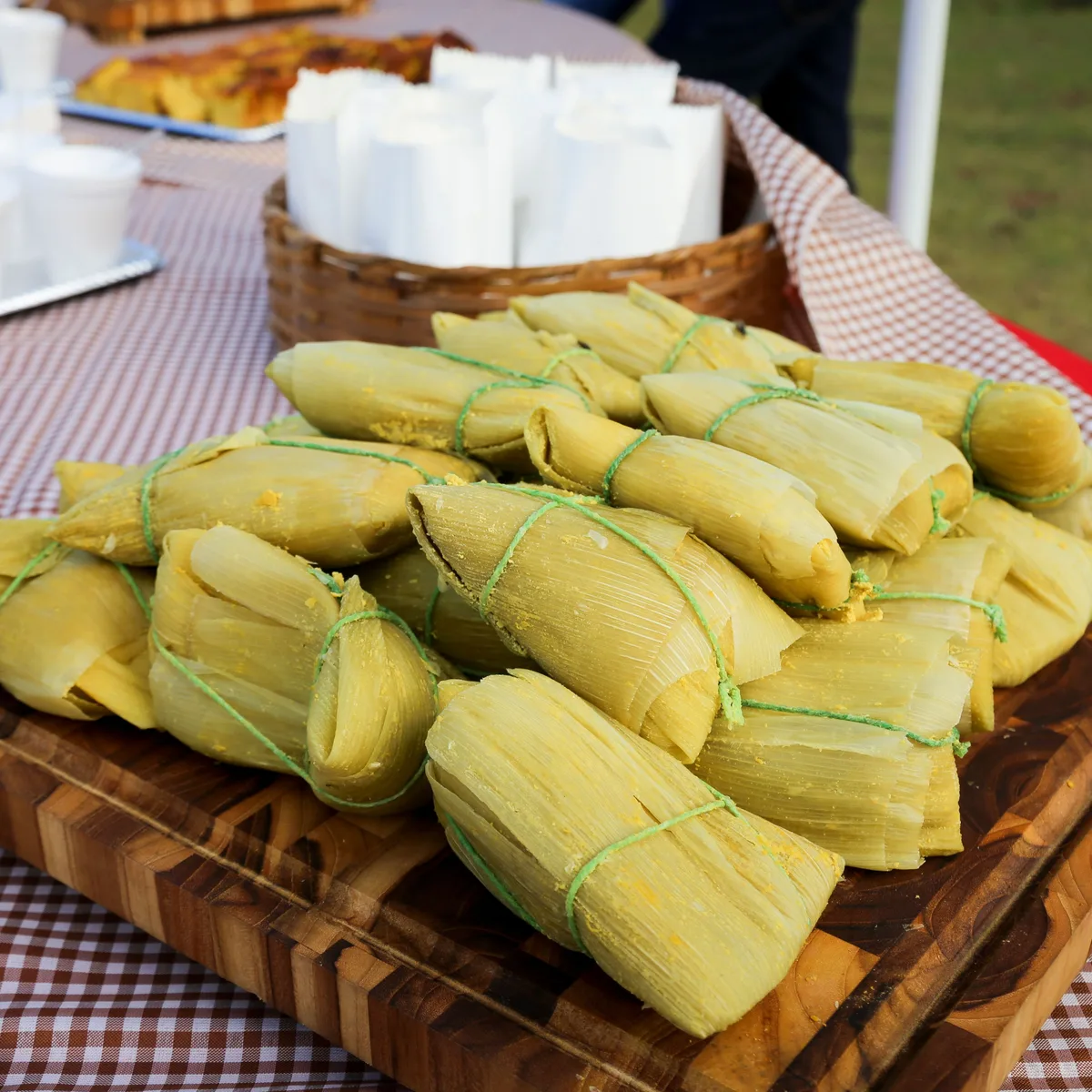
- Fold the long sides of the husk so the masa wraps around the filling, then fold the narrow empty end up. Stand the tamales fold down in a steamer basket.
- Steam, covered, over simmering water for 1.5 to 2 hours, topping up the water as needed. They are done when the masa pulls cleanly away from the husk.
- Rest 15 minutes off the heat before unwrapping. Hot from the steamer the masa is still soft and will stick.
What Tamales Are
A tamal is corn dough steamed in a wrapper, and it predates the Spanish arrival by a long way. Corn husks are the northern and central Mexican wrapper; banana leaves are used in Oaxaca and the south, giving a flatter tamal with a different aroma. Fillings run from red chile pork and green chile chicken to rajas with cheese, beans, and sweet versions with raisins and cinnamon. The husk is not eaten. This is the red chile pork version, the one most often made in quantity for Christmas and other gatherings.
Why This Recipe Works
- Beating the lard is what makes the tamal light. Whipping solid fat forces air into it, and those bubbles expand in the steamer, lifting the dough. A masa made with melted or barely stirred fat has no bubbles to expand, so it steams into a dense, heavy brick. Three to five minutes of real beating is the difference, and you can see it: the lard goes from dull and waxy to pale and fluffy.
- The float test measures that aeration directly. Drop half a teaspoon of masa into cold water. Aerated dough is less dense than water and floats; under-beaten dough sinks. This is a test you can run before committing two hours of steaming to a texture you cannot fix afterwards.
- The husk goes on dry, and the filling goes in cold. Water clinging to a soaked husk thins the masa where they touch and makes it stick, so the tamal tears when you open it. Warm filling softens the masa before it ever reaches the steamer, which is how the line between dough and filling turns to mush.
Ingredient Notes
Masa harina. The nixtamalised corn flour, the same one used for sopes and tortillas, labelled for tamales if you can find it, which is ground slightly coarser. Fresh masa from a tortilleria is better still, and if you buy it, ask for masa para tamales and skip the broth-and-flour step. Cornmeal and polenta are not substitutes, because they have not been treated with lime and will not hold together.
The fat. Lard is traditional and gives the best flavour and the lightest texture, and it is what the card counts. Vegetable shortening works and keeps the recipe vegetarian-friendly when paired with a meatless filling. Butter does not work well, since its water content steams out and leaves the masa dense.
The broth. Warm, and preferably the liquid the pork cooked in, which carries flavour into every bite of dough. Cold broth firms the fat you just spent five minutes aerating.
The chiles. Ancho for sweetness and body, guajillo for brightness and colour. Toast them briefly and watch them closely; a chile taken too far turns acrid and there is no recovering the sauce. USDA has no separate entry for guajillo, so the card calculates them as ancho and discloses that under it.
What the card counts. USDA reports no sugar value for dried chiles, so they add nothing to the sugar line even though they do contain some. The total carbohydrate figure is unaffected, because carbohydrate is measured by difference and already includes them. Read the sugar number as covering everything except the chiles.
The Method, In Short
Cook and shred the pork, make the chile sauce, soak the husks, beat the masa, spread, fill, fold, steam about two hours. The filling and the sauce can be made a day ahead, which turns a long day into two short ones.
How much masa per husk. About three tablespoons, spread roughly a quarter inch thick over the wide half. A thick layer never cooks through in the middle; a thin one tears. The masa should cover an area about the size of your palm.
Folding, and Why Tamales Stand Up
Fold one long side of the husk over the filling, then the other, so the masa meets itself and encloses the filling completely. Then fold the empty narrow end upward, which seals the bottom. Standing the tamales upright in the steamer with the folded end down and the open end up is not decoration: it keeps the filling from running out and lets steam reach the open top, which is the part that takes longest to set. Pack them snugly so they hold each other upright, with a coin or a steamer insert keeping them clear of the water.
How to Tell They Are Done
Take one out at 90 minutes and let it sit for five minutes before opening. If the masa peels cleanly off the husk and holds its shape, they are done. If it smears and sticks, close the steamer and give them another 20 minutes. Tamales opened straight from the steamer will always seem underdone, because the masa firms as it cools; that five minute wait is part of the test, not a courtesy.
What to Serve With Them
Tamales are usually eaten with a sauce spooned over after unwrapping: salsa verde, a red enchilada sauce, or crema. Alongside, refried beans and authentic Mexican rice, or a cup of atole or horchata for a traditional breakfast. For the rest of the pork repertoire, see Mexican pork recipes.
Storage and Reheating
Tamales keep five days refrigerated and six months frozen, in their husks, and they are one of the best make-ahead foods in this cuisine. Reheat by steaming for 15 to 20 minutes, or 25 from frozen, which restores the original texture exactly. A microwave works in a pinch at 60 to 90 seconds wrapped in a damp paper towel, though the edges firm up. Freeze them after steaming rather than before: an unsteamed tamal thaws into slack masa that has lost its aeration.
Why Masa Sticks to the Husk
Sticking is a moisture and time problem, and both ends of it are controllable. A wet husk dilutes the masa at the contact surface, so the dough never sets properly against it; drain and pat the husks dry before spreading. Too little fat has the same effect, because fat is what keeps the dough from bonding to the husk, which is why a lean masa sticks no matter how long it steams. And an under-steamed tamal always sticks, since the masa has not finished setting. The five minute rest after steaming solves the last one on its own, and you can watch it happen: the same tamal that smears at minute zero peels cleanly at minute five.
FAQ
Why are my tamales dense instead of light? The fat was not beaten enough. Whip the lard until it is pale and fluffy, then test the finished masa by dropping a little into cold water. It should float; if it sinks, beat it longer.
What does the float test tell me? Whether enough air is beaten into the dough. Aerated masa is less dense than water, so it floats. It is a direct check on the one variable you cannot fix once the tamales are wrapped.
Can I make tamales without lard? Yes. Vegetable shortening beats up the same way and gives a comparable texture with less flavour. Butter is a poor substitute because its water content steams away and leaves the masa heavy.
Why does the masa stick to the husk? The husk was still wet, the masa was low in fat, or the tamales were not steamed long enough. Pat the husks dry, keep the fat quantity, and rest the tamales five minutes before unwrapping.
How long do tamales take to steam? About 1.5 to 2 hours, depending on size and how tightly they are packed. They are ready when the masa pulls cleanly away from the husk after a short rest.
Can I freeze tamales? Yes, and they freeze very well for six months. Freeze them already steamed, in their husks, then reheat by steaming for about 25 minutes from frozen.
Where to Go Next
The same masa in a different form is sopes, the sauce to spoon over is salsa verde, and the drink alongside is horchata. The whole library starts at easy Mexican recipes at home.
Nutrition note: values are calculated from USDA FoodData Central. Where USDA has no exact entry, the closest catalog item is used and named here: dried guajillo chile was calculated as “Peppers, ancho, dried”.
Written by Frank Thomson, Skillet & Spoon editorial. Every nutrition figure on this site is calculated ingredient by ingredient from the USDA FoodData Central database, never estimated and never rounded to look better. We do not publish net-carb figures or use non-nutritive sweeteners. How we develop and source recipes is set out in our editorial policy.