13 Bariatric Soup Recipes, From Silky to Spoon-Tender
Bariatric soup recipes earn their own page because soup is the most naturally suited food this section has: moisture is built in by definition, texture is adjustable with a blender rather than a new recipe, protein dissolves into every spoonful, and a single pot banks a week of single portions. The thirteen pots below run the full texture range, fully blended, half-blended, spoon-tender, labeled honestly so the food matches whatever your team has you cooking toward. The technique spine is the same one that runs the whole silo: real stock habits, gentle simmers, and seasoning that lands after the blender rather than before it.
This is the soup bench of our bariatric diet recipes collection; blender safety and technique live at bariatric puree recipes.
The Stock Rule That Carries Every Pot
Soup is mostly liquid, so the liquid decides the soup. The house rule is brown-then-build: meat and aromatics get real color in the pot before liquid arrives, and the first ladle of broth deglazes the fond off the floor with a wooden spoon doing honest scraping. That step is fifteen minutes of depth no bouillon shortcut replaces. Where a pot is vegetarian, roasting the vegetables first does the same job the browning does. And every pot below simmers rather than boils, because a boil tightens protein and clouds texture in the same stroke.
Fully Blended, Silky by Design
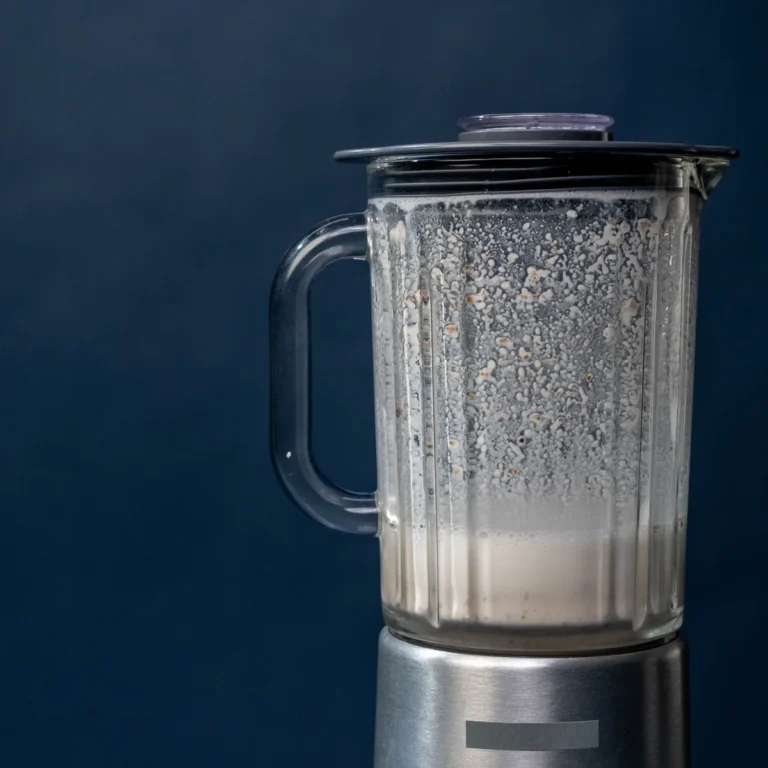
Blended chicken and vegetable soup. Smooth texture. Poached thighs blended into strained broth with soft carrot and onion. The reference pot: thigh for richness, ninety seconds past looks-done in the jar, seasoned after.
Red lentil soup with lemon. Smooth when blended fully. The complete method at diabetic red lentil soup: bloomed cumin, uncovered simmer, whole lemon off the heat. The best protein-per-effort pot this site owns.
Silky butternut with tahini. Smooth texture. Roasted squash, broth, tahini for body, strained. Roast first or the bowl tastes boiled, because it was.
Creamy cauliflower and yogurt. Smooth texture. Simmered soft, blended, Greek yogurt folded in off the heat where it cannot split. The off-the-heat rule is the pot’s only risk.
Pea and mint soup. Smooth texture. Frozen peas blended hot with a few mint leaves and strained without apology. The brightest bowl in the silo and a five minute cook.
Half-Blended, Two Textures in One Pot
The half-blend is this section’s favorite move: blend half the pot smooth, return it, and the same soup carries silky body and tender pieces at once. It also means one pot serves two different texture needs at one table, which is the shared-table logic from bariatric friendly recipes in a ladle.
Chicken, white bean and carrot pot. Soft texture with body. Half-blended so the beans thicken the broth while shredded thigh stays present. Beans counted plainly, as everywhere on this site.
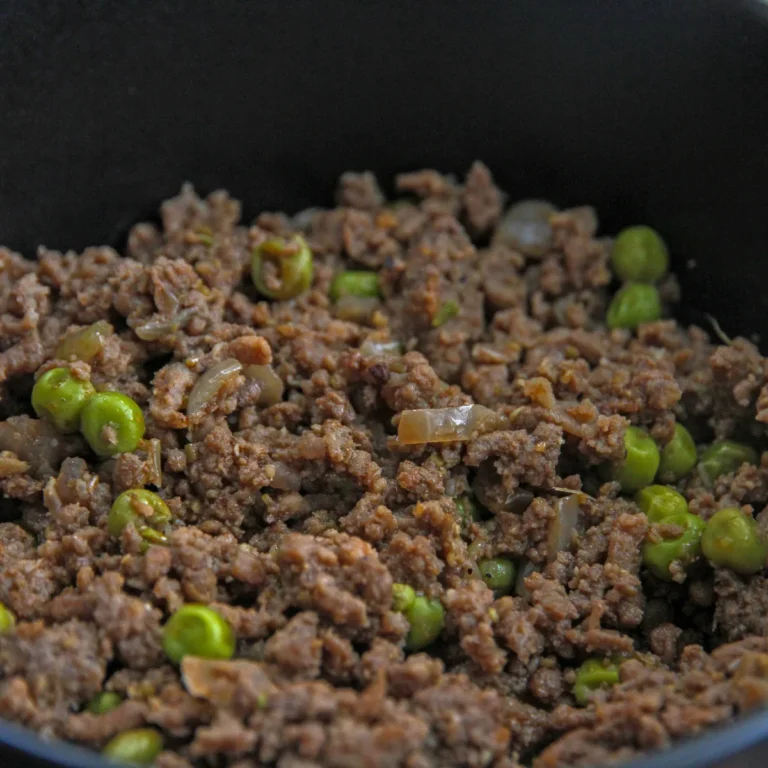
Turkey and zucchini soup. Soft texture. Gently simmered ground turkey, soft zucchini, tomato base, half-blended. The lid-and-low rule keeps ground meat tender; a boil turns it to gravel.
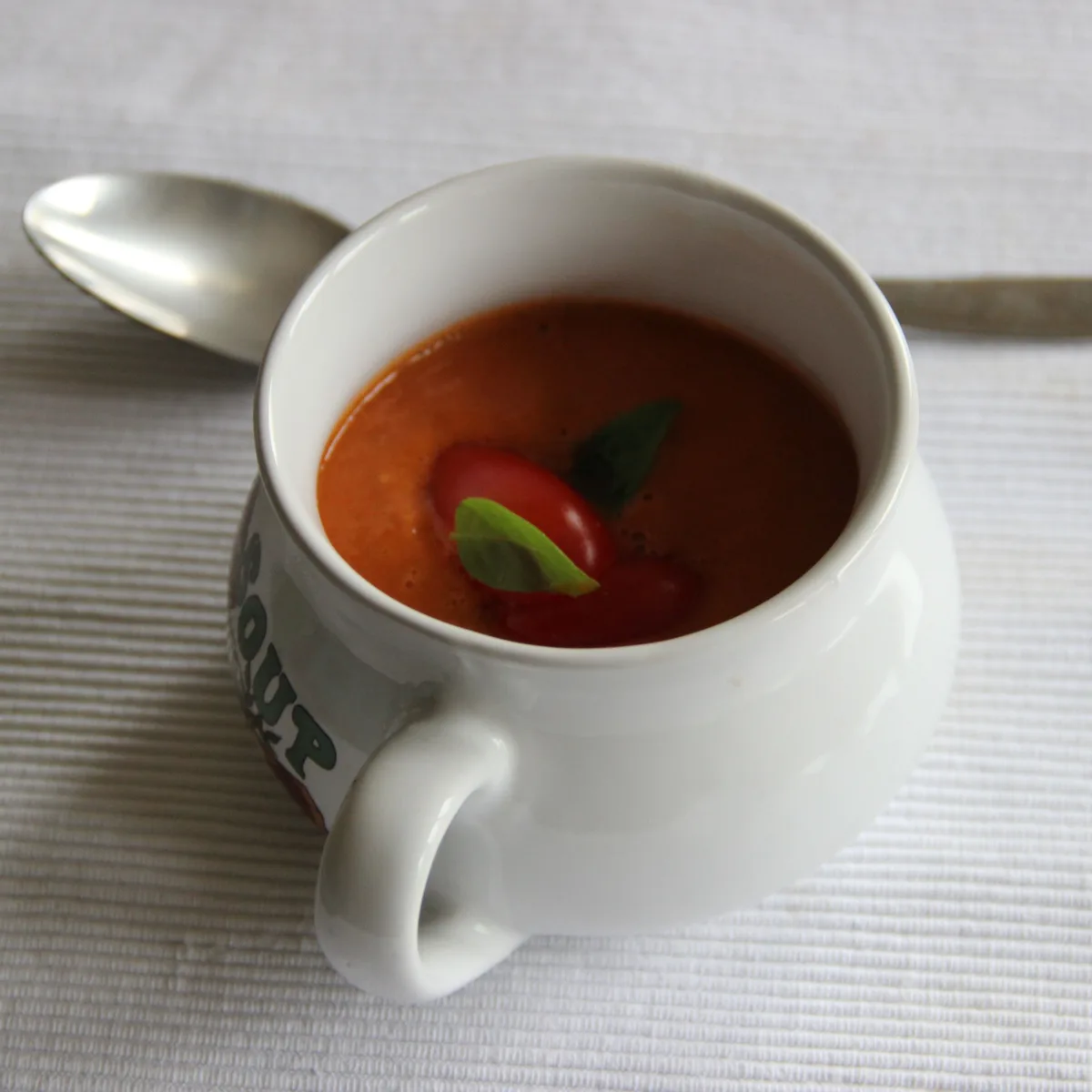
White bean and tomato pot with parmesan rind. Soft texture. The rind simmers in and gets fished out, leaving savory depth behind; it is the cheapest flavor upgrade in the soup world. Half-blend for body.
Spoon-Tender, Left Whole
Slow cooker chicken and vegetable soup. Soft texture. Thighs shred themselves over low hours, vegetables fully yielding. The fork test from bariatric soft food recipes applies to every piece in the bowl.
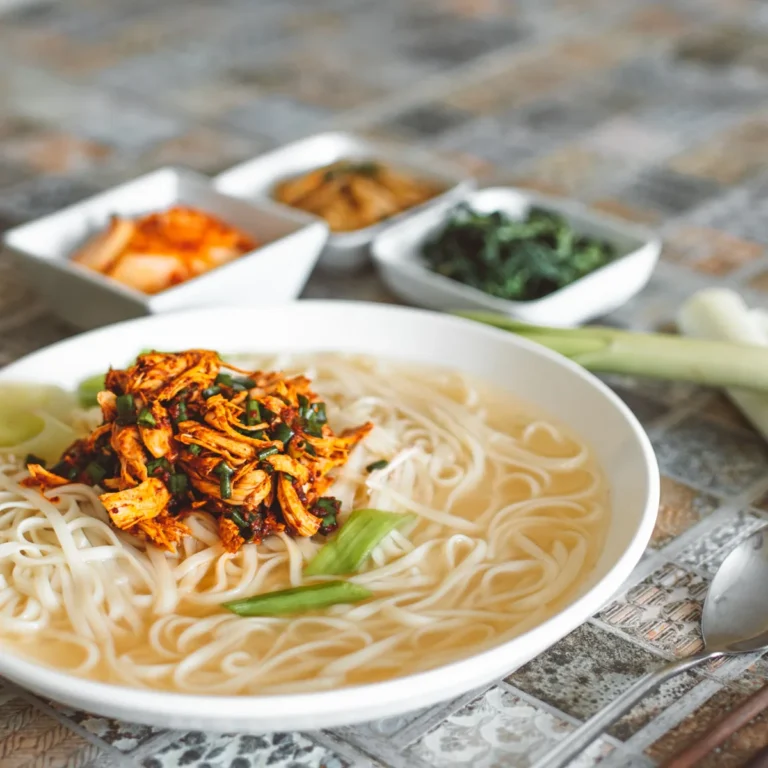
Chicken and rice soup, counted build. Regular texture. A measured half cup of rice for the whole pot, stated plainly on the card, cooked in the broth until fully tender. Rice swells overnight in the fridge, so day-two bowls run thicker; loosen with broth, not water.
Salmon chowder, gentle build. Soft texture. Salmon poached in the pot’s final eight minutes so it cannot dry, potatoes counted, a restrained pour of cream stated at its true value. Fish enters last, always; it is the one ingredient the reheat cannot rescue.
Braised green bean and tomato stew. Soft texture. Beans cooked long past the squeak with garlic and tomato, closer to a stew than a soup and better for it on day two.
Albondigas-style meatball soup. Soft texture. Turkey meatballs with riced cauliflower in the mix, simmered in tomato broth, labeled honestly as our adaptation. Chill the shaped meatballs ten minutes first and they hold together in the pot.
The Single-Portion Bank
Soup is the freezer’s best tenant, and the system is the same one the whole silo runs: cool the pot fast, portion into single servings, freeze flat in labeled bags, and for the blended pots, ice cube trays for the smallest servings. Thaw in the fridge or under cool water, reheat gently, and re-season every bowl with salt and a fresh squeeze of acid, because freezing mutes both. The half-blended pots freeze best of all; their body survives thawing where thin broths sometimes separate. A freezer holding four different labeled soups is the closest thing this section has to a guarantee that tonight works.
The Garnish Bar, Counted
A soup week survives on garnishes, because the garnish is what makes the same pot feel like a different bowl, and at this section’s textures the bar needs choosing with care. The free tier: fresh herbs chopped fine, a squeeze of lemon or lime, black pepper, a few drops of hot sauce for the tables that run warm. The counted tier, each stated at its real values wherever a card includes it: a swirl of Greek yogurt, which also cools a too-hot bowl to eating temperature in one stroke, a teaspoon of good olive oil or herb oil, grated parmesan, a spoonful of soft avocado on the tomato-based pots. The texture-aware note is the one most garnish advice skips: crunchy toppings, croutons and seeds and crispy anything, belong only on the bowls at the regular end of this page, because a crunchy garnish on a smooth soup defeats the texture on purpose. For the blended pots, contrast comes from temperature and richness instead, cold yogurt on hot soup, oil on lean broth. Stock the bar once and the freezer bank’s four soups become a dozen practical variations, which is the cheapest variety this section knows how to buy.
How the Numbers Work
Recipe cards in this section carry nutrition calculated ingredient by ingredient from USDA FoodData Central, protein stated per serving, sources archived, per our editorial policy. Rice, potatoes, cream and beans appear at their real values where pots include them. Portions and daily targets belong to your program and the resources at asmbs.org; the cards keep your inputs honest.
FAQ
Which soups here are fully smooth? The first five, blended and strained as written. Whether smooth is your current assignment is your team’s call; the labels describe the food and never clear it.
Can I make any of these soups smoother or chunkier? Almost all of them; that is soup’s superpower. Blend more or less, strain or do not, and the recipe survives. The only one-way door is the salmon chowder; blended fish soup is a mistake you make once.
Why do my blended soups taste flat? Seasoned before blending instead of after, no acid at the end, or served lukewarm; the fixes are in that order at bariatric puree recipes. Depth problems trace back further, to browning skipped at the start.
What is the best pot for meal prep? The chicken, white bean and carrot half-blend: it freezes flawlessly, reheats gently, and its two-textures-in-one design keeps a week of the same soup from feeling like a week of the same soup.
What should I make first? The blended chicken and vegetable soup. It teaches the poach, the blend and the season-after rule in one pot, and every other bowl on this page inherits from it.
Where to Go Next
Blender technique lives at bariatric puree recipes, the chicken bench at bariatric chicken recipes, and the section’s rules at the bariatric recipes pillar. Two worked singles with full USDA numbers are bariatric blended chicken soup and the high-protein bariatric cheeseburger soup.
Written by Frank Thomson, Skillet & Spoon editorial. Every nutrition figure on this site is calculated ingredient by ingredient from the USDA FoodData Central database, never estimated and never rounded to look better. We do not publish net-carb figures or use non-nutritive sweeteners. How we develop and source recipes is set out in our editorial policy.