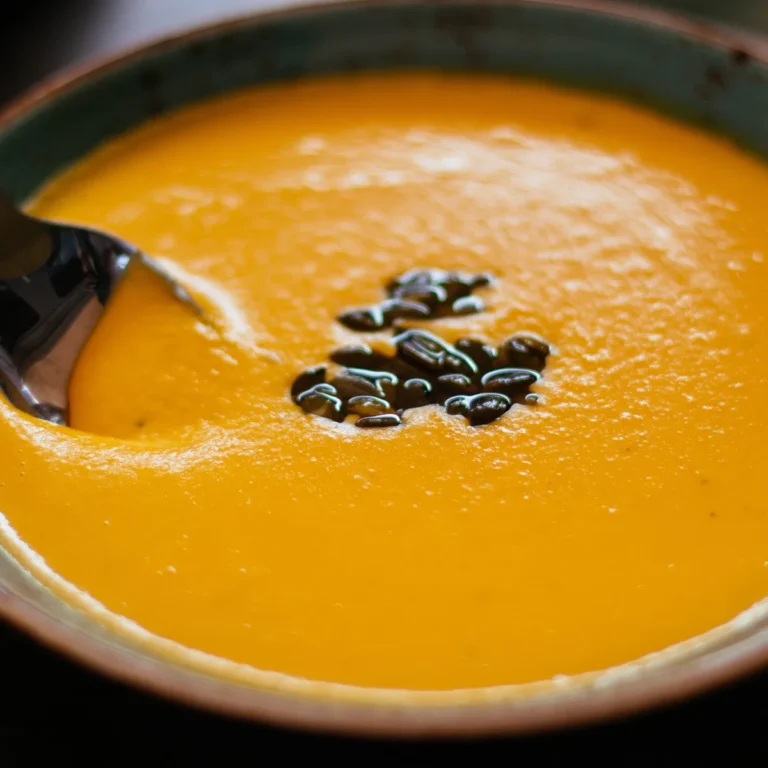
Bariatric Cheeseburger Soup, High Protein
Bariatric cheeseburger soup takes everything satisfying about a cheeseburger, the beef, the melted cheese, the tomato, and turns it into a soft, spoonable bowl that leads with protein instead of a bun. It runs on lean ground beef and real cheese, comes together in one pot in about half an hour, and the card states the protein per serving from USDA data so the headline number is never a guess. The recipe is right below, and the how and why follow it.

Ingredients
Method
- Brown the lean ground beef in a dry pot over medium-high heat, breaking it small, until no pink remains. Lean beef gives little fat, so a nonstick or well-seasoned pot helps here.
- Add the onion and garlic to the beef and cook 3 to 4 minutes until the onion softens and turns translucent.
- Stir in the diced tomatoes with their juice and the beef broth, scraping the browned bits off the bottom, and bring to a gentle simmer.
- Simmer uncovered 15 minutes so the flavours marry and the soup reduces slightly.
- Drop the heat to low. Stir in the cream cheese in small pieces until it melts completely and the broth turns creamy with no white lumps.
- Stir in the shredded cheddar off direct heat until just melted, then season with the salt and pepper. Keep it below a boil once the cheese is in, or the dairy can break and turn grainy.
Why This Recipe Works
- Lean ground beef carries the protein without the grease. Ninety-three percent lean beef puts nearly twenty-four grams of protein in each bowl while keeping the fat moderate, and browning it first builds the savoury base the whole soup rests on.
- Cream cheese thickens without flour. Melted in at the end, cream cheese turns the broth creamy and glossy with no roux and no starch, which keeps the carbohydrate low and the texture smooth.
- The cheese goes in off the heat. Stirred in below a simmer, the cheddar melts clean; boiled, the dairy proteins tighten and squeeze out fat, and the soup turns grainy. Temperature, not the cheese, is what decides a smooth pot.
Ingredient Notes
Lean ground beef. Ninety-three percent lean is the sweet spot: enough fat to taste like a cheeseburger, lean enough to keep each bowl protein-led rather than fat-led. Ground turkey or chicken swap in directly if you prefer, and the card moves with them, so recount if you change the meat.
Beef broth. The savoury backbone. A ready-to-serve broth is counted on the card, and because canned broths carry a lot of sodium, a low-sodium version is an easy way to bring the salt down without touching the flavour much.
Cream cheese and cheddar. The cream cheese is the thickener and the cheddar is the flavour. Both are counted. Full-fat gives the smoothest result, but a lighter cream cheese works if you want to trim the fat; recount the card if you do.
Diced tomatoes. Canned diced tomatoes bring the acidity that keeps a rich, cheesy soup from reading heavy. They are also the main source of what little carbohydrate the bowl carries.
The Method, In Short
The card carries the steps, and the order is the whole technique. Brown the beef hard for the base, soften the aromatics in the rendered flavour, then build the liquid with tomatoes and broth and let it simmer so the flavours settle. The two dairy steps come last and come gentle: cream cheese first, melted fully so there are no white lumps, then the cheddar off direct heat. Everything after the simmer happens below a boil, because that is the line between a smooth, creamy soup and a broken, grainy one.
Texture and Serving
As written this is a chunky, soft soup: tender beef, softened onion, a creamy broth. Where a smoother texture is what you are cooking toward, the whole pot blends completely with a stick blender into a thick, velvety bisque that still carries the full protein, since blending changes the texture and nothing else. The label on the card describes the food as a cooking texture; it does not tell you which texture is right for you, and that judgement belongs with your surgical team, not a recipe page.
A bowl reheats well through the week, and the protein makes it a protein-led bowl rather than a starter. Reheat gently, stirring, and keep it under a boil on the way back up so the reheated bowl stays as smooth as the first.
Why the Cheese Breaks If You Boil It
Cheese is a suspension of fat and water held together by casein proteins. When cheddar melts into a warm liquid, those proteins relax and let the fat disperse evenly, which is what reads as creamy. Push the pot to a boil and the casein does the opposite: it contracts and knots together, squeezing the fat and water back out, so the soup separates into greasy pools and rubbery strings. That is why the cheddar goes in off the heat and the pot never returns to a boil once it is there. It is checkable in your own kitchen: a ladle held below a simmer stays glossy, while the same soup pushed to a rolling boil turns grainy quickly.
FAQ
How much protein is in a bowl? Just under twenty-four grams per serving, calculated ingredient by ingredient from USDA data and stated on the card. The lean beef and the cheese together are what carry it.
Is this a soft or smooth texture? As written it is a soft, chunky soup. Blended with a stick blender it becomes fully smooth with the same protein. Which texture suits you is your surgical team’s call; the card describes the food, it does not clear it.
Can I lower the sodium? Yes, use a low-sodium beef broth and hold back the added salt until you taste at the end. Canned broth is where most of the sodium comes from, so that one swap does most of the work.
Can I make it dairy-lighter? Use a reduced-fat cream cheese and a little less cheddar. You lose some richness but keep the protein and the creamy body. Recount the card if you change the amounts.
Will it freeze? Cream-and-cheese soups can turn slightly grainy after freezing because the dairy separates. It is better kept refrigerated for three to four days and reheated gently below a boil. If you do freeze it, blending it smooth on reheat hides most of the change.
Where to Go Next
More protein-led bowls sit on the bariatric soup recipes page, the whole-food protein bench is at high protein bariatric recipes, and the section starts at the bariatric recipes pillar.
Label note: most of the carbohydrate in this recipe comes from the diced tomatoes, calculated here from USDA’s generic entry. Brands vary, and some contain added sugar, so check the label on the one in your kitchen.
Written by Frank Thomson, Skillet & Spoon editorial. Every nutrition figure on this site is calculated ingredient by ingredient from the USDA FoodData Central database, never estimated and never rounded to look better. We do not publish net-carb figures or use non-nutritive sweeteners. How we develop and source recipes is set out in our editorial policy.