Diabetic Red Lentil Soup with a Whole Lemon Finish
Diabetic red lentil soup carries the highest carbohydrate number of any single recipe this section has published, and it says so up front, because that is how this site works. Lentils are dense food and the card counts them in full, fiber stated separately, nothing netted. What the honest number buys is the cheapest complete dinner we publish: pantry staples, one pot, forty five minutes, six servings, and a finish, one whole lemon squeezed in off the heat, that turns a mild pot bright. The secret is the lemon.
Ingredients
Method
- Rinse the lentils in a sieve until the water runs mostly clear.
- Soften the onion and carrots in the oil over medium heat, about 6 minutes, until the onion turns translucent.
- Add the garlic and cumin and stir 30 seconds, until the cumin smells toasted.
- Add the lentils, broth and salt. Bring to a boil, then drop to a simmer.
- Simmer uncovered 25 minutes, stirring now and then, until the lentils have collapsed into a rough, thick puree. Skim any foam in the first minutes.
- Off the heat, squeeze in the whole lemon’s juice, taste, and adjust salt. Blend a cup and stir it back for a silkier pot, or leave it rustic.
Why This Recipe Works
- Red lentils self-thicken. They shed their skins and collapse into a rough puree on their own inside thirty minutes, no blender required, no roux wanted. The soup’s body is the ingredient.
- The cumin blooms before the liquid. Thirty seconds in hot oil with the garlic, per the rule that runs this whole section: toasted spice tastes planned, raw spice tastes dusty.
- The lemon is seasoning, not garnish. A whole lemon’s juice, off the heat, converts a mild pot into a bright one. It is the single highest-return squeeze in this section.
Ingredient Notes
The lentils. Red or pink split lentils, the coral-colored bags, counted at their full USDA value on the card. They are the dish’s body and, as the audit behind this recipe shows, the overwhelming majority of its carbohydrate, which is exactly what a lentil soup honestly is. Brown or green lentils are a different recipe: they hold their shape and never give this soup its texture.
The rinse. Until the water runs mostly clear. It takes a minute and it is the difference between a clean-tasting pot and a starchy-scummed one; the foam you skim early is what the rinse did not catch.
The broth. Chicken broth as written, counted; vegetable broth converts the pot fully vegetarian with no other change. Water works in a pinch with an extra half teaspoon of salt and a little less depth.
The lemon. One whole fruit, juiced at the end, off the heat, same logic as the shrimp pan: citrus boiled goes flat, citrus squeezed into a finished pot stays alive. Bottled juice is flatter but beats skipping it.
The Method, In Short
The card carries the steps, and the pot is nearly self-driving: soften, bloom, simmer, squeeze. The simmer runs uncovered so the pot thickens as the lentils collapse, and the only attention it wants is a stir every few minutes once it thickens, because a thick lentil pot left alone will catch on the bottom. It is done when a spoon stands a moment before falling.
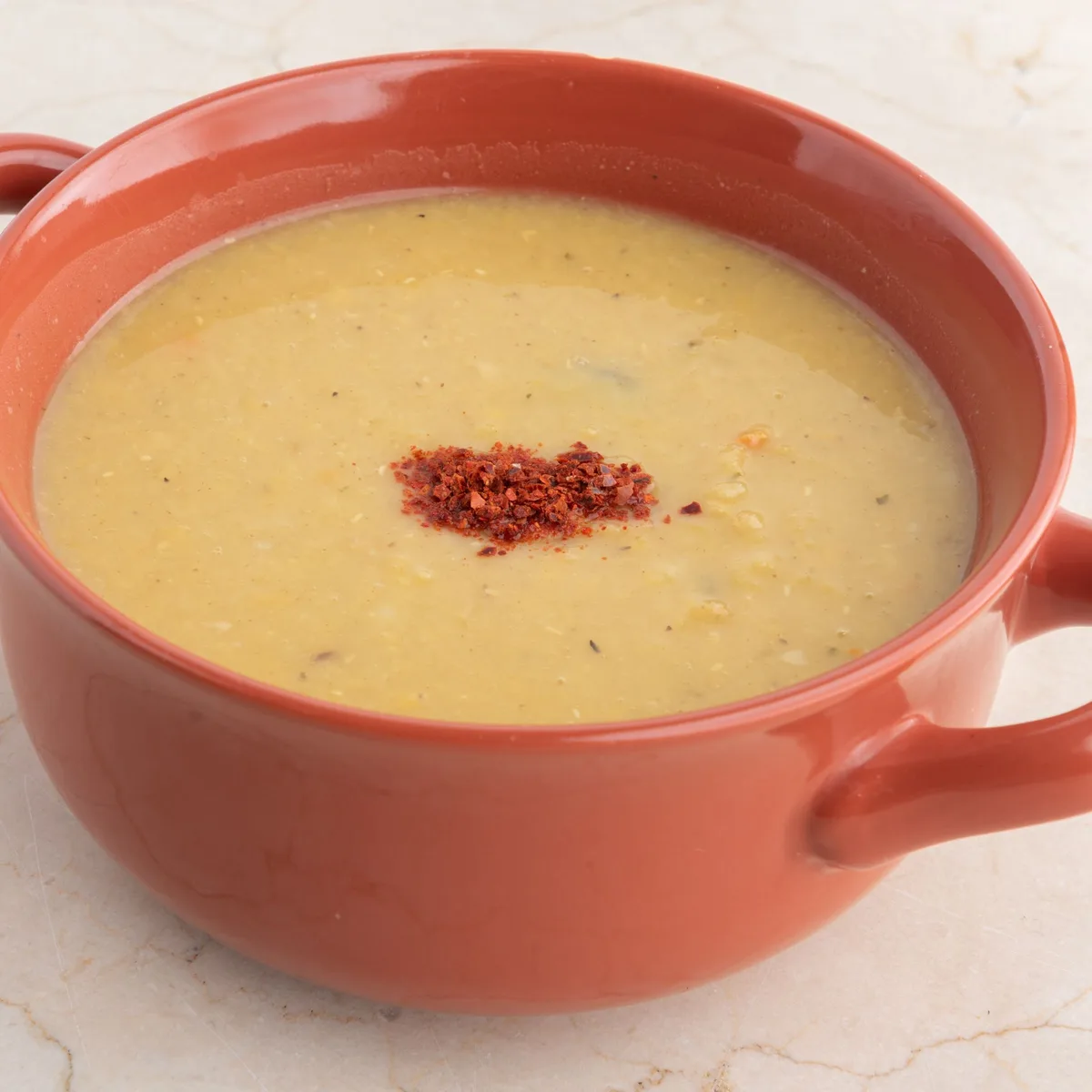
Texture is a preference with two settings. As-is, the pot is rustic, with soft carrot dice in a rough puree. One cup blended and stirred back, or a few pulses of an immersion blender, turns it silky while keeping body. Fully blended it becomes something closer to a bisque, which is legitimate but no longer this recipe.
Serving, Storage and the Jar System
A swirl of Greek yogurt, counted, and cilantro or parsley finish a bowl properly; chili flakes or a spoon of harissa suit the tables that run hot. Alongside, a counted slice of the seeded loaf from diabetic bread recipes is the house pairing.
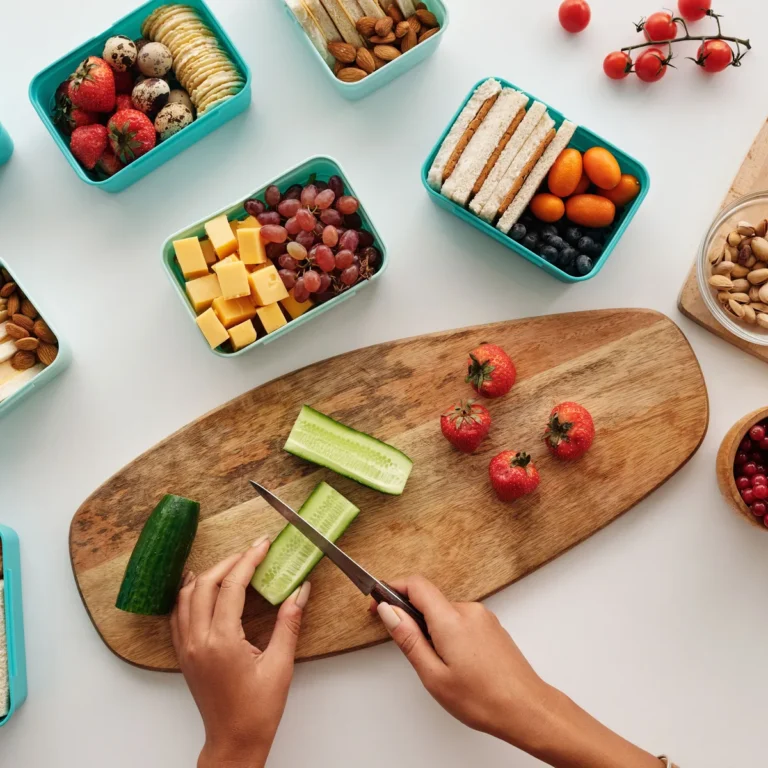
This soup is the founding member of the jar system on our diabetic lunch recipes page: portioned into five jars, it holds five days refrigerated, reheats gently without breaking, and the lemon survives the microwave better than any cream soup ever will. It freezes flat for three months, and it thickens as it sits; loosen reheated portions with a splash of water and re-taste the salt.
Why the Lemon Goes In and the Lid Stays Off
Acid squeezed into the pot off the heat disperses through every serving, so each bowl carries the same brightness; wedges left on the side put that step at the table, where it is easily skipped and the acid never gets distributed evenly. Building it into the recipe is the reliable route. The uncovered simmer is doing structural work too: with no lid, water evaporates as the lentils collapse, and that loss of volume is what concentrates the pot and sets its thickness. A lid traps that water back into the soup, so the pot stays thin. The evaporation is the mechanism; let it run.
FAQ
Why publish a soup this high in carbohydrates on a diabetic site? Because the site’s job is honest arithmetic, not confiscation. The card states the lentils in full with fiber separate, and whether this pot fits your plan is a decision for you and your care team, made with real numbers. What we never do is shrink a serving to flatter the card.
Can I add more vegetables? Diced zucchini or a handful of spinach in the last five minutes works without changing the pot’s character. Potatoes and extra carrots push the arithmetic up; count what goes in.
Is this the same as Turkish or Lebanese lentil soup? It is our weeknight adaptation of that family of soups, and we label it as such. The traditional versions are the reason the cumin-and-lemon pairing exists at all.
My soup came out thin. What happened? Usually a covered simmer or an early stop. Uncovered, twenty five minutes, and the lentils fully collapsed; if it is still thin, simmer on, it thickens rather suddenly at the end.
Where to Go Next
The jar and lunch systems this pot feeds live at diabetic lunch recipes, the vegetarian bench continues at diabetic vegetarian recipes, and the whole section starts from the diabetic recipes pillar.
Written by Frank Thomson, Skillet & Spoon editorial. Every nutrition figure on this site is calculated ingredient by ingredient from the USDA FoodData Central database, never estimated and never rounded to look better. We do not publish net-carb figures or use non-nutritive sweeteners. How we develop and source recipes is set out in our editorial policy.