Diabetic Recipes That Taste Like Food, Not Homework
Diabetic recipes, as most of the internet writes them, commit one of two sins: they read like a punishment, all substitution and no pleasure, or they slap the word “diabetic” on ordinary food and hope. This section does neither. It collects cooking that leans on non-starchy vegetables, lean protein, beans, whole grains and fruit, and that gets its flavor from herbs, spices, citrus, char and technique rather than from added sugar. That is a cooking approach, not a prescription, and it happens to produce food anyone at the table will eat without being told what it is.
Every recipe card in this section carries nutrition calculated from the USDA FoodData Central database, ingredient by ingredient, never estimated and never generated by software guessing. If a figure looks wrong to you, tell us and we will check it against the source data. That promise is the reason this section exists at all.
How This Section Is Organized
The collections below mirror how people actually search and cook: desserts first, because giving up dessert entirely is the change people abandon first, then breakfasts, mains by protein, soups, snacks and the slow cooker set. Every collection follows the same rules: flavor from technique, numbers from USDA, and honesty about what a dish is. Nothing here claims to treat, prevent or manage anything, because recipes do not do that; they just have to taste good enough to cook twice.
Start Here: The Five Building Blocks
Like our Mexican section’s five foundations, this silo runs on repeatable technique. Learn these and most of the recipes become assembly.
Char and roast for depth. Blistered vegetables, browned mushrooms and roasted peppers deliver the satisfaction that sugar-heavy sauces fake. The broiler is the most underused appliance in this whole conversation.
Acid as the finisher. Lime, lemon and vinegar wake up a plate the way a pinch of sugar does in conventional cooking, at zero grams. A squeeze at the table is the cheapest seasoning there is.
Whole grains, toasted first. Quinoa, steel cut oats and brown rice all improve with the dry-toast-then-simmer method our sides collection built. Toasting adds the roasted flavor that makes a modest portion satisfying.
Greek yogurt as the workhorse. It stands in for sour cream on tacos, for mayo in slaws, for cream in cold sauces, and it anchors half the breakfast collection. Plain, unsweetened, and better than its reputation.
The berry-nut-cocoa dessert triangle. The dessert collection builds from fruit, dates, nuts, dairy, oats and unsweetened cocoa, never from sugar substitutes. Where a recipe genuinely needs more, a small spoonful of honey or maple syrup goes in and gets counted in full.
Desserts, the Largest Collection on Purpose
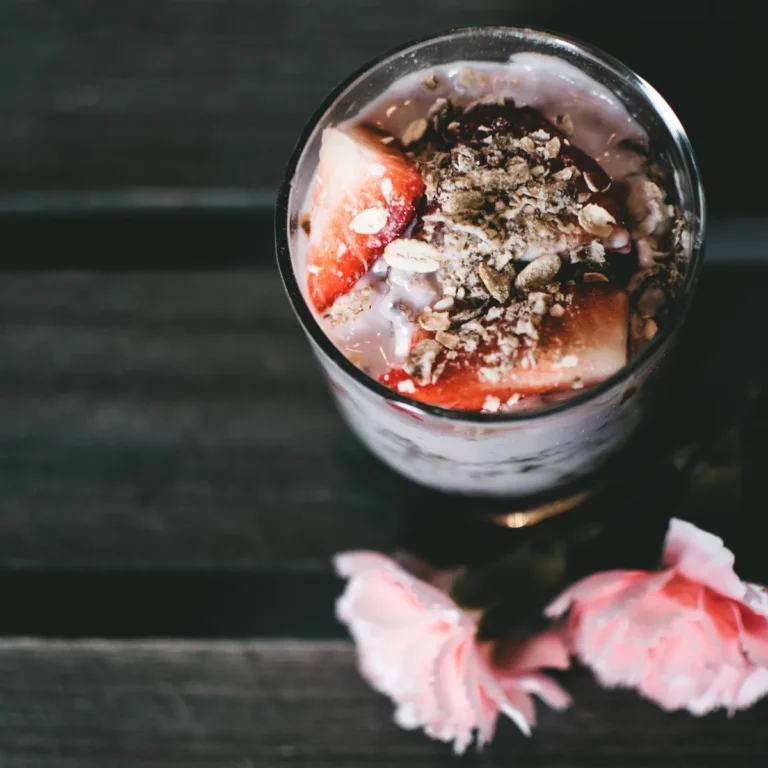
The dessert shelf is where this section proves its case. Berry parfaits layered with Greek yogurt and toasted oats. Chia puddings that set overnight and taste like effort. Baked apples with cinnamon and walnuts. Almond flour cookies with real texture. Chocolate avocado mousse rich enough to pass for the full-sugar kind. Ricotta with berries and dark chocolate shavings, the two minute answer. Peanut butter energy bites for the lunchbox. Frozen yogurt bark, snapped into shards straight from the freezer.
The through-line: fruit, dates, dairy, nuts, oats, cocoa and almond flour doing the heavy lifting, with honestly counted honey or maple syrup in the rare supporting role. The full collection lives at diabetic dessert recipes, with the quick-win subset at easy diabetic dessert recipes.
Breakfasts That Hold Until Lunch
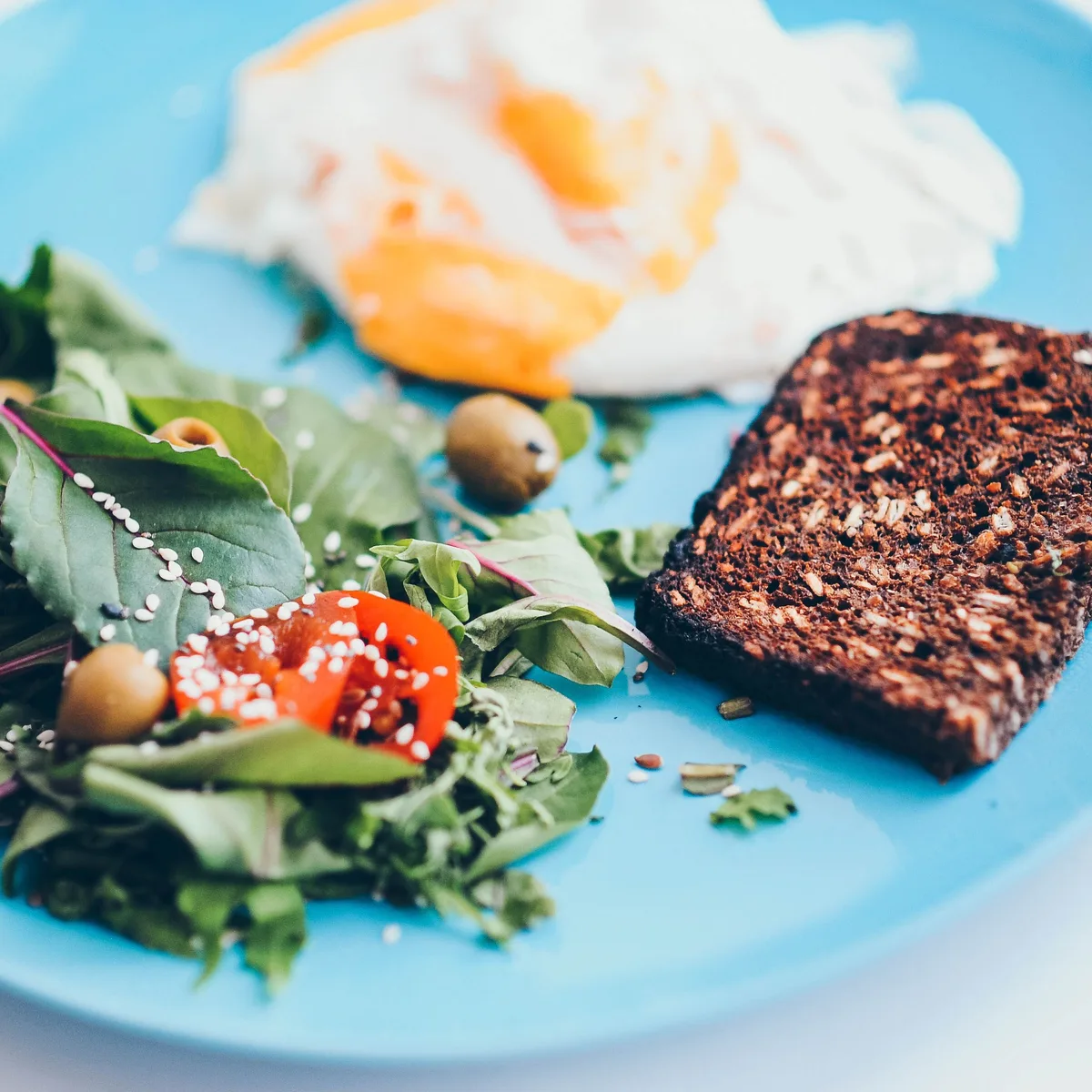
Breakfast is where the protein-and-fiber logic pays off most visibly. Veggie-packed egg muffins baked ahead for the week. Greek yogurt bowls with the berry-nut treatment. Overnight steel cut oats with chia and cinnamon. Cottage cheese plates with tomato and everything seasoning, the savory option nobody expects to love. Almond flour pancakes for the weekend, with a measured spoonful of real maple syrup counted in full on the card. Smoothies built on the spinach-berry-yogurt template rather than the fruit-juice-and-banana one.
The breakfast collection is at diabetic breakfast recipes, and the blender subset at diabetic smoothie recipes.
Mains: Chicken, Beef, Pork and Seafood
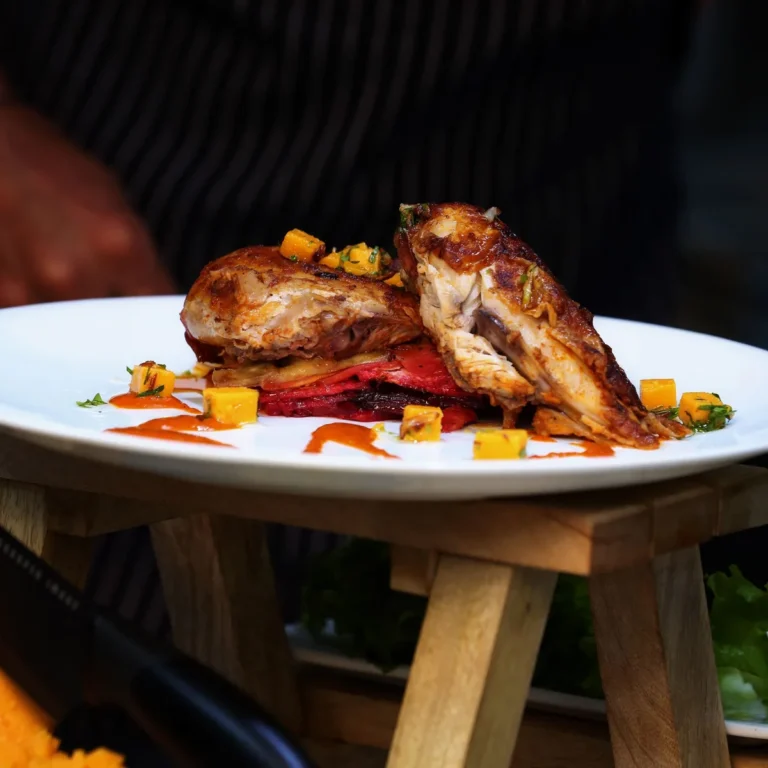
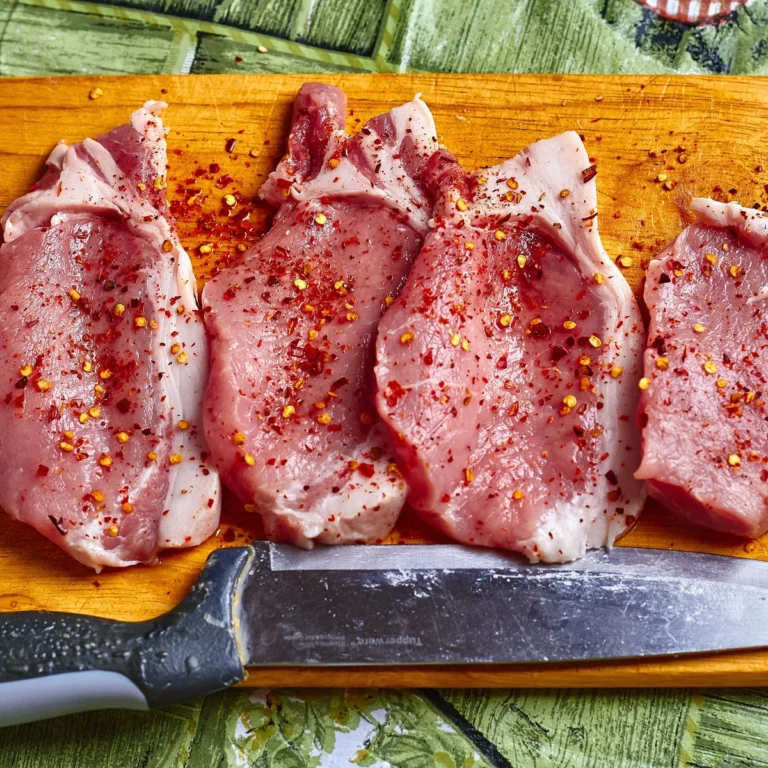
The dinner collections borrow shamelessly from our Mexican silo’s technique library, because good cooking is good cooking. Sheet pan chicken with charred vegetables. Grilled chili lime chicken built on the pounding-and-temperature method our chicken pages teach. Beef and vegetable skillets where the vegetables outnumber the beef and nobody audits. Pork tenderloin roasted with herbs. Baked fish with lemon and garlic, fifteen minutes end to end. Shrimp and vegetable dinners on the ninety-second shrimp rule. Turkey chili thick with beans. Stuffed peppers where cauliflower rice earns its place honestly, stretching the filling rather than impersonating rice.
Collections: diabetic chicken recipes, diabetic dinner recipes, and diabetic meal ideas for the planning view.
Soups, Snacks and the In-Between Meals
Soups are the quiet heroes of this whole approach: broth-based, vegetable-crowded, bean-thickened and endlessly reheatable. Chicken vegetable soup on the caldo model. Turkey and white bean chili. Lentil soup with cumin and lemon. Roasted tomato soup finished with Greek yogurt instead of cream.
The snack shelf runs on the same logic at hand size: roasted chickpeas, cheese and vegetable plates, deviled eggs, cucumber rounds with whipped cottage cheese, and the nut-and-seed mixes that beat anything in a vending machine. Find them at diabetic soup recipes and diabetic snack ideas.
The Slow Cooker Set
The appliance rules from our crock pot collection apply here unchanged: cut the liquid by a third, brown what needs browning, finish with something fresh. The diabetic slow cooker shelf leans on braised chicken thighs with vegetables, beef and mushroom stew, white chicken chili, and the bean pots that make weekday lunches automatic. Collection at diabetic crock pot recipes.
How We Handle Sweeteners, Carbs and Claims
Three editorial positions, stated plainly so you never have to guess.
Sweeteners. Our recipes do not use non-nutritive sweeteners, and the reason is data, not ideology: erythritol and allulose have no generic entry in the USDA database, and the entries for stevia and monk fruit carry carbohydrate figures that do not reflect real use. We publish only numbers we can verify, so sweetness here comes from fruit, dates, banana, applesauce, cocoa, cinnamon and vanilla, or from a small, fully counted amount of honey or maple syrup. An honestly counted two teaspoons of honey is more useful to you than an unverifiable sweetener line. The full position is in our editorial policy.
Carbohydrates. Every recipe card lists total carbohydrates and fiber per serving, calculated from USDA data with the source IDs kept on record. We flag each recipe’s main carbohydrate contributor in our internal audits so a data error cannot hide. What you do with those numbers belongs to you and your care team; we just guarantee they were calculated honestly.
Claims. No recipe here treats, prevents or manages anything. Where a dish is lower in carbohydrate or higher in fiber than a conventional version, we say so plainly and let the numbers speak. The American Diabetes Association’s guidance at diabetes.org is a better starting point than any recipe site, including this one.
The Pantry That Makes It Sustainable
The shelf behind this whole section costs one focused shopping trip and keeps for weeks, which matters because sustainable cooking beats ambitious cooking every time the calendar gets loud. The dry goods: quinoa, steel cut and rolled oats, almond flour, whole wheat flour, chia seeds, ground flaxseed, unsweetened cocoa, canned beans in variety, canned pumpkin, unsweetened applesauce, and the nut shelf. The fridge: eggs, Greek yogurt in the big tub, cottage cheese, a melting cheese and a crumbling cheese, and whatever vegetables the week’s plan claims. The freezer: berries by the large bag, which outperform fresh in every blended and baked role at half the price, plus a protein rotation and the soup bank every batch-cooking Sunday deposits.
Two habits make the shelf work harder. Wash and cut vegetables the day they come home, because the fridge’s crisper is where good intentions go to wilt uncut. And keep the acid corner stocked, lemons, limes, and two vinegars, since the finishing squeeze is this section’s answer to the question sugar usually answers elsewhere.
Reading a Recipe Card in This Section
Every card here reports calories, protein, fat, saturated fat, total carbohydrates, fiber, sugars and sodium per serving, calculated from the USDA database with the specific food IDs archived. Where an ingredient had no clean USDA entry and a stand-in was calculated instead, a note under the card names exactly what was used, per the disclosure policy our Mexican recipe cards already follow. Serving counts are stated plainly and portions are described in kitchen units, cups and pieces, never in prescriptive language. The numbers are information, not instruction; what they mean for your plate is a conversation for you and your care team, and we write every card so that conversation starts from honest data.
A Week From This Section
Monday, sheet pan chicken with charred broccoli and peppers. Tuesday, turkey chili from Sunday’s pot, improved by the wait. Wednesday, baked fish with lemon, green beans and a quinoa scoop. Thursday, the beef and vegetable skillet. Friday, shrimp with garlic and zucchini noodles beside real conversation about the weekend. Dessert twice: chocolate avocado mousse midweek, berry parfaits on Friday.
One shopping trip covers all five dinners. The Sunday hour that funds it: a pot of turkey chili, a batch of quinoa, washed-and-cut vegetables, and a jar of the lime-herb dressing that finishes half these plates.
What This Section Borrows From the Rest of the Site
The Mexican silo’s technique pages are this section’s older siblings: the healthy mexican recipes collection shares the char-instead-of-fry doctrine, the chicken pages teach the temperatures, and the plate formula, one protein, one starch kept modest, one sharp thing, works identically here. Cooking well for this section is not a separate skill; it is the same skill pointed at a particular pantry.
FAQ
What makes a recipe “diabetic”? Nothing official; there is no legal definition. On this site it means the recipe leans on vegetables, lean protein, beans, whole grains and fruit, keeps added sugar minimal, and carries honestly calculated nutrition so you can judge fit for yourself.
Are these recipes low carb? Some are, some are moderate. Each card states its numbers; a low-carb-specific subset gets its own collection. We label rather than assume, because carbohydrate targets are personal.
Can the whole family eat these? That is the test every recipe here has to pass. Nothing in this section is medicalized food; it is dinner that happens to be built on vegetables, protein and technique.
Why do you refuse to estimate nutrition? Because a wrong number here is worse than no number, and estimation is how numbers go wrong. USDA calculation with sources on record is slower, and it is the standard this section was built on. Our editorial policy documents the method.
Where should I start? The dessert collection if you think this section will be joyless, and the sheet pan chicken if you want dinner tonight. Both make the argument better than this paragraph can.
Closing
Pick one building block and one collection and cook a single recipe this week. This page grows as each collection publishes, and every new recipe gets linked here, exactly as our easy mexican recipes at home pillar has done since day one.
More recipes to try
- diabetic cookie recipes
- diabetic cake recipes
- diabetic muffin recipes
- diabetic friendly cookie recipes
- diabetic smoothie recipes for weight loss
- easy diabetic chicken breast recipes
- low carb diabetic chicken recipes
- diabetic chicken breast recipes
- diabetic ground beef recipes
- diabetic hamburger recipes
- diabetic pork chop recipes
- diabetic shrimp recipes
- diabetic pasta recipes
- diabetic bread recipes
- diabetic slow cooker recipes
- diabetic vegetarian recipes
- gluten free diabetic recipes
- low carb diabetic recipes
- diabetic snack recipes
- diabetic lunch recipes
- diabetic thanksgiving recipes
- 4-ingredient diabetic recipes
- pre diabetic recipes
Written by Frank Thomson, Skillet & Spoon editorial. Every nutrition figure on this site is calculated ingredient by ingredient from the USDA FoodData Central database, never estimated and never rounded to look better. We do not publish net-carb figures or use non-nutritive sweeteners. How we develop and source recipes is set out in our editorial policy.