Diabetic Chicken Breast Recipes: 12 Builds, Zero Dry Meat
Diabetic chicken breast recipes carry a reputation problem that is really a technique problem. The breast is the leanest large cut in the meat case, which makes it both the default choice on this site and the easiest meat in the kitchen to ruin, because lean means there is no fat to hide a missed temperature. This page is the technique file: twelve recipes, each built to teach one move that makes breast meat reliable, so the cut earns its place through method rather than resignation.
If you want speed above all, our easy diabetic chicken breast recipes page strips this file down to its half-hour essentials. This page goes deeper on the why.
The Three Temperatures That Matter
Every recipe below runs on three numbers. Breast is safe and juicy at 165F internal. Carryover cooking adds roughly five degrees during the rest, so the pan or oven’s job ends at 160F. And the poaching sweet spot is water held near 170F, a shimmer with lazy bubbles at the pot’s edge, never a boil. A boil is a hundred and twelve degrees hotter than the meat ever needs to reach, and that gap is where rubber poached chicken comes from.
The tool is an instant-read thermometer. There is no visual substitute; the color change that people cook by happens well past the juicy window.
Brining: The Insurance Policy
Dry brine, the default. Salt the breasts, half a teaspoon per large breast, and leave them uncovered on a rack in the fridge for forty minutes or up to a day. The salt dissolves into the meat, seasons it through and helps it hold moisture against a small overshoot. The surface also dries, which is what real browning wants.
Wet brine, the rescue. A quarter cup of salt in a quart of water, thirty minutes, for breasts going onto a grill or under a broiler where the heat is violent and the margin is thin. Rinse and pat truly dry afterward or the surface steams.
The Twelve Builds
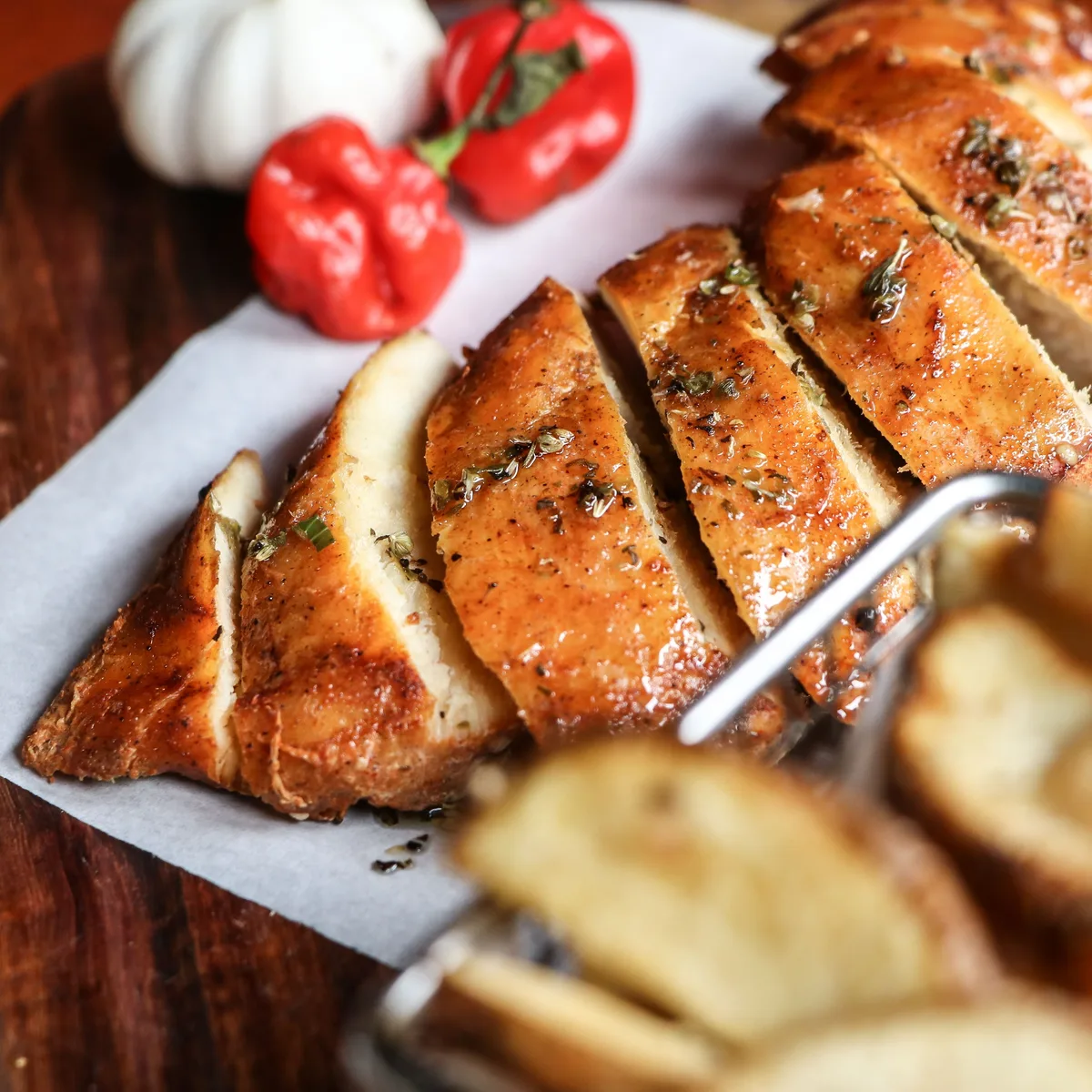
Pan seared breast, master version, 20 minutes. Dry brined, pounded even, seared in a barely smoking pan three minutes a side, rested five. This is the reference recipe; cook it twice with a thermometer and every other entry becomes a variation.
Poached breast for the week, 30 minutes. Salted water at that lazy-bubble shimmer, breasts in, pulled at 160F, about twenty minutes. The texture is silk, nothing like the boiled chicken this method gets confused with. It banks the week’s salads and wraps.
Grilled breast with charred lemon, 25 minutes. Wet brined, grilled over direct heat two minutes a side for marks, finished over indirect until 160F. Halved lemons go cut side down on the grate; charred juice is sweeter and smokier than raw.
Baked breast, honest version, 35 minutes. The oven is the hardest tool for this cut because air transfers heat unevenly, so this build compensates: 425F, a dry brined breast, pulled at 160F, rested under foil. Cooked at 350F the breast spends too long in the drying zone; hotter and shorter wins.
Chicken paillard with arugula, 20 minutes. Pounded to a quarter inch, seared ninety seconds a side, topped with lemony arugula and shaved parmesan. The thinness is the recipe: at a quarter inch there is no thermometer needed because there is no center to lag.
Stuffed breast with spinach and feta, 45 minutes. A pocket cut with a paring knife, filled, seared, then finished in the oven. Cut the pocket parallel to the board and stop half an inch from the edges; a pierced wall leaks its filling into the pan.
Chicken piccata, 30 minutes. Thin cutlets, restrained whole wheat flour dredge, lemon caper pan sauce. Counted flour, real browning; the dredge is a tablespoon doing a tablespoon’s honest work.
Skillet chicken with peppers and onions, 30 minutes. Strips seared hard and fast, vegetables after, everything folded back with oregano. Strips of even thickness cook in two minutes; keep the pan hot enough that they hiss the whole time.
Salsa verde poached chicken, 35 minutes. Breasts poached directly in tomatillo salsa thinned with stock, shredded into the liquid. The gentle-simmer rule from the poaching section applies with sauce exactly as with water.
Yogurt marinated grilled breast, 30 minutes plus marinating. Yogurt, garlic, cumin and lemon zest for two to six hours, never overnight. Acidic marinades work the surface only, and past the six hour mark the acid keeps denaturing the outer proteins until they turn mealy rather than tender; that boundary is why the two to six hour range works and overnight does not.
Chicken breast soup with vegetables, 45 minutes. The one place breast beats thigh in a soup: poach whole breasts in the finished broth off the boil, then shred back in at serving. Simmered as chunks from the start, breast turns to dry threads in any soup.
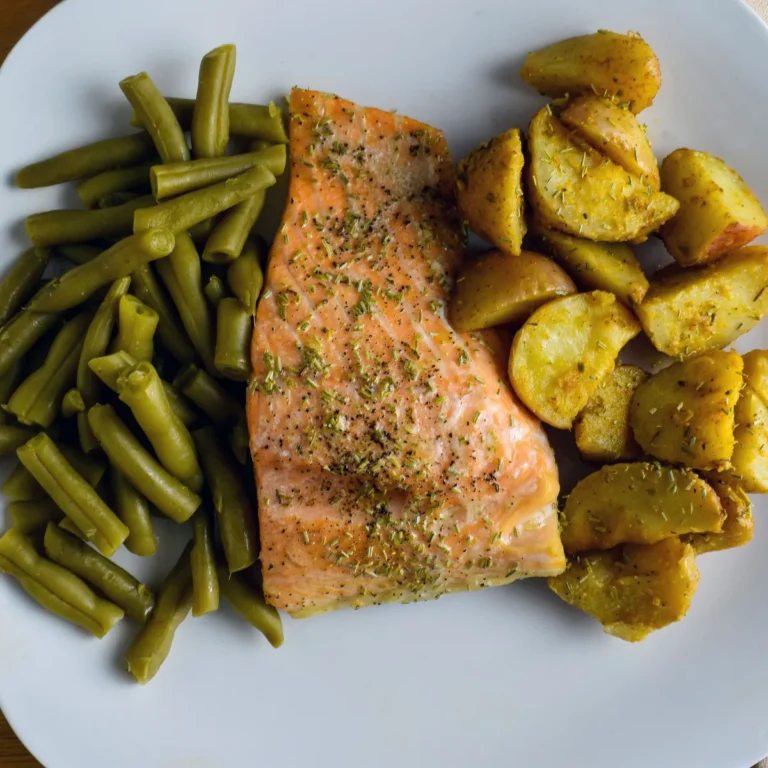
Sheet pan breast with green beans and tomatoes, 35 minutes. Dry brined breasts center-pan at 425F, vegetables at the edges, everything down at once. Pull the chicken at 160F even if the beans want five more minutes; the pan does not get a vote on the meat.
How the Numbers Work
Every card on this page carries nutrition calculated ingredient by ingredient from USDA FoodData Central, source entries archived, per our editorial policy. Total carbohydrates and fiber are stated separately, never as a net figure. The flour in the piccata dredge, the parmesan on the paillard and the yogurt in the marinade are all counted at their real values. Honest numbers are the entire point of cooking from cards like these.
The Buying and Banking File
The meat case sells the same cut three ways and prices them differently. Whole large breasts are the value buy and take thirty seconds each to pound or butterfly. Thin-sliced cutlets cost more per pound for work you can do with a pot bottom. Tenderloins, the strip under the breast, cook faster than everything else and overcook faster too; treat them as their own cut with a two minute sear, not as small breasts.
Banking beats buying fresh twice a week. The house system: buy the family pack, pound everything even in one session, then split it three ways. Tonight’s pair goes to the fridge. Two pairs freeze raw and flat with parchment between, ready for any recipe above after a twenty minute cold water thaw. The rest gets poached immediately and shredded for the week’s salads, wraps and soups. Fifteen minutes of Sunday work, and the week’s fastest recipe is no longer limited by what is thawed.
Label the freezer bags with the date. Flat-frozen cutlets hold quality about three months, and the unlabeled bag from an unknown month is how freezer chicken earns its bad reputation.
Why Hot and Fast Keeps Breast Moist
A lean breast sheds water the whole time its interior sits between roughly 140F and the pull point, because the muscle fibers contract as they heat and squeeze moisture out into the pan. A 425F oven drives the center to 160F faster than a 350F oven does, so the breast spends less total time in that squeezing zone and keeps more of its water. A slow bake is not gentler on the meat; it just lengthens the drying window, which is why hotter and shorter wins on this cut. The marinade boundary runs on the same logic in reverse: acidic yogurt marinades act on the surface only, and left past six hours the acid keeps denaturing the outer proteins until that layer turns mealy rather than tender. Acid works a short shift, not a long one.
FAQ
Why does my chicken breast always come out dry? Almost always one of three misses: no even thickness, no thermometer, or no rest. Fix them in that order. The master sear recipe above exists to install all three habits in one twenty minute cook.
Is chicken breast better than thigh for this section? Not better, just leaner and less forgiving. This page exists because the lean cut demands technique; the thigh methods live in our diabetic chicken recipes hub, and choosing between them is preference, not doctrine.
Can I cook these from frozen? The poached version tolerates it with about ten extra minutes and a thermometer check. Searing from frozen fails: the outside overshoots long before the center moves. Thaw flat-frozen cutlets under cold water in twenty minutes instead.
How long does poached chicken keep? Four days refrigerated, stored in a little of its poaching liquid so it does not dry in the container. It also freezes shredded for three months.
What does the rest actually do? Five minutes off heat lets the juices thicken slightly and redistribute, so they stay in the slice instead of on the board. Cut immediately and you can watch the difference run out of the meat.
Where to Go Next
The chicken hub at diabetic chicken recipes holds the thigh and slow cooker builds, the vegetable-first dinners live at low carb diabetic chicken recipes, and the whole section starts at the diabetic recipes pillar. Two fully worked singles with USDA cards are diabetic salsa chicken and diabetic chicken cabbage stir fry.
Written by Frank Thomson, Skillet & Spoon editorial. Every nutrition figure on this site is calculated ingredient by ingredient from the USDA FoodData Central database, never estimated and never rounded to look better. We do not publish net-carb figures or use non-nutritive sweeteners. How we develop and source recipes is set out in our editorial policy.