Famous Mexican Food: 20 Dishes and Why They Earned It
Famous Mexican food is famous for reasons that mostly survive the translation to your kitchen, and this page is the guided tour: what each dish actually is, where it comes from, and an honest read on whether to cook it at home or save it for a trip. No recipe here pretends a weeknight version equals the original; where the home version holds its own, we link to our method.
One framing note up front: Mexican cuisine is regional to its bones, and “famous” usually means famous from somewhere: al pastor from Mexico City’s spit-roasting Lebanese immigrants, cochinita from Yucatan, birria from Jalisco. The fame traveled; the roots stayed.
The Taco Royalty
Tacos al pastor. Marinated pork shaved off a vertical spit with a slice of pineapple, Mexico City’s street-food crown. The trompo cannot be replicated at home, but the marinade and a screaming skillet get close; our version is in mexican pork recipes.
Carne asada. Grilled marinated beef, sliced thin, folded into tortillas at every carne asada gathering in northern Mexico and the borderlands. Fully achievable at home, and the resting rule matters more than the grill brand.
Carnitas. Michoacan’s slow-cooked, crisp-edged pork. The famous version is cooked in copper pots of lard; the home version broils its way to honor, per the carnitas law this site repeats often.
Birria. Jalisco’s chile-braised meat, traditionally goat, now nationally famous as beef, and internationally famous as quesabirria tacos dipped in consomé. One of the great home braises; the strained-sauce rule is non-negotiable.
Fish tacos. Baja California’s gift: battered fish, cabbage, crema, on corn. The fried original and the grilled weeknight cousin both live in our collections.
The Pot and Plate Icons
Mole poblano. Puebla’s famous sauce of chiles, spices, nuts and chocolate, served over turkey or chicken. Real mole is a twenty-ingredient weekend and worth experiencing at least once from someone’s abuela or a great restaurant; the jarred-paste shortcut is honest food but a different thing, and we say so where we use it.
Pozole. The hominy soup of celebrations, red in Jalisco, green in Guerrero, white elsewhere. Fully home-achievable and glorious, with the raw garnish plate carrying half the experience. The full recipe sits with the other long simmers in mexican soup recipes.
Tamales. Masa steamed in husks or banana leaves, filled with anything, sold from steaming pots on street corners and made by families in assembly-line weekends. Famous precisely because they resist shortcuts: plan a Saturday, invite help, make dozens.
Chiles en nogada. Puebla again: poblano stuffed with picadillo, draped in walnut cream, dotted with pomegranate, the colors of the flag. Seasonal, ceremonial, and genuinely a restaurant-or-holiday dish.
Cochinita pibil. Yucatan’s achiote-and-sour-orange pork, traditionally pit-roasted in banana leaves. The oven version with pickled red onions is one of the best effort-to-glory ratios in the entire cuisine.
The Everyday Famous
Chilaquiles. Yesterday’s tortillas fried and sauced, breakfast of the entire country. The ninety-second sauce rule from mexican breakfast recipes is the whole skill.
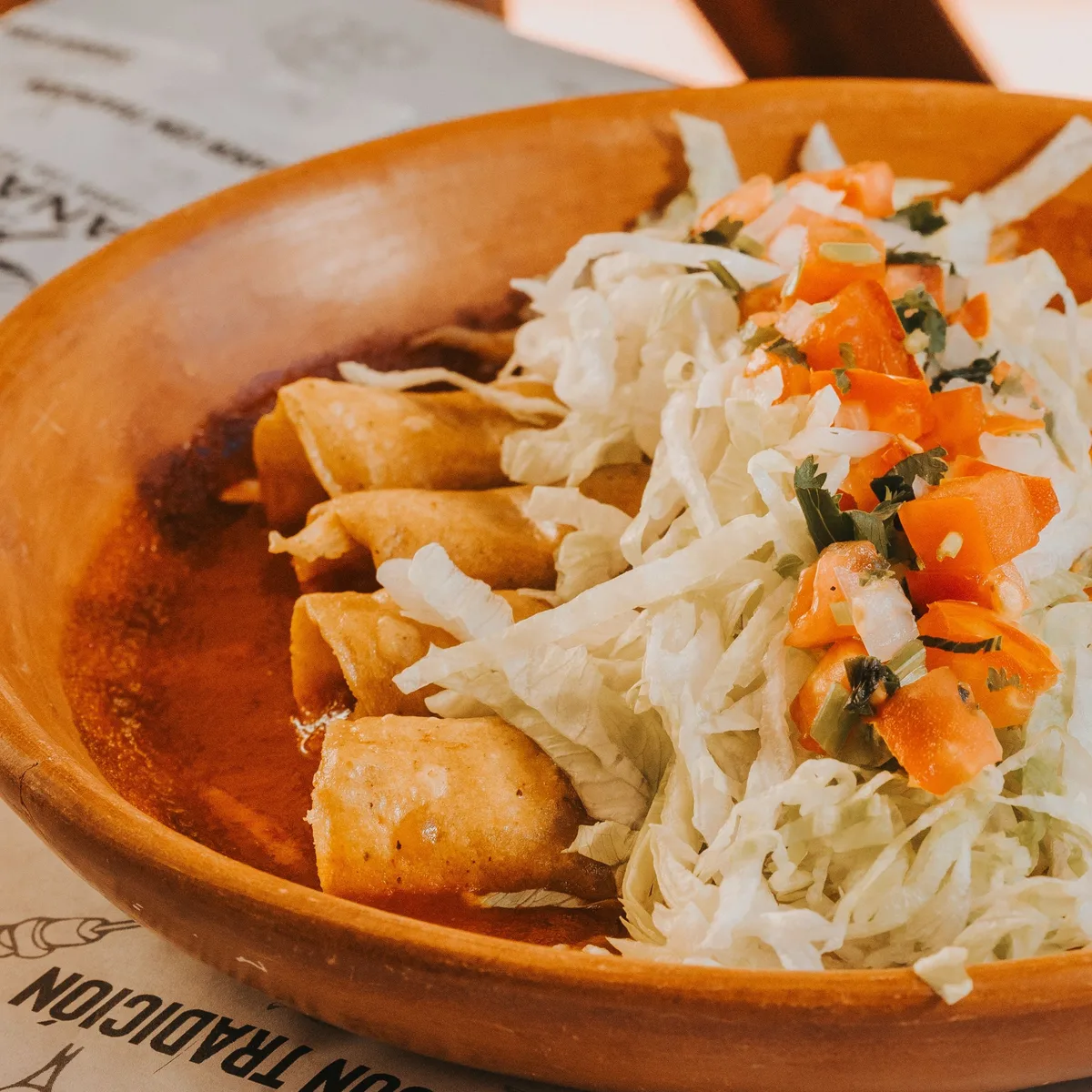
Enchiladas. Sauce-dipped, filled, rolled tortillas, regional in a hundred directions. The home version is a weeknight standard; the dipping step is what restaurants do and home cooks skip.
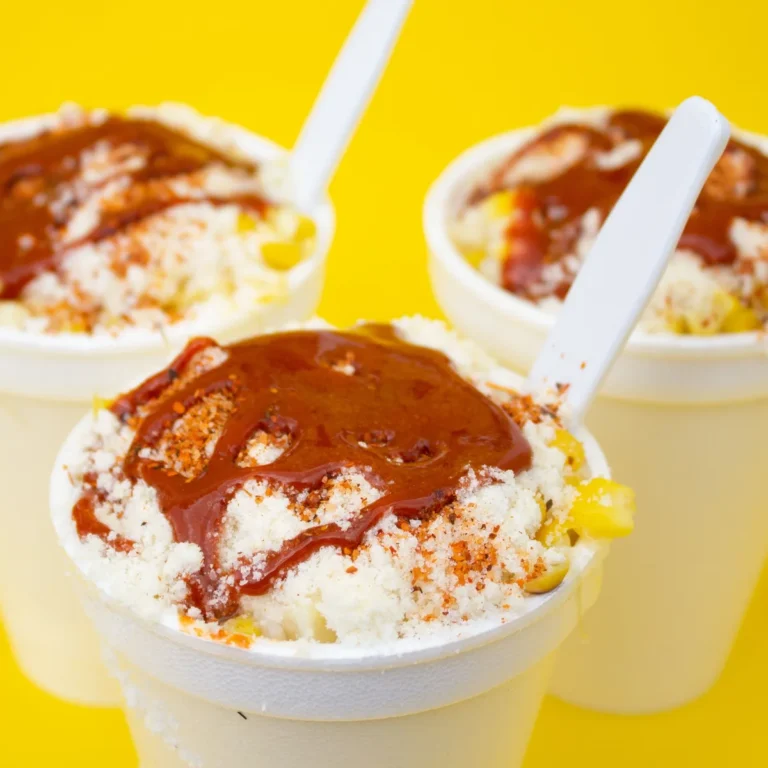
Elote and esquites. Street corn on and off the cob: mayo, cotija, chile, lime. Fame fully earned, fully reproducible at home, char mandatory.
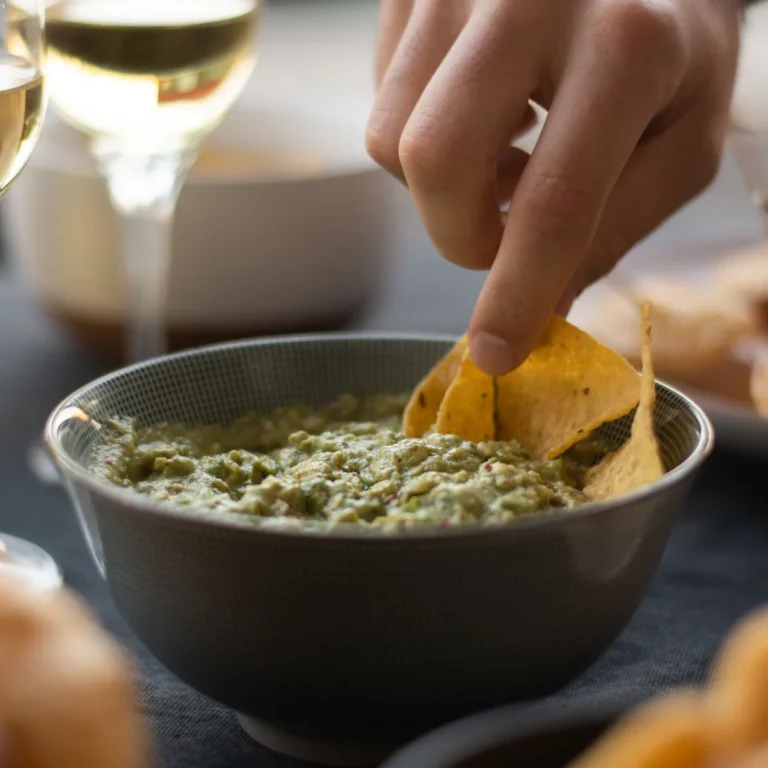
Guacamole. Ancient, Nahuatl-named, and mangled worldwide by everything from peas to packaging. The real thing is avocado, lime, salt, onion, chile, cilantro, coarsely mashed, eaten immediately.
Quesadillas. Yes, famous, and yes, contested: in Mexico City a quesadilla may arrive without cheese, to the standing outrage of the rest of the country. Order accordingly.
The Drinks and Sweets That Travel
Horchata. Rice, cinnamon and sugar over ice, the agua fresca that conquered every taqueria abroad.
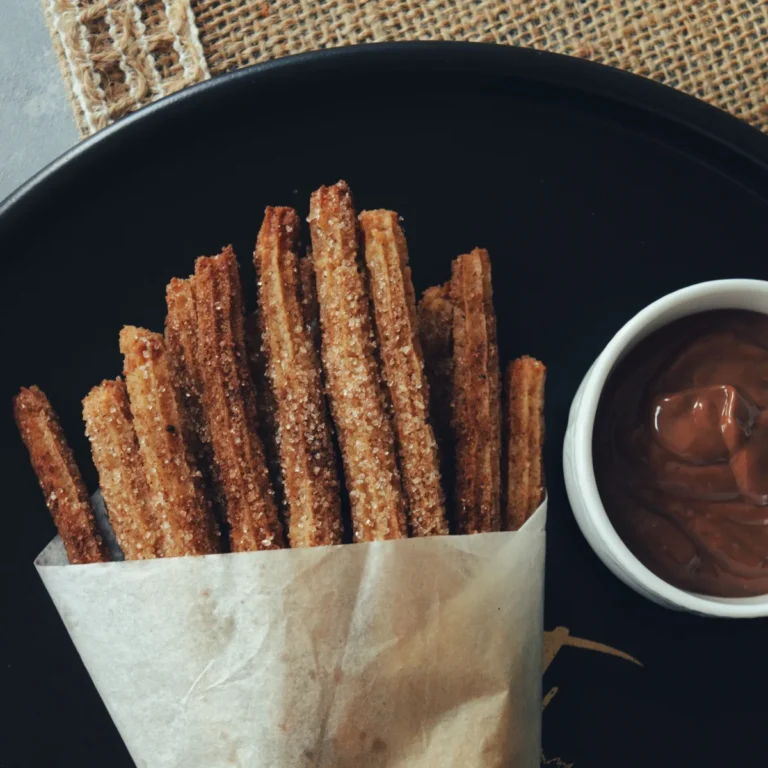
Churros. Spanish by origin, Mexican by adoption and perfection, especially dipped in thick hot chocolate. The frying window is why ours live in mexican dessert recipes with honest timing.
Flan. The caramel custard that outlasted empires. The water bath and the strained custard are the two techniques between you and the restaurant version.
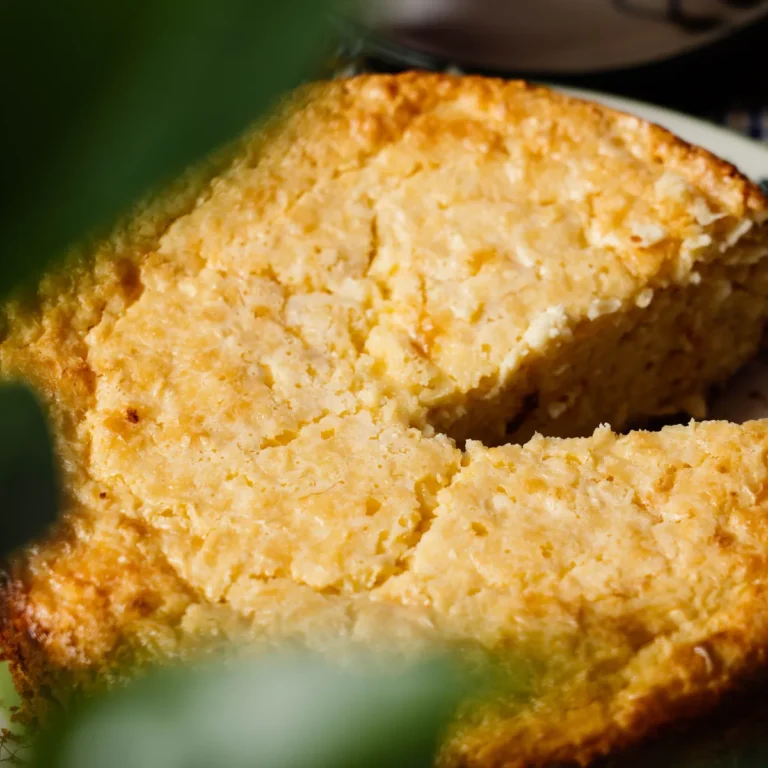
Tres leches. The three-milk cake of every celebration. Its fame is deserved and its home version is nearly foolproof, which is a rare combination.
Cafe de olla. Cinnamon-and-piloncillo coffee from clay pots. Fame quiet but real; the home version takes fifteen minutes and a saucepan.
Cooking the Famous at Home: The Honest Rankings
Start where fame and feasibility overlap: carne asada, carnitas, pozole, chilaquiles, elote, guacamole, tres leches. All seven deliver their reputation from a home kitchen with our methods. The middle tier, birria, cochinita, enchiladas dipped properly, tamales with helpers, rewards a weekend. The final tier, trompo al pastor, true mole from scratch, chiles en nogada in season, is what restaurants and grandmothers are for, and knowing that is part of respecting the cuisine. A cook who nails the first seven eats more famously every week than a tourist eats in a year.
The Regional Map in Five Minutes
Fame makes more sense with a map. The north, cattle country, gave the world carne asada, flour tortillas, machaca and the grilling culture the borderlands inherited. The center, Mexico City and its orbit, is street-food capital: al pastor, quesadillas, tlacoyos, and the chilaquiles-for-breakfast rhythm of a working metropolis. Puebla and Oaxaca are the mole belt, where sauces are lineages and every family defends its ratio. Jalisco brings birria, pozole rojo and, not incidentally, tequila. The Yucatan peninsula runs on achiote, sour orange and pit cooking: cochinita, and the habanero heat the rest of the country treats with respect. And the coasts, Baja to Veracruz, own the seafood canon: fish tacos, aguachile, ceviches and camarones a la diabla.
None of this is trivia for its own sake. Knowing the region tells you what the dish is optimized for: grilling cultures reward your hottest pan, mole cultures reward patience, coastal dishes reward freshness and speed. When a famous dish disappoints at home, the mismatch is usually regional: someone rushed a Puebla dish or overworked a Baja one. Match your effort to the dish’s homeland and the fame starts making sense on your own table.
The One Step That Separates Famous From Home Famous
For most of these dishes the distance between the famous version and a home version is a single step, not ten: the broil that crisps the carnitas edges, the sauce dip that softens enchilada tortillas before they bake, the char that concentrates the sugars in elote, the strain that clears the fat and chile solids out of birria consomé. Each step does one physical thing to the food, and skipping it is what leaves a home version tasting like a copy. This site is organized around those single steps.
FAQ
What is the most famous Mexican dish? Tacos, as a category, with al pastor as the crown jewel. As a single named dish, mole poblano has the strongest claim inside Mexico.
Is Tex-Mex Mexican food? It is its own proud borderlands cuisine with Mexican roots. Chili con carne, fajitas and yellow-cheese nachos are Tex-Mex famous; we label the difference everywhere it appears, per the pillar’s honesty rule.
What famous dishes are easiest for a beginner? Guacamole, elote, carne asada and chilaquiles. All four are technique-light and forgiveness-heavy.
What is the hardest famous dish to make at home? Trompo al pastor for equipment, mole poblano for patience, tamales for labor without a crew. Each has a respectable home approximation on this site, and knowing which compromise you are making, spit versus skillet, scratch versus paste, crew versus small batch, is most of the skill.
Where should I start on this site? The full beginner path starts at easy mexican recipes at home, which sequences the building blocks these famous dishes stand on.
Why do restaurant versions in the US taste different from Mexico? Ingredients and audience. US kitchens substitute available chiles and cheeses, dial heat down for the median table, and portion for the combination-platter format. Neither version is fake; they are different answers to different rooms. Home cooking with dried chiles from a Latin grocery gets closer to the source than most restaurants within reach.
Is birria supposed to be a soup or a taco? Originally a stew, festively a taco, currently both at once. The quesabirria wave is recent, internet-born and delicious, and treating it as the dish’s whole identity is the only actual mistake available.
More recipes to try
Written by Frank Thomson, Skillet & Spoon editorial. Every nutrition figure on this site is calculated ingredient by ingredient from the USDA FoodData Central database, never estimated and never rounded to look better. We do not publish net-carb figures or use non-nutritive sweeteners. How we develop and source recipes is set out in our editorial policy.