Picadillo (Ground Beef, Potato, Warm Spices)
Picadillo is ground beef cooked down with diced potato, tomato and warm spices until it is thick enough to hold in a tortilla. It is weeknight food across Mexico and the wider Latin world, and it is also the filling inside empanadas, chiles rellenos and stuffed peppers. The whole dish turns on one step that is easy to skip for speed: letting the beef brown properly before anything else goes in. The recipe card carries the full method with USDA-calculated numbers, and this page explains that and the regional variations.
Ingredients
Method
- Heat the oil in a wide skillet over medium-high. Add the beef in one layer and leave it alone for 4 to 5 minutes, until the underside is deeply browned.
- Break it up and brown the other side, then push it to one side of the pan.
- Add the onion and carrot to the cleared space and cook 5 minutes, until softened at the edges.
- Stir in the garlic, cumin and oregano and cook 30 seconds, just until they smell toasted.
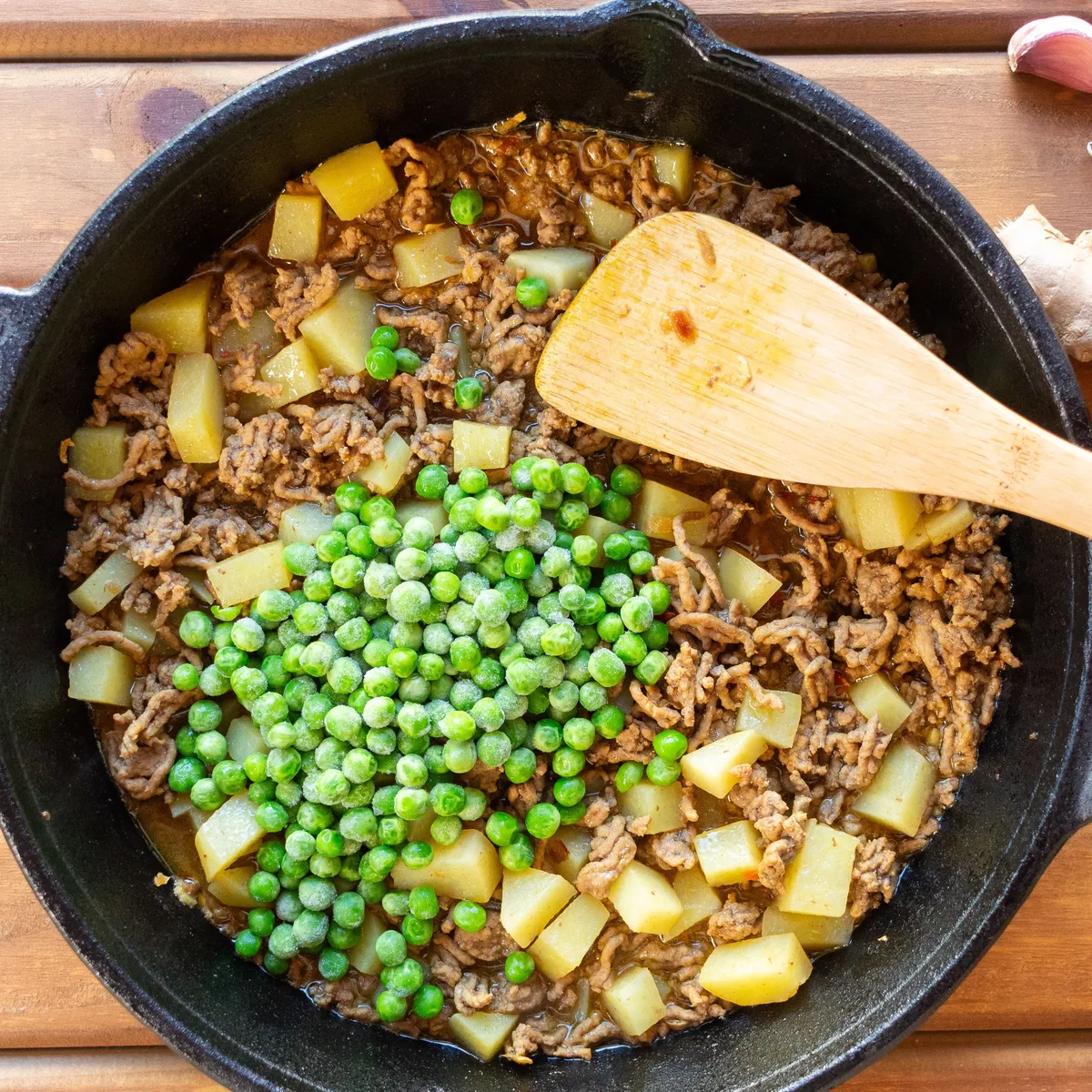
- Add the diced potato, tomatoes, tomato sauce, broth and salt. Stir everything together and bring to a simmer.
- Cover and cook 15 minutes, then uncover and cook 10 minutes more, until the potato is tender and the liquid has reduced to a thick sauce that clings.
- Taste for salt. Serve hot, in tacos, over rice, or as a filling.
What Picadillo Is, and Where the Versions Differ
Picadillo means minced or chopped, and every country with a Spanish colonial history has a version. The Mexican one is built on ground beef with potato and carrot in a tomato base, seasoned with cumin and oregano, and it is more savoury than sweet. The Cuban version adds raisins, green olives and capers, and often cinnamon, for a sweet-salty profile that is a genuinely different dish. Picadillo in the Philippines is sweeter again. This page builds the Mexican version and says so; the Cuban variation is below for anyone who wants it.
Why This Recipe Works
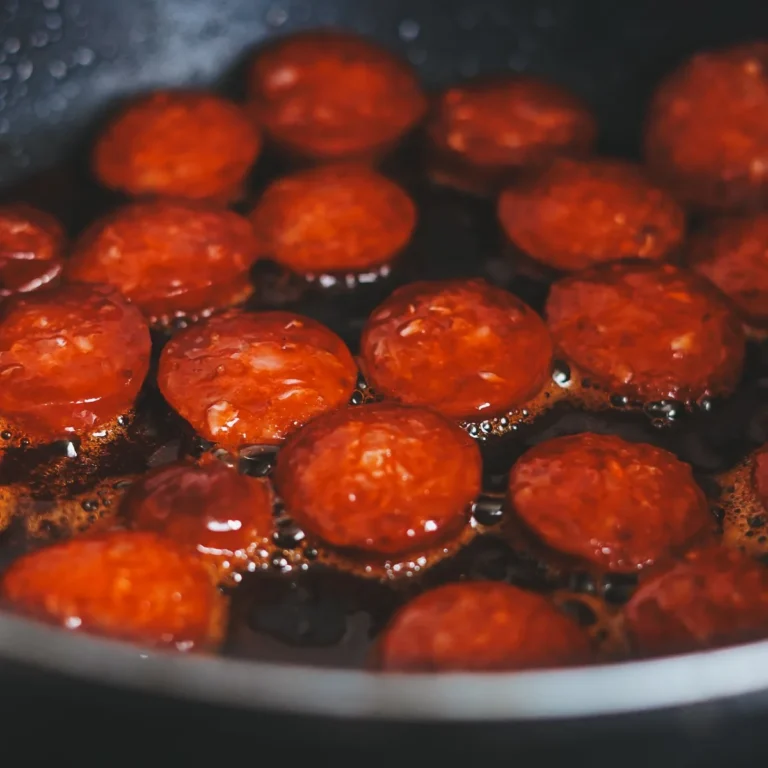
- Browning is a flavour step, not a cooking step. Ground beef dropped into a pan and stirred immediately releases water, and that water boils around the meat so the surface never gets above boiling point. It turns grey and tastes flat. Left undisturbed in a hot pan, the surface dries, passes boiling point and browns, producing hundreds of new flavour compounds that no amount of spice replaces.
- The potato is cut small so it finishes with everything else. Quarter inch dice cooks through in the 15 minutes the sauce needs to reduce. Larger chunks are still hard when the sauce is ready, and cooking on until they soften overreduces everything around them.
- It finishes uncovered for a reason. The lid keeps steam in, which is what cooks the potato evenly. Taking it off for the last ten minutes lets that steam leave so the sauce thickens and clings, which is the difference between a taco filling and a soup.
Ingredient Notes
The beef. An 80/20 or 85/15 grind. Very lean beef browns poorly and goes dry here, because the fat is doing double duty as flavour and as the medium that carries the spices. If the pan looks greasy after browning, spoon some off before the vegetables go in rather than starting with lean meat.
The potato. A waxy or all-purpose potato holds its shape; a floury baking potato disintegrates into the sauce and thickens it into paste. Both are edible, but only one gives you distinct cubes.
The tomato. Fresh roma plus canned tomato sauce. The fresh gives texture and brightness, the sauce gives body and consistency across seasons.
The spices. Cumin and oregano, added to the hot fat for half a minute before the liquid, which blooms them. Spices stirred into a wet pan taste raw and dusty, because their flavour compounds are fat-soluble and need oil and heat to release.
The Method, In Short
Brown the beef hard, soften the onion and carrot, bloom the spices, add potato and tomato, simmer covered then uncovered until thick. Half an hour of mostly unattended cooking.
Judging thickness. Drag a spoon through the pan. When the track it leaves holds for a second or two before filling back in, it will stay inside a taco. If it floods back immediately, keep cooking uncovered.
The Cuban Version, and What Changes
Add half a cup of raisins and a handful of sliced green olives with their brine in the last ten minutes, plus a stick of cinnamon with the tomato, and you have something close to Cuban picadillo. The sweetness of the raisins against the salt of the olives is the whole point of that version, and it is usually served over white rice with fried plantains rather than in tortillas. It is a different dish, not an upgrade, and the card counts the Mexican version only.
What to Make With It
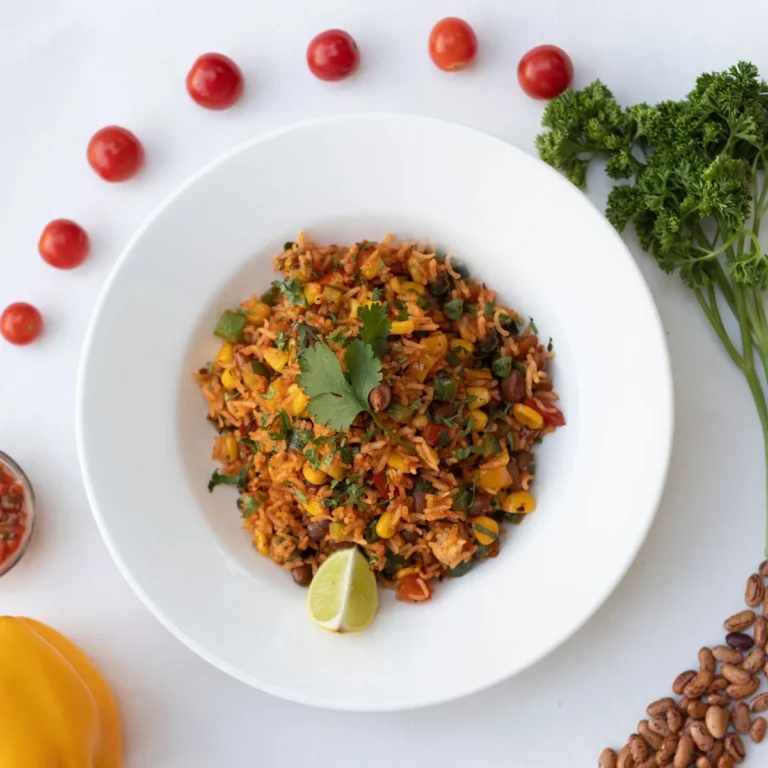
Picadillo is a component as much as a meal. Spoon it into warm corn tortillas with onion and cilantro, pile it over authentic Mexican rice, or use it as the filling for empanadas, stuffed poblanos, or a chimichanga. It also makes a good base for a layered bake; see Mexican casserole recipes. For more in this register, see Mexican ground beef recipes.
Storage and Make Ahead
Picadillo is better the next day, once the potato has absorbed the tomato and the spices have settled. It keeps four days refrigerated and freezes for three months, though the potato softens noticeably after freezing and the texture is closer to a hash on thawing. Reheat in a pan with a splash of broth rather than water, since the sauce will have thickened further in the fridge. If you are making it specifically to freeze, leave the potato out and add it freshly cooked on reheating.
Why It Turns Out Watery or Greasy
Watery picadillo usually means the pan was crowded or never uncovered. Too much meat in too small a skillet releases more liquid than the surface area can evaporate, so it stews instead of browning and then never catches up. Greasy picadillo is the opposite problem and easier to fix: a fatty grind renders more than the sauce can carry, and it pools on top. Spoon the excess off after browning, before the vegetables go in, because once the tomato is added the fat emulsifies into the sauce and will not separate out cleanly. The pan tells you which one you have: a thin watery layer at the edge is liquid, an orange slick on top is fat.
FAQ
What is picadillo? Ground beef simmered with tomato, aromatics and usually potato, into a thick mixture used as a filling or served over rice. Versions exist across Latin America and the Philippines.
What is the difference between Mexican and Cuban picadillo? The Mexican version is savoury, with potato and carrot in a tomato base. The Cuban version adds raisins, green olives and often cinnamon for a sweet-salty profile, and it is usually served over rice.
What do you eat picadillo with? Tacos, rice, or as a filling for empanadas, chiles rellenos and stuffed peppers. It also works as a layer in a casserole.
Can I use ground turkey or chicken? Yes, though they are leaner and brown less readily. Use a little more oil, let the meat sit undisturbed longer to get colour, and expect a lighter flavour.
Why is my picadillo watery? The pan was crowded, so the beef steamed rather than browned, or it never finished uncovered. Use a wide skillet and give it ten minutes with the lid off at the end.
Can I freeze picadillo? Yes, for three months, though the potato softens. If you are cooking specifically for the freezer, leave the potato out and add it when you reheat.
Where to Go Next
Use it to fill empanadas, serve it over authentic Mexican rice, or find more of this cut at Mexican ground beef recipes. The whole library starts at easy Mexican recipes at home.
Written by Frank Thomson, Skillet & Spoon editorial. Every nutrition figure on this site is calculated ingredient by ingredient from the USDA FoodData Central database, never estimated and never rounded to look better. We do not publish net-carb figures or use non-nutritive sweeteners. How we develop and source recipes is set out in our editorial policy.