20 Bariatric Diet Recipes, Grouped by Texture
This is cooking content, not medical advice. Eating stages, portions and timelines after bariatric surgery are set by your surgical team, and their guidance always comes first. The professional body’s patient resources live at asmbs.org, and our medical disclaimer explains how this section is written.
Bariatric diet recipes, as a search, usually returns two things: medical instructions from sites with no authority to give them, and dry chicken. This page is the section’s working answer to both. Twenty recipes grouped by texture, smooth, soft and regular, each entry carrying a concrete technique note, because texture is a cooking category we can own while the schedule for your own eating belongs entirely to your surgical program. One sentence before the food, stated once and meant everywhere: a texture label describes the food, it does not clear it for you. That call is your team’s.
This is the core collection of our bariatric recipes section; the deeper technique file for each texture lives in its own page as the silo grows.
On this page
Smooth: Blended and Pureed
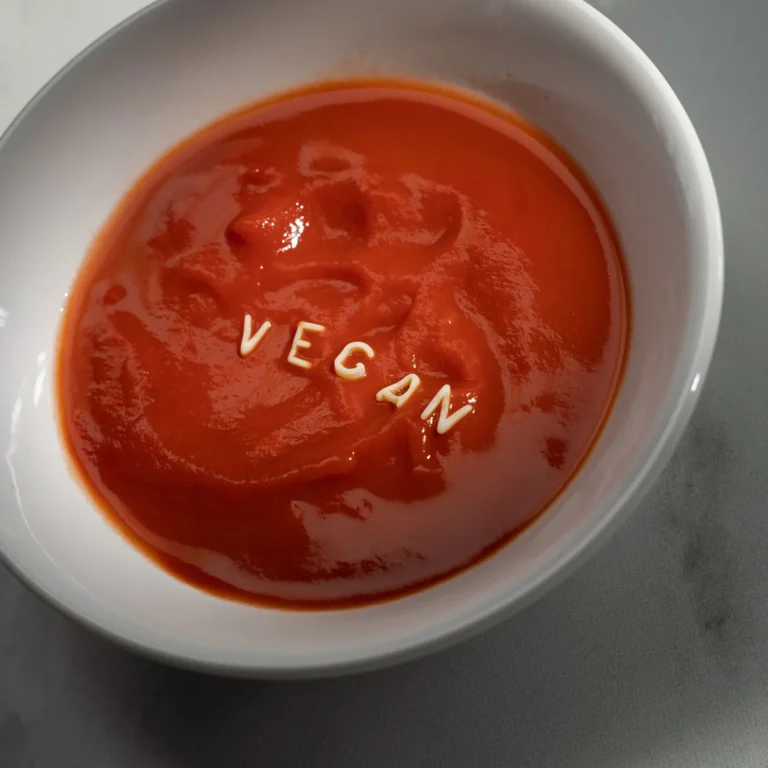
Blended chicken and vegetable soup. Poached thigh meat blended into its own strained broth with soft-cooked carrot and onion. Blend a full ninety seconds past when it looks done; the difference between smooth and silky is that minute and a half.
Creamy cauliflower puree. Florets simmered soft in broth, blended with Greek yogurt stirred in off the heat. Yogurt boiled in the jar splits; yogurt folded into warm puree stays creamy.
Red lentil puree. Our diabetic red lentil soup blended fully smooth and passed through a fine mesh strainer. The strainer is thirty extra seconds and it catches every fiber the blades missed.
Ricotta bake, smooth build. Ricotta blended with egg and a little parmesan, baked in ramekins in a water bath until just set. The water bath is not fussiness; direct heat curdles the edges before the center sets.
Silky butternut soup. Roasted squash blended with broth and a spoon of tahini for body. Season after blending, always: blending mutes salt and acid, and a puree seasoned ahead pours out flat.
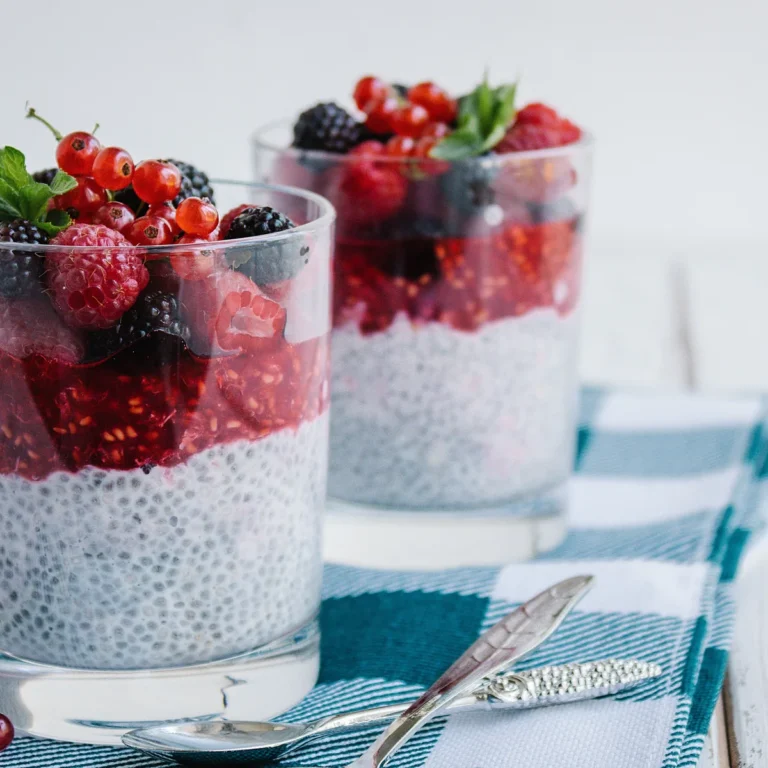
Greek yogurt fruit whip. Yogurt blended with a measured half cup of berries until completely smooth. Two ingredients, honest sweetness, and the sieve step matters if seeds bother you.
Soft: Tender by Design
Soft scrambled eggs. Low heat, constant gentle folding, off the stove while they still look slightly underdone; carryover finishes them. High-heat scrambles turn to rubber sheets, and this is the single most repeated breakfast in this silo.
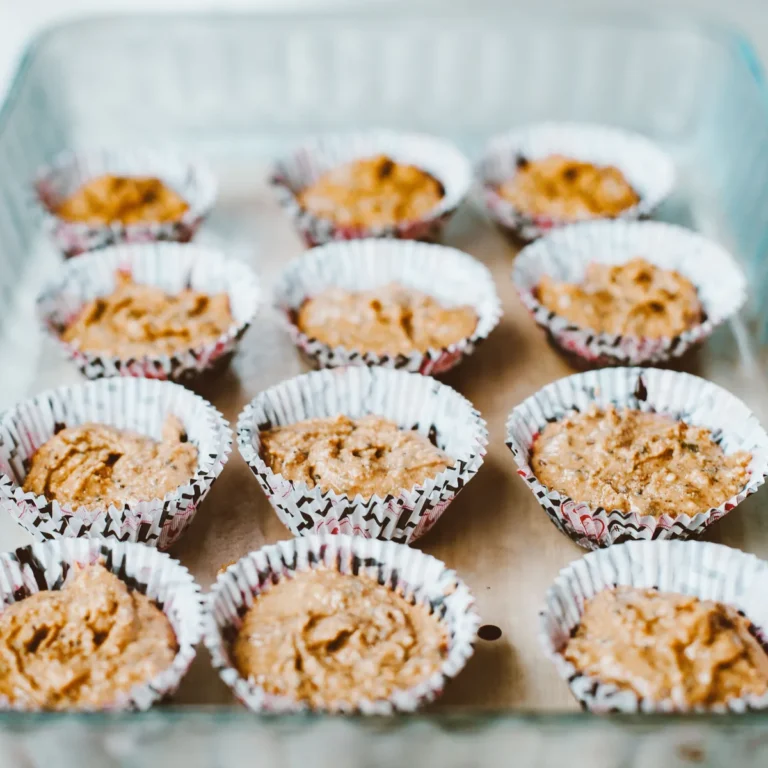
Egg bites, cottage cheese set. The blended cottage cheese method from our diabetic crustless vegetable quiche, baked in a muffin tin. Thirty seconds of blending is what makes them custard instead of curds.
Salsa chicken, shredded. The four-hours-on-low method from diabetic salsa chicken, shredded into its own liquid so moisture is built in, not hoped for. The most schedule-proof soft protein we publish.
Baked white fish with lemon. Cod or tilapia at 400F until it just flakes, about twelve minutes. Fish is the fastest soft protein in the kitchen and the most punished by an extra two minutes; watch the flake, not the clock.
Tuna salad, soft build. Tuna with Greek yogurt standing in for most of the mayonnaise, mashed fine, celery minced small instead of chopped. Texture is decided at the knife, not the bowl.
Cottage cheese with soft pears. Ripe pear, a dusting of cinnamon, cottage cheese. Assembly, not cooking, and honest about it; some meals just need to be possible.
Slow-simmered picadillo-style ground turkey. Ground turkey simmered gently in tomato with soft zucchini, cooked past browned into genuinely tender. A lid and low heat turn ground meat soft in a way a hard sear never allows.
Regular Texture, Small-Scale Habits
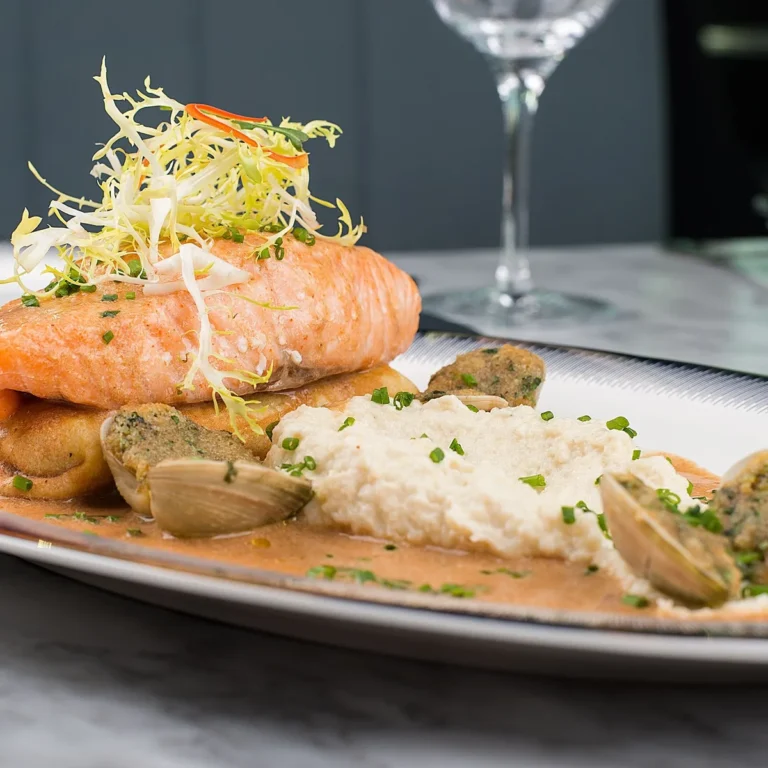
Sheet pan salmon and green beans. The stagger method from our diabetic baked salmon green beans page: vegetables first, fish added late, pulled while the center still looks slightly translucent. Moisture rules matter more at small portions, not less.
Skillet chicken thighs with charred cabbage. Thighs to 175F where the connective tissue lets go, cabbage charred hard beside them. Thighs forgive; breasts punish.
Turkey and vegetable meatballs. Grated zucchini squeezed dry and worked into the mix keeps them tender at 165F. Muffin-tin logic applies: small units, every one with surface.
Lemon poached chicken. Breast poached at a lazy shimmer, never a boil, pulled at 160F and rested. Poaching is this silo’s default breast method because it cannot brown-and-dry what it never sears.
White bean and tomato stew. Counted beans simmered with tomato, garlic and oregano until creamy. Beans are the cheapest tender protein in the pantry and this stew freezes in single portions without complaint.
Zucchini lasagna, small pan. The salt-and-drain build from diabetic zucchini lasagna halved into a loaf pan. The thirty minute salting step survives the scale-down untouched.
Baked ricotta chicken. Thin chicken cutlets under a ricotta and parmesan layer, baked covered so the top stays soft rather than crusted. Covered is the point; this is the anti-gratin.
The Rules That Repeat
Three habits carry this whole page. Moisture is engineered, not accidental: poach, braise, shred into liquid, water-bath, rest. Flavor is built at small volume: acid off the heat, spices bloomed in fat for thirty seconds, browning wherever texture allows. And storage is part of the recipe: purees into ice cube trays, egg bites in their tin portions, shredded meats flat in their liquid, because food that reheats gently is food that actually gets eaten on Thursday.
Moving a Recipe Between Textures
The three groups above are not walls, and knowing how food moves between them multiplies the page. Downward conversions, regular toward smooth, are the reliable direction: the chicken soup blends, the lentil stew blends, the braised beans blend, and the rule of thumb is that anything built on broth, braise or soft vegetables converts with ninety seconds of blade time and a strainer. Soft-to-smooth is even shorter: the ricotta bake, the egg bites and the tuna salad all blend to genuinely smooth with a splash of added liquid. What never converts is the other direction, and it is worth saying plainly: no technique un-blends a puree, and dishes that depend on crust, char or distinct pieces, the sheet pan salmon, the charred cabbage, lose their point in the jar rather than gaining a new one. So when you batch cook, cook at the most textured version your kitchen is working with and convert portions downward as needed; the freezer holds both forms equally well, and one pot becomes two categories with one extra minute of blending. That single habit is why the soups and braises dominate this page’s meal prep advice: they are the recipes that can follow you across texture categories instead of being replaced at each one.
The Full Recipes, With Cards
Every build named on this page has a complete recipe with its own USDA-calculated card, protein stated per serving: bariatric egg bites, bariatric blended chicken soup, bariatric poached cod in tomato sauce, bariatric turkey meatballs, bariatric ricotta custard cups, bariatric whipped cottage cheese and bariatric braised tofu with edamame, which is the plant entry and carries the best protein-to-carbohydrate ratio in the collection. The three powder builds, bariatric protein shake, bariatric protein pudding and bariatric protein baked oats, publish full method cards with no nutrition numbers, for the reason stated above.
How the Numbers Work
Every recipe here that carries a card carries nutrition calculated ingredient by ingredient from USDA FoodData Central, protein stated per serving, source entries archived, per our editorial policy. What the numbers never come with is a target or a portion instruction; those are your program’s to set, and the cards exist so that conversation runs on honest inputs.
FAQ
Which texture should I be eating right now? The one your surgical team says, and nothing on this page changes that. We label textures so you can find food once you know; the knowing comes from your program and the resources at asmbs.org.
When do people move between textures? This page deliberately does not say, because programs differ and the schedule is your team’s to set. Any site that hands you a timeline is doing your surgeon’s job without your chart.
What makes these bariatric diet recipes rather than just recipes? Design priorities: protein leads, moisture is engineered, textures are labeled honestly, flavor is built for small volumes, and portions store without dying in the fridge. It is food anyone can eat, built around post-surgical kitchen problems.
Where are the protein shake recipes? Powder-based builds are a deliberate minority here and publish without nutrition numbers, because powders vary by brand; the policy is stated in full on the bariatric recipes pillar. The whole-food recipes above are the backbone.
What should I cook first from this page? The salsa chicken if you want a week of soft protein banked from five minutes of work, or the soft scrambled eggs if you want tonight solved in ten.
Where to Go Next
The section starts at the bariatric recipes pillar. The smooth-texture technique file deepens at bariatric puree recipes, and the soft category at bariatric soft food recipes, both arriving in this batch of pages.