
18 Bariatric Friendly Recipes the Whole Table Can Eat
This is cooking content, not medical advice. Eating stages, portions and timelines after bariatric surgery belong to your surgical team, whose guidance always comes first. Patient resources from the professional body live at asmbs.org, and our medical disclaimer explains how this section is written.
Bariatric friendly recipes solve a problem the recipe internet mostly ignores: one person at the table is eating differently and nobody wants to cook two dinners. Every recipe on this page was chosen because it feeds a whole household as ordinary food while genuinely working for the person cooking around surgery, protein leading, moisture engineered in, texture gentle where gentleness costs the dish nothing. Nothing here is diet food with an apology attached; it is dinner that happens to be built carefully.
The texture-first version of this collection lives at our bariatric diet recipes page, and the whole section starts at the bariatric recipes pillar. This page’s organizing idea is the shared table.
On this page
The One-Dinner Principle
Cooking two meals a night is the household arrangement that collapses first. The recipes below survive because they split at the plate, not at the stove. The main protein is tender enough for the smallest portion at the table and satisfying enough for the largest. Sides scale per person: the roasted potatoes land beside some plates and not others, and nobody’s dinner looks like a concession. Where a dish has a fork in the road, this page names it in one line, because a recipe that needs a paragraph of adaptation is two recipes pretending.
Mains That Split at the Plate
Salsa chicken night. The diabetic salsa chicken pot feeds everyone three ways at once: tacos for the table, a small bowl over soft avocado for the smallest portion, lettuce cups between. One cooker, zero negotiation, and the four-hour timer rule still decides everything.
Baked salmon with green beans. The stagger method from diabetic baked salmon green beans: fish pulled while the center is still barely translucent stays moist enough for every eater at the table. Salmon is the rare protein that is naturally soft when cooked right and naturally ruined when not.
Turkey meatballs in tomato sauce. Grated, squeezed zucchini in the mix holds them tender at a safe 165F. The table eats them over pasta, counted plainly; the smallest plate takes two meatballs and sauce. Simmered ten extra minutes in the sauce, they soften a full grade further.
Slow cooker pork shoulder with cabbage. Shoulder cooked low until it shreds into its own juices. Shredded-into-liquid is this section’s signature move because the moisture is structural; the table builds sandwiches, the small plate takes the meat as it is.
Mustard yogurt chicken thighs. Thighs braised gentle in a Dijon and Greek yogurt sauce, off the boil before the yogurt lands or it splits into curds. Thighs at 175F stay silky at any portion size.
White fish in tomato and pepper sauce. Cod simmered directly in a soft-cooked pepper sauce for its final eight minutes. Fish poached in sauce cannot dry the way baked fish can, which makes this the most forgiving fish dinner we publish.
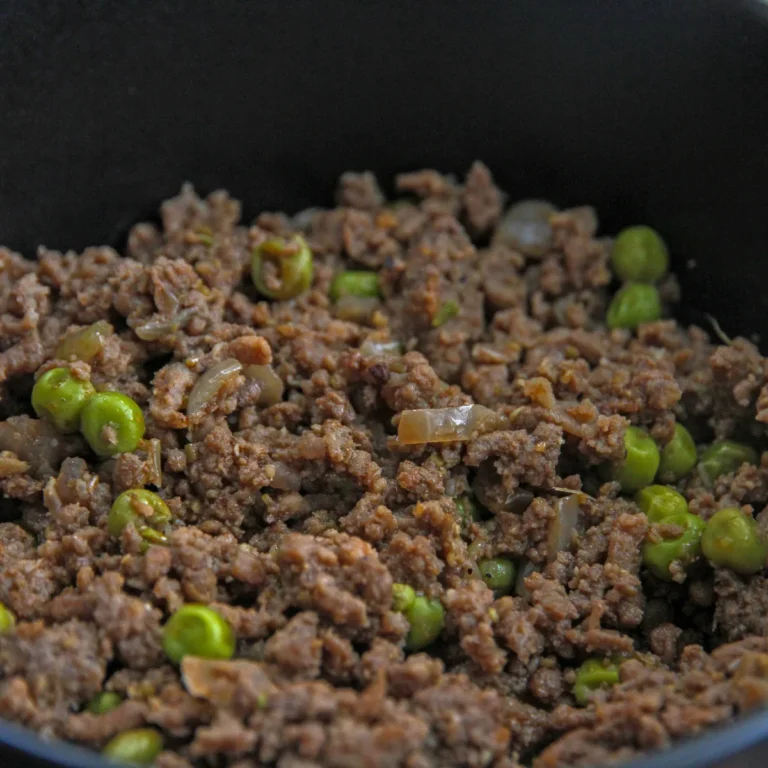
Picadillo-style ground turkey. Gently simmered with tomato, olives and soft zucchini, labeled honestly as our adaptation of the Latin American classic. A lid and patience turn ground meat genuinely tender; the table takes it over rice, counted, the small plate as-is.
Sides That Do Double Work
Mashed cauliflower with Greek yogurt. Blended smooth, it serves the softest plate at the table and holds its own beside a steak. The yogurt goes in off the heat, always.
Charred cabbage wedges. Cut thick, seared hard, finished tender inside. The char is flavor the softest eater and the heartiest both get to keep.
Slow braised green beans. The opposite of squeaky: beans cooked long with tomato and garlic until fully yielding. Old-fashioned on purpose; tenderness is the feature.
Roasted sweet potato, split after roasting. The flesh is naturally soft; the table eats skins and all. One pan, two textures, no second recipe.
Breakfast and the Small-Format Bench
Egg bites, cottage cheese set. The blended cottage cheese method from our diabetic crustless vegetable quiche in muffin tin form: naturally portioned, naturally soft, and the household steals them, which is the point of this page.
Soft scrambled eggs for two speeds. Low, slow, folded, off early. The same pan serves toast-eaters and the gentlest plate at the table without a single adjustment.
Greek yogurt bowls, built to order. Yogurt as the base, the toppings bar deciding each bowl: measured berries and a spoon of nut butter for one, granola counted plainly for another. Assembly is the most underrated shared-table strategy there is.
Blended vegetable soup with a garnish bar. One pot blended silky, then each bowl finishes itself: a yogurt swirl here, croutons counted there, chili oil for whoever wants it. The garnish bar is how one soup feeds four preferences.
The Rules That Make a Recipe Friendly
Four tests decided this page, and they are worth carrying to any recipe you audition. Protein leads, because it leads every plate in this section. Moisture is engineered, poached, braised, shredded into liquid, sauced, never left to luck. Texture gentleness costs the dish nothing: nobody at the table experiences the tender version as the lesser version. And it divides at the plate, so one stove produces every portion. A recipe that fails the last test is not wrong, it is just not shared-table food, and this page is about the shared table.
The Condiment Shelf That Serves Every Plate
Shared-table cooking runs on a small bench of sauces that dress every portion size without renegotiation, and building it is an hour of Sunday work that pays all week. Yogurt sauce is the anchor: Greek yogurt, lemon, garlic and dill, made in two minutes, equally at home on the poached chicken, the meatballs and the salmon, and gentle enough for the softest plate at the table. A quick chimichurri, parsley, oregano, vinegar and oil, wakes up the pork shoulder and the thighs for the eaters who want volume of flavor. Warmed tomato sauce from the meatball pot doubles as the fish sauce two nights later. And a small jar of lemon vinaigrette turns any of the proteins into tomorrow’s lunch salad for whoever wants theirs cold. Every one of these is counted by the spoon on the cards where it appears, per house arithmetic, and none of them carries a texture problem: sauces are the rare food that serves every category at once. The deeper point is social rather than culinary. When the difference between plates at one table is a spoonful of sauce and a side dish, nobody’s dinner reads as the medical one, and that, more than any recipe, is what keeps a shared table shared.
How the Numbers Work
Recipe cards in this section carry nutrition calculated ingredient by ingredient from USDA FoodData Central, protein stated per serving, sources archived, per our editorial policy. Where the table’s version adds a base, pasta, rice, a sandwich roll, it is counted plainly at the plate, the same arithmetic honesty this site applies everywhere. What the cards never carry is a portion instruction; sizes and stages are your program’s territory, and the resources at asmbs.org cover the clinical side properly.
FAQ
Are these recipes only for people who have had surgery? No, and that is the organizing idea: they are ordinary dinners built carefully enough that a post-surgical eater and everyone else share them. Nothing requires a medical history to taste good.
How do I adjust these for my stage? This page does not know your stage and will not guess. The texture of each dish is described honestly; whether it fits your current guidance is a question for your surgical team, every time.
What about portion sizes? Set by your program, not by us. The recipes state yields and per-serving numbers so the arithmetic is honest; how much lands on your plate is between you and your team.
Can I meal prep these? The salsa chicken, pork shoulder, meatballs, braised beans and soup all hold four days refrigerated and freeze in single portions. The egg bites are the breakfast bank. Freeze flat, label everything, thaw gently.
What is the best first recipe from this page? The turkey meatballs: one batch feeds the table tonight, softens further as leftovers, and freezes in exact portions for the week after.
Where to Go Next
The full texture-grouped collection is at bariatric diet recipes, the section’s rules and roadmap live at the bariatric recipes pillar, and the smooth-texture technique file arrives alongside this page.