Hispanic Dishes: 20 Classics and Where Each One Is From
Hispanic dishes get flattened into one menu in the American imagination, and the first service this page can do is un-flatten them. “Hispanic” spans twenty countries, three continents’ worth of climates, and food traditions as distinct from each other as French is from Polish. Tacos are Mexican, not Hispanic-generic; arepas are Venezuelan and Colombian; mofongo is Puerto Rican; ceviche is Peru’s national treasure with coastal cousins everywhere.
This site cooks Mexican food, and says so; this page exists because the search happens and deserves an honest answer. Each dish below is named with its home, described plainly, and linked to our method when it is one we actually cook.
The Mexican Contingent
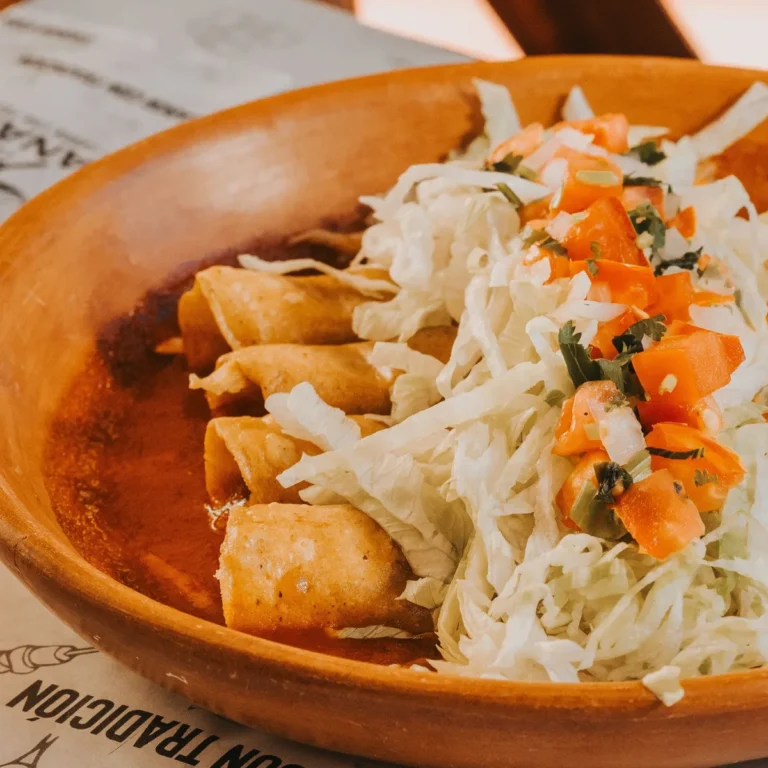
Since Mexico is our beat, its ambassadors get first mention with links to real methods. Tacos in their infinite forms, from al pastor to carne asada, are covered across easy mexican recipes at home. Pozole, the hominy celebration soup, and birria, Jalisco’s chile braise, hold down the pot tradition per mexican soup recipes and mexican beef recipes. Tamales, masa’s festival form, and mole poblano, the great sauce lineage, complete the delegation, with their context in mexico traditional food.
What marks Mexican cooking within the Hispanic family: corn nixtamalized into masa, an unrivaled dried-chile vocabulary, and the salsa-at-the-table heat philosophy.
The Caribbean Table
Ropa vieja, Cuba. Shredded beef in tomato and peppers, the “old clothes” whose name describes the shreds. Cuba’s national dish and a cousin technique to Mexican shredded beef; a Cuban would rightly note the sofrito base and absence of chiles as the signature difference.
Mofongo, Puerto Rico. Fried green plantains mashed with garlic and chicharron, served with broth or piled with meat. There is no Mexican equivalent; plantains rule where masa does not.
Pernil, Puerto Rico. Garlic-and-oregano slow-roasted pork shoulder, the holiday centerpiece. Carnitas’ Caribbean cousin, seasoned with adobo and sazon rather than orange and bay.
Arroz con gandules, Puerto Rico. Rice with pigeon peas and sofrito, the plate’s constant companion.
Sancocho, Dominican Republic and beyond. The great root-vegetable and meat stew, a whole family gathering in one pot. Every island and several mainlands claim a version.
Central and South America
Pupusas, El Salvador. Thick griddled masa rounds stuffed with cheese, beans or chicharron, served with curtido slaw. Masa cooking’s Salvadoran masterpiece, kin to the gordita but its own proud thing.
Gallo pinto, Nicaragua and Costa Rica. Rice and beans fried together into breakfast, each country certain the other copied it.
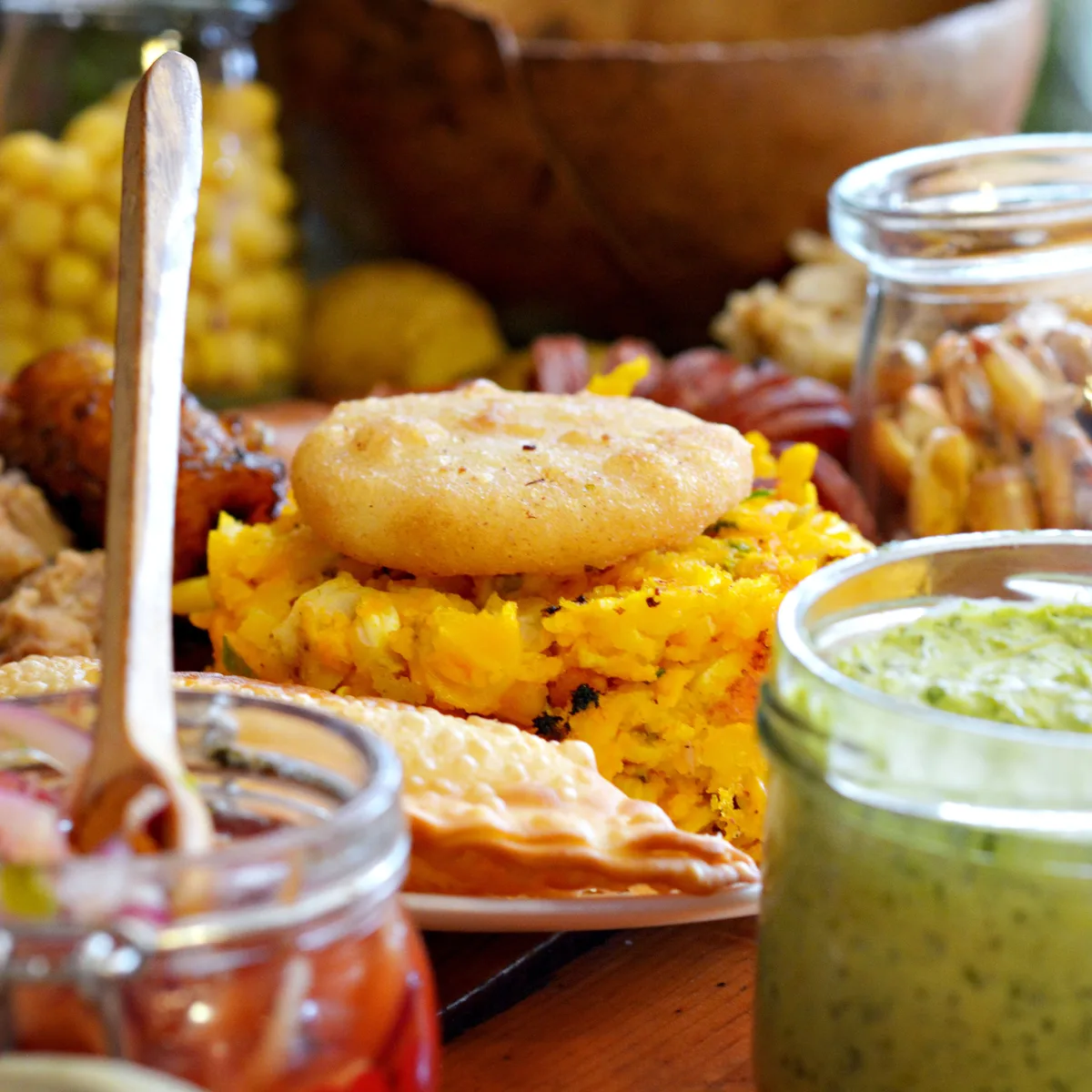
Arepas, Venezuela and Colombia. Corn cakes split and stuffed, made from precooked corn flour rather than nixtamal masa, which is exactly the kind of distinction this page exists to make.
Ceviche, Peru. Raw fish cured in lime with onion and aji chiles, eaten within minutes of dressing. Mexican coastal aguachile is a relative; Peru’s version, with sweet potato and corn beside it, is the standard-setter.
Lomo saltado, Peru. Beef stir-fried with soy, tomato and fries, the Chinese-Peruvian fusion classic that explains how deep Peru’s immigrant food story runs.
Empanadas, Argentina and everywhere. The folded pastry with a hundred regional fillings; Argentina’s baked beef-and-olive version is the export standard. Mexican empanadas exist and differ, sweet as often as savory.
Feijoada’s cousin note. Brazil speaks Portuguese, making it Latin American but not Hispanic, a distinction worth one sentence precisely because menus blur it constantly.
The Techniques That Travel
Beneath the distinct dishes, four techniques recur across the family, and learning them anywhere pays everywhere. Sofrito: the slow-cooked aromatic base, tomato-pepper-onion-garlic in the Caribbean, that fills the role Mexican cooking gives to charred salsa and chile pastes. Slow pork: pernil, carnitas, cochinita and lechon are one idea, cheap shoulder plus time, wearing four flags. Rice cooked in flavor: arroz con gandules, gallo pinto and Mexican red rice all refuse plain water, and the toasting-and-broth logic transfers between them intact. And the fresh-acid finish: curtido, pickled onions, lime at the table and leche de tigre are all the same insight, that rich slow food wants something sharp and raw beside it.
A cook fluent in these four moves can walk into any tradition on this page and be halfway competent before reading a single recipe, which is as good a definition of a food family as any menu category ever offered.
What “Hispanic Food” Gets Wrong and Right
The flattening has a history: US menus marketed a simplified Mexican-ish template for decades, then filed every other tradition under it. The cost is real, restaurants cooking Salvadoran food labeled as tacos to survive, arepas explained as “corn pupusas” to customers who learned the wrong word first. The gain, honestly acknowledged, is a shared pantry: rice, beans, corn, plantains, sofrito logic, citrus and slow-cooked pork appear across the whole family, which is why the cuisines feel related even where they never touched. Respecting the family means learning surnames: order pupusas as pupusas, expect ceviche in Lima to humble the version at home, and never tell a Cuban their ropa vieja is “basically tinga”. It is not, and the difference is delicious.
A Shared-Pantry Cooking Tour for One Week
The overlap between these traditions makes a genuinely fun week of cooking possible from one grocery run, and it teaches the differences faster than any reading. Monday, Mexican: salsa chicken tacos with charred salsa, corn tortillas doing masa’s work. Tuesday, Nicaraguan-Costa Rican: gallo pinto with eggs, the same rice and beans as Monday’s sides transformed by frying them together in sofrito logic. Wednesday, Salvadoran: pupusas from masa harina, the same bag as tortilla night, stuffed with beans and cheese, with quick curtido slaw. Thursday, Puerto Rican: pernil-style pork shoulder started the night before, garlic and oregano where Mexico would reach for chiles, with arroz con gandules. Friday, Peruvian-inspired: a careful ceviche if the fish counter cooperates, or lomo saltado if it does not.
Five dinners, one pantry, five distinct seasoning philosophies, and by Friday the difference between adobo-the-Mexican-chile-paste and adobo-the-Caribbean-garlic-rub is something your hands know rather than something a menu glossary told you. That distinction, multiplied across the family, is the entire education this page hopes to start.
Where the Heat Assumption Falls Apart
The most common thing outsiders get wrong about this family of food is assuming it is all spicy like Mexican food. It is not. Caribbean and much South American cooking runs on garlic, herbs and sour orange with almost no chile heat, so a hot-sauce-expectant diner misses the point entirely. Chile-forward heat is largely a Mexican signature, with Peru’s aji chiles the notable second tradition. The traditions share a table, not a seasoning philosophy, and the fastest way to honor each is to taste it as itself.
FAQ
What is the difference between Hispanic and Latino food? Hispanic refers to Spanish-speaking heritage; Latino to Latin American geography, including Portuguese-speaking Brazil. Most dishes here are both; feijoada is Latino but not Hispanic. Menus mix the terms freely; people from these cultures often do not.
Which Hispanic dishes are easiest to cook at home? The most forgiving are anything Mexican on this site, plus gallo pinto and pernil, which ask for patience more than technique. Pupusas take practice to shape but use a masa bag you may already own. Ceviche needs pristine fish more than skill, which makes the fish counter, not the cook, the deciding variable.
Are all Hispanic dishes spicy? No, and mostly no. Chile-forward heat is largely Mexican, with Peru’s aji chiles a notable second tradition; the Caribbean and most of South America season with garlic, herbs, citrus and sofrito instead, per the section above, and arrive at depth without fire.
Why does this Mexican site cover other traditions at all? Because the search deserves an honest map instead of a flattened one, and because knowing where Mexican food’s borders are makes cooking it more respectful, not less. Our actual recipes stay Mexican, starting at easy mexican recipes at home.
What should I cook first from each region? Mexico: salsa chicken from the pillar. Caribbean: pernil on a Sunday. Central America: pupusas with curtido. South America: a careful ceviche with the best fish available. Four dinners, four distinct traditions, one respectful tour.
More recipes to try
Written by Frank Thomson, Skillet & Spoon editorial. Every nutrition figure on this site is calculated ingredient by ingredient from the USDA FoodData Central database, never estimated and never rounded to look better. We do not publish net-carb figures or use non-nutritive sweeteners. How we develop and source recipes is set out in our editorial policy.