Bariatric Recipes: Cooking by Texture, Protein First
Bariatric recipes, as most of the internet publishes them, come bundled with medical instructions the publisher has no business giving: which week to eat what, how many ounces, when to progress. This section refuses that job on purpose. Your surgical team owns the schedule, the portions and the green lights, because programs differ and they differ for good reasons. What a recipe site can honestly own is the cooking, and after surgery the cooking genuinely changes: food needs to be high in protein, smooth or soft when your program calls for that, deeply flavorful at small volumes, and worth making when you are making it for one. Those are kitchen problems. This page is the map of how we solve them.
How to Use This Section
Every recipe in this silo is labeled two ways: by texture and by lead protein. The texture label describes the food, smooth, soft or regular, and describes it honestly, so that when your team tells you what texture you are cooking for, you can find food that matches. What we never do is attach a week number or a stage clearance to a recipe, because that decision was never ours to make. If a page in this section ever seems to be telling you when to eat something rather than how to cook it, that is a failure of our rules; the schedule belongs to your program and to the resources at asmbs.org.
The protein label exists because protein leads nearly every plate in this section, and finding food by its anchor ingredient is how real cooking decisions get made: what is in the fridge, what sounds tolerable today, what the week’s prep can carry.
The Three Textures, as Cooking Problems
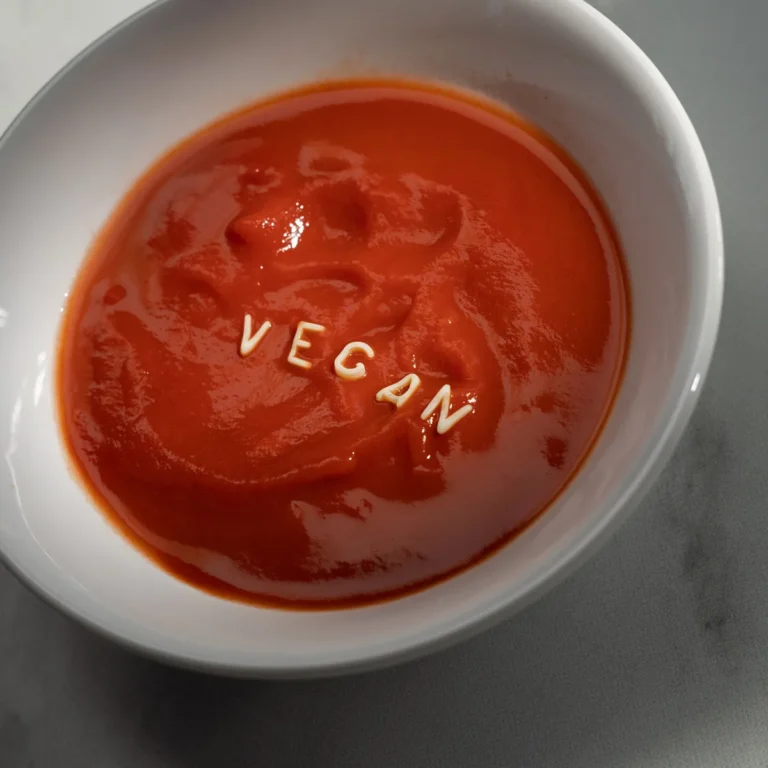
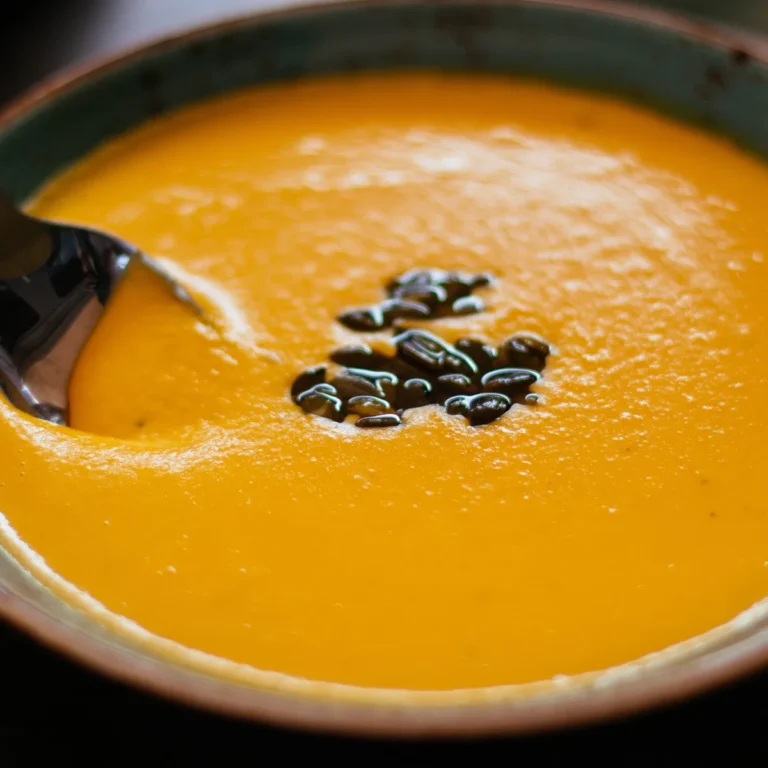
Smooth. Purees and blended soups, the most technique-dependent food in this silo, because bad puree is the reason people dread this category. Three rules produce good ones. Blend hot food in batches that fill the jar no more than halfway, with the lid’s center cap removed and a towel over the gap, or the steam will blow the lid off. Blend longer than feels reasonable, a full ninety seconds past when it looks done; the difference between smooth and actually silky is that minute and a half. And season after blending, not before, because blending mutes salt and acid and a puree seasoned ahead tastes flat by the time it pours. A fine mesh strainer is the cheap insurance policy: thirty extra seconds of pushing catches every fiber the blades missed.
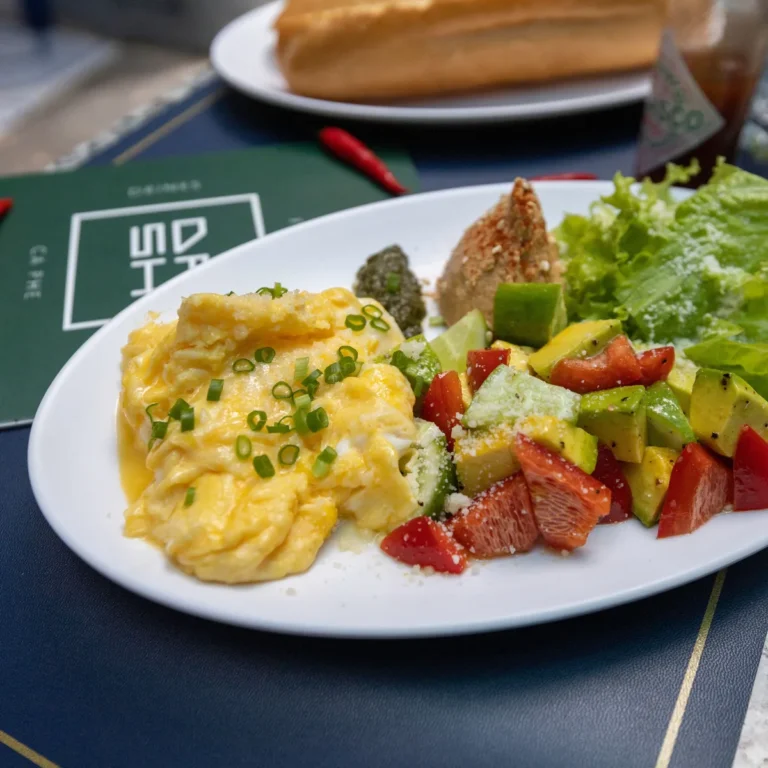
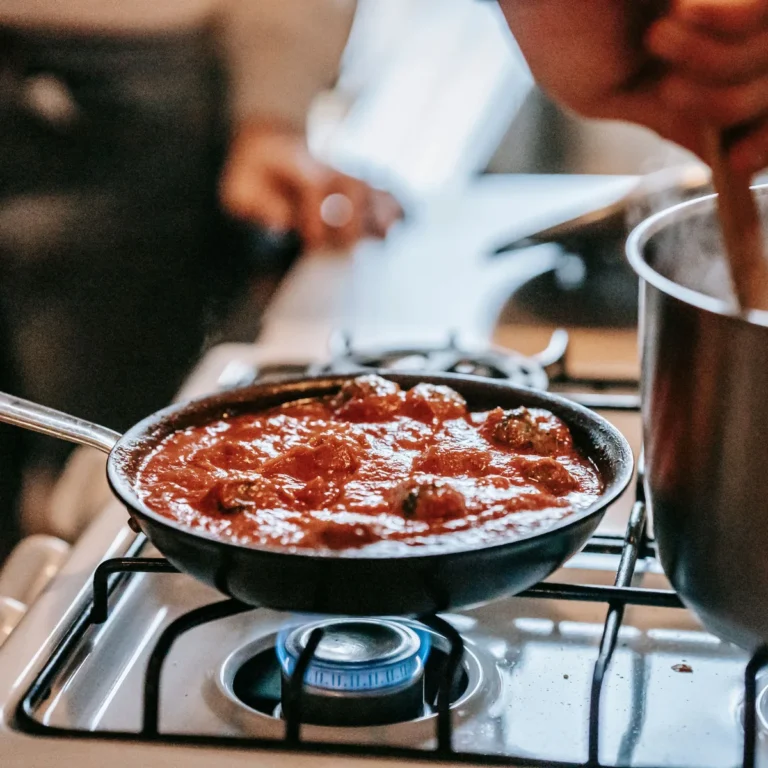
Soft. Eggs, fish, dairy, braised-to-collapse vegetables and meats. The house techniques here are gentleness and moisture: eggs scrambled low and slow until they set as soft curds rather than browned sheets, fish baked until it just flakes, chicken poached at a shimmer and shredded back into its own liquid. Our diabetic salsa chicken method transfers here whole, because meat shredded into its cooking liquid stays moist by construction, and the cottage cheese blending trick from our diabetic crustless vegetable quiche produces exactly the tender, high-protein set this category wants.
Regular. Ordinary food, cooked with two habits turned up: moisture and smallness. Dry protein is the most common failure at every table and it matters more here, so every regular-texture recipe carries its temperature and its resting rule, and sauces are built into the plan rather than optional. Smallness is a real design constraint too; a recipe that only works as a big casserole for six is a storage problem wearing a dinner costume, so the recipes in this silo scale down or portion into a freezer honestly.
Protein First, as a Cooking Approach
Protein leads the plates here, and the section’s job is making that genuinely pleasant meal after meal, which is a flavor and texture problem before it is anything else. The whole-food bench carries most of the load: eggs in every form gentleness allows, Greek yogurt and cottage cheese doing structural work in bakes and blends, ricotta where softness is the point, chicken poached or braised rather than grilled dry, fish for the fastest tender protein in the kitchen, and beans and lentils where their creaminess is an asset. Every one of those cooks into food with a full USDA-calculated card, protein stated per serving, and those recipes are the backbone of this section.
The techniques that repeat across the silo are the moist ones: poaching, braising, shredding into liquid, water baths for custards, resting everything. High dry heat is the enemy of almost every protein this section leans on, and where it appears, it appears with a thermometer number attached.
The Protein Powder Question, Answered Honestly
Protein powder is part of real life after bariatric surgery, and this section neither pretends otherwise nor pretends we can count it. Here is the policy, stated plainly. Powders vary substantially by brand, in protein and in carbohydrate per scoop, enough that any single nutrition figure we published for a powder recipe would be wrong for most readers’ actual tubs. Our numbers come only from the USDA database and only when they will be true of the food on your counter, so recipes built on protein powder publish a complete recipe card, ingredients, method, times and yield, with no nutrition block at all, plus a plain note under the card telling you exactly why and pointing you to your own label.
Powder recipes are a deliberate minority here. The whole-food recipes with full cards are the stronger assets and the better food, and the powder builds exist for the places powder genuinely wins: cold blends, set puddings, a handful of bakes. When you see one, bring your own tub’s label to the arithmetic; it is the only honest way the math works.
Flavor at Small Volumes
Bland food is the most common kitchen complaint in this territory, and it is solvable, because flavor at small volume is technique, not quantity. Acid is the first lever: a squeeze of lemon or lime added off the heat, the same rule our whole site runs on, does more for a small bowl than doubling any seasoning. Blooming is the second: spices toasted thirty seconds in fat before liquid arrives taste twice as present at the same spoon. Browning is the third where texture allows it, because browned onions or seared mushrooms fold savory depth into even the smoothest blend. And temperature contrast, a cold yogurt swirl on a warm soup, does work at two-bite scale that no ingredient can.
The smooth category deserves one more sentence of respect: a puree is not a punishment, it is a soup course, and the cuisines that take blended food seriously season it like it matters. This section cooks purees that way.
Cooking for One, and the Freezer That Makes It Work
Most of this section assumes small households and honest storage, because a common reality here is one person eating small amounts while the rest of the table eats something else. The infrastructure is cheap and repeats across recipes. Purees and blended soups freeze in ice cube trays, then bag flat: a cube or two thaws in a minute and nothing gets eaten for the fifth day in a row out of obligation. Egg bakes portion in the muffin tin from the start. Shredded proteins freeze flat in their liquid in single portions. Everything gets labeled with a name and a date, because the freezer that saves you is the one you can read.
Batch cooking is framed here as banking variety, not volume: three small containers of three different things beat one large container of one thing every time appetite is unpredictable.
How the Numbers Work
Every whole-food recipe card in this silo carries nutrition calculated ingredient by ingredient from USDA FoodData Central, with source entries archived and protein stated per serving alongside the rest, per our editorial policy. We publish totals and we never publish a net carb figure. What we also never publish is a target: how much protein or anything else you should reach in a day is a clinical number that belongs to you and your team, and the cards exist so that conversation runs on honest inputs. Our lane is accurate plates; the plan those plates fit into is not ours to write.
What Is Coming to This Section
The build order is public so returning readers know what to expect. The core roundups arrive first, grouped the way this page promises: by texture, smooth and pureed builds, soft food builds, and by protein, eggs and dairy, chicken, fish and seafood, soups, desserts built protein-first. Meal-scale pages follow, breakfasts, lunches, dinners, meal prep systems and cooking for one, then the single recipes with full cards, tested and audited the same way our diabetic singles were. Every batch gets linked into this page as it goes live, so this pillar is the one bookmark that stays current.
FAQ
Are these recipes safe for my stage? That is exactly the question this section will never answer, and the refusal is the safety feature. We label texture honestly; your surgical team matches textures to your situation. If those two pieces of information disagree, your team wins, every time.
How much protein should I be eating? A clinical number we do not set. Your program gives you targets; our cards give you accurate per-serving figures to weigh against them. Both halves matter and we only own one of them.
Why do some recipes have no nutrition numbers? Those are the protein powder builds, and the omission is deliberate honesty: powders vary so much by brand that one published figure would be wrong for most readers. The note under each of those cards says so, and your tub’s label completes the math.
Can I cook from this section if I have not had surgery? It is food: high in protein, gentle in texture where labeled, honestly counted. Anyone can cook it. The section is designed around post-surgical kitchen problems, but nothing here requires a surgical history to taste good.
Do you cover the pre-surgery diet? No. Pre-operative eating is prescribed by your program, is often quite specific, and is exactly the kind of medical territory this section stays out of. The resources at asmbs.org and your own team cover it properly.
When do new recipes arrive? In batches, and this pillar links each group as it goes live. The texture roundups are first in the queue.
The Short Version
Your team owns the plan. This section owns the cooking: three textures done with real technique, protein-first plates that taste like food instead of obligation, honest USDA numbers on every whole-food card, and a stated refusal to publish the numbers we cannot stand behind. That division of labor is the whole idea, and every recipe that joins this silo will keep to it.
More recipes to try
- bariatric diet recipes
- bariatric friendly recipes
- high protein bariatric recipes
- easy bariatric recipes
- bariatric puree recipes
- pureed diet recipes
- bariatric soft food recipes
- recipes for pureed stage of bariatric surgery
- bariatric chicken recipes
- bariatric soup recipes
- bariatric stage 2 diet recipes
- bariatric stage 3 diet recipes
- stage 4 bariatric diet
- bariatric breakfast ideas
- bariatric lunch ideas
- bariatric dinner recipes
- bariatric meal prep ideas
- bariatric dessert recipes
- bariatric food list
- gastric sleeve recipes
- bariatric recipes for one person
- bariatric diet plan
- free bariatric meal plans printable
- gastric bypass recipes
Written by Frank Thomson, Skillet & Spoon editorial. Every nutrition figure on this site is calculated ingredient by ingredient from the USDA FoodData Central database, never estimated and never rounded to look better. We do not publish net-carb figures or use non-nutritive sweeteners. How we develop and source recipes is set out in our editorial policy.