No-Bake Desserts: Set Without an Oven
No-bake desserts trade the oven for the fridge, which removes the browning and the baking risks but adds a different skill: making things set without heat. A no-bake dessert that turns out runny or sloppy is almost always one whose setting agent was handled wrong or that was cut too soon. Learn what sets each kind, gelatin, chocolate, whipped cream or simple chilling, and no-bake desserts become the most reliable sweets you can make, especially in summer. This page groups them by how they set. Every number here is from USDA FoodData Central, and the sweetness is real sugar, counted honestly, never a substitute.
What Makes a No-Bake Dessert Set
Four things do the setting, and each has a rule.
Gelatin sets liquids into a sliceable gel, but it must be bloomed in cold liquid first to swell, then warmed gently to dissolve. Boiling it weakens or destroys its setting power, and it needs real chilling time, so a gelatin dessert cut too soon runs.
Chocolate sets firm as it cools because its cocoa butter solidifies, which is what holds a truffle or a ganache. The catch is that chocolate seizes into a grainy mess if water touches it while melting, so keep it dry and melt it gently.
Whipped cream holds air because its fat traps the bubbles, and it whips stiff only when the cream and bowl are cold, because warm fat will not hold. It is what lifts mousses and no-bake cheesecakes.
Chilling alone sets crumb crusts and firms fillings as the butter in them hardens in the cold. Time in the fridge is the ingredient here.
No-Bake Cheesecake
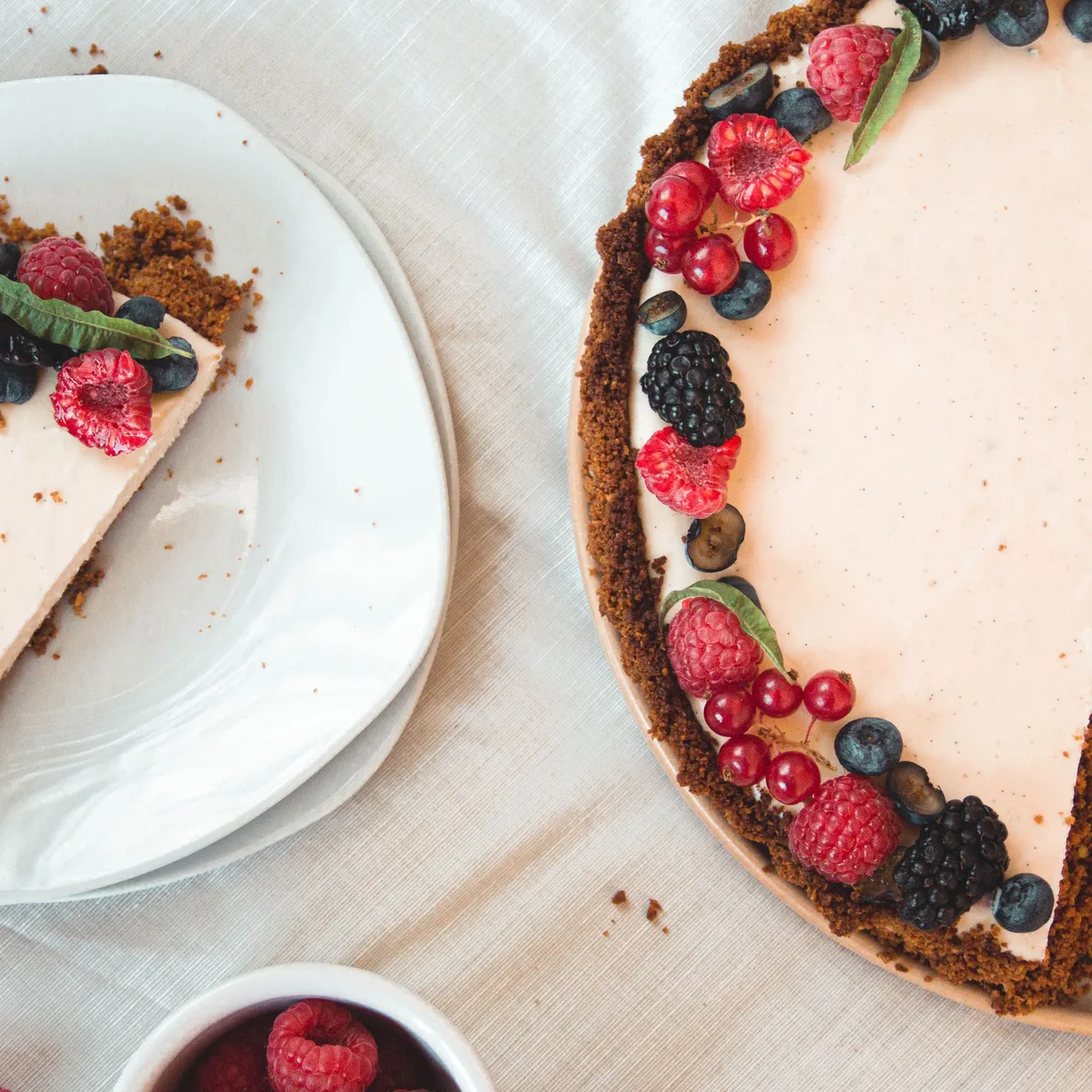
A no-bake cheesecake sets from whipped cream, and sometimes gelatin, rather than from eggs and heat. Beat the cream cheese smooth while it is at room temperature to avoid lumps, fold in cold whipped cream for lift, and give it full chilling time. A soft, runny no-bake cheesecake is nearly always one cut before it set.
Chocolate Mousse and Pudding Cups
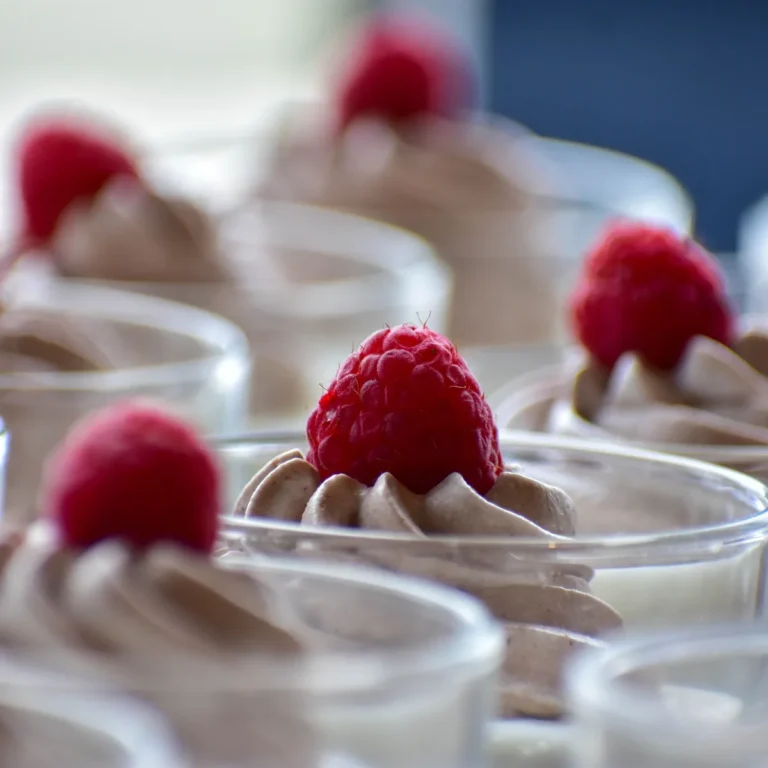
Mousse is set by whipped cream and melted chocolate together: the chocolate firms as it cools and the cream holds the air that makes it light. Fold gently so the air survives, and chill until firm. Spoonable pudding cups set from cooked starch instead and chill to finish.
Icebox Cakes and Fridge Bars
Icebox cakes layer cookies or wafers with cream, and the magic is time: the cookies soften as they draw moisture from the cream overnight, turning into a cake-like layer. Fridge bars, built on a crumb base with a chilled filling, set the same way, by the butter in the crust and filling hardening in the cold. Both need a long chill, usually overnight.
No-Bake Cookies and Truffles
No-bake cookies set from a cooked sugar syrup that firms as it cools, so the syrup has to reach the right stage: undercooked it stays sticky, overcooked it goes dry and crumbly. Truffles are chilled ganache rolled and coated, firm because the chocolate has set, so they need to stay cool to hold their shape.
Crumb Crusts That Hold Together
Most no-bake desserts sit on a crumb crust of crushed cookies bound with melted butter, and the butter ratio decides everything: too little and it crumbles when cut, too much and it sets hard and greasy. Press the mixture firm and even into the pan with the back of a spoon or a flat glass, and chill it well before filling, because a cold, set crust holds the filling cleanly where a loose one breaks up into it. A short pre-bake makes it even sturdier, though a chilled crust works fine for a true no-bake.
No-Bake Crust Variations
The crust takes the flavour you want from whatever cookie you crush: plain graham or digestive for a neutral base, chocolate cookies for a dark crust under a pale filling, or gingersnaps for warmth under pumpkin or spice. A nut-and-date base, blitzed until it clumps, sets with no added butter at all and suits fruit and chocolate fillings.
Gelatin, Agar and Setting Without Eggs
Gelatin is the usual setting agent, and it is an animal product, so it does not suit vegetarian desserts. Agar, made from seaweed, is the plant-based alternative, and it behaves differently: where gelatin must not boil, agar has to be boiled to activate, and it sets much firmer and holds at room temperature rather than needing the fridge. The two are not interchangeable spoon for spoon, so follow a recipe written for whichever you use.
Make-Ahead, Serving and Summer
No-bake desserts are made for getting ahead, since they need chilling time anyway, so they are the natural choice for a dinner where the oven is busy or the kitchen is hot. Most are best made the day before and served straight from the fridge, because they soften as they warm and a soft-set dessert loses its clean slice. In summer, keep them cold right up to serving.
When a No-Bake Will Not Set
A no-bake that stays soft usually comes down to one of three things: it was cut before it had fully chilled, the gelatin was boiled and lost its strength, or the cream was not whipped stiff enough to hold the structure. Give it more time first, since that fixes most cases, and if it still will not set, the setting agent was the problem and the next one needs more of it.
A Note on Sugar
Sugar in a no-bake dessert sweetens and, with the fat, gives body to fillings and syrups. This site uses real sugar, counted truthfully from USDA data, and never non-nutritive sweeteners, which change texture and misreport carbohydrate. For the setting science shared with custards and frozen desserts, see the dessert recipes guide.
Planning the Chill Time
The one thing a no-bake dessert always needs is time in the fridge, so plan backward from when you want to serve. A no-bake cheesecake or a set mousse wants several hours at least and is safest made the night before, while an icebox cake needs a full overnight for the cookies to soften into cake. Rushing the chill is the single most common reason a no-bake turns out soft, so building in the wait is part of the recipe, not an afterthought. A deep, even chill also makes for clean slices, since a half-set dessert smears.
Scaling for a Crowd
No-bake desserts scale easily, which is part of why they suit gatherings. A filling that sets in one dish sets just as well spread across a larger one or divided into individual cups, and cups have the advantage of setting faster and portioning neatly with no cutting. A larger, deeper dish needs more chilling time, because the centre is further from the cold. Individual cups also travel better than a single large dish, which matters for a potluck or a packed lunch.
FAQ
Why is my no-bake dessert runny? It was cut too soon or the setting agent was mishandled. Give it full chilling time, and if it uses gelatin, bloom it in cold liquid and warm it without boiling, because boiling weakens the set.
How long do no-bake desserts need to chill? Most need several hours, and icebox cakes and many no-bake cheesecakes are best left overnight, because the setting and softening both happen slowly in the cold.
Why did my melted chocolate go grainy? It seized, from water or overheating. Keep chocolate dry and melt it gently in short bursts or over low heat; a single drop of water can clump it.
Why won’t my cream whip? The cream or bowl was too warm. Chill both, because the fat only traps air and holds stiff when it is cold.
Can I make no-bake desserts with a sugar substitute? This site does not, because sugar gives body to fillings and syrups and misreports as carbohydrate when replaced. We use real sugar and count it honestly.
Where to Go Next
Start with the dessert recipes guide for the setting science behind every no-bake sweet. For related desserts see cheesecake recipes, pudding recipes and pie recipes.
Written by Frank Thomson, Skillet & Spoon editorial. Every nutrition figure on this site is calculated ingredient by ingredient from the USDA FoodData Central database, never estimated and never rounded to look better. We do not publish net-carb figures or use non-nutritive sweeteners. How we develop and source recipes is set out in our editorial policy.