Carnitas Recipe: Crispy Edges, Juicy Inside
This carnitas recipe turns on one decision made before the pot goes on the heat: the cut. Real carnitas start with pork shoulder, get braised low until the meat surrenders, then crisp under high heat for the browned edges that define the dish. Use the wrong cut or skip the braise and you get dry, chewy pork, no matter how good the seasoning is. The recipe card below carries the full method with USDA-calculated numbers.
Ingredients
Method
- Season the pork chunks all over with the salt, cumin and oregano.
- Put the pork in a heavy pot with the oil, the squeezed orange juice and its spent halves, the onion, garlic and bay leaves. Add water to come halfway up the meat.
- Bring to a bare simmer, cover, and cook low for about 3 hours, until the pork shreds with light fork pressure. Tough means undercooked, so give it more time rather than more heat.
- Discard the orange halves, onion and bay leaves. Lift the pork out and shred it in large pieces, then skim the fat from the braising liquid and reserve both.
- Spread part of the shredded pork in a single layer and crisp it under a hot broiler or in a wide pan over high heat until the edges brown, 4 to 6 minutes.
- Toss the crisped pork back with a few spoonfuls of the reserved braising juices so it reabsorbs moisture, then serve.
Why These Carnitas Work
- Shoulder has the collagen carnitas need. Long, low, moist heat converts that connective tissue to gelatin, which coats the fibers and keeps the meat juicy as it shreds. Lean cuts have almost none of it, so they dry out.
- Braise first, crisp second. The braise does the tenderizing; the crisp does the browning. Trying to do both at once either burns the outside before the inside is tender, or dries the whole batch chasing crisp edges.
- Crisp only part of the batch. High heat drives off moisture, so crisping everything overshoots. Brown a portion, then fold it back through the tender, juicy remainder.
The Best Cut for Carnitas
Pork shoulder, sold as Boston butt or picnic shoulder, is the only cut that gives you carnitas rather than dry pulled pork. It runs through with collagen and intramuscular fat, and those are exactly what long braising needs to work on. As the pork sits between roughly 160F and the boil for a few hours, the collagen breaks down into gelatin, which is the difference between meat that shreds moist and meat that shreds into dry threads.
Loin and tenderloin are the classic mistake. They are lean, low in collagen, and built for fast high heat, so a long braise just squeezes the water out of them. If dry carnitas keep happening, the cut is the first thing to check, ahead of the recipe.
Ingredient Notes
The pork. Buy it bone-in or boneless, but keep the fat cap on, since that rendered fat is what you crisp the meat in later. Cut it into large two-inch chunks so it holds moisture through the braise rather than shredding to threads too early.
The aromatics. Orange brings acidity and a little sugar, and that sugar helps the edges brown during the crisp. Onion, garlic and bay build the braising background; they are strained out and discarded, so they flavor the liquid rather than the plate. Cumin and oregano go on the meat directly.
How to Make Carnitas
The method is braise, shred, crisp, in that order. Season the pork, then braise it gently in a covered pot with the orange, onion, garlic and bay until it yields to a fork, about three hours. A bare simmer is the target, because a hard boil toughens the exterior before the collagen inside has time to melt.
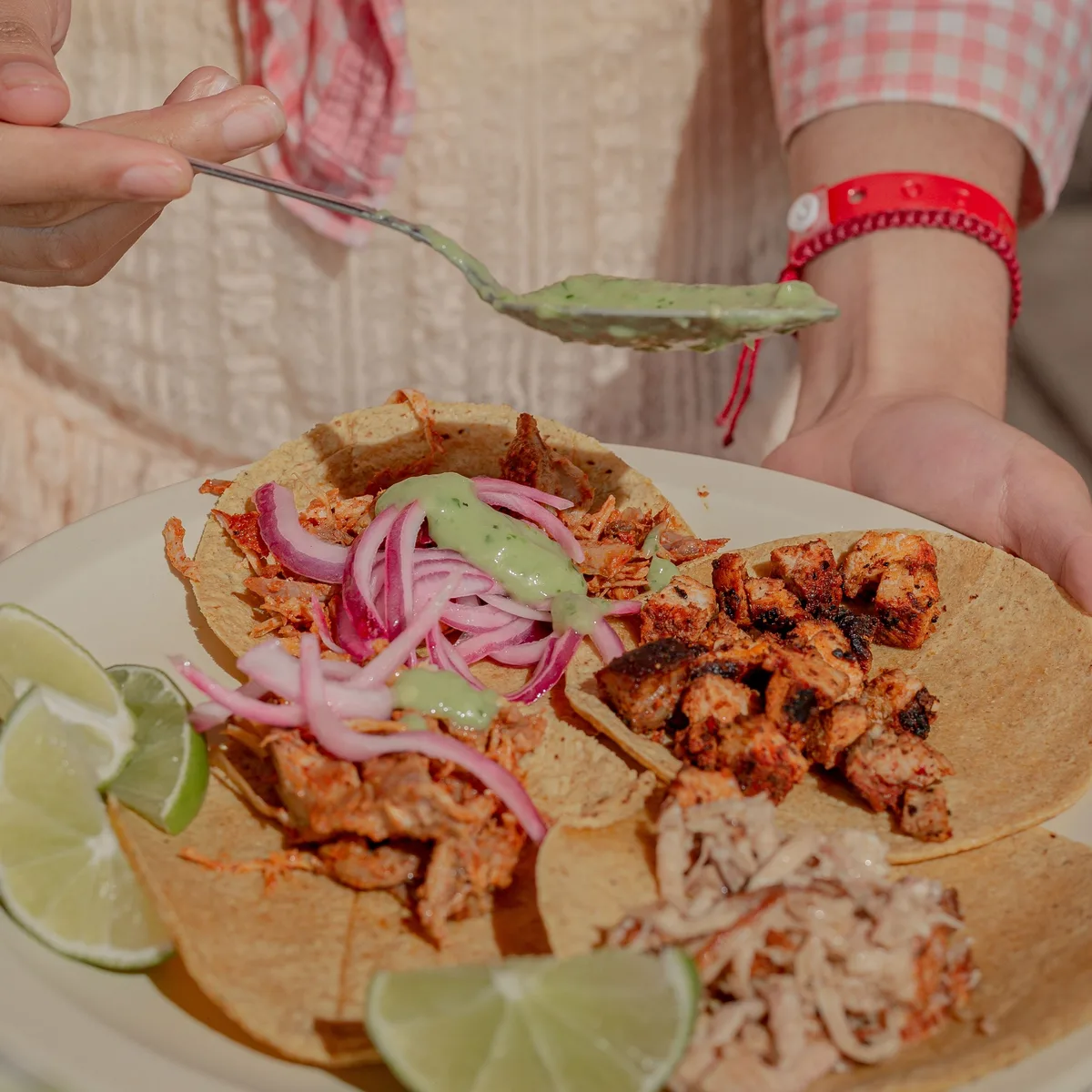
Shred the cooked pork in large pieces and hold the strained braising liquid. Skim off the fat and keep it, since crisping the meat in its own rendered fat browns it without turning it greasy. Crisp a portion under the broiler or in a hot wide pan in a single layer, then toss it back with a few spoonfuls of the braising juice so the meat drinks moisture back in. That last step is the trick that keeps crisp carnitas from reading as dry.
Slow Cooker, Instant Pot and Oven
All three routes work because they all deliver low, moist, patient heat. In a slow cooker, cook on low for 8 hours, then crisp on a sheet pan under the broiler. In an Instant Pot, pressure cook 45 minutes with a natural release, which forces the collagen to break down fast. In the oven, braise covered at 300F for about 3 hours. Whichever you choose, the crisp step is separate and always comes last.
Why Carnitas Turn Out Dry or Tough
Dry and tough are different failures with different fixes, and confusing them makes both worse.
| Problem | Cause | Fix |
|---|---|---|
| Dry | Whole batch over-crisped, or a lean cut | Crisp only part, use shoulder, toss with braising juices |
| Tough or chewy | Undercooked, collagen not broken down yet | Cook longer at low heat until it shreds easily |
| Greasy | Crisped in too much added fat | Use only the rendered fat, drain the excess |
| No crisp | Shreds too wet or the pan is crowded | Dry the meat, high heat, single layer, work in batches |
The most common mix-up is treating tough meat as done and blaming dryness. Tough almost always means it needed more time in the pot, not less.
What to Serve With Carnitas
Carnitas want warm tortillas, and corn is traditional; warm them properly so they bend without cracking, which our guide to softening corn tortillas covers. A side of authentic Mexican rice and a spoon of beans from the Mexican black bean recipes collection turn the pork into a full plate. Top with raw onion, cilantro and lime.
Storage, Reheating and Freezing
Carnitas keep four days refrigerated, and they store best in a little of the braising liquid so they do not dry in the cold. Freeze the tender, un-crisped shreds for up to three months, since crisping is best done fresh right before serving. To reheat, warm the meat gently in its juices, then re-crisp a portion under high heat so it tastes freshly made rather than reheated.
FAQ
What is the best cut for a carnitas recipe? Pork shoulder, also sold as Boston butt or picnic shoulder. Its collagen and fat break down into gelatin over a long braise, which is what keeps carnitas juicy; lean loin cuts dry out.
Why are my carnitas dry? Usually the whole batch was crisped too long, or a lean cut was used. Crisp only part of the meat, start from shoulder, and toss the crisped pork back with the braising juices.
Why are my carnitas tough and not falling apart? Tough means undercooked, not overcooked. The collagen has not broken down yet, so keep braising at a low simmer until the pork shreds under light fork pressure.
Slow cooker or oven for carnitas? Both work, because both give low, moist heat over hours. Whichever you use, crisp the shredded pork separately at the end under a broiler or in a hot pan.
The Short Version
A good carnitas recipe is really one rule with a follow-through: braise pork shoulder low until it shreds, then crisp part of it hot and fold it back through the rest. Get the cut right and the dryness problem disappears. Find what to build around it in the easy Mexican recipes at home collection.
Written by Frank Thomson, Skillet & Spoon editorial. Every nutrition figure on this site is calculated ingredient by ingredient from the USDA FoodData Central database, never estimated and never rounded to look better. We do not publish net-carb figures or use non-nutritive sweeteners. How we develop and source recipes is set out in our editorial policy.