Chicken Fajitas (Skillet Seared, Tex-Mex)
Chicken fajitas are strips of seasoned chicken and sliced peppers and onions seared hard in a very hot pan, wrapped in warm flour tortillas at the table. The version you get in a restaurant, arriving loud and smoking on a cast iron platter, comes down largely to one thing that is easy to get wrong at home: too much food in too small a pan. The recipe card carries the full method with USDA-calculated numbers; this page explains why batch searing is the whole recipe.
Ingredients
Method
- Slice the chicken breast across the grain into strips about 1/2 inch thick, so they cook through in the time it takes to sear the outside.
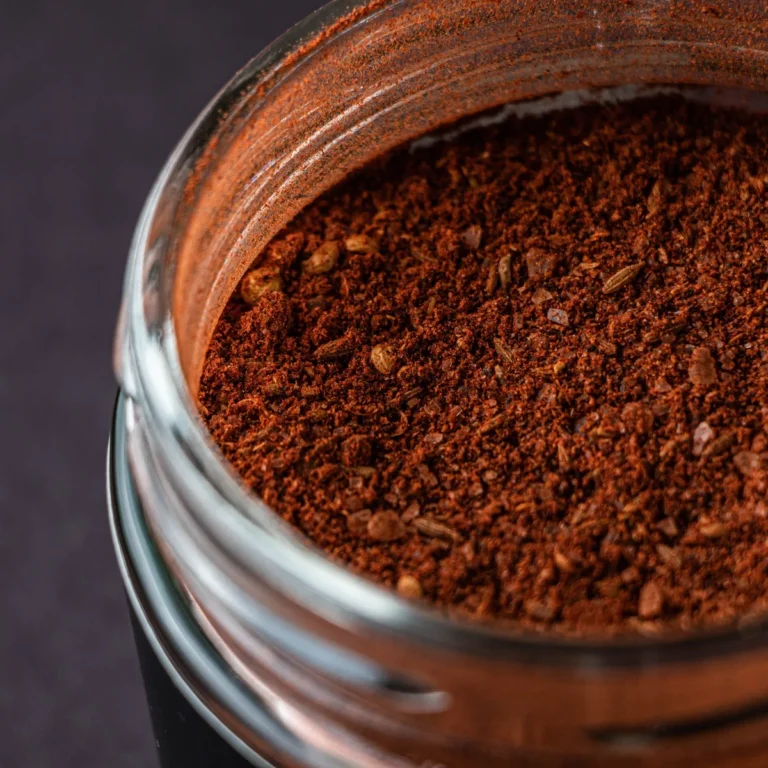
- Toss the chicken with the lime juice, 1 tablespoon of the oil, the chili powder, cumin, smoked paprika, garlic powder and salt. Leave it for 15 to 30 minutes while you slice the vegetables.
- Heat a large cast iron skillet over high heat until it is smoking lightly. Add 1 tablespoon of oil and half the chicken in a single layer with space between the pieces.
- Sear without moving for 2 minutes, turn, and cook another 2 to 3 minutes until browned and cooked through, 165F in the thickest piece. Move to a plate and repeat with the rest.
- Add the last tablespoon of oil to the empty skillet, then the peppers and onion. Cook over high heat, tossing only occasionally, for 5 to 7 minutes until they are blistered and charred at the edges but still have some bite.
- Return the chicken and any juices to the pan and toss for 30 seconds to rewarm.
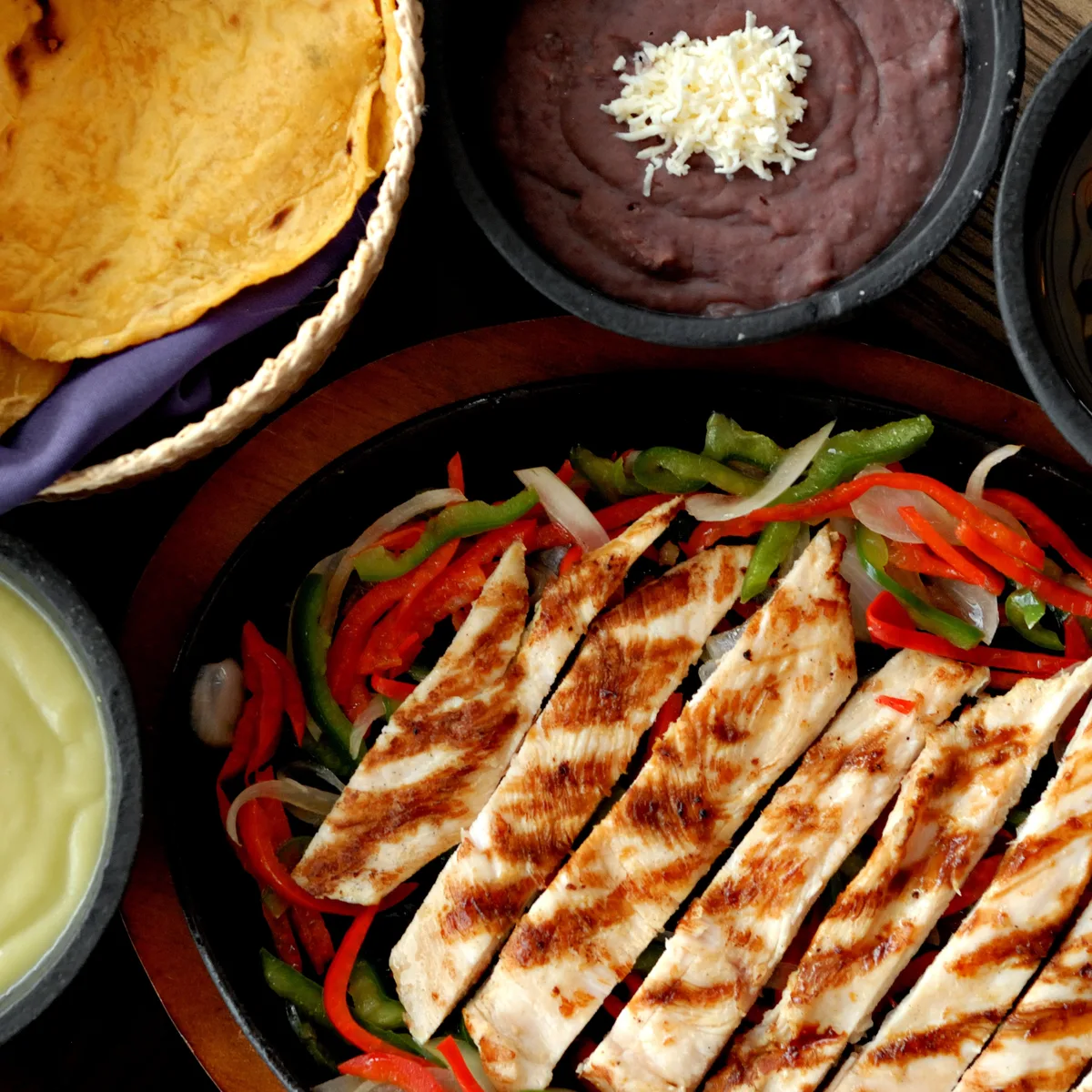
- Warm the tortillas in a dry pan for about 20 seconds a side. Serve the fajitas in the skillet with the tortillas and toppings on the side.
Where Fajitas Come From
Fajitas are Tex-Mex, and the outline of their history is clear. The word comes from faja, strip or belt, the Spanish name for skirt steak, a cheap cut that ranch workers in South and West Texas grilled over open fire and wrapped in tortillas. The sizzling-platter restaurant dish spread through Texas and then the rest of the country from the 1970s onward, and chicken fajitas are a later restaurant variation on the beef original. So this is an honest Tex-Mex dish rather than a traditional Mexican one, and it is labelled that way. For the grilled skirt steak that started it all, see carne asada.
Why This Recipe Works
- Batch searing is what produces browning instead of steaming. Raw chicken and cut vegetables carry a lot of surface water. In an uncrowded pan that water evaporates almost instantly and the surface climbs above the boiling point, which is where browning happens. Pile everything in at once and the water released has nowhere to go: the pan temperature drops, the food simmers in its own liquid, and you get pale, soft chicken and limp peppers. Two batches of chicken and a separate turn for the vegetables fixes it.
- Thin strips cut across the grain cook evenly and fast. Half-inch strips cook through in the four or five minutes it takes to sear the outside, so the outside is browned and the inside is still juicy. Thicker pieces force a choice between a raw centre and a dried-out surface.
- The vegetables want char and bite, not softness. Peppers and onions go sweet and smoky when their edges blister in a hot pan, and stay pleasantly crisp in the middle. Cooked slowly or covered, they collapse and release water, which is exactly the texture a fajita should not have.
Ingredient Notes
The chicken. Breast is the default and what the card counts. Thighs are more forgiving because they carry more fat and stay juicy if you leave them a minute too long; slice them the same way and add a minute per side.
The peppers. A mix of red, yellow and green looks the part and tastes more balanced, since green peppers are unripe and bitter-grassy while red and yellow are sweeter. Slice them into strips of about the same width as the chicken so they cook in the same time.
The marinade. Lime, oil and a short list of spices. The lime is acidic and works on the surface of the meat, so fifteen to thirty minutes is enough. Several hours in citrus turns the outside of thin chicken strips soft and chalky, the same effect that cooks fish in ceviche.
The tortillas. Flour is the Tex-Mex default and the card counts 8-inch ones. Corn works well if you prefer it, and is lower in fat; warm either on a dry pan until it puffs and softens.
The Method, In Short
Slice the chicken thin across the grain, marinate briefly, sear it in two uncrowded batches in a smoking-hot skillet, then char the vegetables in the same pan and bring everything back together for thirty seconds. The whole thing is quicker than it reads, around twenty minutes of cooking.
A cast iron pan is worth using here because of how much heat it holds. Thin nonstick pans lose most of their temperature the moment cold food goes in and take a long time to recover, which pushes you straight back into steaming.
What to Serve With Them
The toppings are the fun part and they are set out cold so everyone builds their own: guacamole, pico de gallo, sour cream, shredded cheese and lime wedges. On the side, authentic Mexican rice and refried beans turn it into a full plate. For more ways to use chicken in this cuisine, see Mexican chicken breast recipes.
Storage and Reheating
Leftover fajita filling keeps three days refrigerated. Reheat it in a hot dry skillet for a minute or two rather than in the microwave, which steams the peppers soft and rubberises the chicken. Cold leftovers are good in a salad or a rice bowl. The cooked filling freezes for about two months, though the peppers soften on thawing, so it is better used in a quesadilla or a casserole than served as fajitas again.
FAQ
Why are my fajitas soggy instead of charred? The pan was too crowded or not hot enough. The food released water faster than the pan could evaporate it, so it steamed. Cook the chicken in two batches and the vegetables separately, in a pan that is smoking before anything goes in.
How long should I marinate chicken for fajitas? Fifteen to thirty minutes. The lime juice is acidic, and much longer than that softens the surface of thin strips into a chalky texture.
Chicken breast or thigh for fajitas? Either. Breast is leaner and cooks a little faster. Thighs carry more fat, stay juicier, and forgive an extra minute in the pan.
Are fajitas Mexican or Tex-Mex? Tex-Mex. They come from the grilled skirt steak of South and West Texas ranch workers, and became a restaurant dish in the United States. Chicken fajitas are a later variation.
Can I make fajitas in the oven? Sheet-pan fajitas work at a high oven temperature, around 425F, with everything spread in a single layer across two trays. They roast rather than sear, so they will be softer and less charred than the skillet version.
What is the internal temperature for chicken fajitas? 165F in the thickest piece. With half-inch strips this takes four to five minutes in a very hot pan.
Where to Go Next
The original skirt-steak version is carne asada, more chicken dinners are at Mexican chicken recipes, and the whole library starts at easy Mexican recipes at home.
Label note: most of the carbohydrate in this recipe comes from the flour tortillas, calculated here from USDA’s generic entry. Brands vary, and some contain added sugar, so check the label on the one in your kitchen.
Written by Frank Thomson, Skillet & Spoon editorial. Every nutrition figure on this site is calculated ingredient by ingredient from the USDA FoodData Central database, never estimated and never rounded to look better. We do not publish net-carb figures or use non-nutritive sweeteners. How we develop and source recipes is set out in our editorial policy.