Pudding Recipes: Smooth Custards and Classic Spoon Desserts
Pudding recipes cover a wide family, from a stovetop vanilla pudding to baked bread pudding to rice pudding, but they share one idea: a liquid is thickened and set, either by starch, by eggs, or by both. Get the thickening right and a pudding is smooth and glossy; get it wrong and it is grainy, lumpy or weeping. The good news is that the failures are predictable and fixable. This page groups the puddings on this site by type and explains what thickens each. Every number here is from USDA FoodData Central, and the sweetness is real sugar, counted honestly, never a substitute.
What Thickens a Pudding
Starch such as cornstarch thickens as it is heated into a liquid, swelling and setting the mixture, but it only reaches full thickness at a boil, so a stovetop pudding has to come to a gentle boil or it stays thin and tastes starchy. Stir constantly so it thickens evenly and does not catch on the base.
Eggs thicken and enrich, setting the custard, but they curdle into grains if they get too hot, which is the main risk. When eggs go into a hot mixture, temper them first: whisk a little of the hot liquid into the beaten eggs to warm them gradually, then return the lot to the pan, so they never meet the full heat cold and scramble.
The skin that forms on cooling pudding is the surface proteins drying, and pressing plastic wrap directly onto the surface stops it if you do not want it.
Vanilla and Chocolate Pudding
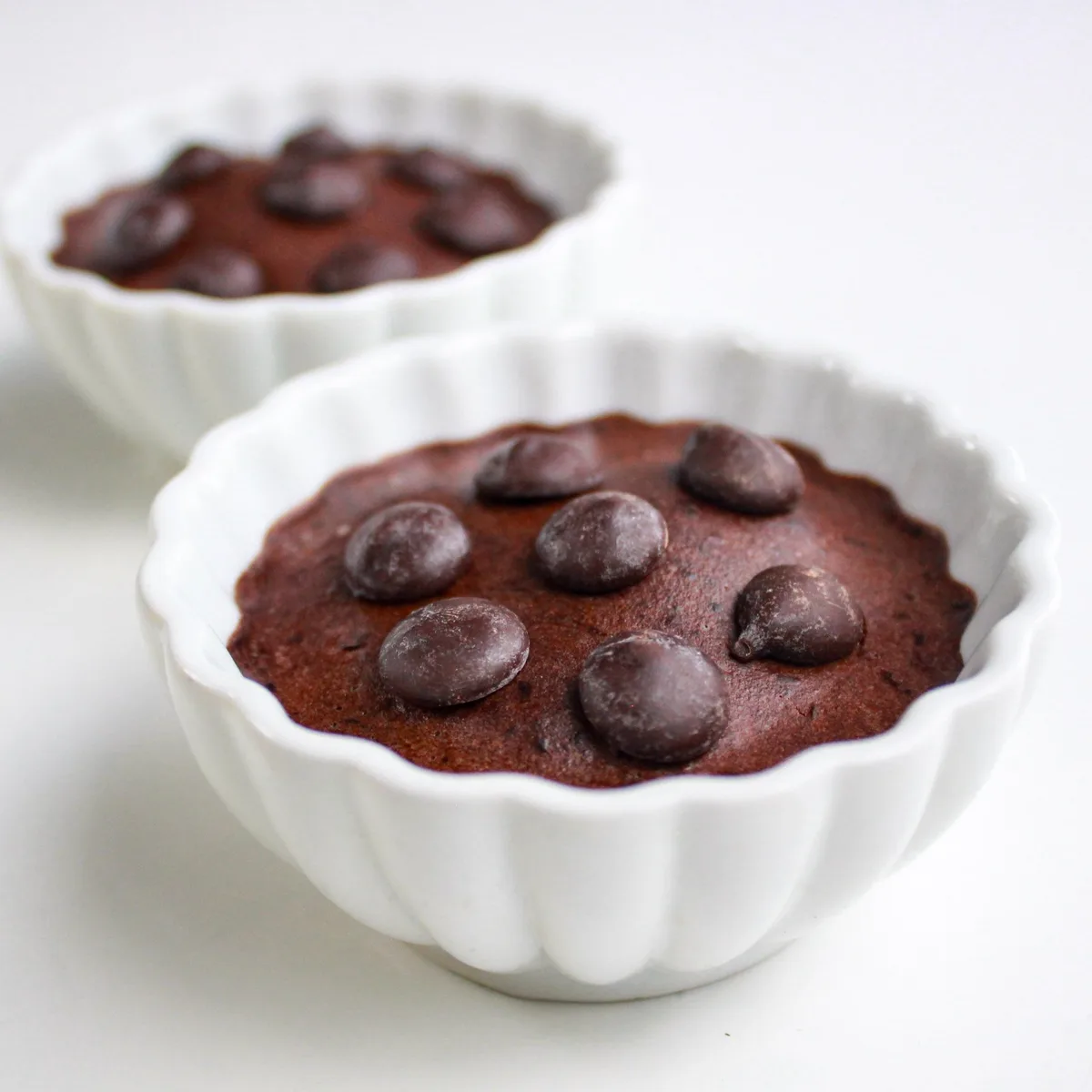
The classic stovetop puddings are starch-and-egg custards: milk thickened with cornstarch and enriched with egg yolks, flavoured with vanilla or chocolate. Bring it to a gentle boil so the starch sets, temper the eggs so they do not scramble, and strain it if any lumps formed. Chocolate pudding simply adds cocoa or melted chocolate to the same base.
Banana Pudding
Banana pudding is an assembled dessert: a vanilla custard or pudding layered with bananas and wafers, then chilled. The wafers soften over time as they draw moisture from the custard, which is the point, so it is made ahead and left to set. Add the bananas close to serving if you want them paler, since cut banana browns as it sits.
Bread Pudding
Bread pudding is a baked custard that uses bread as its structure: stale bread soaks up an egg-and-milk custard, then bakes until the custard sets around it. Stale or dried bread works better than fresh because it drinks up more custard without turning to mush, and the bake follows custard rules, done when just set with a slight wobble, since overbaking weeps.
Rice Pudding
Rice pudding thickens two ways: the rice releases starch as it simmers in milk, and the mixture reduces and sets as it cools. It wants low, patient heat and stirring so the milk does not scorch on the base, and it thickens noticeably as it cools, so a rice pudding that looks loose off the heat is often right. The Mexican version is on the site as arroz con leche, and the baked custard flan shows the egg-set side of the same family.
Cornstarch, Flour and Eggs as Thickeners
The three thickeners behave differently. Cornstarch makes a glossy, clear set and thickens at a boil, but boiled too long or stirred hard after setting it can thin again, so it comes off the heat once thickened. Flour thickens more softly and with a slightly opaque look, and it needs a few minutes of cooking to lose its raw taste. Eggs thicken by setting their proteins and add richness and colour, but they curdle if overheated, which is why egg puddings are cooked gently and often combined with a little starch for insurance.
Fixing Lumps and Skins
Lumps come from starch or egg hitting heat unevenly. Whisk the starch into the cold liquid before heating so it disperses, temper eggs before adding them to anything hot, and stir constantly as it thickens. If lumps form anyway, passing the pudding through a sieve while it is still warm rescues it. The skin that forms as it cools is harmless, but pressing plastic wrap onto the surface prevents it for those who dislike it.
Serving Warm or Chilled
Some puddings are at their best warm, such as bread pudding and rice pudding straight from the pot, while others, like a set vanilla or chocolate pudding, are meant to be chilled until firm. Chilling thickens them further, so a stovetop pudding that looks slightly loose off the heat usually sets to the right spoonable texture in the fridge.
Storing Puddings
Puddings keep covered in the fridge for a few days, with plastic pressed onto the surface to stop a skin and to keep them from drinking in fridge smells. They do not freeze well, because the starch and dairy separate and turn grainy on thawing, so puddings are best made within a day or two of serving.
Instant Versus Cooked
Instant pudding mixes set cold using a modified starch that thickens without heat, which is fast and foolproof, while a pudding cooked from scratch tastes cleaner and richer and lets you control the sugar and flavour. Both have their place, and this site leans on the cooked version because the method is the point and the numbers are honest.
A Note on Sugar
Sugar in a pudding sweetens and balances the richness of the dairy and eggs. This site uses real sugar, counted truthfully from USDA data, and never non-nutritive sweeteners, which misreport carbohydrate and can change the set. For the custard science shared across these desserts, see the dessert recipes guide.
Dairy Choices and Dairy-Free
The dairy carries the richness. Whole milk is the standard for a pudding with body, part cream makes it richer, and skim makes it thinner and less satisfying. For a dairy-free pudding, full-fat coconut milk sets and enriches best because of its fat, and other plant milks work but give a lighter, looser result that may need a touch more starch. The thickening method does not change with the milk, only the richness of what you end up with. If a dairy-free pudding tastes thin, a spoon more starch or a little coconut cream brings back the body the missing fat would have given.
Serving Ideas
A pudding is a finished dessert on its own, but it also builds others. Warm rice or bread pudding takes a spoon of fruit or a pour of cream, a chilled vanilla or chocolate pudding layers into glasses with crumbled cookies and whipped cream for a quick parfait, and a thick pudding sets into a baked crust as the filling for a cream pie. The same pot of pudding can be three desserts depending on how it is served. Chilled in small glasses and topped with whipped cream, it becomes a tidy dinner-party dessert with no last-minute work.
FAQ
Why is my pudding grainy? The eggs got too hot and curdled. Temper them by whisking in some of the hot liquid first, then return everything to gentle heat, and strain the pudding if grains formed.
Why is my stovetop pudding still runny? It did not reach a boil. Cornstarch only thickens fully at a boil, so bring it to a gentle boil, stirring constantly, and it will set as it cools.
How do I stop a skin forming on pudding? Press plastic wrap directly onto the surface while it cools. The skin is surface proteins drying, so removing the air contact prevents it.
Why is my bread pudding soggy? Fresh bread or too much custard. Use stale or dried bread, which absorbs the custard without collapsing, and bake until just set with a slight wobble.
Can I make pudding with a sugar substitute? This site does not, because sugar balances the dairy and eggs and misreports as carbohydrate when replaced. We use real sugar and count it honestly.
Where to Go Next
Start with the dessert recipes guide for the custard and starch science behind every pudding. For related sweets see flan, arroz con leche and no-bake desserts.
Written by Frank Thomson, Skillet & Spoon editorial. Every nutrition figure on this site is calculated ingredient by ingredient from the USDA FoodData Central database, never estimated and never rounded to look better. We do not publish net-carb figures or use non-nutritive sweeteners. How we develop and source recipes is set out in our editorial policy.