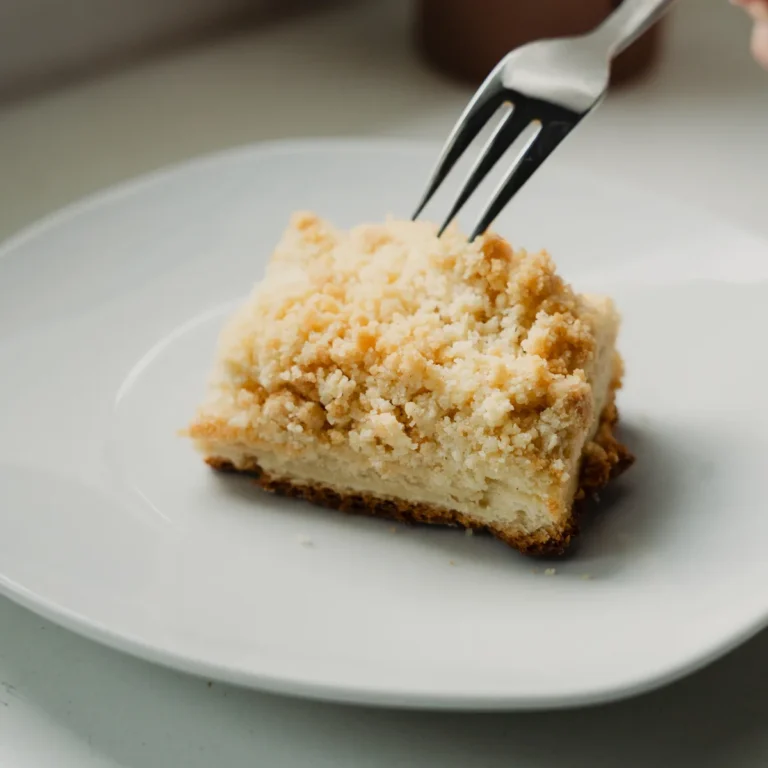
Rice Pudding, Creamy and Old-Fashioned
Rice pudding is rice simmered slowly in sweetened milk until the two become one creamy spoonful, finished with egg for richness and warmed with vanilla and cinnamon. The whole art is in the simmer: too fast and the milk scorches before the rice softens, too little stirring and it sticks and turns gluey. Done gently it is rich and loose, not stodgy. This version is calculated from USDA FoodData Central so the number under each serving is real, and the sweetness is real sugar and the raisins’ own, never a substitute.
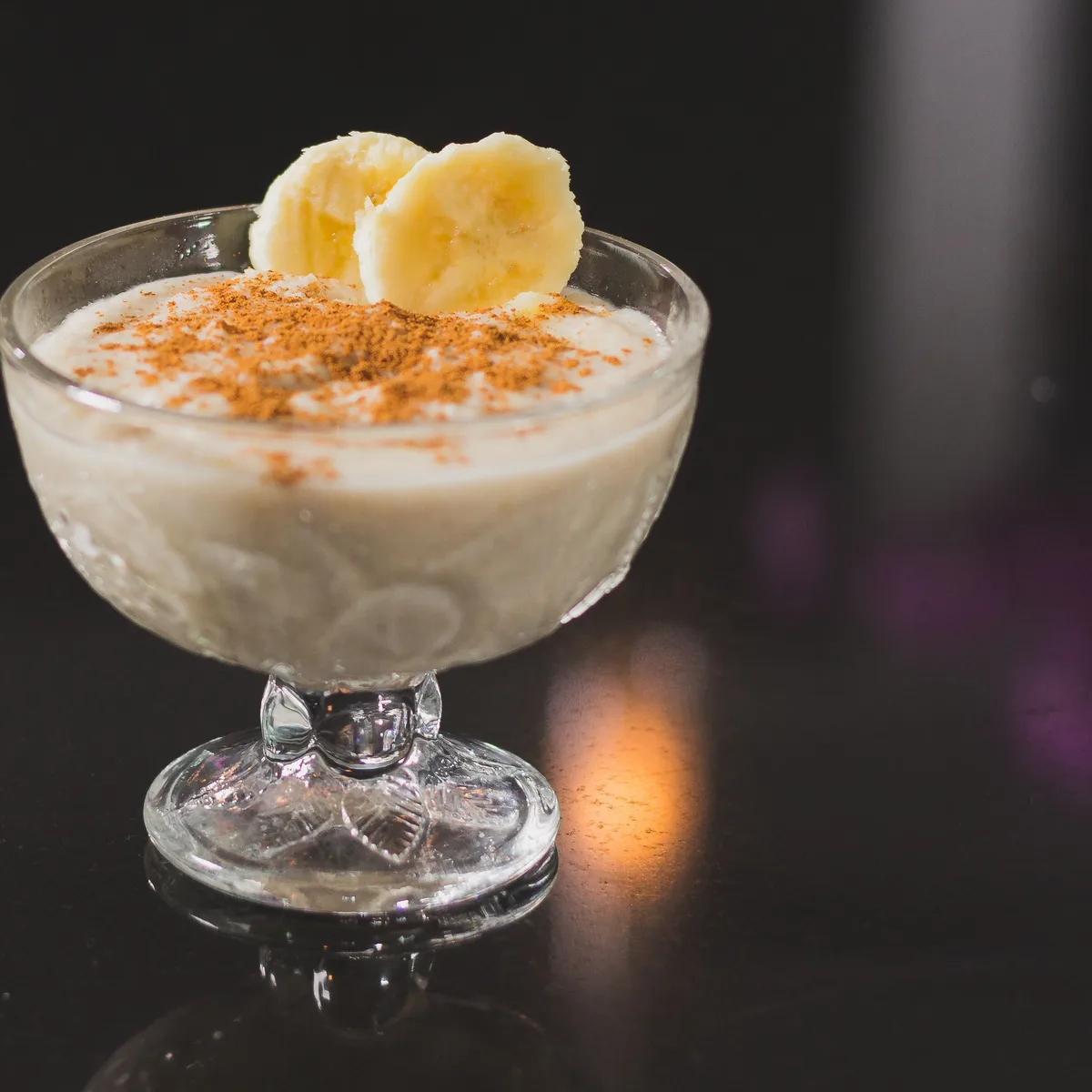
Ingredients
Method
- Combine the rice, milk, sugar and salt in a heavy saucepan and bring to a gentle simmer.
- Simmer gently, stirring often, for about 35 minutes, until the rice is tender and the milk has thickened.
- Whisk the eggs in a bowl, then whisk in a ladle of the hot pudding to temper them.
- Stir the tempered eggs back into the pan and cook another two minutes, stirring, until thick; do not let it boil hard.
- Off the heat, stir in the vanilla, raisins and cinnamon.
- Serve warm, or press plastic wrap onto the surface and chill; it thickens further as it cools.
The Slow Simmer
Rice pudding is cooked low and slow because two things have to happen at once: the rice has to absorb liquid and soften, and the milk has to reduce and thicken. A gentle simmer lets both happen together over about thirty-five minutes. A hard boil drives the milk off too fast, so the rice is still firm when the liquid is gone, and it scorches on the bottom. Stir often, especially toward the end, because as the milk thickens it catches and sticks to the pan.
Why It Is Creamy, Not Gluey
Creaminess comes from the starch the rice releases as it cooks, suspended in the reduced milk. The egg, whisked in at the end, enriches it further and gives a custard-like body. The trap is overcooking: once the rice is tender, the pudding is done, and cooking it further past that point breaks the grains down into a gluey paste. Pull it while it still looks a little loose, because it thickens noticeably as it cools and the starch sets.
Tempering the Egg
The egg is what turns a sweet rice porridge into a custard, but it has to go in carefully or it scrambles. Whisk the eggs in a bowl, then whisk in a ladle of the hot pudding to warm them gradually, which is tempering. Only then stir the warmed eggs back into the pan, and cook just a minute or two more over low heat without letting it boil hard, because a rolling boil curdles the egg into threads rather than thickening smoothly.
Choosing the Rice
Short and medium-grain rice make the creamiest pudding because they release the most starch, which is what thickens the milk. Long-grain white rice, used here, gives a lighter, more separate grain that still works well and is what most kitchens have. Arborio, the risotto rice, makes an especially rich pudding for the same reason it makes a creamy risotto. Leftover cooked rice can be used in a quick version, simmered in milk until creamy, though the texture is slightly different.
Common Problems
The faults all trace to heat and timing. Scorched, catching on the bottom means the heat was too high or it was not stirred enough near the end. Gluey, stodgy pudding was overcooked past tender, so pull it while still loose. Scrambled egg threads mean the egg was not tempered or the pudding boiled hard after it went in. Too thick after chilling is normal, since it sets as it cools; loosen it with a splash of milk. Too thin just needs a few more minutes of gentle simmering.
Variations
Rice pudding takes flavour easily. A strip of lemon or orange zest simmered in the milk perfumes it, as does a split vanilla pod in place of the extract. Swap the raisins for dried cranberries or chopped dates, or leave the fruit out. A pinch of nutmeg or cardamom alongside the cinnamon deepens the spice. Baked rice pudding is a hands-off alternative, cooked slowly in a low oven until a skin forms on top, a different but classic texture.
Storage
Rice pudding keeps three or four days covered in the fridge, and it thickens as it chills, so loosen it with a splash of milk when you reheat or serve it cold. Press plastic wrap onto the surface while it cools to stop a skin forming, unless you like the skin. It does not freeze especially well, since the texture turns grainy on thawing, so it is best made fresh and eaten within a few days.
FAQ
Why is my rice pudding gluey? It was overcooked. Once the rice is tender the pudding is done; cooking it further breaks the grains into a paste. Pull it while it still looks a little loose, because it thickens as it cools.
Why did my pudding scorch on the bottom? The heat was too high or it was not stirred enough. Rice pudding needs a gentle simmer and frequent stirring, especially toward the end when the thickening milk catches and sticks to the pan.
Why did the egg scramble? It was not tempered, or the pudding boiled hard after the egg went in. Whisk a ladle of hot pudding into the eggs first to warm them, stir them back in, and cook gently without a hard boil.
Which rice is best for rice pudding? Short or medium-grain rice is creamiest because it releases the most starch. Long-grain works and is lighter. Arborio makes an especially rich pudding. Each needs the same slow simmer.
Can I use leftover cooked rice? Yes, for a quicker version. Simmer the cooked rice in milk with the sugar until creamy, then temper and add the egg as usual. The texture is a little different but good.
Can I use a sugar substitute? This recipe does not, because sugar sweetens and balances the milk and rice, and substitutes misreport the carbohydrate. It uses real sugar, counted honestly from USDA data.
Where to Go Next
For the custard science behind the egg finish, see the pudding recipes and dessert recipes guides, and for another spoonable chilled sweet, see banana pudding.
Written by Frank Thomson, Skillet & Spoon editorial. Every nutrition figure on this site is calculated ingredient by ingredient from the USDA FoodData Central database, never estimated and never rounded to look better. We do not publish net-carb figures or use non-nutritive sweeteners. How we develop and source recipes is set out in our editorial policy.