Vanilla Cupcakes, Light and Fluffy
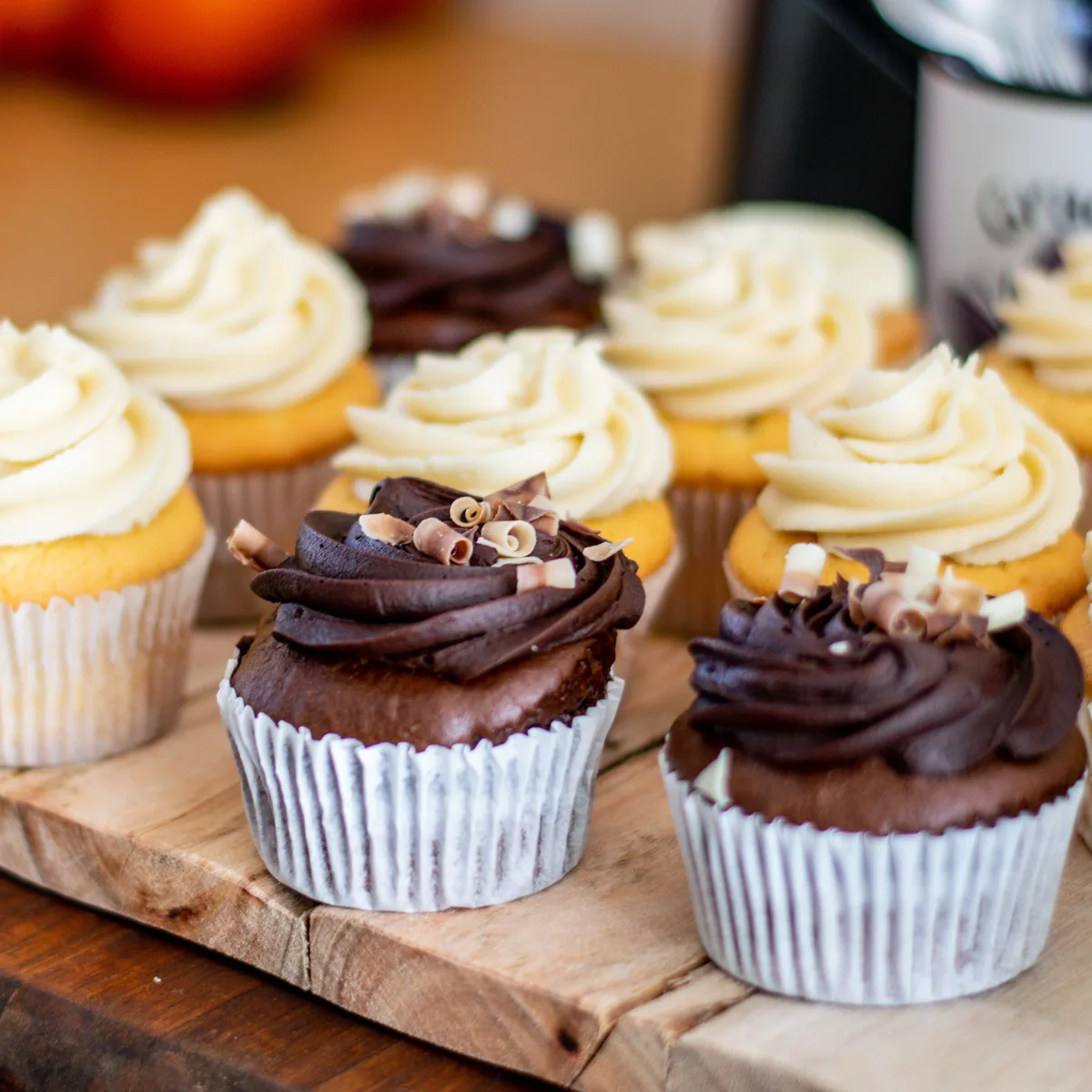
Vanilla cupcakes are small vanilla cakes, and because there is no cocoa or fruit to hide behind, they show every choice: a light, tender, fluffy crumb comes from proper creaming and gentle mixing, and an even dome comes from filling the liners right. This version pairs them with a simple vanilla buttercream and is calculated from USDA FoodData Central so the number under each cupcake is real. The sweetness is real sugar, never a substitute, which carries the structure of the crumb and the body of the frosting.
Ingredients
Method
- Heat the oven to 350F and line a muffin tin with 12 paper liners.
- Whisk the flour, baking powder and salt together.
- Cream the half cup of softened butter and the sugar until pale and fluffy, about three minutes.
- Beat in the room-temperature eggs one at a time, then the vanilla.
- Add the flour mixture and the milk alternately, beginning and ending with the flour, mixing just until combined.
- Fill the liners about two-thirds full and bake for 16 to 20 minutes, until a skewer comes out clean, then cool completely.
- For the frosting, beat the half cup of softened butter smooth, then beat in the powdered sugar and vanilla until light and fluffy, and pipe or spread onto the cooled cupcakes.
The Light, Fluffy Crumb
The crumb comes from the creaming method: beat the softened butter and sugar for a full three minutes until pale and fluffy, which traps the air that lifts the cupcakes, then add the eggs one at a time. Once the flour goes in, the goal is gentle, because over-mixing builds gluten and turns a tender cupcake tough and peaked. Adding the flour and milk alternately keeps the batter smooth without over-working it, and room-temperature eggs and milk emulsify into a batter that holds its air.
Filling the Liners for an Even Dome
Fill each liner about two-thirds full. Underfilled, they bake flat; overfilled, they spill over the top into a flat, spread crown. A scoop keeps every cup the same so they bake evenly and dome gently. A moderate, accurate oven gives the steady rise that domes rather than peaking.
The Vanilla Buttercream
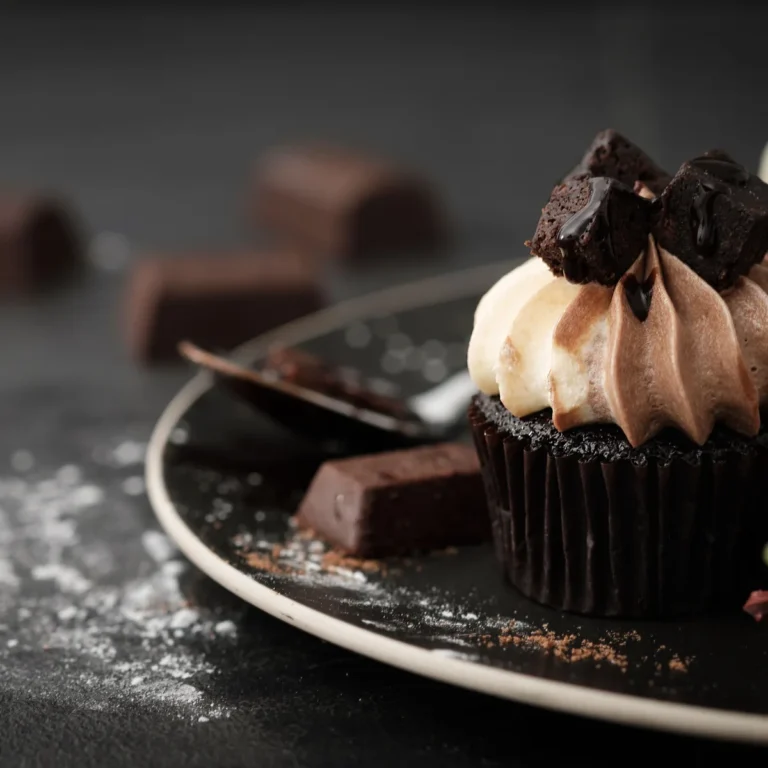
A simple American buttercream tops these: softened butter beaten smooth, then powdered sugar and vanilla beaten in until light. Use powdered sugar, not granulated, or the frosting is gritty, and add a splash of milk if it is too stiff to pipe. Frost only fully cooled cupcakes, because any warmth melts the buttercream and makes it slide. The full range of frostings is in the frosting recipes guide.
Variations
The vanilla base takes colour and flavour easily: fold in sprinkles for funfetti, add citrus zest, or top with a different frosting. Core the centre and pipe in jam, curd or more frosting for a filled cupcake. The cake and frosting methods do not change.
Common Problems
The usual faults are quick to place. Dense, heavy cupcakes were under-creamed or over-mixed, so cream the butter and sugar well and fold the flour in gently. A domed peak instead of a gentle round means the oven was too hot. A sunken middle is underbaking, too much raising agent, or opening the oven door too early. Liners that peel away from the cake were wrapped while still warm and steamed, so cool them fully before storing, and a greasy liner points to too much fat or an over-greased tin.
Make Ahead and Transport
Cupcakes are easy to get ahead. Bake them unfrosted up to a day before and keep them airtight, or freeze them unfrosted for weeks and thaw before frosting, frosting on the day for the freshest look. To carry frosted cupcakes without smudging the swirls, chill them briefly so the buttercream firms, then transport them in a tall container or a purpose-made cupcake carrier. Buttercream holds at room temperature, so they travel well once set, which makes them a reliable birthday and party bake.
Cake or Cupcakes
The same batter bakes as a single small round or square cake, which takes longer than cupcakes, so test with a skewer, and doubling the recipe fills two round tins for a layer cake. The method does not change with the shape, only the time.
Storage
Unfrosted cupcakes keep a couple of days airtight and freeze well, so bake ahead and frost on the day. Frosted with buttercream they hold at room temperature for a day or two, covered; bring refrigerated ones back to room temperature before serving so the crumb softens. A batch of a dozen suits a small gathering, and the recipe doubles cleanly for a crowd.
FAQ
Why are my vanilla cupcakes dense? The butter and sugar were under-creamed, or the batter was over-mixed once the flour went in. Cream for a full three minutes until pale and fluffy, and fold the flour in gently just until combined.
Why did my cupcakes peak instead of doming? The oven was too hot or the batter over-mixed. Use a moderate, accurate oven and mix the flour in just until combined, and the tops dome gently rather than peaking.
How full should I fill the liners? About two-thirds full, so they dome without spilling over. A scoop keeps them even so they all bake at the same rate.
Why is my buttercream gritty? You used granulated rather than powdered sugar, which does not dissolve into the butter. Use powdered sugar and beat the butter smooth first.
Can I make these as a cake? Yes, the same batter bakes as a small round cake; it will take longer, so test with a skewer. It is a straightforward vanilla cake at any size, and a sheet cake baked in a square tin and frosted in the pan is the easiest version for a crowd.
Can I use a sugar substitute? This recipe does not, because sugar provides structure and moisture in the cake and body in the frosting, which substitutes cannot do. It uses real sugar, counted honestly from USDA data.
Where to Go Next
For every cake method see the cake recipes guide, for cupcake-specific technique the cupcake recipes guide, and for the topping the frosting recipes guide.
Written by Frank Thomson, Skillet & Spoon editorial. Every nutrition figure on this site is calculated ingredient by ingredient from the USDA FoodData Central database, never estimated and never rounded to look better. We do not publish net-carb figures or use non-nutritive sweeteners. How we develop and source recipes is set out in our editorial policy.