Cake Recipes: How to Get a Light, Tender Crumb
Cake recipes mostly succeed or fail on texture, and texture comes from three things done right: trapping air, keeping gluten low, and matching the leavening to the batter. A cake that bakes dense, tight or rubbery is almost always one of those three pulled the wrong way, not a bad recipe. This page groups the cakes on this site by type and explains the method behind a light, tender crumb, so you can tell before it goes in the oven whether a cake will rise well. Every number here comes from USDA FoodData Central, and the sweetness is real sugar, counted honestly, never a substitute.
What Makes a Cake Light
Air comes first. Creaming softened butter with sugar beats air into the fat, and the sharp sugar crystals cut pockets that expand in the oven, which is the foundation of a light crumb in a butter cake. Skip or rush this and the cake starts heavy.
Gluten stays low. Flour forms gluten when wet and worked, and gluten makes cake tough and tunnelled, so the flour goes in last and is folded just until it disappears. Cake flour, with less protein, stays more tender than all-purpose.
Leavening has to match. Too much baking powder or soda and the cake rises fast then collapses into a dip; too little and it bakes tight. Measure it exactly, and remember soda needs an acid in the batter to work while powder does not.
Two more points save cakes. Room-temperature eggs and butter emulsify into a smooth batter that holds its air, while cold ingredients can break it. And a cake must cool before frosting, because a warm cake melts frosting straight off the top.
Chocolate Cake
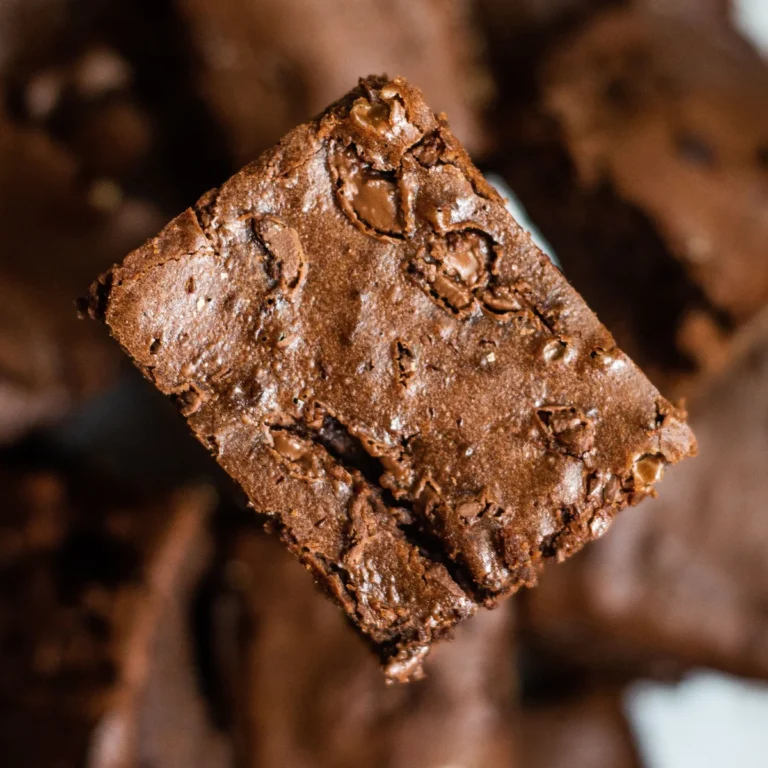
Chocolate cakes often use cocoa, which is acidic, so many pair it with baking soda for lift and a deeper colour. The richest versions add hot liquid, coffee or water, to bloom the cocoa and thin the batter for a moist crumb. Do not overbake, because a chocolate cake dries out quickly once past done.
Vanilla and Butter Cakes
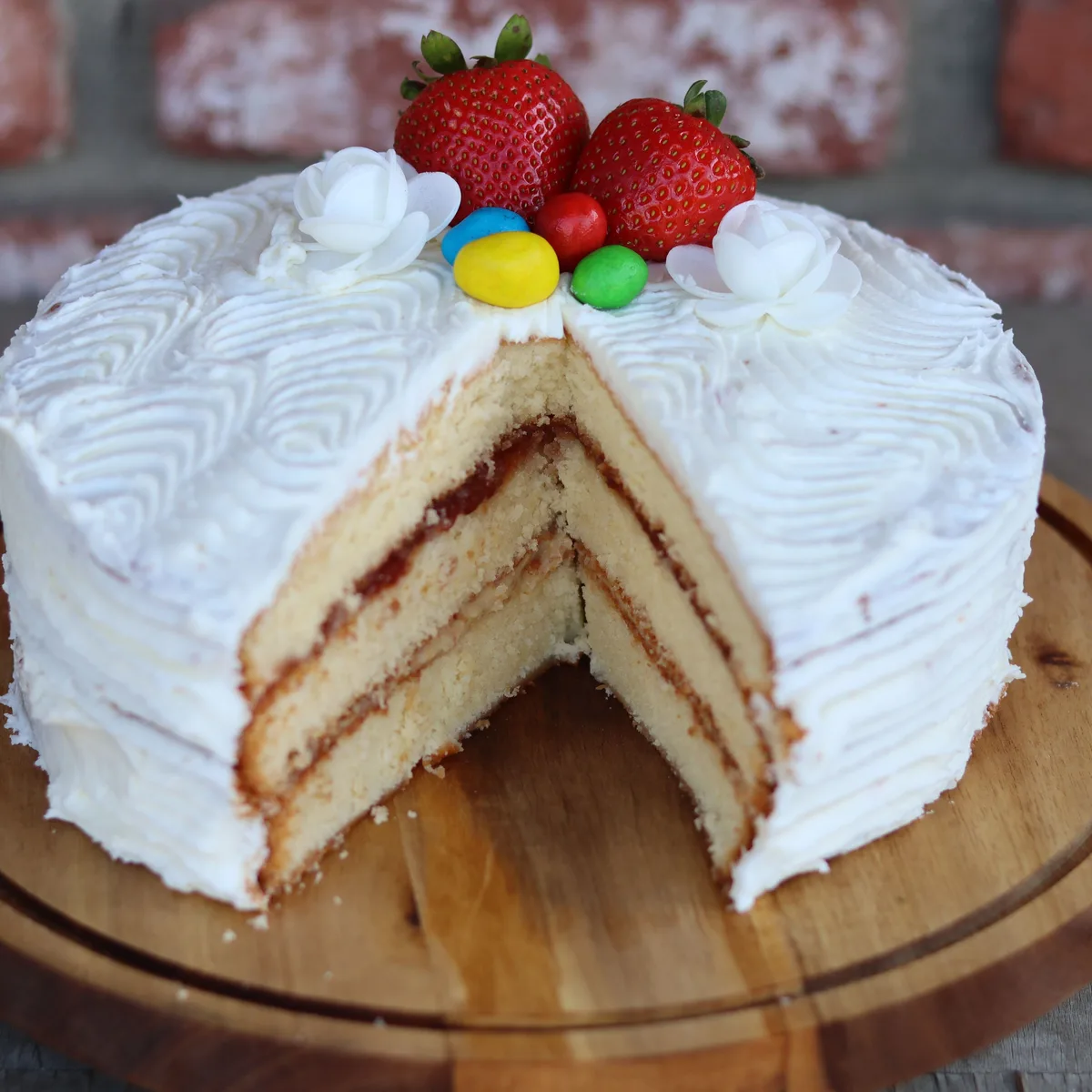
The plain butter cake is where the creaming method matters most, since there is no cocoa or fruit to hide a heavy crumb. Cream thoroughly, add eggs one at a time so the batter does not break, and alternate the flour with the milk to keep the mix smooth without over-working it.
Carrot, Banana and Oil Cakes
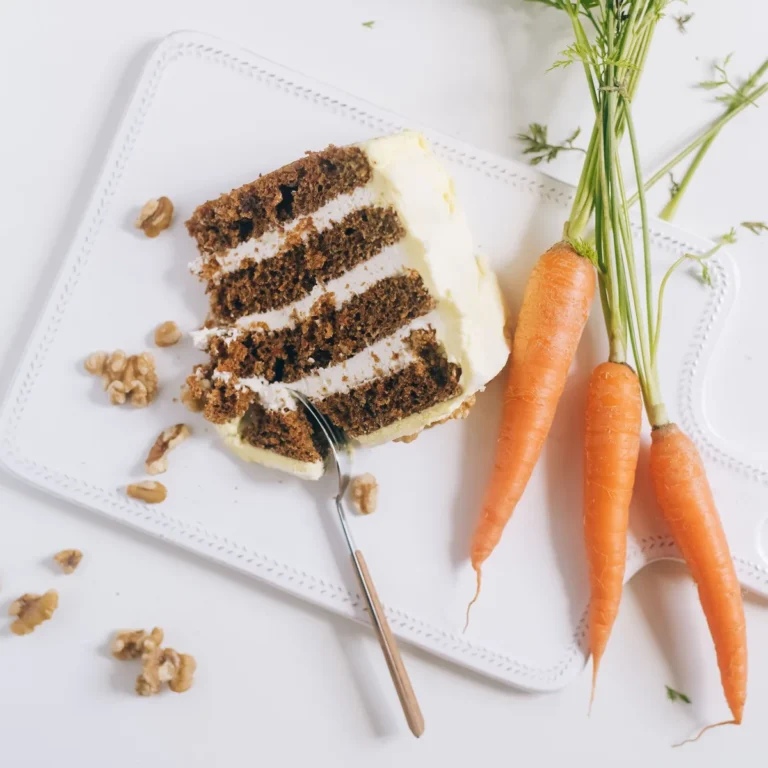
Cakes built on oil rather than creamed butter, such as carrot and banana, are moist and forgiving because the oil stays liquid at room temperature and the fruit or vegetable adds moisture. They need no creaming, so they are mixed quickly, and the rule is simply not to over-stir once the flour is in. A related oat-and-carrot bake is on the site as carrot cake baked oatmeal.
Pound and Bundt Cakes
Pound cakes are dense by design, built on a high ratio of butter and eggs, so the method aims for a tight, even crumb rather than a fluffy one. The common failure is a cake that sticks in a bundt pan: grease every crevice and let the cake cool just long enough to pull from the sides before turning it out, because too long and the sugars glue it in place.
Soaked and Layered Cakes
Some cakes are built to absorb liquid after baking, which is a different goal from a fluffy crumb. The tres leches cake is baked as a sturdy sponge precisely so it can soak up a milk mixture without collapsing. Layer cakes need a fully cooled, level crumb to stack, and a thin first coat of frosting locks in crumbs before the final coat.
Measuring and Preparing the Pans
Cake batters are more sensitive to flour than cookie doughs, so the same rule bites harder: spoon and level the flour or weigh it, because a packed cup bakes a dry, heavy cake. Prepare the pans before the batter is mixed, since a creamed batter should go into the oven promptly before its air starts to deflate. Grease the pan and line the base with parchment for a clean release, and for a bundt pan grease every crevice and dust it with flour or cocoa so the detailed shape does not stick.
How to Tell a Cake Is Done
Three signs together say a cake is baked: a skewer in the centre comes out with a few moist crumbs rather than wet batter, the top springs back when pressed lightly, and the edges have just begun to pull away from the pan. Pull it at that point rather than waiting for a bone-dry skewer, because a cake keeps cooking from its own heat for a few minutes out of the oven, and an extra five minutes inside is what dries the crumb.
Cooling, Filling and Frosting
Let the cake cool in the pan only briefly, then turn it onto a rack, because left to cool fully in the pan it can steam and go damp. Frost only once it is completely cold, since any warmth melts frosting and makes it slide. For a clean finish, level the domed top, spread a thin first coat of frosting to trap the crumbs, chill it briefly to firm, then apply the final coat over the set crumb layer. A filling between layers wants a piped rim of frosting around the edge to hold it in. To store a cut cake, press plastic against the exposed crumb so it does not dry out.
A Note on Sugar
Sugar in a cake is structure as well as sweetness: creamed with butter it is half the aeration, and it holds moisture for a tender crumb. This site uses real sugar, counted truthfully from USDA data, and never non-nutritive sweeteners, which cannot do that work. For carb-counted cakes built on the same method, see diabetic cake recipes.
Common Cake Problems
Most cake disappointments trace to a few causes. A domed, cracked top means the oven ran too hot and set the edges before the middle, so lower the temperature next time. A dense, gummy streak near the base is underbaking or a batter that never emulsified, often from cold ingredients. A cake that overflowed the pan was overfilled, since a tin should be about two-thirds full to leave room for the rise. A dry cake is usually overbaked or heavy on flour, so weigh the flour and pull the cake as soon as a skewer shows moist crumbs. And a cake that stuck was under-prepared, so grease and line the base, and for a bundt get into every crevice. Fixing the one real cause at a time is faster and more telling than changing everything about the recipe at once.
FAQ
Why is my cake dense and heavy? Usually the butter and sugar were not creamed enough to trap air, the batter was over-mixed so gluten built up, or the leavening was short. Cream well, fold flour in just until combined, and measure the raising agent exactly.
Why did my cake sink in the middle? Too much leavening, which rises fast then collapses, or the cake was underbaked and fell as it cooled, or the oven door was opened too early. Measure the raising agent and check doneness with a skewer before removing it.
Why is my cake tough or rubbery? Over-mixing built gluten. Fold the flour in just until it disappears, and consider cake flour, which has less protein and stays tender.
Should ingredients be at room temperature? Yes for butter-cake batters. Room-temperature eggs and butter emulsify smoothly and hold their air, while cold ones can break the batter and cost you rise.
Can I use a sugar substitute in cake? This site does not, because sugar provides structure and moisture in a cake, not just sweetness, and substitutes do not. We use real sugar and count it honestly.
Where to Go Next
Start with the dessert recipes guide for the baking behind every cake, and the carb-counted diabetic cake recipes. For a soaked sponge see tres leches cake, and for other bakes see cookie recipes and cheesecake recipes. For moist, from-scratch single recipes with nutrition per slice, see chocolate cake, pound cake and carrot cake. For a moist citrus cake finished with a pourable glaze, see lemon cake.
Written by Frank Thomson, Skillet & Spoon editorial. Every nutrition figure on this site is calculated ingredient by ingredient from the USDA FoodData Central database, never estimated and never rounded to look better. We do not publish net-carb figures or use non-nutritive sweeteners. How we develop and source recipes is set out in our editorial policy.