Pie Recipes: Flaky Crust, Set Fillings, No Soggy Bottom
Pie recipes are really two problems that meet in one dish: a crust that should be flaky and a filling that should set, each with its own rules. The crust fails when the fat gets warm; the filling fails when it is too wet or too hot. Keep the fat cold and handle the dough little, then match the filling method to what is going in, and a pie stops being intimidating. This page groups the pies on this site by type and explains both halves. Every number here is from USDA FoodData Central, and the sweetness is real sugar, counted honestly, never a substitute.
The Flaky Crust
Flakiness is cold fat in flat pieces. Cut cold butter into the flour so it stays as small flakes, and in the oven those flakes steam and push the dough into layers, which is the flaky texture. Let the butter warm and it blends into the flour instead, baking short and crumbly rather than layered. Handle the dough as little as possible, because working it builds gluten and toughens the crust, and add only enough cold water to just bring it together. Chill the shaped crust before baking so the fat is cold going in and the crust holds its edge instead of slumping.
Stopping a Soggy Bottom
A wet filling on raw dough steams the base and leaves it pale and soft. The fix is blind baking: bake the empty crust first, weighted with beans or pie weights so it does not puff or slump, until the base is set and lightly coloured, then add the filling. For custard pies, brushing the par-baked crust with a little egg white seals it against the wet filling.
Fruit Pies
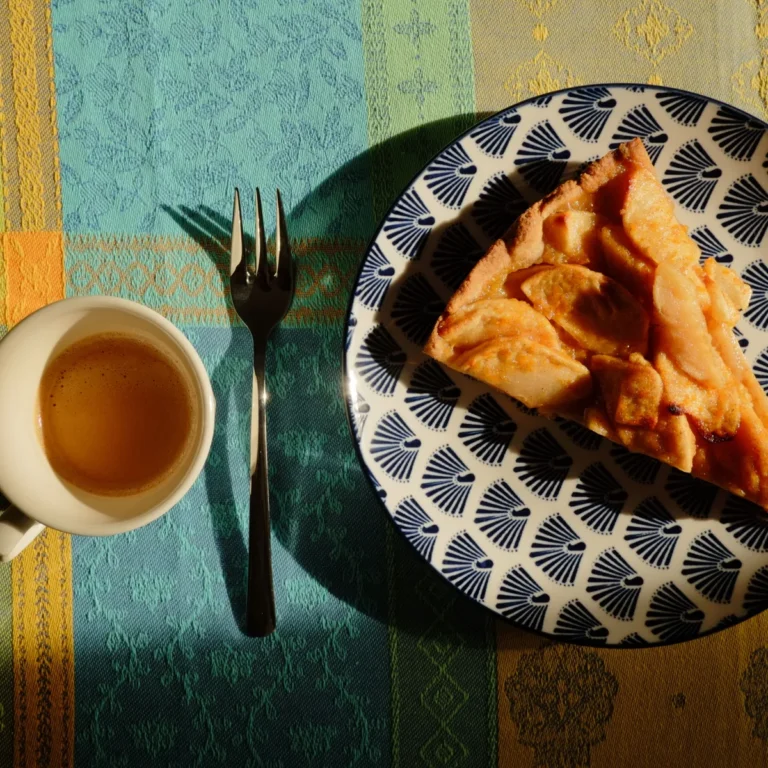
Fruit gives off a lot of liquid as it bakes, so fruit pies need a thickener, usually cornstarch or flour, to turn that juice into a sliceable filling rather than a flood. Cornstarch thickens as it reaches a boil, so a fruit pie has to bake until the filling bubbles in the centre, not just at the edges, or the starch never fully sets. Apple, berry and stone-fruit pies all follow this, adjusting the thickener to how juicy the fruit is.
Custard and Cream Pies
Custard pies, such as pumpkin and pecan, set with eggs, so they follow custard rules: bake until the centre is just set with a slight wobble, because the eggs tighten and weep if overbaked. Cream pies are cooked on the stove as a starch-and-egg custard, poured into a baked crust and chilled to set, so the crust is fully baked first since it gets no further oven time.
No-Bake and Crumb-Crust Pies
Some pies skip pastry for a crumb crust bound with butter, and skip the oven for a filling set by chilling or gelatin. The crust rule is the butter ratio, enough to hold the crumbs without going greasy, and the filling rule is to give it full chilling time so it slices cleanly.
Rolling and Transferring the Dough
Roll chilled dough on a lightly floured surface from the centre outward, turning it a quarter turn between rolls so it stays round and even, and stop before it gets thin enough to tear. To move it without stretching, roll it loosely around the rolling pin and unroll it over the pan, or fold it in quarters, lift it, and unfold it in place. Ease it down into the corners rather than stretching it to fit, because dough stretched into the pan shrinks back as it bakes. Patch any tears with a scrap pressed on with a dab of water, and nothing shows once it is baked.
Top Crusts, Lattices and Vents
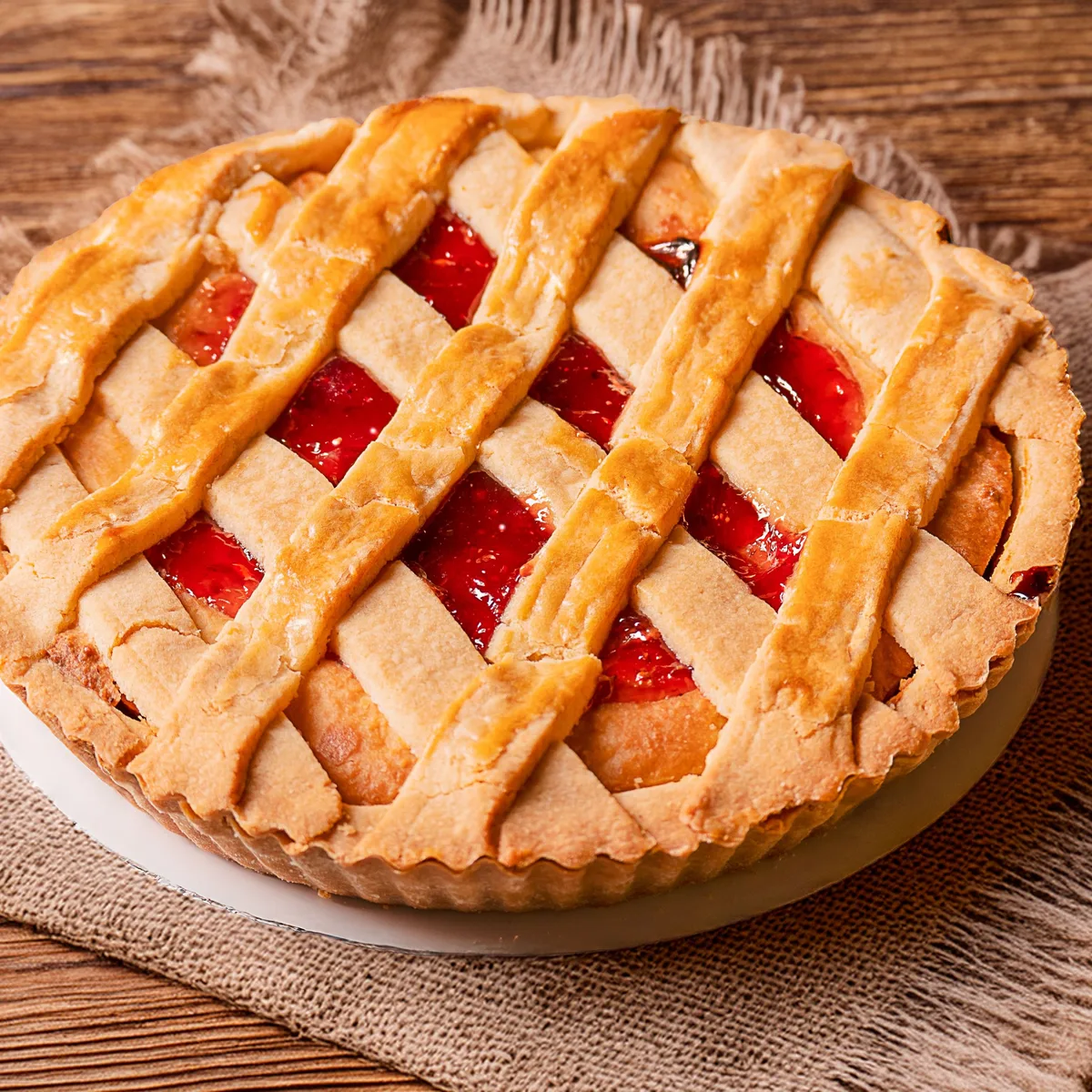
A solid top crust needs vents cut into it so steam can escape, or the filling boils up and splits the seams. A lattice vents itself through its gaps and looks the part with little extra skill, since the strips are simply woven over and under. Brush the top with beaten egg for a glossy, deep-brown finish, or with milk for a softer colour, and a sprinkle of sugar adds sparkle and crunch.
Stopping the Edge Burning
The fluted rim of a pie browns faster than the centre and can scorch before the filling is done. Once the edge has coloured, cover just the rim with a ring of foil or a pie shield and let the rest catch up. This matters most for fruit pies, which need a long bake to set the filling.
Storing Pies, and a Word on Store-Bought Crust
Fruit pies keep a day at room temperature, loosely covered, then go to the fridge. Custard and cream pies, and anything with eggs or dairy, go straight to the fridge and keep only a few days. Most baked fruit pies freeze well, and an unbaked fruit pie can be frozen and baked from frozen with extra time. A good chilled store-bought crust is a fair shortcut on a busy day, and it behaves best kept cold right up until it goes in the oven, the same as a homemade one.
A Note on Sugar
Sugar in a pie sweetens the filling and, in fruit pies, draws juice from the fruit and helps the filling set into a glossy, sliceable texture. This site uses real sugar, counted truthfully from USDA data, and never non-nutritive sweeteners, which do not perform that role. For the baking behind crusts and custards, see the dessert recipes guide.
Choosing the Fat: Butter, Shortening or Both
The fat in a crust is a trade-off. All butter gives the best flavour and a good flake, but butter has water and a low melting point, so an all-butter crust is less forgiving of warm hands. Shortening has no water and a higher melting point, so it is easier to handle and very tender, but it tastes of little. Many bakers use a mix, mostly butter for flavour with some shortening for workability, which is a fair middle ground, and lard where it suits the pie makes an exceptionally flaky crust. Whichever fat you choose, the rule does not change: keep it cold, because cold fat is what steams into flaky layers.
Weighing Down a Blind Bake
A crust blind-baked empty will puff on the base and slump down the sides, so it needs weight and support. Line the chilled crust with parchment or foil and fill it with ceramic pie weights or a bag of dried beans kept just for this, which hold the base flat and the sides up while it sets. Bake it weighted until the sides are set, then lift the weights out and bake a few minutes more to dry and colour the base.
FAQ
How do I get a flaky pie crust? Keep the butter cold and in flat pieces, add only enough cold water to bring the dough together, handle it as little as possible, and chill the shaped crust before baking. Cold fat steams into flaky layers; warm fat bakes crumbly.
How do I stop a soggy pie bottom? Blind bake the crust first, weighted so it holds its shape, until the base is set and lightly coloured, then add the filling. For custard fillings, seal the par-baked crust with a brush of egg white.
Why is my fruit pie runny? Either it needed more thickener or it did not bake long enough. Cornstarch only sets once the filling reaches a boil, so bake until it bubbles in the centre, not just at the edges.
Why did my custard pie crack or weep? It was overbaked. Egg-set fillings tighten and release water past done, so pull the pie while the centre still has a slight wobble and let it finish setting as it cools.
Can I make pie with a sugar substitute? This site does not, because sugar helps fruit fillings set and draws out juice, not just sweetens. We use real sugar and count it honestly.
Where to Go Next
Start with the dessert recipes guide for the crust and custard science behind every pie. For related bakes see cheesecake recipes, cake recipes and no-bake desserts. For worked single recipes, see apple pie and the holiday custard classic, pumpkin pie. For a tart custard set by the reaction between lime juice and condensed milk, see key lime pie.
Written by Frank Thomson, Skillet & Spoon editorial. Every nutrition figure on this site is calculated ingredient by ingredient from the USDA FoodData Central database, never estimated and never rounded to look better. We do not publish net-carb figures or use non-nutritive sweeteners. How we develop and source recipes is set out in our editorial policy.