Oatmeal Cookies, Soft and Chewy
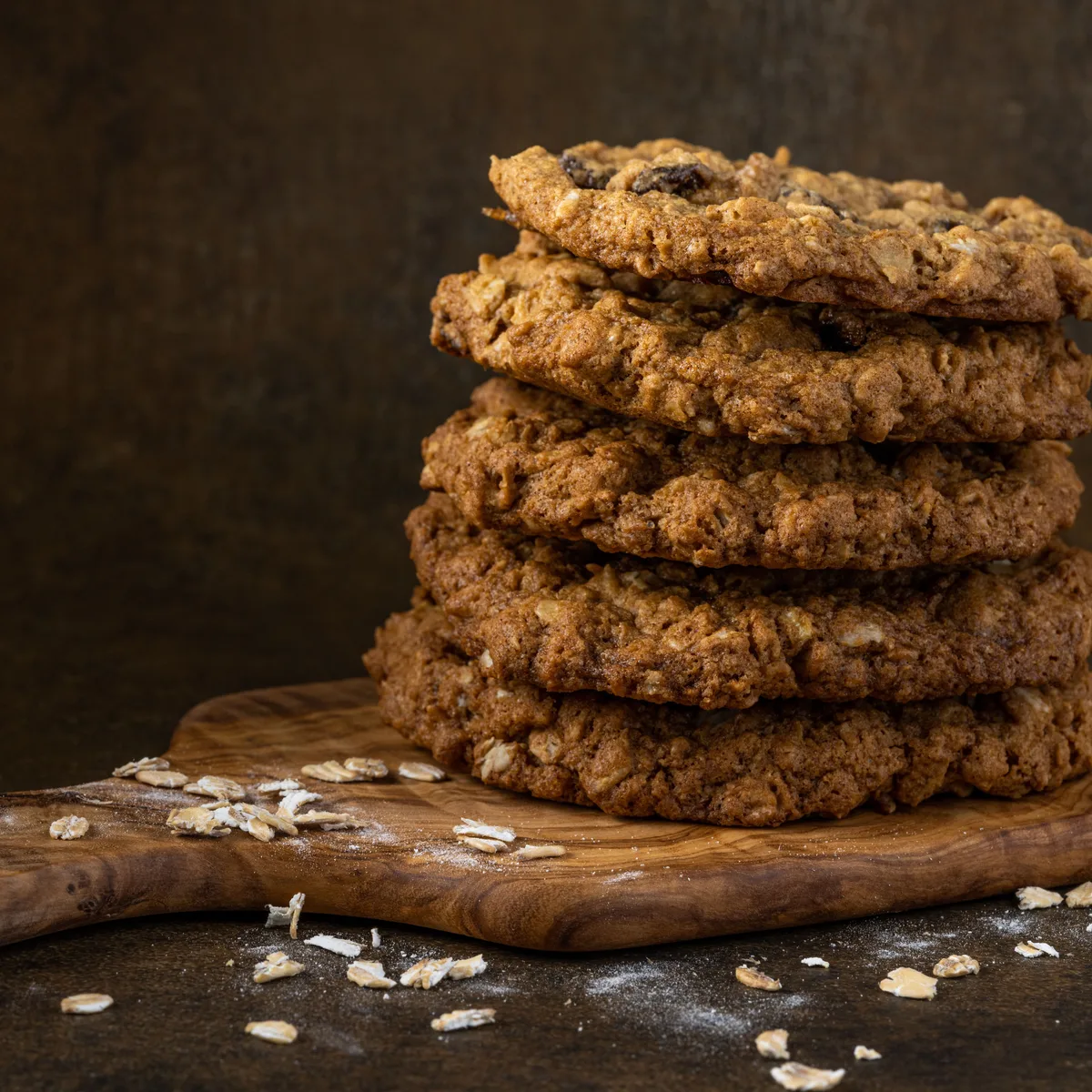
Oatmeal cookies are hearty, chewy and forgiving, and the oats do most of the work: they add chew and soak up moisture, which gives the cookie its substantial, satisfying texture. The gap between a soft, chewy oatmeal cookie and a dry, flat one is the usual cookie handling, brown sugar, a cold dough and a careful bake, plus using the right oats. This version is calculated from USDA FoodData Central so the number under each cookie is real, and the sweetness is real sugar and the raisins’ own, never a substitute.
Ingredients
Method
- Beat the softened butter with both sugars until light and fluffy.
- Beat in the eggs and vanilla until smooth.
- Whisk the flour, baking soda, cinnamon and salt together, then mix into the wet ingredients just until combined.
- Stir in the rolled oats and raisins.
- Chill the dough for about half an hour so the cookies hold their shape and bake thick.
- Scoop rounded portions onto parchment-lined trays, spaced apart, and bake at 350F for 10 to 12 minutes, until the edges are set but the centres still look soft.
- Let the cookies sit on the hot tray for five minutes, then move them to a rack.
Why These Stay Soft and Chewy
Oats absorb moisture as they sit and bake, so an oatmeal dough firms up on resting, which is one reason chilling helps. Leaning on brown sugar over white keeps the cookies soft and chewy, because its moisture and faint acidity favour chew, and a cold dough spreads less so the cookies bake thick rather than thin and crisp. As with any cookie, pull them while the centres still look soft, since they finish cooking on the hot tray and set as they cool; baked until firm all over, an oatmeal cookie turns dry and hard.
Use the Right Oats
Rolled oats, the old-fashioned flat kind, are what give these cookies their chew and structure. Quick oats, which are chopped smaller, make a softer, more uniform cookie with less texture, and they can bake up a little dry because they absorb more moisture. Steel-cut oats do not work here at all, because they stay hard and do not soften in the short bake. Rolled oats are the one to reach for.
Raisins, Chocolate or Neither
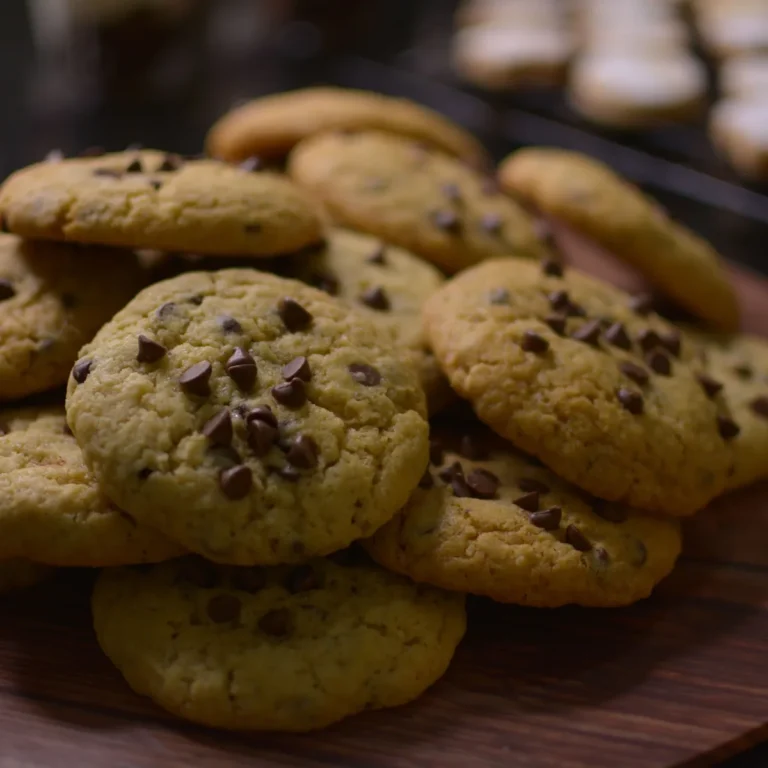
The classic is oatmeal raisin, and plumping the raisins in a little warm water first keeps them from drying out in the oven. Swap the raisins for chocolate chips for oatmeal chocolate chip cookies, or use dried cranberries, chopped nuts or a mix. The dough itself does not change, so it is a reliable base for whatever you fold in.
Common Problems
Flat and thin: the butter was too warm or the dough was not chilled, so chill it and bake on a cool tray. Dry and crumbly: overbaked, or too much flour from a packed cup, so pull them while the centres look soft and spoon and level the flour. Too cakey: too much flour or egg, or over-mixing; stir just until combined once the flour is in.
Measuring and Even Baking
Measure the flour by spooning it into the cup and levelling rather than scooping, because a packed cup bakes a drier, cakier cookie, and oatmeal doughs are already on the drier side from the oats. Bake one tray at a time on the middle rack and rotate it halfway for even colour, line the tray with parchment rather than greasing it, and start each batch on a cool tray so the butter does not melt before the cookie sets. For bigger, bakery-style oatmeal cookies, scoop larger portions and add a couple of minutes to the bake, watching for set edges and soft centres; for thinner, crisper ones, skip the chill and press the dough down a little before baking.
Oatmeal Cookie Variations
The dough is a reliable base for additions. A little nutmeg or a pinch of cloves alongside the cinnamon deepens the spice, shredded coconut or chopped nuts add texture, and white chocolate chips are a popular twist. Two cookies sandwiched with a spoon of buttercream make an oatmeal cream pie. Fold any add-in in at the end, keeping the total modest so the cookies still hold together.
Storage
Keep the cookies airtight at room temperature, where they stay soft for several days, and a slice of bread in the container keeps them softer still. The dough freezes well scooped into balls, so bake from frozen with an extra minute or two for fresh cookies whenever you want them. They also pack and travel well, holding up better than a thin, crisp cookie.
FAQ
Why are my oatmeal cookies dry? They were overbaked or heavy on flour. Pull them while the centres still look soft, since they set on the hot tray as they cool, and measure the flour by spooning and levelling rather than scooping.
Can I use quick oats instead of rolled oats? You can, but the texture changes: quick oats make a softer, more uniform cookie with less chew and can bake a little drier. Rolled oats give the classic hearty, chewy texture, and steel-cut oats do not work here.
How do I make oatmeal cookies chewier? Lean on brown sugar, chill the dough, and underbake slightly so the centres stay soft. Rolled oats also add more chew than quick oats.
Should I soak the raisins? Plumping the raisins in a little warm water first keeps them from drying out in the oven and makes them softer in the cookie. Drain them before adding.
Can I make them without raisins? Yes. Swap in chocolate chips, dried cranberries, chopped nuts or a mix. The dough is the same, so it takes any fold-in.
Can I use a sugar substitute? This recipe does not, because sugar helps the cookies spread and keeps them soft, which substitutes cannot do. It uses real sugar, counted honestly from USDA data.
Where to Go Next
For every cookie texture and type, see the cookie recipes guide, and for the baking behind every sweet, the dessert recipes guide. For another worked single, see chocolate chip cookies.
Written by Frank Thomson, Skillet & Spoon editorial. Every nutrition figure on this site is calculated ingredient by ingredient from the USDA FoodData Central database, never estimated and never rounded to look better. We do not publish net-carb figures or use non-nutritive sweeteners. How we develop and source recipes is set out in our editorial policy.