Muffin Recipes: Tall Domes and a Tender Crumb
Muffin recipes are among the quickest baking there is, and the two things people want from them, a tall dome and a tender crumb, both come from one rule: mix as little as possible. A muffin batter is combined by hand in under a minute, and the moment you beat it smooth you have already lost the tenderness. This page groups the muffins on this site by type and explains the muffin method and the trick for a high dome, so your muffins rise proud instead of flat. Every number here is from USDA FoodData Central, and the sweetness is real sugar, counted honestly, never a substitute.
The Muffin Method
Muffins use the muffin method: whisk the wet ingredients in one bowl, the dry in another, then fold the two together just until no dry flour remains. The batter should look lumpy, and that is correct. The reason is gluten: flour forms it when wet and stirred, and an over-mixed muffin batter builds enough gluten to bake up tough, peaked and riddled with long holes called tunnels. A few lumps left in the bowl bake out; a smooth, over-beaten batter does not recover.
The Tall Dome
A bakery dome comes from two things. First, fill the cups nearly full, because a muffin can only rise as high as it has batter to rise with. Second, start the bake hot: a high initial oven temperature sets the outside quickly and forces a fast rise into a dome before the crumb locks, and many recipes then drop the temperature to finish without burning. A flat muffin is usually underfilled cups or an oven that never got hot enough to spring the top.
Banana Muffins
Banana muffins are forgiving because the fruit keeps them moist and the riper the banana the sweeter and softer the crumb, since the starches have turned to sugar. Mash the bananas well so there are no dense streaks, and still fold the batter minimally once the flour goes in. Add chocolate or nuts without changing the method.
Blueberry Muffins
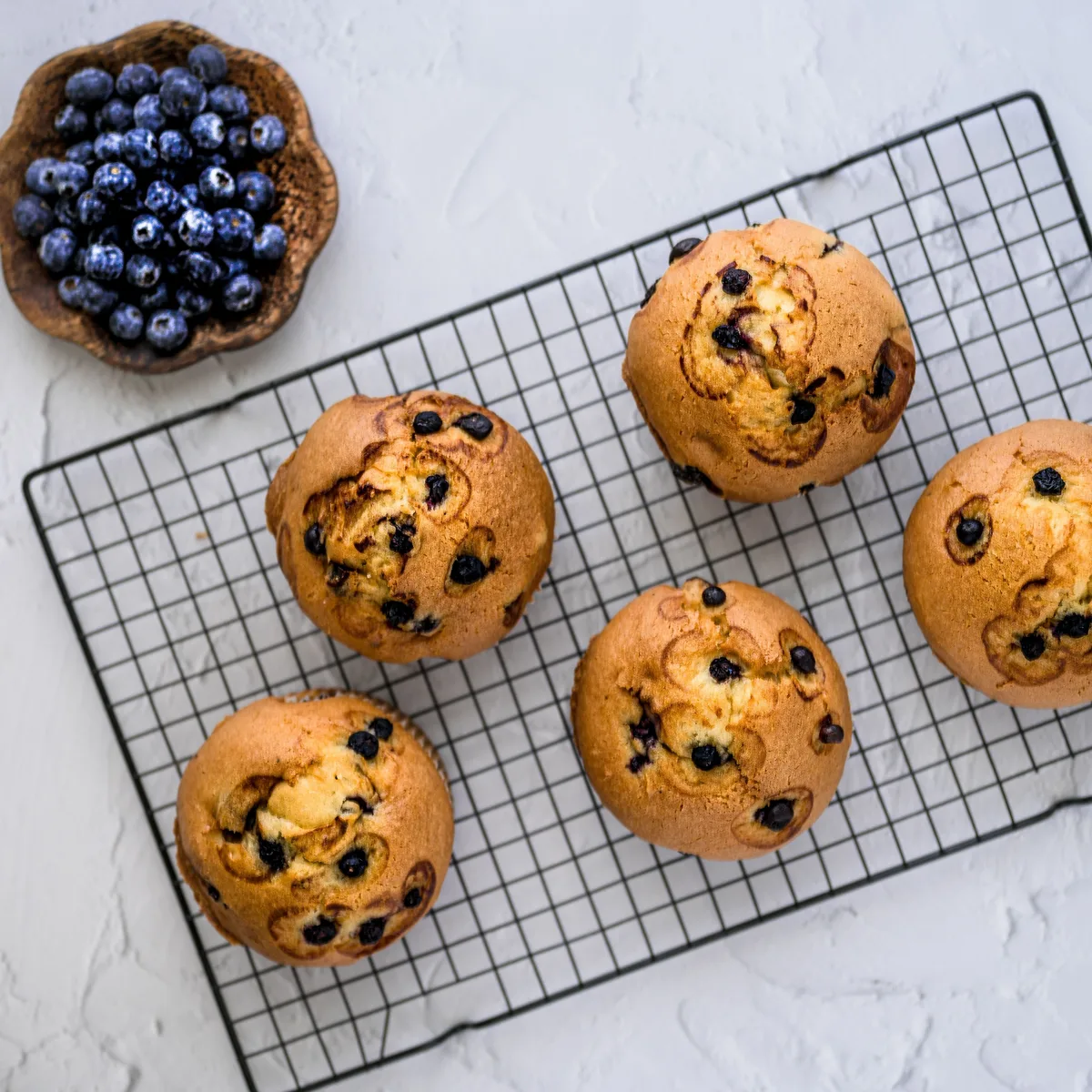
Blueberries sink in a thin batter and bleed colour when stirred, so toss them in a spoonful of the dry flour before folding them in, which helps them hold their place in the crumb. Fresh or frozen both work, but frozen berries are folded in straight from the freezer so they do not thaw and streak the batter blue.
Chocolate Chip and Bran Muffins
Chocolate chip muffins follow the plain method with chips folded in at the end. Bran and oat muffins behave a little differently, because the bran and oats absorb liquid, so the batter is often rested a few minutes to hydrate, which gives a softer, less gritty crumb. A related oat bake is on the site as carrot cake baked oatmeal.
Savoury Muffins
Savoury muffins, with cheese, corn or herbs, use the same method with the sugar cut right back. The mixing rule is unchanged: fold just until combined, because a cheese muffin over-stirred goes just as tough as a sweet one.
Lining and Filling the Tin
Paper liners make muffins easy to lift out and keep, but for the tallest dome and a crisp edge, greasing the tin directly lets the batter grip and climb the sides as it sets. Fill the cups with a scoop or two spoons so they are even, nearly to the top, and if any cups are left empty, add a splash of water to them so the pan heats evenly and the muffins beside them do not scorch. An ice-cream scoop gives evenly sized muffins that bake at the same rate.
Add-Ins Without Sinking
Heavy add-ins such as berries, chocolate chips and chunks of fruit sink through a thin batter to the bottom. Tossing them in a spoonful of the dry flour before folding them in gives them a grip on the crumb so they stay suspended, and folding them in last, after the batter is combined, keeps them from being crushed and streaking the mix. Frozen berries go in still frozen so they do not bleed their colour.
Storing and Freezing Muffins
Muffins are best the day they are baked, but they keep a couple of days airtight, and a paper towel in the box absorbs the steam that would otherwise make the tops gummy. They freeze very well: cool them fully, bag them, and reheat from frozen for a minute, which brings back much of the fresh texture. Savoury and fruit muffins both freeze the same way.
Turning a Muffin Batter into a Loaf
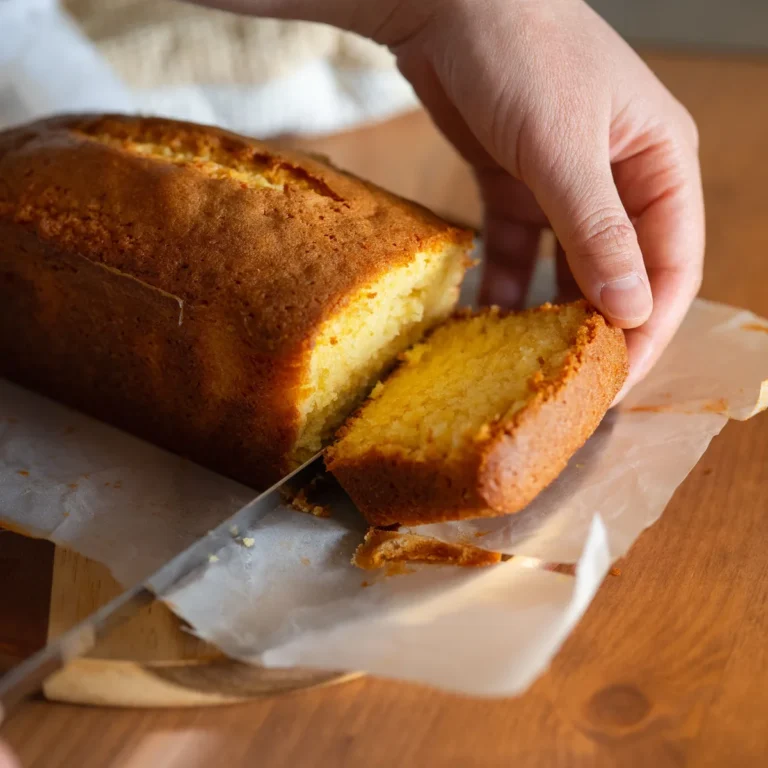
A muffin batter and a quick-bread loaf are the same thing at different sizes, so a banana or blueberry muffin recipe bakes as a loaf in a lined pan. The only change is time and temperature: a loaf bakes longer and usually a little cooler, since the larger mass needs the centre to cook through before the crust over-browns. Test it with a skewer in the middle, as with any cake.
Why Muffin Tops Go Gummy or Pale
A gummy top is usually trapped steam or an underbake, so cool muffins out of the tin on a rack rather than leaving them to sweat in the pan, and check they are fully baked with a skewer. A pale, flat top means the oven never got hot enough to spring the dome, so give it time to preheat fully and start the bake hot.
A Note on Sugar
Sugar in a muffin sweetens, browns the dome and holds moisture for a soft crumb. This site uses real sugar, counted truthfully from USDA data, and never non-nutritive sweeteners, which do not brown or hold moisture the same way. For the baking behind every quick bread, see the dessert recipes guide.
Standard, Jumbo and Mini Muffins
The same batter bakes at any size, and only the time changes. Mini muffins bake fastest and are done in well under half the time of a standard muffin, so watch them closely. Jumbo muffins need longer and a slightly lower temperature so the large centre cooks through before the big dome over-browns, and they hold their heat longer out of the tin. Whatever the size, the cups still want filling nearly full for a good dome, and the skewer test still decides doneness. Keep one size per tray, because a mixed tin of large and small cups bakes unevenly and some will dry out while others finish.
Streusel and Glaze Tops
Two simple finishes lift a plain muffin. A streusel, rubbed from butter, flour and sugar into coarse crumbs and scattered on before baking, adds a sweet, crunchy top. A glaze, of sugar whisked with a little liquid, goes on cooled muffins and sets to a thin, sweet shell. Both are optional, and both add sugar, which the numbers on the recipe account for honestly. A sprinkle of coarse sugar on the raw top is the simplest finish of all, adding a little crunch with no extra step.
FAQ
Why are my muffins tough with holes inside? The batter was over-mixed, which built gluten and created tunnels. Fold the wet and dry together just until no dry flour shows, and leave the batter lumpy.
How do I get tall muffin domes? Fill the cups nearly full and start the bake in a hot oven, which springs the top into a dome before the crumb sets. Many recipes then lower the temperature to finish.
How do I stop blueberries sinking? Toss them in a little of the dry flour before folding them in, which helps them grip the crumb instead of sliding to the bottom. Fold frozen berries in still frozen so they do not streak.
Why are my muffins dry? Usually over-baked or over-mixed. Check them a little early with a skewer, and mix the batter minimally so the crumb stays tender.
Can I use a sugar substitute in muffins? This site does not, because sugar browns the dome and holds moisture, not just sweetens. We use real sugar and count it honestly.
Where to Go Next
Start with the dessert recipes guide for the mixing science behind every muffin and quick bread. For other bakes see cake recipes and cookie recipes. For a one-bowl quick bread made the same way, see the banana bread recipe.
Written by Frank Thomson, Skillet & Spoon editorial. Every nutrition figure on this site is calculated ingredient by ingredient from the USDA FoodData Central database, never estimated and never rounded to look better. We do not publish net-carb figures or use non-nutritive sweeteners. How we develop and source recipes is set out in our editorial policy.