Mexican Lunch Ideas: 20 Midday Wins, Desk to Table
Mexican lunch ideas have to answer a harder question than dinner ever faces: will this still be good four hours from now, out of a bag, possibly cold, eaten in twelve minutes? The cuisine happens to be spectacular at this, because half its formats were invented for workers, markets and travel long before desk lunches existed.
This page sorts the answers by how your lunch actually happens: packed cold, reheated at work, assembled at home, or cooked fresh when you have the luxury of a real break.
Packed Cold, Eaten Cold
The torta. Mexico’s sandwich is engineered for transport: crusty roll, refried bean layer as moisture barrier, milanesa or leftover carnitas, avocado, pickled jalapenos. Wrapped tight, it improves by noon. The bean smear is structural, not optional.
Bean and corn salad jar. The lime-dressed salad from mexican salad recipes holds dressed for two days, which makes it the meal-prep champion of the whole silo.
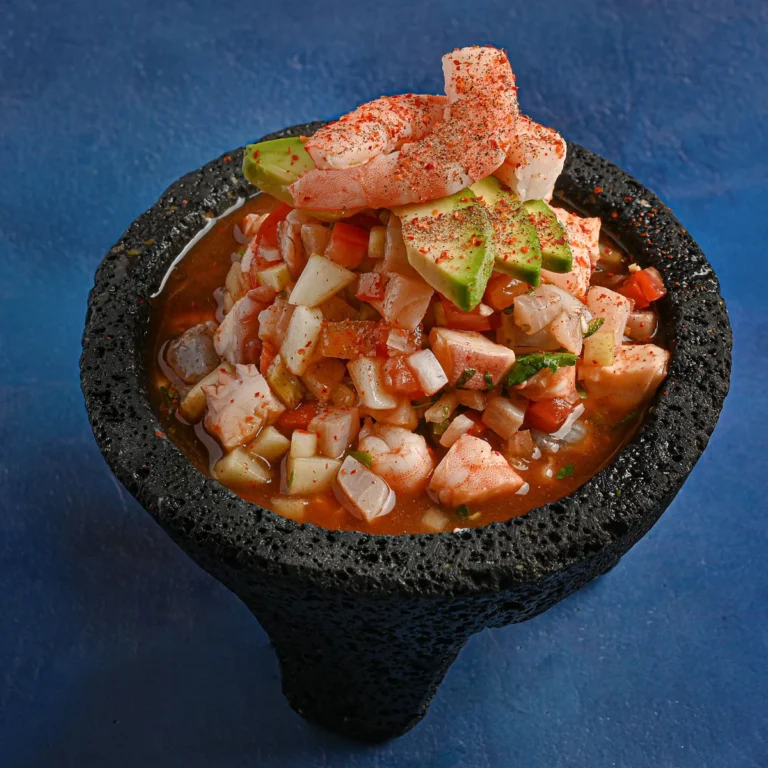
Cold shrimp coctel cup. Poached shrimp in tomato-lime with cucumber and avocado, packed over ice. Summer’s power lunch.
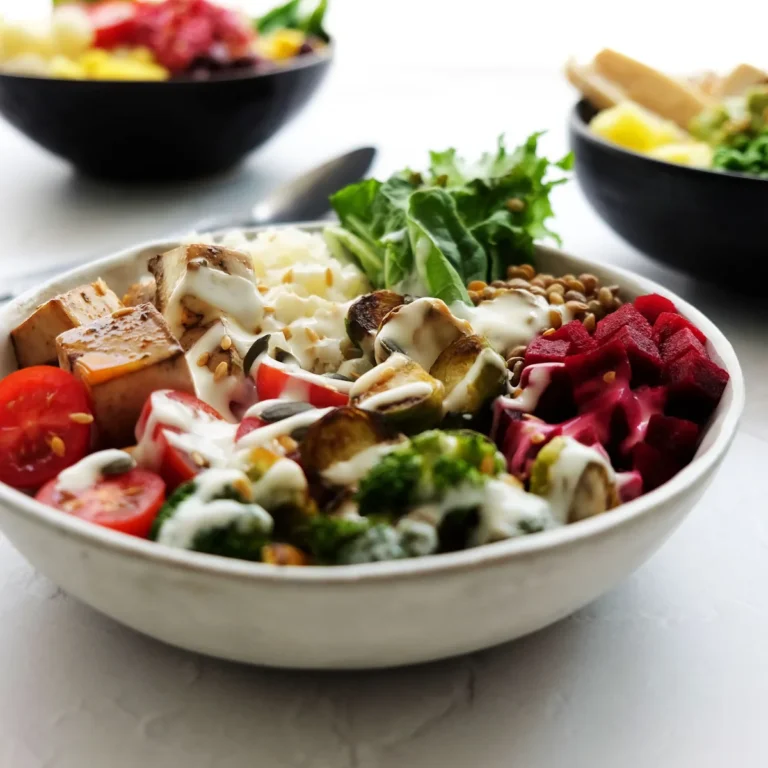
The quinoa bowl. Chipotle black beans, corn, pepitas, lime; honest about its untraditional roots and built specifically to be good cold.
Jicama, cucumber and fruit under chile-lime. The snack-plate lunch: crunchy, hydrating, and immune to every lunchbox hazard known.
Reheats That Respect the Microwave
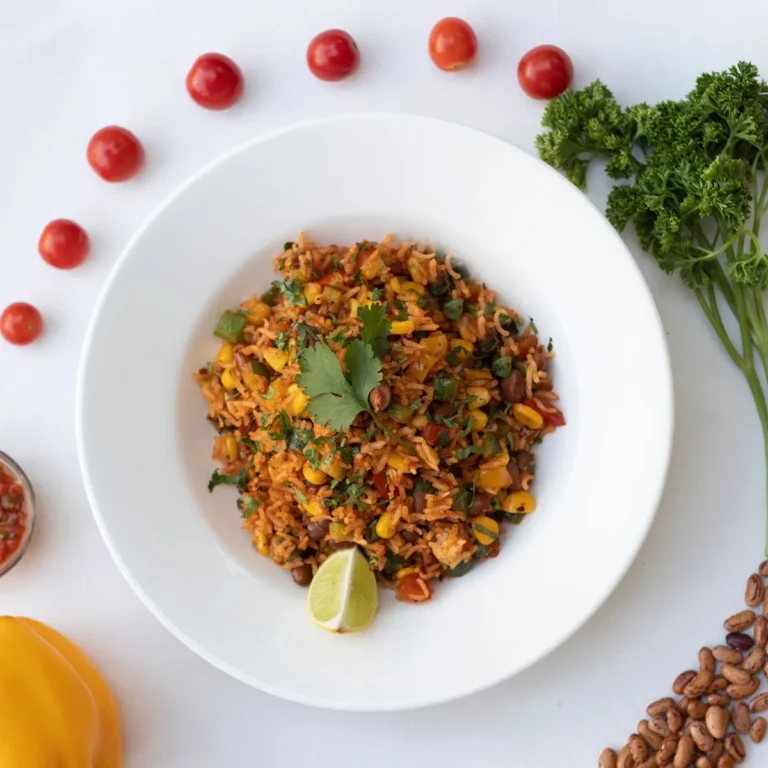
Some dishes reheat into sadness; these five were chosen because they do not. Beans and rice reheat covered with a splash of water and emerge better married than they left. Chicken tinga was built for its second heat; the sauce protects the meat. Picadillo is the meal-prep veteran of two continents. Enchilada casserole squares reheat at half power, covered, per the casserole doctrine. Soup in a thermos or jar, tortilla soup, black bean, fideo, barely counts as reheating; the garnish travels in a separate baggie and the desk lunch suddenly has standards.
The two rules that fix office reheating forever: half power with a cover beats full power always, and anything crisp travels separately, added after the heat. Strips, chips and slaws never enter a microwave.
Assembled at Home in Ten Minutes
Molletes. Beans and cheese on a toasted roll under the broiler, salsa over. The great Mexican lunch nobody outside the culture knows to envy.
Quesadilla plus leftover. The absorbing format: yesterday’s anything, folded and griddled.
Bean tostadas. Crisp, fast, and the toppings are the vegetable serving.
Migas. Torn tortillas crisped, eggs over, salsa over that. Brunch-lunch with a four minute build.
Sopa de fideo. The twenty-five minute soup; make it Sunday, jar it, thermos it.
The Long Lunch, When You Have One
Caldo de pollo. The market-stall standard: chicken soup crowded with vegetables, lime and tortillas beside. Weekend lunch as an act of self-respect.
Chilaquiles. The breakfast that aristocratically refuses to acknowledge clocks, per mexican breakfast recipes.
Grilled chicken salad with charred corn. The full dinner-salad from the salad page, promoted to a lunch worth sitting down for.
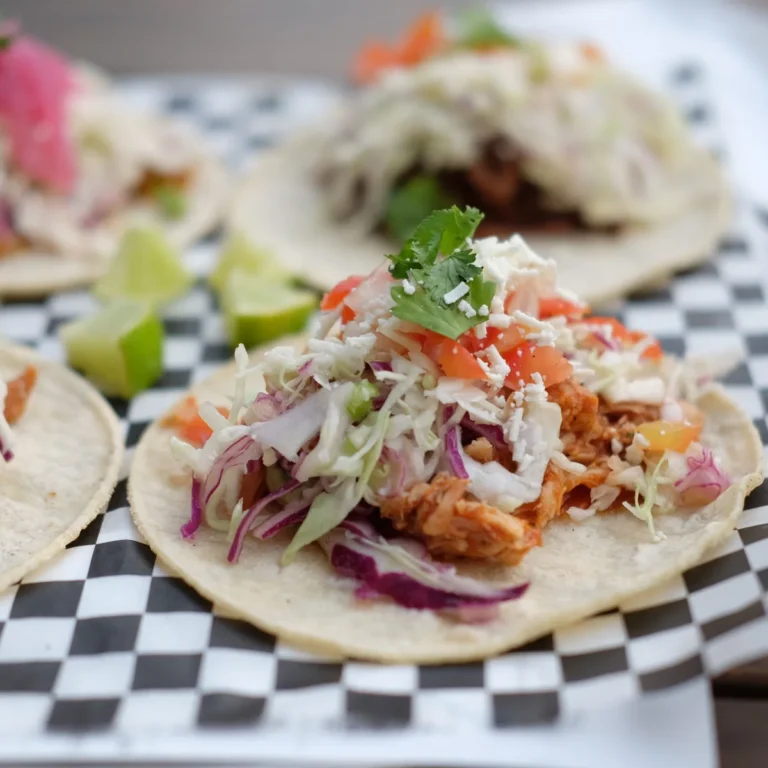
Tacos dorados with slaw. Crisped bean or chicken tacos, sharp cabbage, chipotle crema. Fifteen minutes, restaurant posture.
Torta ahogada, the brave version. Guadalajara’s drowned sandwich, submerged in chile broth. Weekend-only, napkin-intensive, unforgettable.
The Lunchbox Logistics That Decide Everything
Format determines survival more than recipe. Wet and dry always pack separately: dressing in a jar bottom with sturdy things layered above, greens on top, shaken at noon. Tortillas travel whole and dry, wrapped in foil, never pre-assembled into wraps that gum shut by ten. Crema, salsa and lime wedges ride in the small containers that seem excessive until the first desk taco built fresh from components converts you. Anything fried, flautas, taquitos, tostada shells, goes in paper, not plastic, so yesterday’s crisp does not steam itself soft. And the thermos, filled with boiling water for two minutes before the soup goes in, holds genuinely hot until one o’clock, which makes soup the most underrated desk lunch in the building.
The Sunday hour pays off here more than anywhere: the bean pot, a salsa jar, cooked rice and one shredded protein fund every assembled lunch above at a per-serving cost that makes the sandwich shop look like a hostage situation.
The Five-Day Lunch Plan From One Sunday Hour
Here is the concrete version of the Sunday promise, written as a plan rather than a principle. Sunday’s hour produces four things: a pot of black beans, a jar of charred salsa, three cups of cooked rice, and one batch of chicken tinga. Monday packs a tinga and rice bowl with salsa in a side cup. Tuesday builds the bean and corn salad jar, sturdy by design. Wednesday is molletes morning-assembled in ten minutes, or the quesadilla lane if the rolls ran out. Thursday sends soup in the pre-heated thermos, fideo or blended black bean from the same pot. Friday finishes the tinga as desk tacos: tortillas in foil, filling hot in a jar, toppings in the small containers, assembled at noon to mild coworker envy.
Total incremental weekday effort: under ten minutes a morning, most of it container logistics. Total cost: groceries that undercut a single restaurant lunch. The plan survives contact with real weeks because every component has a backup exit, into quesadillas, into bowls, into eggs, so nothing spoils waiting for its assigned day.
Lunches for the Work-From-Home Crowd
Home workers face the opposite trap: a full kitchen, no time boundary, and the 2 pm realization that lunch never happened. The fix is the fifteen-minute ceiling: migas, molletes, bean tostadas and the quesadilla-plus-leftover all finish inside it, faster than a delivery app finds a driver. The upgrade unavailable to office workers is the fresh finish: a fried egg on the reheated beans and rice, tortillas warmed on an actual flame, the lime squeezed at the moment of eating. Use the advantage; it is the entire compensation for the commute you did not skip so much as internalize.
Why the Bean Barrier Holds a Torta Together
The refried bean layer is weatherproofing. Spread on both cut faces rather than the bottom alone, the paste seals the crumb against liquid: tomato and pickled jalapeno carry water, and bread in direct contact with that moisture goes soft as the starch absorbs it. A bean barrier on both faces keeps the water off the bread until the sandwich is opened, which is why the layer is structural and not optional. It works on every sandwich this cuisine makes. Small structural decisions, not recipes, are what separate a good packed lunch from a sad one.
FAQ
What is the best Mexican lunch to meal prep for a week? Tinga, beans and rice, and the corn salad, all of which genuinely improve across days two and three rather than merely surviving them. Rotate the salsa and the serving format daily, bowl, taco kit, tostada, quesadilla filling, so the same prepped base reads as four different meals instead of one long leftover.
What survives a lunchbox with no fridge? The chile-lime fruit and jicama plate, the torta for a morning’s wait, and beans and rice in an insulated jar that was pre-heated with boiling water. Skip anything with crema, egg or seafood past two unrefrigerated hours, and pack an ice pack beside anything borderline; food safety outranks flavor every single time it comes up.
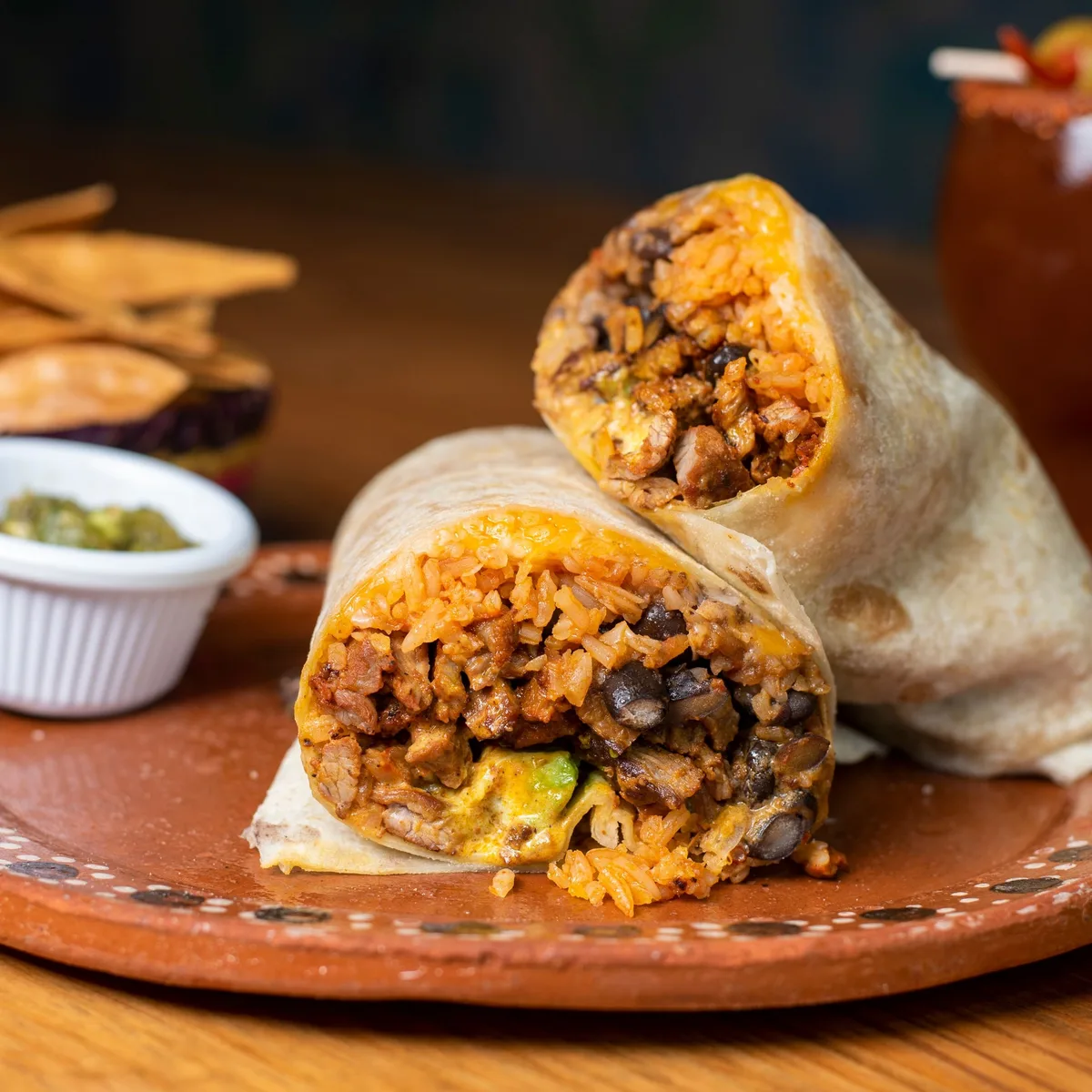
How do I keep tortillas from going stiff by noon? Pack them whole in foil and build at the desk, or switch formats: tortas, bowls and tostada kits were all invented because tortillas resent being assembled ahead. If desk assembly is impossible, a burrito rolled tight and seam-seared in a dry pan before packing is the one wrapped format that holds, because the sear seals the tortilla against its own filling.
Are these lunches expensive? The opposite; this is the cheapest chapter on the site after the bean page itself. A full week of the packed lunches above runs on beans, eggs, tortillas and seasonal produce, per the economics worked out in vegetarian mexican recipes, and the math gets better every day the sandwich shop raises its prices.
Where do the dinner-sized versions live? Every idea here scales up at mexican dinner recipes, and the whole library starts at easy mexican recipes at home.
More recipes to try
Written by Frank Thomson, Skillet & Spoon editorial. Every nutrition figure on this site is calculated ingredient by ingredient from the USDA FoodData Central database, never estimated and never rounded to look better. We do not publish net-carb figures or use non-nutritive sweeteners. How we develop and source recipes is set out in our editorial policy.