Savory Bariatric Puree Recipes (High-Protein, Not Sweet)
Savory bariatric puree recipes are the answer to shake fatigue: protein first, properly seasoned, and smooth without turning sweet. Most pureed food published online is dessert in disguise, all pudding and blended fruit, which leaves the savory side of the plate empty. This page fills it with soups, blended mains and legume purees that lead with protein and taste like dinner.
Use the sections below like a menu. The protein-forward blends carry the most protein per spoon, the vegetable builds round out the plate, and the flavor rules at the end are what keep any of them from tasting flat. This is the savory companion to our bariatric puree recipes collection, and it sits inside the smooth and soft work of the bariatric recipes pillar.
What Makes a Savory Puree Work
Three things separate a savory puree worth eating from a beige bowl of nothing. It leads with a protein: poached thigh, blended legumes, ricotta or cottage cheese. It rides on a moisture vehicle, broth or milk, thinned until the spoon draws a clean line through it.
The third is where most home purees stop short. Blend a full ninety seconds past the point the mixture merely looks smooth, because the eye and the tongue judge different things and only the tongue matters at the table. This is texture, not timing; whether you are ready for it is a separate question that belongs to your program.
Protein-Forward Blends
These are the builds that put protein in the lead, which is the whole assignment on this silo. Savory pureed food after surgery works best when the protein is the base and everything else is seasoning around it.
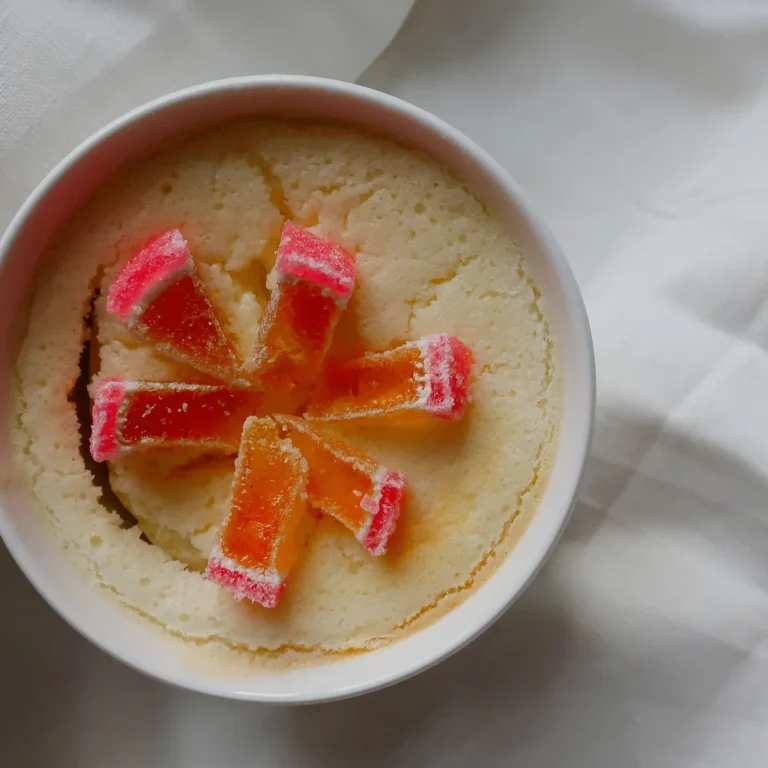
Ricotta bake. Whole-milk ricotta blended with egg and a little grated parmesan, then baked gently in a water bath until just set. The water bath is structural, not fussy: direct oven heat curdles the edges into grit before the middle firms up. Our ricotta custard cups run this savory build with the full card.
Pureed chicken with gravy. Poached chicken thigh blended with its own strained cooking liquid and a spoon of soft onion, loosened with warm broth into a gravy-smooth pour. Use thigh, not breast: breast blends pasty and tight while thigh blends rich and loose. Blend it while hot, since warm liquid moves through the blades smoother than cold, in the style of our blended chicken soup.
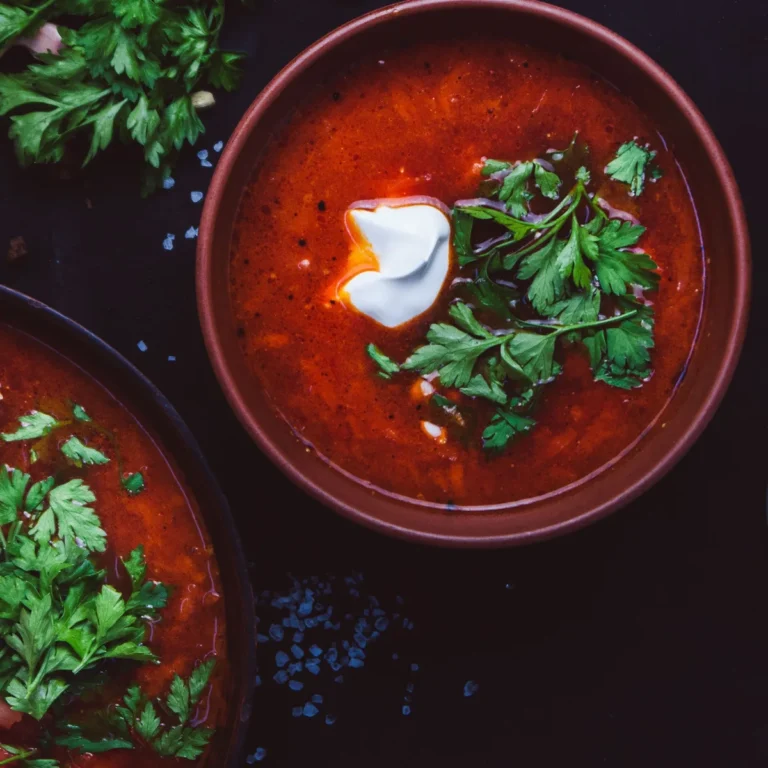
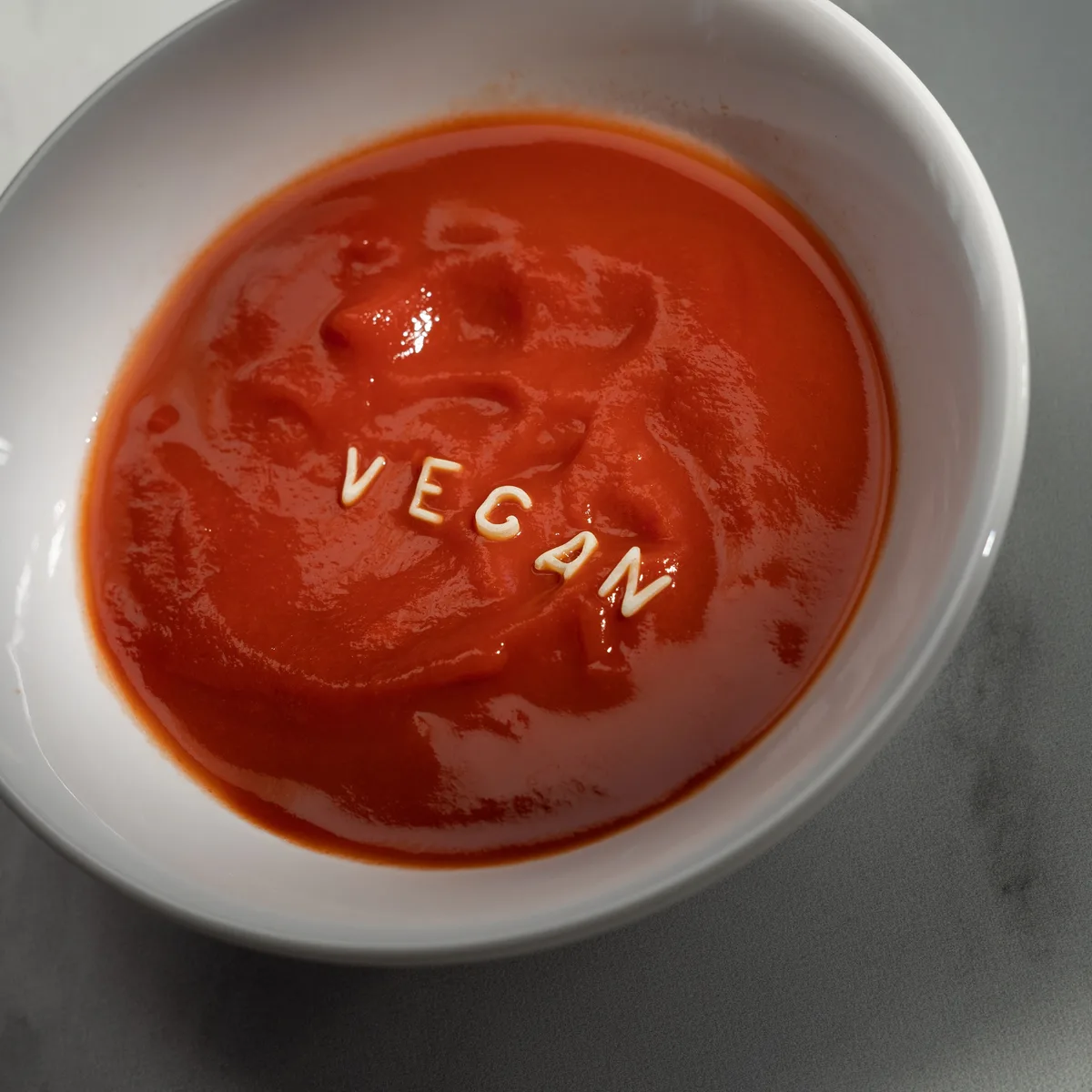
Creamy tomato and white bean. Canned white beans and a smooth tomato base blended together for body and protein at once, then thinned with broth to a high protein puree you can drink from a mug. Bloom any dried spice in the pot before the liquid goes in, or raw spice reads dusty no matter how long you blend.
Savory whipped cottage cheese. Full-fat cottage cheese blended completely smooth with chives, a drop of lemon and cracked pepper; blending removes the curds that are the whole objection to cottage cheese. Season it after the blades stop, because blending mutes salt and acid and a puree salted too early tastes flat by the time it pours. The full method is in our whipped cottage cheese.
Vegetable Blends
These round out the plate and carry the fat and acid that make the protein builds taste finished. They are the pureed dinner ideas bariatric eaters reach for when the savory shakes have worn thin.
Refried bean puree. Cooked pinto beans blended with soft-cooked garlic and warm broth until they flow like a thick sauce. Cook the garlic gently first, because raw garlic in a blended dish grows sharper by the hour in the fridge and takes a mild bowl over with it.
Pureed lentil soup. Red lentils simmered soft, blended fully, then pushed through a fine strainer so no skin survives. Straining is the difference between smooth and actually silky on any legume, since the blades leave behind fiber the strainer catches in thirty seconds.
Creamy cauliflower. Cauliflower simmered soft in broth, blended, then finished with Greek yogurt folded in off the heat. On the boil the yogurt splits into grain; off the heat it enriches into cream.
The Flavor Rules for Savory Purees
Texture contrast is gone at this stage, so taste carries the entire experience. Three levers do the heavy lifting, and each is a bariatric puree not sweet trick that keeps the bowl from reading like a punishment.
Acid goes in off the heat. A squeeze of lemon or lime added after blending, away from the burner, stays bright and lifts the whole bowl. Stir it in over heat instead and it dulls into something flat and cooked.
Fat carries the flavor. The tahini, yogurt, ricotta and olive-oil builds eat richer than their water-thinned cousins, because flavor compounds ride on fat. A spoon of the right fat does more for a puree than another pinch of salt.
Temperature is a seasoning. The same puree reads completely different hot versus cold, so serve the savory ones properly hot and the dairy ones properly cold. Lukewarm is where blended food goes to taste like the stereotype.
Batch and Freeze in Portions
Purees freeze better than almost anything, and the system is one line: freeze in ice cube trays, bag the cubes once solid, label each with name and date. Single portions thaw in a small pan in a minute or two, so no one has to eat the same bowl four days running out of obligation.
Reheat low and stir often, because a microwave on full power boils the edges while the center stays cold, and blended food shows every uneven degree of that. Warming two or three different cubes together is also the quiet trick for variety at no extra effort.
FAQ
What makes a savory bariatric puree recipe different from a sweet one? It leads with a protein and a savory base, broth, beans, poached meat or cheese, instead of fruit or pudding. The seasoning rules also flip: savory purees live and die on salt, acid and fat, added after blending rather than before.
Why does my puree taste bland? Usually one of three misses: seasoned before blending instead of after, no acid at the finish, or served lukewarm. Fix them in that order, because the first one alone rescues most gray bowls.
Is a smooth texture the same as being cleared to eat it? No, and this is the one to remember. A texture label describes the food, it does not clear it. Whether any puree fits your current guidance is your surgical team’s call, with the resources at asmbs.org behind them.
Can I make these without protein powder? Yes. Every build above leads with a whole-food protein: poached thigh, beans, lentils, ricotta or cottage cheese. Where a recipe does lean on a scoop of powder, its card carries no nutrition numbers, because powders vary too much by brand for one figure to be honest.
How do I get a puree truly smooth? Blend a full ninety seconds past the point it looks smooth, thin with warm broth or milk until the spoon draws a clean line, and push fibrous purees through a fine strainer to catch the last of the skins.
Where to Go Next
Savory bariatric puree recipes are just cooking at a different texture, seasoned with the same care you would give a soup course. Start with one protein build and one vegetable blend, keep a tray of cubes in the freezer, and the smooth stage stops feeling like a sentence to serve out. For the chunkier textures that come next, move on to our bariatric soft food recipes.
Written by Frank Thomson, Skillet & Spoon editorial. Every nutrition figure on this site is calculated ingredient by ingredient from the USDA FoodData Central database, never estimated and never rounded to look better. We do not publish net-carb figures or use non-nutritive sweeteners. How we develop and source recipes is set out in our editorial policy.