Stage 4 Bariatric Diet: Cooking Regular Texture Well
Stage 4 bariatric diet, as a search, is usually someone looking toward the return to regular food, and it deserves the same honesty as every stage-numbered page on this site: the number is your program’s word, not a standard. Programs define, sequence and schedule their stages differently, so when regular texture becomes your assignment is a decision made with your chart, and this page has no opinion about it. What it has instead is the part that genuinely belongs to a kitchen: the cooking habits that make ordinary food work well in a post-surgical household, because regular texture cooked carelessly is exactly where the old dry-chicken problems come back.
Your program owns the calendar and the clearances, and its guidance outranks this page wherever they differ. The kitchen owns the habits below.
The Habits That Carry Regular Texture
Moisture stays engineered. The single biggest mistake at this chapter is treating regular texture as permission to stop caring about moisture. Every rule from the earlier textures still pays: chicken poached or braised rather than grilled dry, thighs to 175F where they turn silky, breast pulled at 160F and rested, fish out at the first flake, sauces planned rather than optional. The dishes that fail at small portions are the dry ones, always.
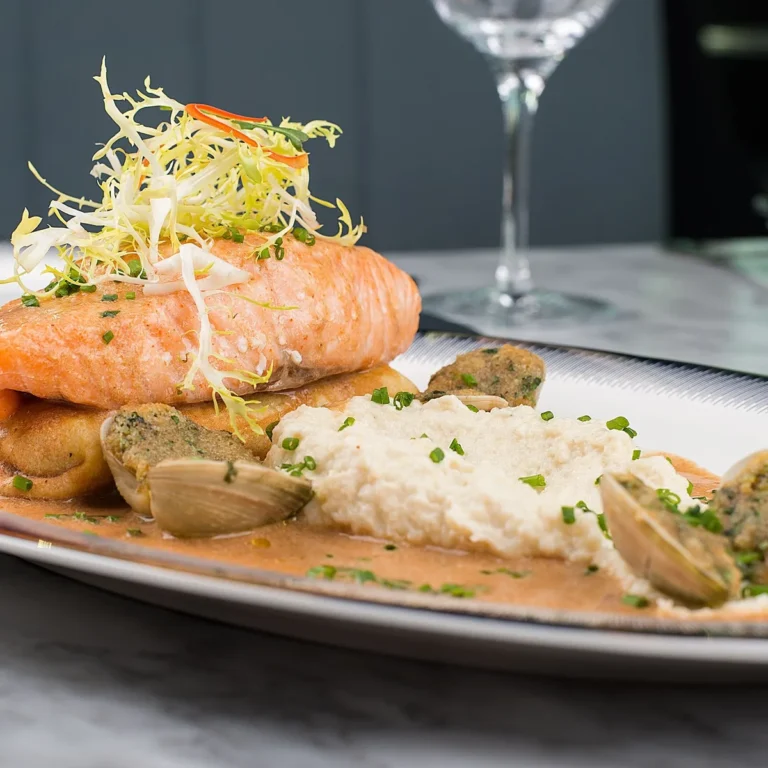
Smallness stays a design constraint. Recipes that only work as a casserole for six are storage problems wearing dinner costumes. The regular-texture recipes this section promotes scale down honestly or portion into the freezer cleanly: sheet pan salmon with the stagger method, skillet thighs with charred cabbage, turkey meatballs by the muffin-tin logic, the white bean stew that freezes in single servings. All of them live in the collection at bariatric diet recipes.
Texture contrast comes back gradually, in the pan. Char, crust and crunch are cooking’s pleasures and they return here, where your team’s guidance allows: charred cabbage wedges, browned mushrooms, the seared edge on a chop. The habit worth keeping from the earlier chapters is pairing them with moisture, crust beside sauce, char beside yielding, because plates built entirely of firm textures eat harder than they look.
The fork test keeps its job. The two second check from bariatric soft food recipes stays useful at every texture: food should yield honestly for its category, and leftovers drift firmer in the fridge. Gentle covered reheating with a spoonful of liquid remains the house method for everything that ever contained moisture.
What Not to Un-Learn
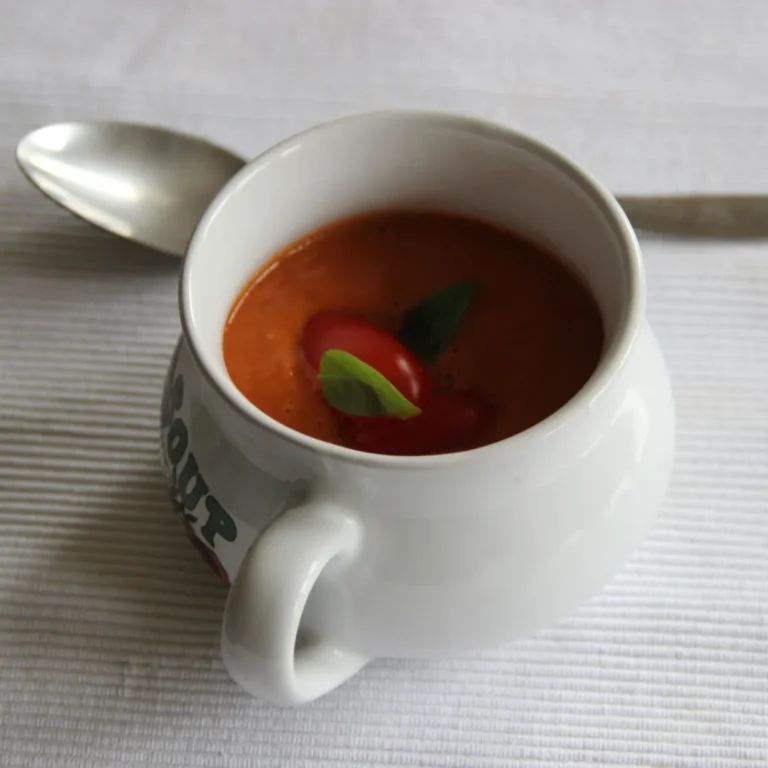
The earlier chapters teach habits worth keeping for good, and this page’s real argument is that stage-numbered searches undersell that. The blender does not retire: blended soups stay the cheapest variety in the freezer, per bariatric soup recipes, and the half-blend trick keeps serving tables with mixed texture needs. Protein keeps leading plates, per high protein bariatric recipes, with the quiet-doubling pairings doing their work at any texture. The flavor rules, acid off the heat, bloomed spices, browning as seasoning, were never texture-specific. And the freezer bank, labeled and portioned, remains the difference between a plan and a good intention. Regular texture is not a graduation out of technique; it is the chapter where all of it finally runs at once.
Eating Out and the Shared Table
Two practical notes that belong to this chapter more than any other. Restaurants are navigable with the same cooking eye this section trains: braised, poached, roasted-and-sauced dishes carry the moisture engineering already done, while fried and grilled-dry plates are the gamble they always were. And at home, the shared-table logic from bariatric friendly recipes fully matures here, one stove producing every portion, differences settled by sides and sauces rather than separate menus. Anything more specific about what or how much belongs on your plate is your program’s territory, and the resources at asmbs.org carry the clinical side properly.
The Small-Portion Sear
The technique this chapter adds that the earlier ones never needed: searing small amounts well, because browning is back on the menu and small portions brown badly by default. Three adjustments fix it. Use a smaller pan than instinct suggests; a single cutlet in a large skillet surrounds itself with bare metal that scorches its fat and smokes out the kitchen, while the same cutlet in a small pan keeps the fat working underneath it. Preheat longer than feels necessary, a full two minutes past when the pan looks ready, because a small pan loses proportionally more heat the moment food lands, and the difference between sear and steam for one portion is entirely in those stored degrees. And rest on the same schedule as always: small pieces overshoot faster and rest shorter, three minutes for a cutlet against a roast’s ten, but the rest is never optional. The habit pairs with the shared-table logic naturally, one pan searing the table’s portions in sequence rather than one crowd, smallest piece last so it rests least. Browning at this scale is a precision skill rather than a bigger-flame skill, and it is the last technique this section teaches because it is the one the earlier textures never allowed.
How the Numbers Work
Recipe cards in this section carry nutrition calculated ingredient by ingredient from USDA FoodData Central, protein stated per serving, sources archived, per our editorial policy. Portions, targets and schedules remain your program’s numbers at every stage, this one included.
FAQ
When does stage 4 start? Your program’s decision, made with your chart, and this page deliberately has no answer. Stage systems are program-specific, which is precisely why the one in your handbook is the one that counts.
Is everything cleared once I reach regular texture? Clearance is food by food and person by person, and it is your team’s word, never a website’s. This page describes cooking habits; what lands on your plate within them is between you and your program.
Do the earlier-texture recipes become useless? The opposite, and that is this page’s main point. The soups, the shredded proteins, the egg builds and the flavor rules stay in rotation permanently; regular texture adds options rather than replacing the toolkit.
Does regular texture mean cooking like before surgery? The ingredients look familiar; the habits should not. Moisture engineering, the thermometer, honest resting and small-portion technique are what distinguish this chapter’s cooking from the cooking that predates it, and they are upgrades by any standard.
What is the best habit to carry forward? The thermometer plus the rest, as one habit. Most of what goes wrong with regular-texture protein is the same ten degrees and the same skipped five minutes it always was.
Where to Go Next
The full collection is at bariatric diet recipes, the shared-table playbook at bariatric friendly recipes, and the section’s rules at the bariatric recipes pillar.
Written by Frank Thomson, Skillet & Spoon editorial. Every nutrition figure on this site is calculated ingredient by ingredient from the USDA FoodData Central database, never estimated and never rounded to look better. We do not publish net-carb figures or use non-nutritive sweeteners. How we develop and source recipes is set out in our editorial policy.