15 Bariatric Puree Recipes That Taste Like Real Food
Bariatric puree recipes are the most badly served food on the recipe internet, because most sites treat purees as a punishment to be endured rather than food to be cooked. This page takes the opposite position: a puree is a soup course, the cuisines that blend food on purpose season it like it matters, and the difference between a gray week and a decent one is technique that takes minutes to learn. Fifteen smooth builds follow, protein where it can lead, flavor built the way flavor actually works at this texture. What this page will never tell you is when to eat them; that schedule is your program’s, and it varies between programs for good reasons.
This is the smooth-texture technique file promised by our bariatric recipes pillar, sitting alongside the full bariatric diet recipes collection.
Blender School, Four Rules
Half-full jar, cap off, towel on. Hot food blends in batches that fill the jar no more than halfway, with the lid’s center cap removed and a folded towel over the gap. Steam pressure in a sealed full jar blows the lid off, and every kitchen learns this exactly once.
Blend past done. A full ninety seconds after the mixture looks smooth. Looks-smooth and feels-smooth are different standards, and the tongue judges the second one.
Season after, not before. Blending mutes salt and acid, reliably. Season the finished puree, taste, adjust; a puree seasoned before the blades tastes flat by the time it pours.
Strain when it matters. A fine mesh strainer and thirty seconds of pushing catches every fiber the blender missed. For fibrous vegetables and legumes it is the difference between smooth and actually silky.
Protein-Forward Purees
Blended chicken soup. Poached thigh meat blended with its own strained broth and soft-cooked onion. Thigh, not breast: blended breast turns pasty while thigh blends rich. Warm liquid blends smoother than cold, so blend the pot while it is hot.
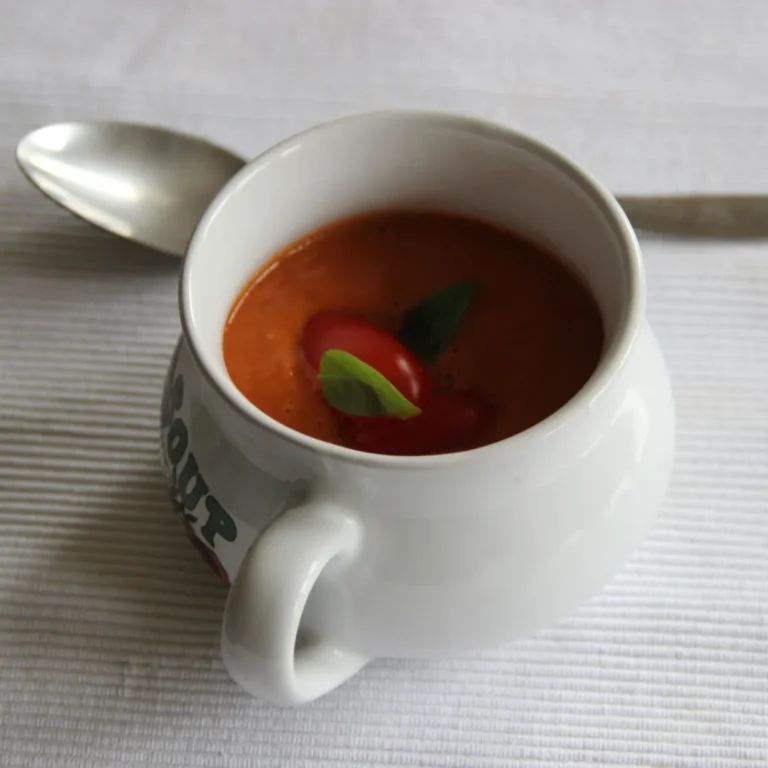
Red lentil puree with lemon. The diabetic red lentil soup blended fully and strained, the lemon squeezed in off the heat where citrus stays bright. Lentils are the smooth category’s best protein-and-body deal.
Whipped cottage cheese, savory. Blended fully smooth with chives and a drop of lemon. The blender is the entire recipe; it removes the curds that are the whole objection to cottage cheese.
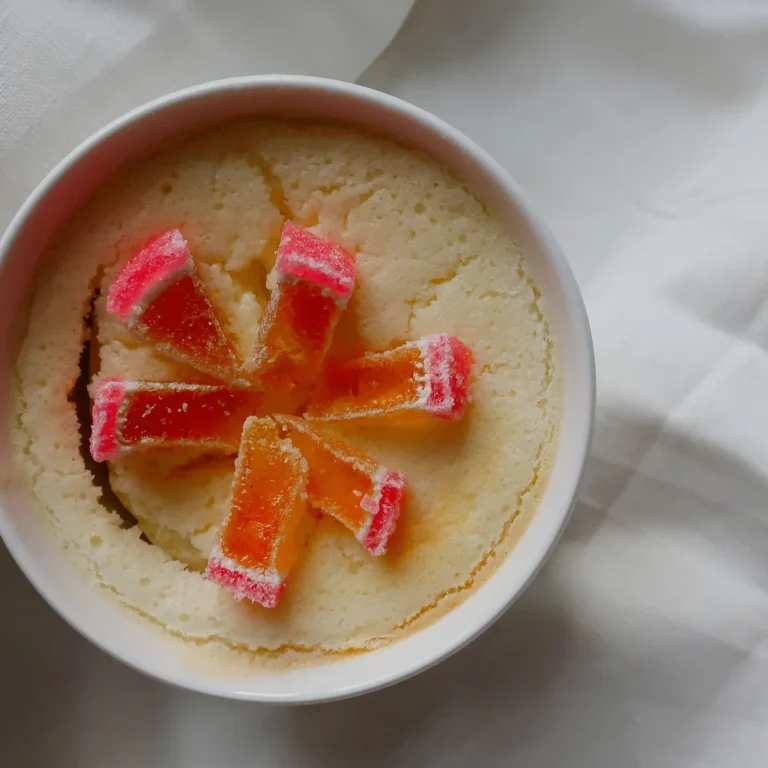
Ricotta custard cups. Ricotta blended with egg, water-bathed at 325F until barely set, eaten warm or cold. Gentle heat is structural: direct oven heat curdles the edges before the center sets.
White bean puree with garlic. Counted white beans blended with soft-cooked garlic and enough broth to flow. Cook the garlic gently first; raw garlic in a puree grows louder by the hour in the fridge.
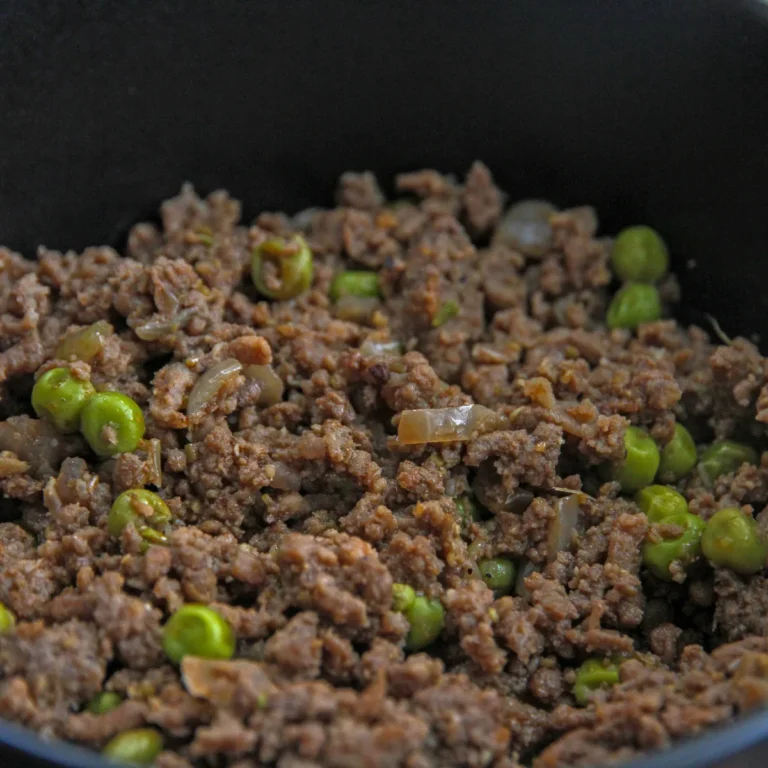
Blended turkey and tomato. Gently simmered ground turkey blended with its tomato base until fully smooth, a pinch of bloomed cumin underneath. Bloom the spice in the pot before the liquid; raw spice reads dusty at any texture.
Vegetable and Fruit Builds
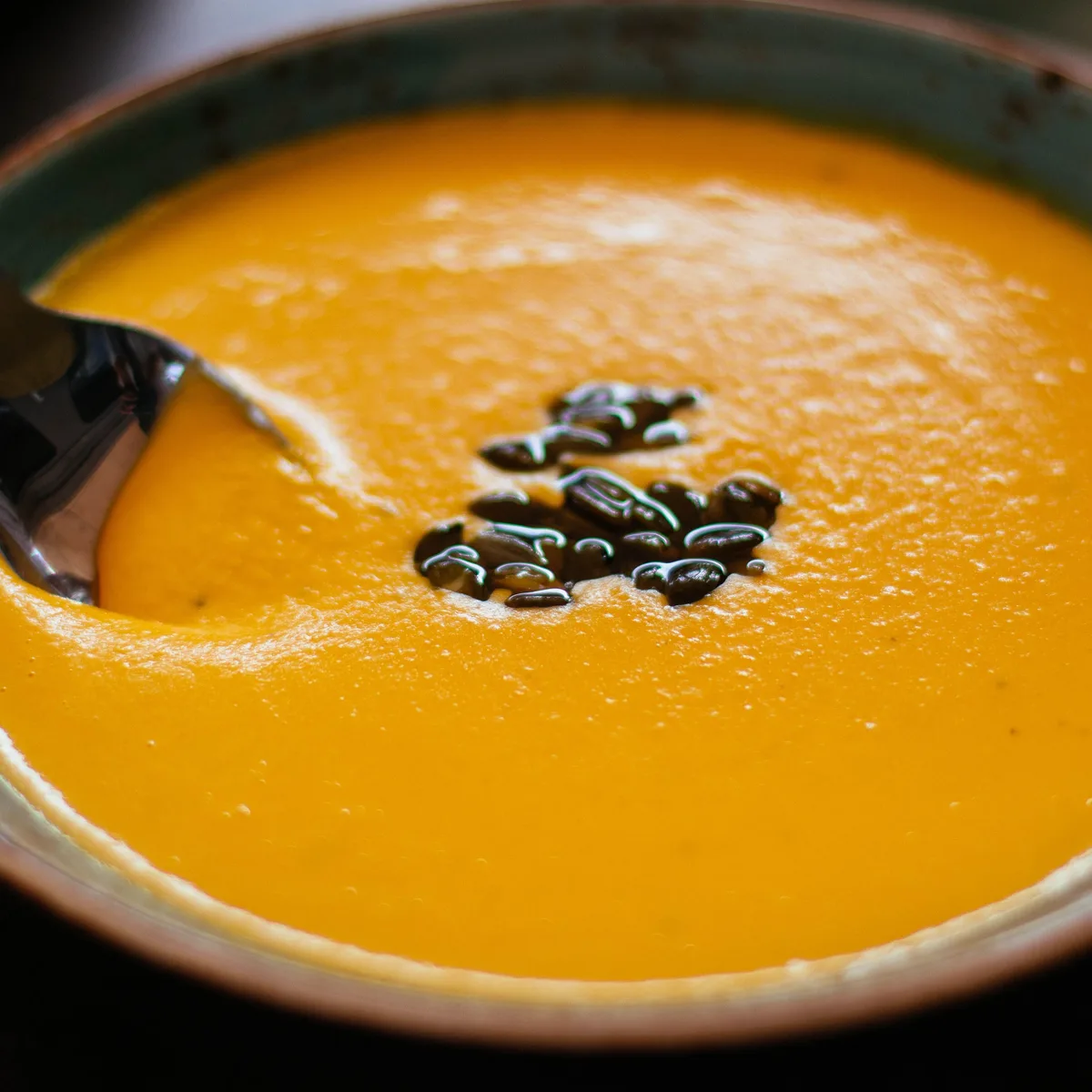
Silky butternut soup. Roasted squash, broth, a spoon of tahini for body, strained. Roasting first is the flavor move; boiled squash blends into something paler in every sense.
Creamy cauliflower puree. Simmered soft in broth, blended with Greek yogurt folded in off the heat. On the boil yogurt splits; off the boil it enriches.
Carrot ginger puree. Carrots simmered fully soft with a small knob of ginger, blended long, strained. The ginger is a seasoning here, not a statement; it should read as warmth.
Zucchini and white bean blend. The mildest savory build on the page, for days when mild is the assignment. Salt it properly anyway; mild and bland are different words.
Applesauce, real version. Peeled apples simmered in a splash of water, blended, cinnamon after. Honest sweetness from fruit, counted at its real values, per house policy everywhere on this site.
Greek yogurt berry smooth. Yogurt and measured berries blended and sieved. The sieve earns its sink time; seeds are exactly what this texture is trying not to have.
Batch Logic: The Ice Cube Bank
Purees are the most freezer-friendly food this site publishes, and the system is one sentence: freeze in ice cube trays, bag flat once solid, label with name and date. Cubes thaw gently in a small pan in a minute or two, single portions on demand, and no bowl of anything has to be eaten four days running out of obligation. Reheat low and stir often; a microwave on full power heats the edges to boiling while the center stays cold, and blended textures show every degree of that unevenness. Two or three different cubes warmed together is also the quiet trick for variety at zero effort.
Flavor at This Texture, Specifically
Everything from the pillar’s flavor rules applies double here, because texture contrast is off the table and taste carries the whole experience. Acid off the heat is the biggest lever: lemon into the lentil puree, lime into the chicken blend, added after blending, always. Fat carries flavor at this texture the way it does everywhere, which is why the tahini, yogurt and ricotta builds eat better than their water-thin cousins. And temperature is a seasoning: the same puree reads completely different warm versus cold, so serve the savory ones properly hot and the dairy ones properly cold, and never lukewarm, which is where blended food goes to taste like the stereotype.
Troubleshooting the Three Common Failures
Every bad puree fails one of three ways, and each has one cause worth knowing. Gritty means fiber survived the blades: the fix is blade time first, the full ninety seconds past looks-done, and the strainer second, because fibrous vegetables and legume skins defeat even long blending. Gluey is a starch problem, almost always potatoes blended in a machine; blades rupture potato starch into wallpaper paste, so potato-based builds get mashed or riced by hand and only then loosened with liquid, never jar-blended. And gray, the saddest failure, is flavor rather than texture: it means the base was boiled instead of roasted or browned, the seasoning went in before the blades muted it, or the bowl was served lukewarm. Diagnose in that order, texture then starch then flavor, because the fixes do not overlap and effort spent on the wrong one changes nothing. A fourth failure deserves half a sentence: purees that were excellent on Sunday and watery on Wednesday separated in the fridge, and a brisk stir while reheating, plus the re-season, brings them back whole.
How the Numbers Work
Recipe cards in this section carry nutrition calculated ingredient by ingredient from USDA FoodData Central, protein stated per serving, sources archived, per our editorial policy. No portion instructions and no daily targets appear anywhere; those numbers belong to your program. The cards make the food honest, and the plan that food fits into is written by your team, with the professional body’s resources at asmbs.org.
FAQ
When do people eat pureed food after surgery? On their surgical program’s schedule, which this page deliberately does not describe, because programs genuinely differ and the schedule is a clinical decision made with your chart in hand. Your team and the resources at asmbs.org own that question entirely.
Is every recipe here appropriate once I am eating purees? Texture is not clearance, and that sentence is this page’s most important one. These recipes are honestly smooth as written; whether any given food fits your current guidance is your team’s call, not a label’s.
Why do my purees taste bland? Almost always one of three misses: seasoned before blending instead of after, no acid at the finish, or served lukewarm. Fix them in that order; the first one alone rescues most gray purees.
Can I puree any recipe on this site? Mechanically, many; successfully, fewer. Dishes built on broth, braises and soft vegetables blend well. Anything that depends on crust, char or chew loses its point in the jar. The builds above were designed smooth, not demoted to it.
What equipment do I actually need? A blender of any competence, a fine mesh strainer, and ice cube trays. The strainer is the cheapest upgrade; it makes a mid-tier blender produce top-tier texture.
Where to Go Next
The soft-texture file continues at bariatric soft food recipes in this same batch of pages, the full collection lives at bariatric diet recipes, and the section’s rules at the bariatric recipes pillar.
More recipes to try
Written by Frank Thomson, Skillet & Spoon editorial. Every nutrition figure on this site is calculated ingredient by ingredient from the USDA FoodData Central database, never estimated and never rounded to look better. We do not publish net-carb figures or use non-nutritive sweeteners. How we develop and source recipes is set out in our editorial policy.