16 Bariatric Soft Food Recipes, Tender by Technique
Bariatric soft food recipes live or die on one distinction most pages skip: soft is a cooking outcome, not an ingredient list. Eggs are soft only if the heat stays low. Fish is soft only until two minutes past done. Ground meat is soft only under a lid. The sixteen recipes below are organized around the techniques that produce genuine tenderness, because the reader who learns why food turns soft can cook far past any list. When you should be eating this way is a different kind of question entirely, and it stays where it belongs, with your surgical program.
This is the soft-texture file of our bariatric recipes section, between the blended builds at bariatric puree recipes and the full collection at bariatric diet recipes.
Technique One: Gentle Heat
Protein tightens as temperature climbs, so softness starts with restraint.
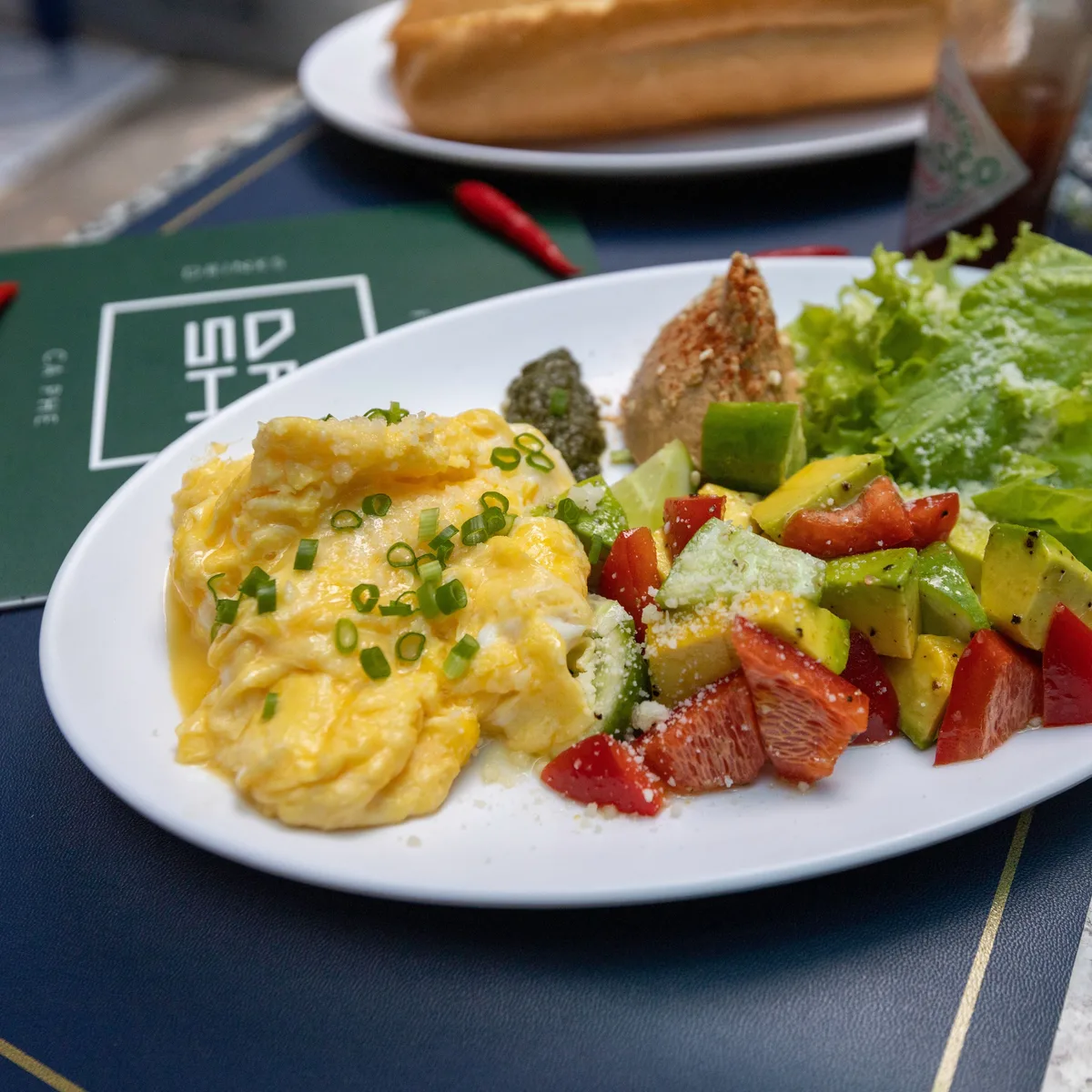
Soft scrambled eggs. Low flame, constant slow folding, off the heat while they still look slightly wet; carryover lands them. The pan that browns eggs is the pan that ruined them.
Ricotta scramble. The same eggs with a spoon of ricotta folded in at the end, which drops the temperature and raises the protein in one move.
Poached chicken breast. Salted water at a lazy shimmer, never a boil, pulled at 160F and rested. A boil is what gives poached chicken its rubbery reputation; the shimmer is what deletes it.
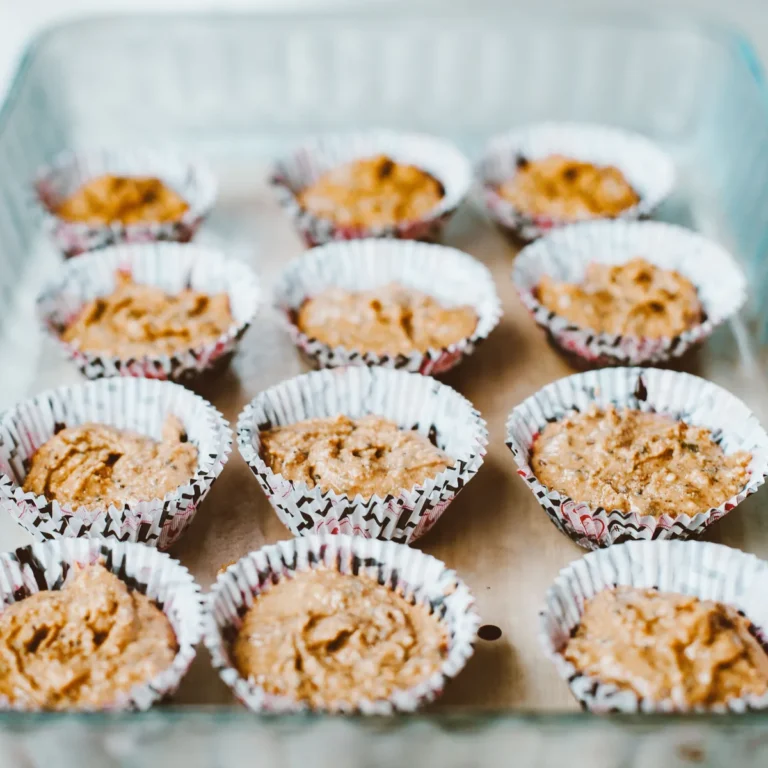
Egg bites, cottage cheese set. Blended cottage cheese and eggs at 350F until barely set, per the method at diabetic crustless vegetable quiche. Gentle oven, custard result, muffin-tin portions.
Ricotta bake in a water bath. Ramekins at 325F, the bath keeping edges as tender as centers. Direct heat curdles; water mediates.
Technique Two: Cook to the Early Side
Some proteins are soft precisely until they are not.
Baked cod with lemon. 400F, about twelve minutes, out at the first flake. Fish is the fastest soft protein in the kitchen and the least forgiving of a third extra minute.
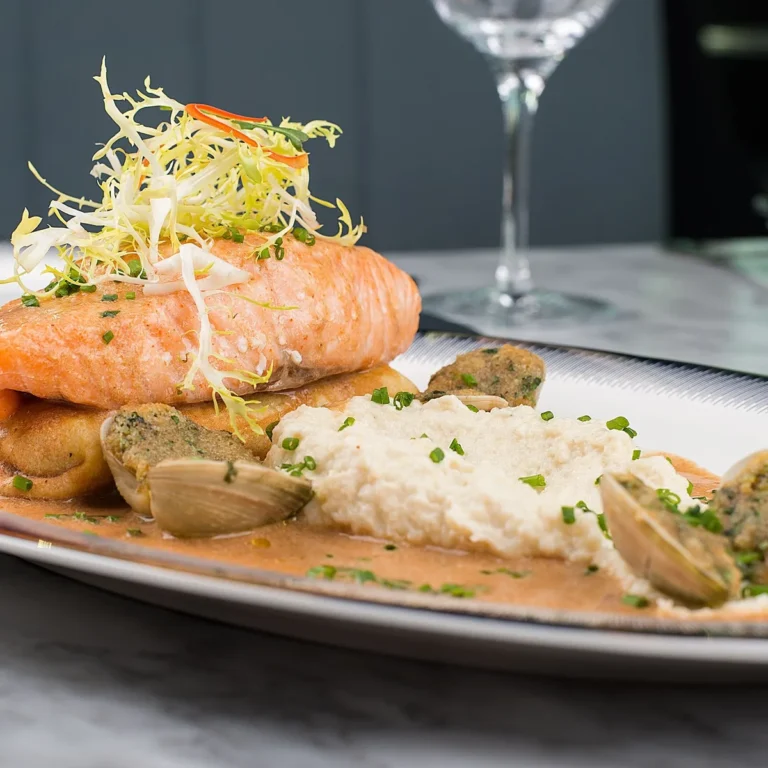
Salmon, pulled translucent. The rule from diabetic baked salmon green beans: out while the very center still looks slightly glassy, finished by its own heat on the plate. Opaque throughout in the oven means dry at the table.
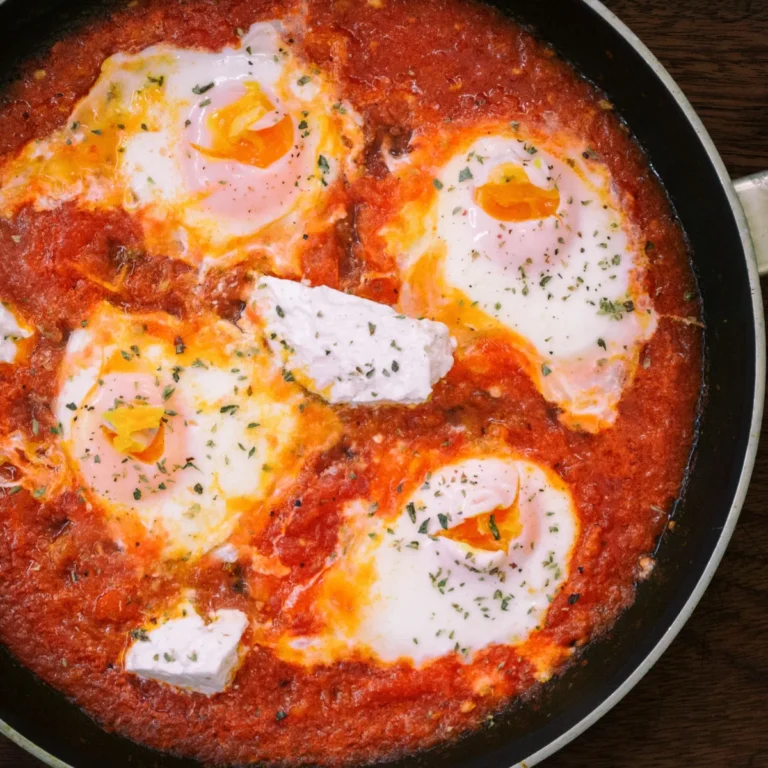
Poached cod in tomato pepper sauce. The fish simmers its final eight minutes in the sauce itself, which makes drying it out nearly impossible. The most forgiving entry on this page.
Jammy soft-boiled eggs. Eight minutes from the water’s boil, then straight into ice water to stop the cooking where it stands. The yolk stays a soft paste instead of chalk, the white sets tender rather than rubbery, and the difference is entirely the clock.
Technique Three: Moisture Built In
The dishes that cannot dry out, because their liquid travels with them.
Salsa chicken. Shredded into its own cooking liquid after four low hours, full method at diabetic salsa chicken. Shredding into liquid is this silo’s signature move; the moisture is structural.
Turkey meatballs simmered in sauce. Grated squeezed zucchini in the mix, then ten extra minutes in tomato sauce after they reach 165F, which softens them a full grade. The sauce is not a topping; it is the second half of the cooking.
Slow cooker chicken and vegetable soup. Thighs cooked until they shred themselves, vegetables fully yielding. Blend half the pot for a second texture from the same vessel.
Picadillo-style ground turkey. Simmered low under a lid with tomato and soft zucchini, labeled as our adaptation. A lid and patience turn ground meat tender; a hard sear turns it to pebbles.
Braised green beans with tomato. Cooked long past the squeak, until fully yielding. Old-fashioned by intent; the tenderness is the dish.
Technique Four: Soft by Assembly
No heat, no risk, real food.
Tuna salad, mashed fine. Tuna, Greek yogurt, Dijon, celery minced small. Texture is decided by the knife and the fork, and both should work harder than usual here.
Cottage cheese egg salad. Jammy eggs chopped and folded through whipped cottage cheese with chives. Two gentle proteins in one bowl.
Cottage cheese with soft pear and cinnamon. Assembly, honestly labeled, for the meals that just need to exist.
Press It With a Fork Before Serving
One habit replaces a hundred rules, and it costs two seconds at the stove: press the food with the side of a fork before serving. Genuinely soft food yields with almost no pressure and separates without sawing. If it resists, it is not soft yet, whatever the recipe promised, and five more gentle minutes usually settles it. The test matters because softness drifts: reheated chicken firms up, day-two meatballs tighten, and the fork catches what the label cannot. Reheat gently, with a spoonful of liquid, covered, and re-test; food that passed on Sunday should still pass on Wednesday.
The Soft Food Bank
The recipes above organize by technique; the week organizes by the bank, and the bank is a shopping-and-cooking pattern, not a calendar. Two cooked bases anchor it: a pot of salsa chicken or poached chicken stored in its liquid, and a batch of egg bites in their tin portions. Around them, three assemblies that need no stove: the tuna salad, the cottage cheese egg salad, and the cottage cheese with pear. One simmered pot, the turkey and zucchini skillet or the braised beans, rounds it out and freezes its second half in single portions. That is five cooking sessions’ worth of eating from two real sessions and some opening of containers, and every item in it is chosen because its softness holds: foods that carry their own moisture, or store in their liquid, yield to the fork gently reheated, not only when freshly made. What the bank deliberately is not: a schedule. Nothing here says what to eat when, because that is not a cooking question. The bank’s job is narrower and more useful, making sure that whenever a meal needs to happen, at least three soft, protein-led answers already exist within arm’s reach, one warm, one cold, one frozen in reserve. Households that keep the bank stocked stop having the nightly what-can-I-even-eat conversation, and that silence is the system working.
How the Numbers Work
Recipe cards in this section carry nutrition calculated ingredient by ingredient from USDA FoodData Central, protein stated per serving, sources archived, per our editorial policy. No portions, no schedules, no targets: your program owns those, with the professional body’s resources at asmbs.org carrying the clinical side. Our lane is food that is honestly what its label says.
FAQ
When does soft food start after surgery? On your program’s schedule, which this page deliberately does not describe. Programs differ, the decision is made with your chart in hand, and any site that hands you a timeline is answering a question that was never its to answer.
Is everything on this page cleared once I am eating soft foods? No page can clear food for you, and this one does not try. The textures here are honestly soft as written; whether a given dish fits your current guidance is your team’s call.
What is the most common way soft food goes wrong at home? Heat too high, twice over: eggs scrambled hard and fish baked past the flake. Both are clock-and-flame problems, both are fixed by the earliest sections of this page.
How do I keep soft food soft as leftovers? Store it in its liquid where it has one, reheat covered and gentle with a spoonful of water, and run the fork test again before serving. Day-two food firms up; gentle reheating gives most of the softness back.
Which recipe should I start with? Soft scrambled eggs, tonight. The technique it teaches, low heat and early exit, is half of this entire page wearing one small pan.
Where to Go Next
Smoother textures live at bariatric puree recipes, the full texture-grouped collection at bariatric diet recipes, and the section’s rules at the bariatric recipes pillar.
More recipes to try
Written by Frank Thomson, Skillet & Spoon editorial. Every nutrition figure on this site is calculated ingredient by ingredient from the USDA FoodData Central database, never estimated and never rounded to look better. We do not publish net-carb figures or use non-nutritive sweeteners. How we develop and source recipes is set out in our editorial policy.