Vanilla Ice Cream, No-Churn and Creamy
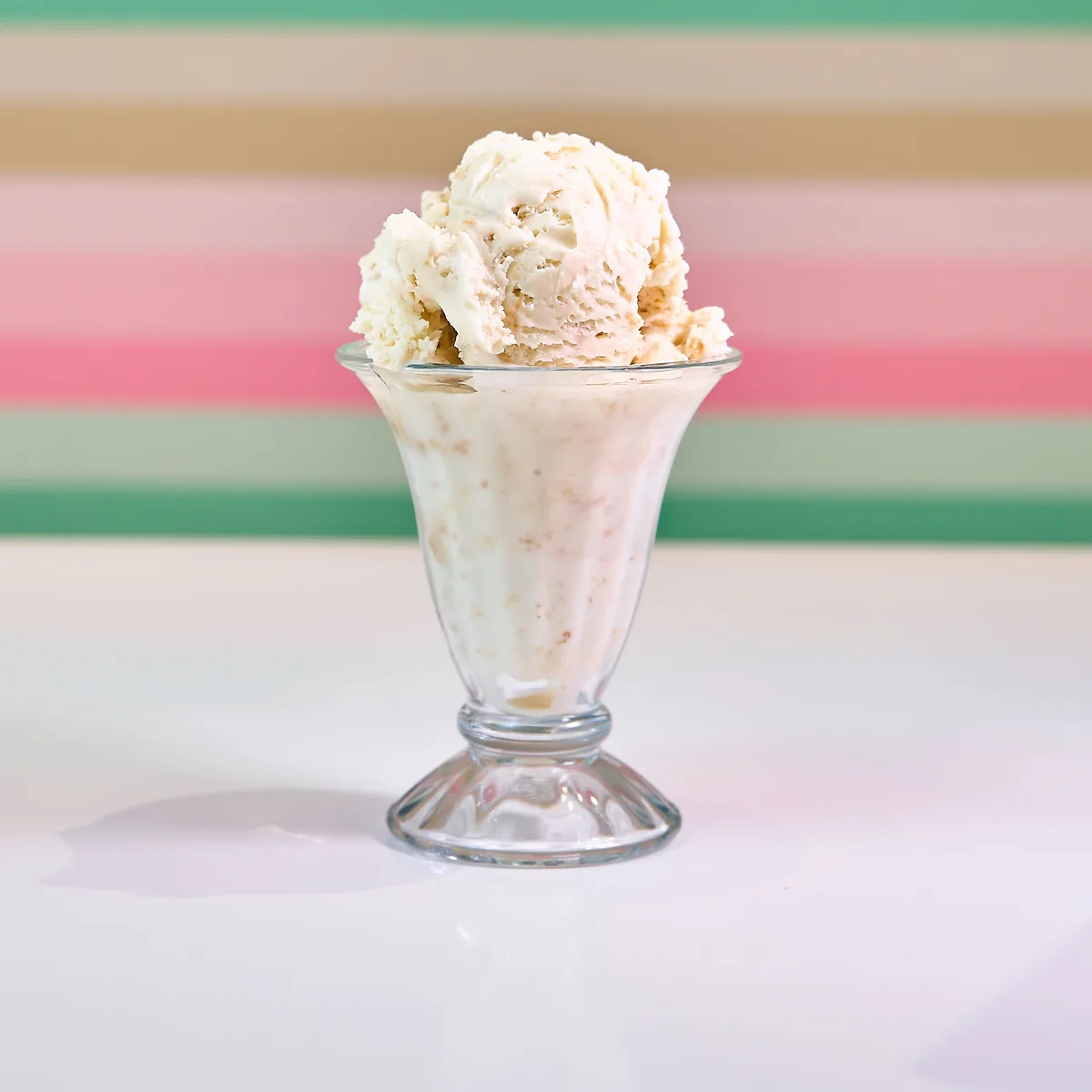
No-churn vanilla ice cream is the easiest frozen dessert there is: no machine, no custard to cook, no eggs. The trick is that whipped cream is already full of air, and sweetened condensed milk is both the sweetener and an anti-freeze that keeps the mixture soft, so folding the two together and freezing gives a scoopable, creamy ice cream straight from the freezer. This version is calculated from USDA FoodData Central so the number under each serving is real, and the sweetness is real sugar and condensed milk, never a substitute.
Ingredients
Method
- Whip the cold heavy cream to stiff peaks, stopping before it turns grainy.
- In another bowl stir the sweetened condensed milk and vanilla together.
- Fold about a third of the whipped cream into the condensed milk to loosen it.
- Fold the rest of the cream in gently in two additions, until no streaks remain and the mixture stays airy.
- Spread into a loaf tin or container, cover the surface, and freeze for at least six hours or overnight.
- Let it sit a few minutes at room temperature before scooping.
Why No-Churn Works Without a Machine
A churning machine does two jobs: it freezes the mixture while beating air into it, and that air plus constant movement stops large ice crystals forming. No-churn gets both for free. The cream is whipped to stiff peaks first, so the air is already in, and the sugar in the condensed milk lowers the freezing point and binds water, so fewer and smaller ice crystals form as it sets. The result is soft and scoopable without any churning at all.
Whipping and Folding
Whip the cold cream to stiff peaks, where it holds its shape and the beater leaves clear tracks, but stop before it turns grainy and buttery. Then fold, do not stir: cutting the whipped cream gently into the condensed milk keeps the air in, and stirring or beating knocks it out and gives a dense, icy result. Loosen the condensed milk with a third of the cream first, then fold the rest in gently until no streaks remain.
Keeping It Scoopable
The condensed milk is what keeps this ice cream soft enough to scoop straight from the freezer, because its sugar lowers the freezing point so it never sets rock hard. Freeze it in a shallow container so it firms evenly, press a layer of wrap onto the surface to stop ice crystals and freezer smell, and give it a few minutes on the counter before scooping if it has been in a very cold freezer. The more air you fold in, the softer and lighter it stays.
Getting Real Vanilla Flavour
Vanilla is the whole flavour here, so it is worth using well. Good vanilla extract is simplest; the seeds scraped from a split vanilla pod give the flecked, fragrant look and taste of a premium ice cream. Stir the vanilla into the condensed milk rather than the cream so it disperses evenly. A pinch of salt sharpens the vanilla and balances the sweetness, which otherwise can be flat.
Common Problems
The faults are few. Icy, hard ice cream means the air was knocked out by stirring instead of folding, or the cream was under-whipped. Dense and heavy means the same, or too little cream. Grainy, buttery texture means the cream was over-whipped before folding. Too sweet is the nature of a condensed-milk base; a pinch of salt and real vanilla balance it. Ice crystals on top mean the surface was not covered, so press wrap onto it.
Variations
The vanilla base takes mix-ins beautifully. Fold in chocolate chips, crushed cookies, swirls of caramel or fruit, or berries just before freezing. Add cocoa or melted chocolate to the condensed milk for chocolate ice cream, or coffee for a coffee version. Ripple a sauce through by spooning it over the mixture in the tin and swirling with a knife. The cream-and-condensed-milk base stays the same.
Storage
No-churn ice cream keeps well in the freezer for a couple of weeks in an airtight container with wrap pressed onto the surface, which stops ice crystals and keeps it from picking up freezer smells. It softens faster than machine-churned ice cream once out, so serve it quickly. If it has frozen very hard, a few minutes at room temperature brings it back to a scoopable texture, since the condensed milk keeps it from setting solid.
FAQ
How is no-churn ice cream creamy without a machine? Whipped cream supplies the air a machine would beat in, and the sugar in sweetened condensed milk lowers the freezing point so fewer, smaller ice crystals form. Together they give a soft, scoopable texture with no churning.
Why is my no-churn ice cream icy? The air was knocked out, usually by stirring instead of folding, or the cream was under-whipped. Whip the cream to stiff peaks and fold it in gently so the air survives.
Why is it so soft and hard to scoop neatly? It needs longer in the freezer, at least six hours and ideally overnight, and a shallow container firms it evenly. The condensed milk keeps it soft, which is why it scoops easily once properly set.
Can I make it without condensed milk? Condensed milk is what makes this method work without a machine, both sweetening it and keeping it scoopable. Without it you need a custard base and a churn, which is a different recipe.
How do I add mix-ins? Fold chips, crushed cookies, fruit or a sauce swirl in just before freezing, after the cream is folded in, so they stay suspended rather than sinking.
Can I use a sugar substitute? This recipe does not, because the sugar in the condensed milk keeps the ice cream scoopable as well as sweet, which substitutes cannot do. It uses real condensed milk, counted honestly from USDA data.
Where to Go Next
For every frozen method and flavour, see the homemade ice cream guide, and for the baking and dessert science behind all of them, the dessert recipes guide. For a no-bake chilled sweet, see no-bake desserts.
Label note: most of the carbohydrate in this recipe comes from the sweetened condensed milk, calculated here from USDA’s generic entry. Brands vary, and some contain added sugar, so check the label on the one in your kitchen.
Written by Frank Thomson, Skillet & Spoon editorial. Every nutrition figure on this site is calculated ingredient by ingredient from the USDA FoodData Central database, never estimated and never rounded to look better. We do not publish net-carb figures or use non-nutritive sweeteners. How we develop and source recipes is set out in our editorial policy.