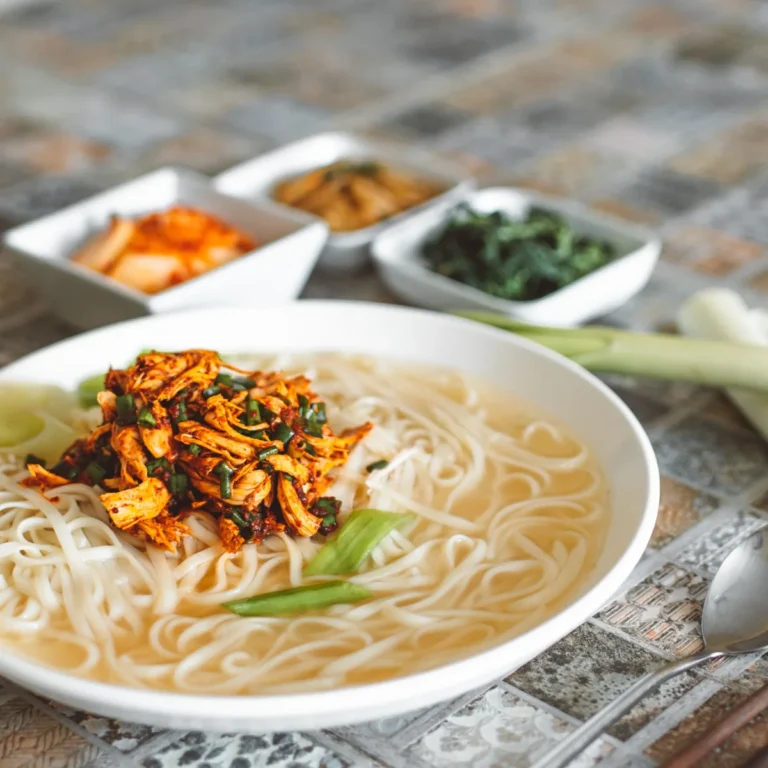
Bariatric Braised Tofu with Edamame and Ginger
Bariatric braised tofu with edamame is this collection’s plant protein entry, and it earned the slot on arithmetic. Firm tofu carries more protein per gram than any other plant ingredient in our pantry while bringing almost no carbohydrate with it, which is an unusual combination worth cooking around. Add edamame for a second plant protein and the dish lands at a protein-to-carbohydrate ratio that beats most of the meat recipes in this silo. The card carries the USDA-calculated numbers with protein stated per serving.
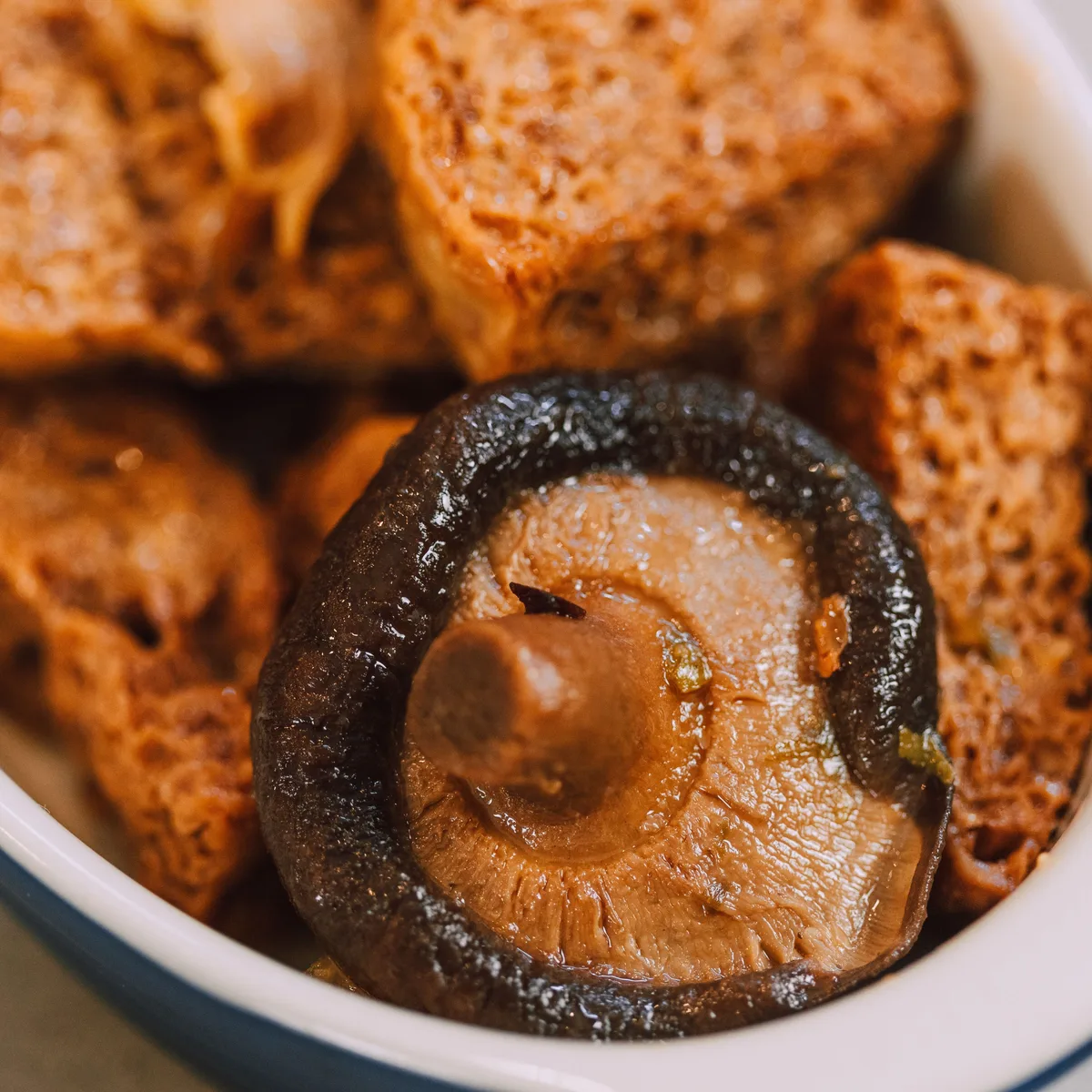
Ingredients
Method
- {‘Press the tofu at least 20 minutes’: ‘wrap the block in a towel, set a heavy pan on top, and let the water leave. Unpressed tofu will not absorb the braise.’}
- Cut the pressed block into 1 inch cubes and pat them dry again.
- Heat the oil in a wide pan over medium-high and lay the cubes in a single layer. Leave them undisturbed 3 minutes per side until two or three sides are golden. Do not rush this; the crust is what holds them together later.
- Add the ginger and garlic to the pan’s clear spaces for 30 seconds, then pour in the broth and soy sauce.
- Simmer uncovered 10 minutes, turning the cubes once, until the liquid reduces by half and glazes them.
- Add the edamame for the final 3 minutes, just to heat through and keep their color.
- Kill the heat, add the sesame oil and green onions, and toss once. Sesame oil added off the heat stays fragrant; simmered, it goes flat.
Why This Recipe Works
- Pressed tofu absorbs a braise; unpressed tofu repels it. Twenty minutes under a weight removes the water occupying the space the ginger broth needs to fill, and it is the difference between seasoned tofu and bland cubes in seasoned liquid.
- Two plant proteins stack without stacking volume. Tofu carries the bulk of the protein and edamame adds a quarter more, per the quiet-doubling logic at high protein bariatric recipes, while the plate stays the same size.
- The reduction glazes rather than drowns. Ten uncovered minutes turns a cup of broth into a coating, so every cube carries flavor on its surface instead of sitting in a puddle.
Ingredient Notes
The tofu. Firm, not silken and not soft, because this build needs cubes that survive a sear and a simmer. Silken tofu belongs in blended applications and will disintegrate here. The card counts USDA’s firm calcium-sulfate entry, which is the standard block in most groceries; extra firm swaps in with slightly less pressing time needed.
The edamame. Shelled and frozen, added at the very end. Three minutes is enough to heat them through, and longer costs them their color and their snap. They are the one deliberate texture contrast in an otherwise soft dish.
The ginger. Fresh, a thumb’s worth, grated. The jarred paste works at the same weight but reads flatter, and the dried powder does not belong in a braise this clean.
The two oils. Neutral oil for the searing heat, sesame oil off the heat at the end. Sesame oil has a low smoke point and its aroma is volatile: added to a hot pan it turns bitter and flat, added after the burner dies it perfumes the whole dish. One teaspoon is enough.
The Method, In Short
The card carries the steps. The shape is press, sear, aromatics, braise, finish. The pressing stage is the one people skip and the one that decides the outcome; a block straight from the tub is roughly seventy percent water by weight and behaves accordingly, sputtering in the pan and refusing to take on any flavor.
The sear wants patience of the same kind our cabbage and mushroom recipes ask for: cubes laid in a single layer, left alone three minutes, turned once or twice to get two or three golden faces rather than all six. A full six-sided sear is a fussy use of twenty minutes and the braise softens most of it anyway. The crust matters less for flavor than for structure, holding the cubes together through the simmer.
The braise reduces by half uncovered, and the visual checkpoint is a liquid that coats the back of a spoon and clings to the tofu rather than pooling around it.
Substitutions and Storage
Chili flakes or a spoon of chili crisp belong here if your table runs hot; count the crisp, which usually carries sugar. A handful of spinach wilted in at the end works without changing the character. Frozen peas swap for edamame at a real cost, roughly half the protein, so recount the card if you make that trade.
Refrigerated it holds four days, and the cubes keep drawing in the glaze overnight, so by day two the flavor has reached their centers. Reheat gently in a covered pan with a splash of water. It freezes for two months with one caveat: the tofu’s texture turns slightly spongier and chewier after freezing, which some people prefer and some do not. Try one portion before committing a batch.
Why Pressing and Finishing Decide the Dish
Two steps carry most of the outcome, and both come down to physics you can check in your own pan. Pressing is the first. A block straight from the tub is roughly seventy percent water by weight, and that water occupies the pores the braise needs to enter. Until it is driven out under a weight, the ginger broth has nowhere to go, so it stays in the pan while the cubes stay bland and the surrounding liquid holds all the seasoning. Unpressed cubes also sputter, because the trapped water flashes to steam against the hot oil and shields the surface from the dry heat that browning needs. Twenty minutes under a heavy pan is the highest-leverage waiting in this collection.
The second step is the sesame oil, and the reason is volatility. Its aroma compounds boil off well below frying temperature, so oil added to a hot pan loses most of its fragrance before the dish is done, and what survives past its low smoke point reads flat and faintly bitter. Added off the heat, those same compounds stay in the finished dish. That is why the teaspoon goes in last, after the burner is off, and why one small bottle is enough.
FAQ
Which texture is this? Regular as written, given the seared cubes and the edamame. For a softer version, skip the sear and simmer the pressed cubes directly in the broth for fifteen minutes, and leave the edamame out. Whether either version fits your current guidance is your surgical team’s call; the label describes the food and never clears it.
Is tofu really higher protein than the beans? Per gram, yes, and with far less carbohydrate alongside it, which is why this recipe replaced a bean stew in this collection. Beans remain excellent food and appear throughout the roundups; this slot went to the better ratio.
How do I press tofu without a press? A towel, a plate and any heavy pan. Twenty minutes is enough for firm tofu; thirty is better if you have it. Pour off the water once partway through if a lot collects.
Can I use frozen tofu? Freezing and thawing tofu changes its structure permanently, making it chewier and more sponge-like. It absorbs marinades even better that way, so some cooks do it deliberately. It is a different dish, not a worse one, and the card’s numbers hold either way.
What do I serve it with? Nothing needed. If the table wants more, dry-toasted cauliflower rice fits the pan’s logic, and a measured scoop of rice is counted plainly like every base on this site.
Where to Go Next
The whole-food protein file is at high protein bariatric recipes, the full collection at bariatric diet recipes, and the section starts at the bariatric recipes pillar.
Written by Frank Thomson, Skillet & Spoon editorial. Every nutrition figure on this site is calculated ingredient by ingredient from the USDA FoodData Central database, never estimated and never rounded to look better. We do not publish net-carb figures or use non-nutritive sweeteners. How we develop and source recipes is set out in our editorial policy.